Color Film 135 Format
CN → US| HS Code | Tariff Rate | Origin | Destination | Doc |
|---|---|---|---|---|
| 3701910030 | 38.7% | CN | US | Official Doc |
| 3702540030 | 38.7% | CN | US | Official Doc |
| 3707100005 | 38.0% | CN | US | Official Doc |
| 3701910060 | 38.7% | CN | US | Official Doc |
| 3702530030 | 38.7% | CN | US | Official Doc |
Product Images
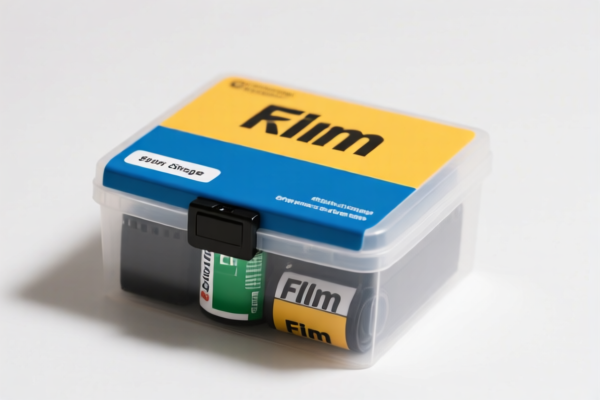


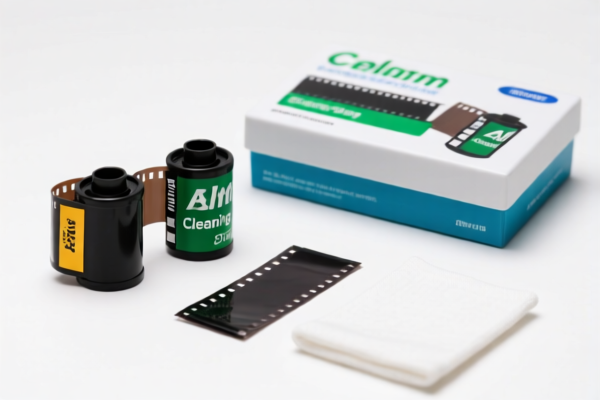
AI Analysis
📸 Color Film 135 Format (35mm Photography)
🌐 HS Code Reference & Clearance Guide | 2026 Latest Tariff Analysis | Professional Customs Strategy
📌 I. Product Definition & Classification: Do You Really Know "135 Color Film"?
Color Film 135 Format (commonly known as 35mm Color Photographic Film) refers to cellulose-acetate or polyester-based flexible rolls of light-sensitive material pre-loaded into plastic or metal cartridges for use in 135 cameras. It contains multiple layers of color couplers and dyes, designed to capture color images on a negative base.
In international trade, this product is strictly categorized under Chapter 37 (Photographic Goods). Misclassification can lead to severe penalties, as 35mm film is highly sensitive to USITC Section 301, Section 122, and IEEPA surcharges.
⚠️ Critical Classification Rules:
- Unexposed (Raw Film): Must be declared as "Color Photography Film, Roll Format, Non-exposed" → HS 3701.91.00.30 or HS 3702.53.00.30.
- Exposed (Developed/Unprocessed): If the film has been loaded into a camera and exposed (even if not developed), it may shift to HS 3701.91.00.60 (Processed/Exposed).
- Sensitizing Emulsions: If importing only the liquid emulsion without the film base, it falls under HS 3707.10.00.05.
📦 II. HS Code Classification Details (2026 Tariff Authority Match)
Based on your specific input data, here is the exact mapping for Color Film 135 Format:
| HS Code | Product Description | Tax Detail Breakdown | Total Tax Rate | Applicable Scenario |
|---|---|---|---|---|
| 3701.91.00.30 | Color photography film, roll format, non-paper/non-textile, unexposed | Base: 3.7% Add-on (Section 301): 25.0% Sec. 122: 10.0% |
38.7% | Raw 135 film rolls (unexposed, generic category) |
| 3702.54.00.30 | 35mm规格彩色摄影胶卷 (35mm Color Film) | Base: 3.7% Add-on: 25.0% Sec. 122: 10.0% |
38.7% | Explicitly defined 35mm color rolls matching specific width standards |
| 3702.53.00.30 | 35mm彩色胶卷 (35mm Color Film) | Base: 3.7% Add-on: 25.0% Sec. 122: 10.0% |
38.7% | 35mm rolls meeting strict width requirements (35mm) |
| 3701.91.00.60 | Exposed color film rolls (Non-discrete, non-disc) | Base: 3.7% Add-on: 25.0% Sec. 122: 10.0% |
38.7% | Film that has been exposed in a camera but not yet developed |
| 3707.10.00.05 | Sensitizing emulsions for color negative paper | Base: 3.0% Add-on: 25.0% Sec. 122: 10.0% |
38.0% | Not film rolls – Only the liquid chemical emulsion |
🔍 Key Differentiator:
- 3701.91 is the general "other color film" category.
- 3702.53/54 are specific "35mm rolls" with stricter width definitions.
- 3707.10 is NOT film; it is the chemical liquid used to make film. Do not confuse the two!
💰 III. 2026 Tariff Rate Breakdown (China Export to US)
✅ Origin: China (CN)
✅ Destination: United States (US)
✅ Applicable Measures: Section 301 (China Trade) + Section 122 (Retaliatory) + IEEPA (Emergency Powers)
🎯 1. Standard 35mm Film (3701.91.00.30 / 3702.53.00.30 / 3702.54.00.30)
| Item | Content |
|---|---|
| Base Tariff | 3.7% (Ad Valorem - Standard MFN) |
| Section 301 "Add-on" Tariff | +25.0% (Retaliatory tariff on Chinese goods) |
| Section 122 Tariff | +10.0% (Specific to photography materials) |
| Total Effective Rate | 38.7% |
| De Minimis Exemption? | ❌ NO (Below $800? No, photography film is excluded from de minimis thresholds under specific trade rules) |
| Calculation Formula | Customs Value (CIF) × 38.7% |
| Legal Basis | USITC:3701/3702 → Section 301 Footnote → Section 122 |
📌 Expert Note:
- The 25% Section 301 is the most significant cost driver for Chinese-origin film.
- Section 122 is an additional 10% imposed specifically on certain Chinese imports, making the total 38.7%.
- There is NO duty-free path for this category unless the country of origin is changed to Vietnam/Mexico (and proper tracing is provided).
🎯 2. Sensitizing Emulsion (3707.10.00.05)
| Item | Content |
|---|---|
| Base Tariff | 3.0% |
| Add-on | +25.0% |
| Section 122 | +10.0% |
| Total Rate | 38.0% |
| Note | Slightly lower base rate, but same punitive surcharges. |
🛠️ IV. Customs Clearance Practical Advice (Avoid the Pitfalls)
✅ 1. Documentation Checklist (Must-Haves)
| Document | Requirement | Why? |
|---|---|---|
| Commercial Invoice | Must state "Color Photographic Film, 35mm, 135 Format" | Generic terms like "Camera Supplies" cause delays. |
| Product Specification Sheet | Must specify Width (35mm), Base Material (Cellulose/Polyester), and Emulsion Type. | Differentiates 3702 (35mm) from 3701 (Other). |
| Declaration of "Unexposed" Status | If unexposed, explicitly state "Unexposed / Raw Film". | If "Exposed", it shifts to 3701.91.00.60 (still 38.7%, but different category). |
| MSDS (Material Safety Data Sheet) | Required for liquid emulsions (3707.10.00.05) |
Safety check for hazardous chemicals in the liquid. |
| Proof of Origin | Must show "Made in China" or "Made in [Exempt Country]". | To determine eligibility for exemptions (rare for this category). |
✅ 2. Classification Strategy (The "35mm Rule")
🔥 Golden Rule: "Width is King."
- If the film is 35mm wide (standard 135 cartridge), you must use 3702.53/54.
- If it is Medium Format (120) or Large Format, it falls under 3701.91.
- DO NOT misclassify 35mm as "Other film" (3701.91.00.30) if it strictly meets 35mm specs. The customs officer may flag it for a "misdeclaration" even if the tax is the same, as it affects statistical monitoring.
| Scenario | Correct HS Code | Risk Level |
|---|---|---|
| 35mm Color Roll (Standard) | 3702.53.00.30 or 3702.54.00.30 |
✅ Low (if specs match) |
| 35mm Color Roll (Generic) | 3701.91.00.30 |
⚠️ Medium (if specs don't perfectly align) |
| Exposed Film (Unprocessed) | 3701.91.00.60 |
✅ Low (Tax is same) |
| Liquid Emulsion | 3707.10.00.05 |
❌ High (Risk of chemical smuggling flags if not declared as "Emulsion") |
✅ 3. Special Handling: Section 122 & 301
- No De Minimis: Even if your shipment is under $800, you cannot use the "de minimis" (Section 321) exemption for photography film if the exporter is in China. It is subject to Section 301 duties.
- Country of Origin Tracing: If you are re-packaging film in a third country (e.g., Vietnam), ensure the manufacturing process (emulsion coating) did not happen in China. Otherwise, the "Made in Vietnam" label is invalid, and the 38.7% tax will still apply.
🌍 V. Global Market Comparison (2026)
| Region | HS Code | Base Rate | Add-ons | Total Tax | Notes |
|---|---|---|---|---|---|
| 🇺🇸 USA | 3702.53 / 3701.91 |
3.7% | 25% (301) + 10% (122) | 38.7% | Highest risk. Strictly enforced. |
| 🇪🇺 EU | 3702.54 |
0% - 1.5% | None | ~1.5% | No Section 301/122. Much cheaper. |
| 🇨🇳 China | 3702.53 |
3.7% | None | 3.7% | Domestic trade only (if exporting from China). |
| 🇯🇵 Japan | 3702.54 |
0% | None | 0% | Duty-free for most photographic film. |
📌 Conclusion:
- USA is the most expensive market for Chinese 35mm film due to the 38.7% combined tariff.
- EU & Japan offer duty-free or near-duty-free entry.
- Strategy: If targeting the US market, consider warehousing in Vietnam (if manufacturing is moved) or pricing strategy to absorb the ~35% cost increase.
📌 VI. Common Errors & How to Avoid Them
❌ Error 1: Declaring "35mm Film" as "Camera Accessories" or "General Photo Supplies"
👉 Consequence: HS Code rejection, delayed clearance, potential penalty.
❌ Error 2: Shipping "Exposed" film but declaring it "Unexposed"
👉 Consequence: Customs may confiscate the film if they believe it contains classified data (if military use) or misclassify the tax. (Note: Tax is same, but description must match).
❌ Error 3: Mixing "Film Rolls" with "Liquid Emulsion" in one invoice without separate HS Codes
👉 Consequence: Confusion on Section 122 applicability. Declare separately: 3702.54 for rolls, 3707.10 for liquid.
❌ Error 4: Ignoring the "35mm Width" requirement
👉 Consequence: If the film is 24mm or 20mm, it is NOT 35mm, and must use 3701.91.00.30. Misclassification leads to audit risk.
✅ Correct Declaration Example:
"135 Format Color Photographic Film (35mm), Unexposed, Cellulose Acetate Base, 36 Exposures, Brand: Kodak/Ilford, HS: 3702.53.00.30, Origin: China"
🎯 VII. Final Verdict: Smart Clearance Strategy
🎯 Remember the Formula:
🔹 "35mm is 3702, 38.7% is the Tax, 135 Format is Standard."
🔹 "Unexposed vs Exposed: Same Tax, Different Code."
🔹 "Liquid Emulsion: 3707.10 (Slightly lower base)."
📌 Pro Tip:
If you are importing Color Film 135 Format into the US, the 38.7% tax is unavoidable for Chinese origin.
Actionable Steps:
1. Verify Width: Ensure your film is exactly 35mm to use the most specific 3702 code.
2. Check Origin: If possible, source from non-China origin to avoid the 35% surcharge.
3. Pre-Arrival Ruling: Contact US Customs and Border Protection (CBP) for a Binding Ruling on your specific film type to confirm the 3702 classification before shipment.
📣 Take Action Now:
📞 Contact a licensed customs broker with Chapter 37 experience.
📦 Provide exact specifications (Width, Base Type, Exposed/Unexposed).
💰 Budget for 38.7% duty on all Chinese-origin 35mm film imports to the US.
✨ Precision in Classification = Savings in Time & Money!
💼 Your 35mm Film is Valuable; Don't let Taxes Waste it.
Customer Reviews
About HS Code Classification
The Harmonized System (HS) is an internationally standardized nomenclature developed by the World Customs Organization (WCO) to classify traded products. Over 200 countries use the HS system as the basis for customs tariffs, trade statistics, and import/export regulations.
Each HS code follows a hierarchical structure:
- Chapter (2 digits) — Broad category of goods (e.g., Chapter 84: Machinery and Mechanical Appliances)
- Heading (4 digits) — More specific grouping within the chapter
- Subheading (6 digits) — Internationally standardized breakdown, used by all WCO member countries
- National subdivisions (8-10 digits) — Country-specific extensions for further classification, such as US HTSUS 10-digit codes
Correct HS code classification is essential for smooth customs clearance, accurate duty payment, and compliance with trade regulations. Misclassification can lead to customs delays, overpayment of duties, or penalties.
When importing from CN to US, the applicable tariff rates may include:
- Most-Favored-Nation (MFN) rate — The standard duty rate applied to WTO members
- General rate — Applied to countries without trade agreements
- Trade remedy duties — Additional tariffs such as Section 301 (anti-dumping), Section 232 (national security), or countervailing duties
The information provided on this page is for reference purposes only. For official classification, please consult with your local customs authority or a licensed customs broker.