Color Film 35mm Format
CN → US| HS Code | Tariff Rate | Origin | Destination | Doc |
|---|---|---|---|---|
| 3707100090 | 38.0% | CN | US | Official Doc |
| 3707100005 | 38.0% | CN | US | Official Doc |
| 3701910060 | 38.7% | CN | US | Official Doc |
| 3701910030 | 38.7% | CN | US | Official Doc |
| 3702550060 | 35.0% | CN | US | Official Doc |
Product Images
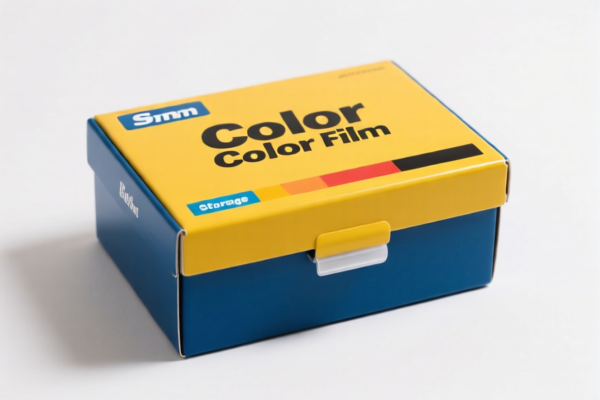
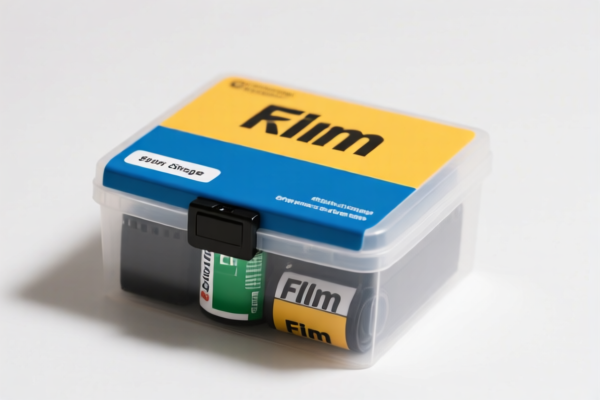
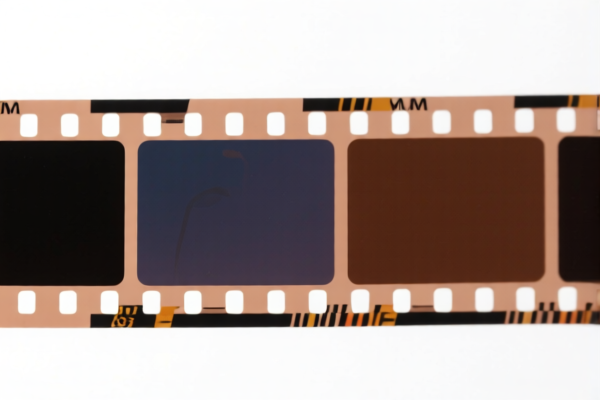
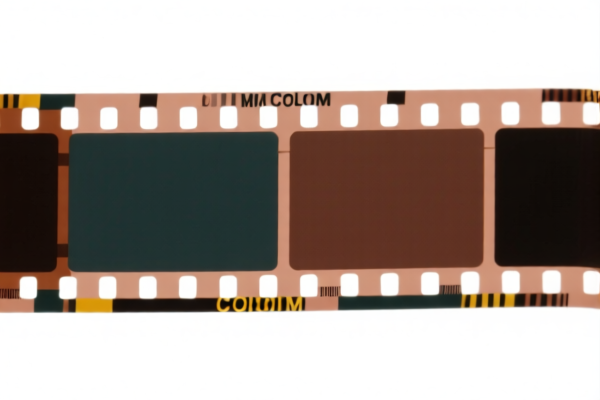
AI Analysis
🎞️ Color Film 35mm Format (35mm Color Photographic Film)
🌐 HS Code Reference & Customs Clearance Guide | 2026 Latest Tariff Analysis | Professional Clearance Strategy
📌 I. Product Definition & Classification: Do You Really Understand "35mm Color Film"?
35mm Color Film is a critical photographic material used in analog photography, cinema, and industrial imaging. It consists of a transparent base coated with light-sensitive emulsion layers (cyan, magenta, yellow) to produce color images upon development. In international trade, it is strictly classified based on its state (exposed vs. unexposed), form (roll, sheet, or disc), and chemical nature (photographic emulsion vs. other media).
⚠️ Key Distinction Points:
- Unexposed vs. Exposed: Only unexposed films are classified under Heading 3701, 3702, or 3707. Once exposed and developed, it becomes a photographic print or negative, often classified under different headings (e.g., 3703 or 3704) or excluded from chemical import duties if considered a finished good. - Format Matters: "35mm" typically implies a roll film, but classification may vary if it is a specific disc format or sheet film. - Material Base: Most modern films use a cellulose acetate or polyester base, not paper or textile, which excludes them from paper-based headings.
📦 II. HS Code Classification Details (2026 Latest Tariff Authority Comparison)
Based on the provided data, the following HS Codes are relevant for "Color Film 35mm Format." Each code has distinct legal interpretations and tax implications.
| HS Code | Product Description | Application Scenario | Key Matching Logic |
|---|---|---|---|
3707.10.00.90 |
Photographic Sensitizing Emulsions; Other Preparations | Chemical sensitizing agents for color film manufacturing; bulk emulsion supplies | Matches "Color" (color) and "Film" (material attribute). Classified under "Other" category for photographic chemical preparations. No material conflict. |
3707.10.00.05 |
Color Negative Sensitizing Emulsions (Color Negative Film Type) | Raw chemical emulsions specifically for color negative film production | "Color" matches the classification; "Film" functionally belongs to light-sensitive materials. Classified as color negative type light-sensitive material. |
3701.91.00.60 |
Photographic Plates and Film, Exposed, for Color Photography (Other) | 35mm Color Macro Film; unexposed photographic film | Material inferred as non-paper/textile; form is photographic film; purpose matches "for color photography." |
3701.91.00.30 |
Photographic Plates and Film, Exposed, for Color Photography (Other) | General 35mm Color Film; unexposed photographic film | "Color" corresponds to "Color Photography"; "Film" corresponds to "Film." Classified under "Other" due to unspecified physical form (e.g., disc). |
3702.55.00.60 |
Photographic Film Rolls, Unexposed, Other, in Width of 35mm | 35mm Color Photographic Film Rolls; standard roll film | Explicitly states "Color Film"; 35mm width fits the 16mm-35mm range; material is photosensitive coating, not paper/textile. Classified as "Other Color Photographic Film Rolls." |
🔍 Key Reminder:
-3707Codes: Apply to chemical preparations/emulsions used in the manufacturing of film or as sensitizing agents, not the final consumer film roll itself. -3701Codes: Apply to photographic plates and films (often flat or specific forms) for color photography. -3702Codes: Apply to photographic film rolls (unexposed), which is the most common format for 35mm consumer/professional film.
💰 III. 2026 Latest Tariff Rate Breakdown (Including Surtaxes & Policy Add-ons)
✅ Applicable Country: United States (US)
✅ Origin: China (CN)
✅ Effective Date: From November 10, 2025 (including subsequent imports)
🎯 1. 3707.10.00.90 & 3707.10.00.05 — Photographic Sensitizing Emulsions
| Item | Content |
|---|---|
| Base Tax Rate | 3.0% (ad valorem) |
| USITC Surtax | +25% (under USITC Footnote 9903.88.01 / Section 301) |
| IEEPA Surtax | +10% (against China/HK products, effective Nov 10, 2025) |
| Total Tax Rate | 38.0% |
| Tax Calculation | CIF Value × 38.0% |
| De Minimis Eligibility | ❌ Not Eligible (deny_de_minimis) |
| Legal Authority Path | IEEPA:9903.01.25 → IEEPA:9903.01.24 → USITC:3707.10.00.05/90 → FOOTNOTE:9903.88.01 |
📌 Explanation:
- These codes cover chemical emulsions, not the final film roll.
- The 25% USITC surtax is from Section 301; the 10% IEEPA surtax is from the International Emergency Economic Powers Act.
- Total 38% is a high import cost for chemical supplies.
🎯 2. 3701.91.00.60 & 3701.91.00.30 — Photographic Plates and Film (Color)
| Item | Content |
|---|---|
| Base Tax Rate | 3.7% (ad valorem) |
| USITC Surtax | +25% (Section 301) |
| IEEPA Surtax | +10% (IEEPA) |
| Total Tax Rate | 38.7% |
| Tax Calculation | CIF Value × 38.7% |
| De Minimis Eligibility | ❌ Not Eligible (deny_de_minimis) |
| Legal Authority Path | IEEPA:9903.01.25 → IEEPA:9903.01.24 → USITC:3701.91.00.60/30 → FOOTNOTE:9903.88.01 |
📌 Note:
- Slightly higher base rate (3.7%) than3707.
- Applies to photographic plates/film in non-roll formats or unspecified forms under Heading 3701.
🎯 3. 3702.55.00.60 — Photographic Film Rolls (35mm Color)
| Item | Content |
|---|---|
| Base Tax Rate | 0.0% (ad valorem) |
| USITC Surtax | +25% (Section 301) |
| IEEPA Surtax | +10% (IEEPA) |
| Total Tax Rate | 35.0% |
| Tax Calculation | CIF Value × 35.0% |
| De Minimis Eligibility | ❌ Not Eligible (deny_de_minimis) |
| Legal Authority Path | IEEPA:9903.01.25 → IEEPA:9903.01.24 → USITC:3702.55.00.60 → FOOTNOTE:9903.88.01 |
📌 Note:
- This is the most likely code for 35mm consumer film rolls.
- Despite a 0% base rate, the total burden is 35% due to surtaxes.
- Lowest total rate among the provided options, making it the most cost-effective classification for standard 35mm rolls.
🛠️ IV. Customs Clearance Operational Advice (Practical Pitfall Avoidance)
✅ 1. Documentation Checklist (Mandatory)
| Document | Required | Description |
|---|---|---|
| ✅ Product Specification Sheet | ✔️ | Must include: Format (35mm), Type (Color/Negative/Positive), Width (35mm), Base Material (Acetate/Polyester), State (Unexposed). |
| ✅ Product Photos | ✔️ | Clear images of packaging, label, and the film roll itself. Label must clearly state "35mm Color Film" and "Unexposed." |
| ✅ Commercial Invoice | ✔️ | Must accurately describe the item as "35mm Color Photographic Film Rolls, Unexposed." Avoid vague terms like "Photographic Supplies." |
| ✅ Packing List | ✔️ | Detail quantity, weight, and dimensions. Ensure no mixed declarations with exposed films or chemicals. |
| ✅ Origin Certificate (CO) | ✔️ | If origin is not China, may qualify for preferential rates. |
| ✅ Safety Data Sheet (SDS) | ✔️ | If declared as chemical emulsions (3707), SDS is required. For film rolls, often not required but good to have. |
✅ 2. Declaration Tips (Key Mantra)
🔥 "State Matters: Unexposed is Key! Format Drives Code!"
| Scenario | Correct Declaration | Incorrect Practice |
|---|---|---|
| Standard 35mm Color Roll | 3702.55.00.60 - "35mm Color Photographic Film Rolls, Unexposed" |
Misdeclared as 3707 (Emulsions) → Higher base tax |
| Chemical Emulsion for Film | 3707.10.00.05 - "Color Negative Sensitizing Emulsions" |
Misdeclared as Film Roll → Misclassification penalty |
| Exposed Film | Not covered in this data (Likely 3703/3704) |
Declaring as Unexposed → Fraud/Seizure |
| Mixed Package (Film + Developer) | Separate declarations | Combined declaration → Risk of rejection or reclassification |
✅ 3. Special Case Handling
| Scenario | Handling Advice |
|---|---|
| OEM/Private Label Film | Provide manufacturer authorization and product specs. Ensure labeling matches the declared HS Code. |
| Film with Disc Format | If not 35mm roll, check 3701.91.00.30. Disc formats may have different physical form classifications. |
| Bulk Chemical Supplies | If importing raw emulsions for manufacturing, use 3707 codes. Ensure SDS is available. |
| Small Sample Shipments | Even samples under de minimis are not eligible due to deny_de_minimis status. Full duty applies. |
🌍 V. Global Market Comparison (2026 Latest)
| Country/Region | Recommended HS Code | Total Tax Rate (China Origin) | Certification Requirements | Notes |
|---|---|---|---|---|
| 🇺🇸 USA | 3702.55.00.60 |
35.0% | No specific FDA/USDA for film, but accurate description critical | High surtaxes apply to all 370x codes from China |
| 🇨🇳 China | 3702.55.00.60 |
5% (Import Duty) | N/A | No Section 301 or IEEPA surtaxes in domestic trade |
| 🇪🇺 EU | 3702.55.00.60 |
0% (Standard) | REACH Compliance (for chemical components) | No additional US-style surtaxes |
| 🇬🇧 UK | 3702.55.00.60 |
0% (Post-Brexit) | UKCA Marking (if applicable) | Generally lower tariffs than US |
| 🇯🇵 Japan | 3702.55.00.60 |
0% | N/A | Free trade benefits |
📌 Conclusion:
- USA is the most costly market for importing 35mm film from China due to 25% + 10% surtaxes.
-3702.55.00.60is the most cost-efficient code among the options for standard film rolls.
- Non-US markets offer significantly lower tariff burdens, making China-origin film competitive elsewhere.
📌 VI. Common Mistakes & Pitfalls (Lessons Learned)
❌ Mistake 1: Declaring 35mm Film Rolls as 3707 (Chemicals)
👉 Consequence: Incorrect classification leads to higher base tax (3.0% vs 0.0%) and potential misdeclaration penalties.
❌ Mistake 2: Failing to Specify "Unexposed"
👉 Consequence: If exposed, it may fall under different headings (3703/3704) with different duty structures or be considered a finished good, leading to customs hold or rejection.
❌ Mistake 3: Ignoring Surtaxes in Cost Calculation
👉 Consequence: Underestimating landing cost by ignoring the 35% total duty, leading to margin erosion or uncompetitive pricing.
❌ Mistake 4: Mixing Film with Chemical Developers in One Line Item
👉 Consequence: Customs may separate them, requiring multiple HS Codes and potentially higher combined duties.
✅ Correct Approach:
"35mm Color Photographic Film Rolls, Unexposed, Polyester Base, 24 Exposures, For Analog Photography, Model XYZ, Origin: China"
🎯 VII. Conclusion: Precise Classification Saves Money!
🎯 Remember the Mantra:
🔹 "35mm Roll? Use
3702.55.00.60!"
🔹 "Base 0%, Total 35% - Know the Surtax!"
🔹 "Unexposed is Critical - Don't Skip It!"
📌 Pro Tip:
If your film is originating from Vietnam, Thailand, or Malaysia, you may qualify for IEEPA exemptions, reducing the total tax rate to 0%~25%.
Recommend applying for an Advance Ruling from US Customs and Border Protection (CBP) to confirm the HS Code and duty liability before shipment.
📣 Act Now:
📞 Contact a Professional Customs Broker + Provide Product Specs + Request HS Code Advance Ruling
🚀 Ensure Your Film, Clears Smoothly, Minimizes Duty, Maximizes Profit!
✨ Professional Clearance Starts with Accurate Classification!
💼 Every Dollar of Duty Saved is Pure Profit!
Customer Reviews
About HS Code Classification
The Harmonized System (HS) is an internationally standardized nomenclature developed by the World Customs Organization (WCO) to classify traded products. Over 200 countries use the HS system as the basis for customs tariffs, trade statistics, and import/export regulations.
Each HS code follows a hierarchical structure:
- Chapter (2 digits) — Broad category of goods (e.g., Chapter 84: Machinery and Mechanical Appliances)
- Heading (4 digits) — More specific grouping within the chapter
- Subheading (6 digits) — Internationally standardized breakdown, used by all WCO member countries
- National subdivisions (8-10 digits) — Country-specific extensions for further classification, such as US HTSUS 10-digit codes
Correct HS code classification is essential for smooth customs clearance, accurate duty payment, and compliance with trade regulations. Misclassification can lead to customs delays, overpayment of duties, or penalties.
When importing from CN to US, the applicable tariff rates may include:
- Most-Favored-Nation (MFN) rate — The standard duty rate applied to WTO members
- General rate — Applied to countries without trade agreements
- Trade remedy duties — Additional tariffs such as Section 301 (anti-dumping), Section 232 (national security), or countervailing duties
The information provided on this page is for reference purposes only. For official classification, please consult with your local customs authority or a licensed customs broker.