Color Film Professional Scanner
CN → US| HS Code | Tariff Rate | Origin | Destination | Doc |
|---|---|---|---|---|
| 8471608000 | 17.5% | CN | US | Official Doc |
Product Images
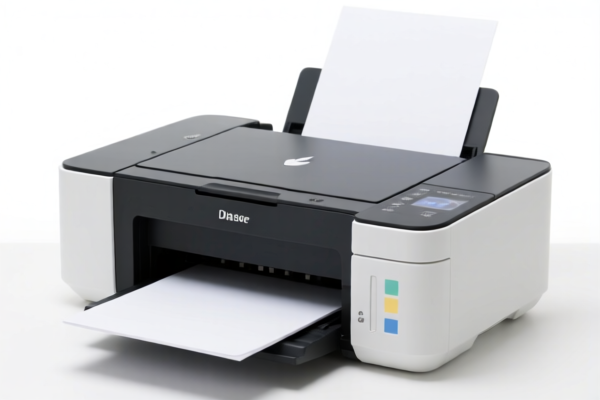
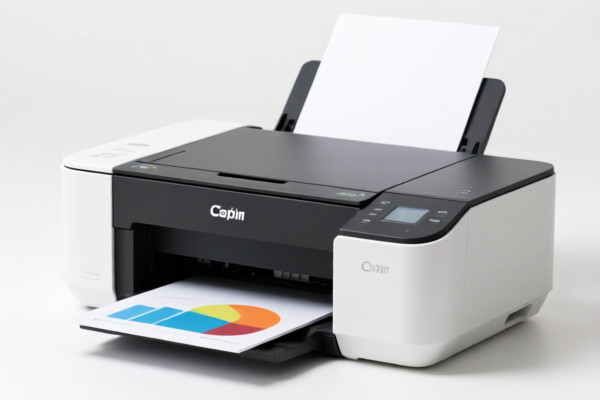
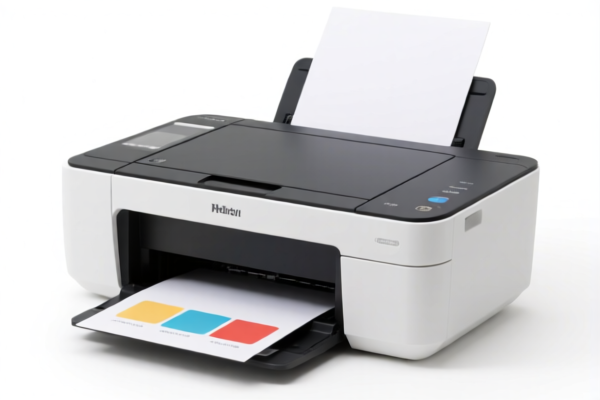
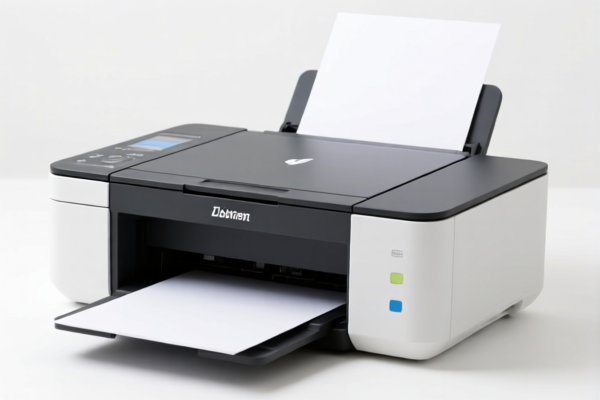
AI Analysis
📸 Color Film Professional Scanner (Optical Scanners for Data Processing)
🌐 HS Code Reference & Customs Clearance Guide | 2026 Latest Tariff Analysis | Professional Clearance Strategy
📌 1. Product Definition & Classification: Do You Really Understand "Professional Film Scanners"?
A Color Film Professional Scanner is a high-precision peripheral device used in automatic data processing (ADP) systems. It functions as an Input Unit by converting analog photographic film (negative or slide) into digital data signals.
In international trade, these devices are strictly classified under Heading 8471, specifically as parts or accessories of automatic data processing machines, or as standalone optical input devices.
⚠️ Key Distinction:
- Professional Film Scanners: Designed for high-resolution digitization of photographic media. They connect to computers/servers for data processing. → HS Code 8471.60
- Consumer Film Scanners: If explicitly marketed as standalone "cameras" or "photo printers" without ADP machine integration, classification might differ, but "Professional Scanner" implies ADP input. → HS Code 8471.60
- Non-Optical Readers: Magnetic stripe readers or bar code scanners are also 8471, but optical film scanners fall under specific subheadings.
📦 2. HS Code Classification Details (Based on Provided Data)
| HS Code | Product Description | Applicable Scenario | Tax Rate (China to US) |
|---|---|---|---|
8471.60.80.00 |
Optical scanners and magnetic ink recognition devices (Other than specified elsewhere) | Professional color film scanners, slide scanners, high-res document scanners for ADP input | 7.5% (Total) |
🔍 Critical Note:
- The description in<DATA>explicitly lists: "Optical scanners and magnetic ink recognition devices" under8471.60.80.00.
- Professional film scanners are optical input devices that process data for ADP machines. They are not "printers" (8471.51) or "keyboards" (8471.50).
- Do not classify as camera parts (9006/9007) if the primary function is data input for processing. Customs views them as ADP input units.
💰 3. 2026 Latest Tariff Rate Breakdown
✅ Applicable Country: United States (US)
✅ Origin: China (CN)
✅ Effective Time: Current (based on provided data)
🎯 HS Code: 8471.60.80.00 – Optical Scanners (Professional Film Scanners)
| Item | Content |
|---|---|
| Base Tariff | 0.0% |
| Additional Tariff (Section 301/IEEPA) | +7.5% |
| Total Tax Rate | 7.5% |
| Tax Calculation | CIF Value × 7.5% |
| De Minimis Exemption | ❌ Not Applicable (Usually ADP equipment > $800 requires full entry) |
| Legal Basis Path | 8471.60.80.00 → Base: 0% + Additional: 7.5% |
📌 Explanation:
- The provided data states:"tax_detail": "基础关税: 0.0%, 加征关税: 7.5%"and"total_tax": "7.5%".
- This is a significant advantage compared to other electronic components (which may face 25%+ tariffs).
- The 7.5% is an additional tariff on top of the 0% base rate, typically under Section 301 or specific China trade measures.
🛠️ 4. Customs Clearance Practical Advice (Avoid Pitfalls)
✅ 1. Required Documentation Checklist
| Document | Must Provide? | Notes |
|---|---|---|
| ✅ Product Specifications | ✔️ | Must state: "Optical Scanner for Digital Data Input," "Resolution," "Interface (USB/Thunderbolt)" |
| ✅ User Manual / Brochure | ✔️ | Show connection to PC/Server, emphasize "Data Processing" function |
| ✅ Photos (Front/Rear/Ports) | ✔️ | Clear view of data ports, no branding that confuses with "Camera" |
| ✅ Commercial Invoice | ✔️ | Describe as: "Professional Color Film Optical Scanner for Automatic Data Processing Input" |
| ✅ HS Code Pre-ruling (Recommended) | ✔️ | Avoid misclassification as "Camera Accessory" (which may have different tariffs) |
✅ 2. Declaration Tips (Key Mantra)
🔥 "It’s a Scanner, Not a Camera!"
- Correct Description: "Optical Data Input Unit for ADP Machines"
- Wrong Description: "Film Camera Accessory" or "Digital Photo Printer"
- Why? If declared as camera parts, it might go to Chapter 90, risking higher tariffs or inspections. Under 8471, it’s a standard IT peripheral.
| Scenario | Correct HS Code | Wrong HS Code | Risk |
|---|---|---|---|
| Professional Film Scanner connected to PC | 8471.60.80.00 (7.5%) |
9006.91.00.00 (Camera parts) |
High audit risk, potential reclassification penalty |
| Standalone Scanner (no ADP context) | Still 8471.60.80.00 (as input unit) |
8471.70.00.00 (Printing) |
Wrong function, wrong tax |
| Bundle: Scanner + Printer | Split declaration | Single line item | Misleading declaration |
✅ 3. Special Cases
| Case | Handling Advice |
|---|---|
| Software Included | Declare hardware only. Software license is separate or value-neutral. |
| Cartridge/Drum Units | If sold separately, may fall under 8471.60.80.00 as parts/accessories, but verify if consumable. |
| Used/Refurbished | Must declare as "Used." Some countries restrict used ADP equipment. Provide condition report. |
🌍 5. Global Market Comparison (2026)
| Country/Region | Recommended HS Code | Tariff (China Origin) | Notes |
|---|---|---|---|
| 🇺🇸 USA | 8471.60.80.00 |
7.5% (Total) | Base 0% + Add. 7.5%. Low risk. |
| 🇪🇺 EU | 8471.60.80.00 |
0% (if EoL) or 1.7% | No Section 301 equivalent. Lower barrier. |
| 🇨🇳 China (Import) | 8471.60.80.00 |
0% | Beneficial for re-export. |
| 🇯🇵 Japan | 8471.60.80.00 |
0% | Free trade agreement considerations. |
📌 Conclusion:
- The US tariff of 7.5% is very competitive for electronic data processing equipment.
- Ensure the declaration emphasizes "Data Processing Input Unit" to stay within 8471.
📌 6. Common Mistakes & Pitfalls (Blood Lessons)
❌ Mistake 1: Declaring as "Photographic Equipment" (Chapter 90)
👉 Consequence: Higher tariffs (often 0-5% base, but potential anti-dumping or inspection delays), incorrect statistical reporting.
👉 Fix: Always link to ADP (Automatic Data Processing).
❌ Mistake 2: Declaring as "Printer" (8471.51/52)
👉 Consequence: Wrong HS, potential penalty. Scanners are input, printers are output.
👉 Fix: Clear functional distinction.
❌ Mistake 3: Ignoring the "7.5% Additional Tariff"
👉 Consequence: Under-budgeting. While 7.5% is low compared to 25%, it’s not free.
👉 Fix: Factor 7.5% into landed cost.
🎯 7. Conclusion: Professional Declaration, Smooth Clearance!
🎯 Remember the Mantra:
🔹 "Scanner = ADP Input Unit = 8471.60"
🔹 "Tax is Low (7.5%), But Declaration Must Be Precise"
🔹 "Don’t Confuse with Camera Parts!"
📌 Pro Tip:
- Provide technical datasheets showing the scanner connects to a computer via USB/Thunderbolt for data processing.
- If the scanner is part of a larger system, declare the system, not just the scanner.
- Pre-ruling is highly recommended for high-value professional film scanners to avoid any ambiguity with Chapter 90.
📣 Immediate Action:
📞 Contact your customs broker with the HS Code
8471.60.80.00and the description: "Optical Scanner for Data Processing Input."
🚀 Ensure compliance with the 7.5% additional tariff to avoid clearance delays.
✨ Professional Clearance Starts with Accurate Classification!
💼 Your profit margin deserves precise tax calculation!
Customer Reviews
About HS Code Classification
The Harmonized System (HS) is an internationally standardized nomenclature developed by the World Customs Organization (WCO) to classify traded products. Over 200 countries use the HS system as the basis for customs tariffs, trade statistics, and import/export regulations.
Each HS code follows a hierarchical structure:
- Chapter (2 digits) — Broad category of goods (e.g., Chapter 84: Machinery and Mechanical Appliances)
- Heading (4 digits) — More specific grouping within the chapter
- Subheading (6 digits) — Internationally standardized breakdown, used by all WCO member countries
- National subdivisions (8-10 digits) — Country-specific extensions for further classification, such as US HTSUS 10-digit codes
Correct HS code classification is essential for smooth customs clearance, accurate duty payment, and compliance with trade regulations. Misclassification can lead to customs delays, overpayment of duties, or penalties.
When importing from CN to US, the applicable tariff rates may include:
- Most-Favored-Nation (MFN) rate — The standard duty rate applied to WTO members
- General rate — Applied to countries without trade agreements
- Trade remedy duties — Additional tariffs such as Section 301 (anti-dumping), Section 232 (national security), or countervailing duties
The information provided on this page is for reference purposes only. For official classification, please consult with your local customs authority or a licensed customs broker.