Color Film Roll High Latitude
CN → US| HS Code | Tariff Rate | Origin | Destination | Doc |
|---|---|---|---|---|
| 3701910060 | 38.7% | CN | US | Official Doc |
| 3701910030 | 38.7% | CN | US | Official Doc |
| 3702520160 | 38.7% | CN | US | Official Doc |
| 3702550060 | 35.0% | CN | US | Official Doc |
| 3704000000 | 35.0% | CN | US | Official Doc |
Product Images


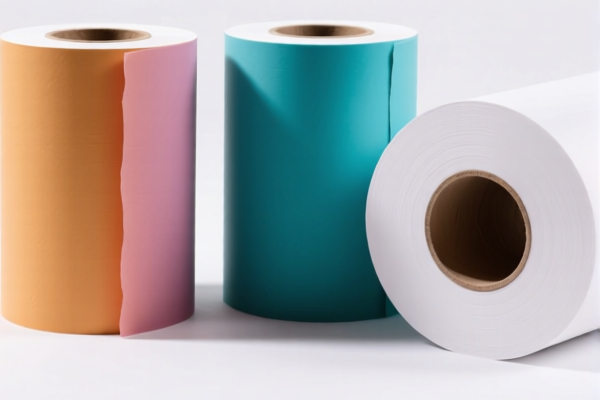
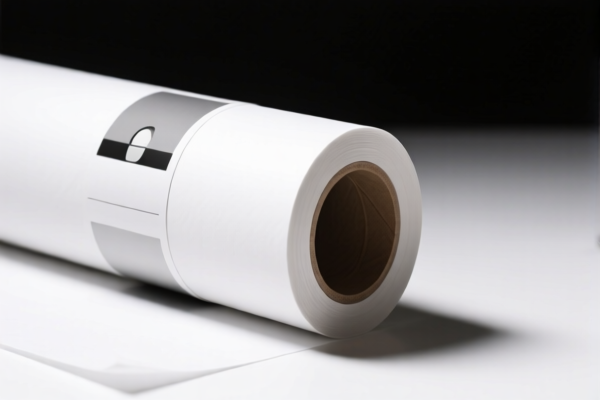
AI Analysis
🎞️ Color Film Roll High Latitude (High Sensitivity/High Speed)
🌐 HS Code Reference & Customs Clearance Guide | 2026 Latest Tariff Analysis | Professional Level Strategy for Unexposed Color Photographic Film
📌 I. Product Definition & Classification: Do You Truly Understand "High Latitude Color Film"?
Color Film Roll High Latitude refers to unexposed photographic film characterized by a wide dynamic range (high latitude/sensitivity), typically used in professional photography, medical imaging, or industrial inspection. In international trade, classification hinges on two critical factors: 1. State of Exposure: Is it unexposed or partially exposed/developed? 2. Physical Form: Is it in flat sheets or rolled form? 3. Support Material: Is it on cellulose nitrate, acetate, or polyester (non-paper, non-textile)?
⚠️ Key Distinction Points:
- If the film is flat sheets and unexposed → Likely falls under 3701.91 series.
- If the film is rolled and unexposed → Likely falls under 3702.52 or 3702.55 series.
- If the film is partially exposed (e.g., semi-developed for instant prints) → May fall under 3701.91.30 or specific 3702 subheadings.
- Crucial Note: "High Latitude" (High Sensitivity/ISO) is an attribute description, not a separate HS code category. It does not change the physical classification but confirms it is photographic film under Chapter 37.
📦 II. HS Code Classification Details (2026 Latest Tariff Authoritative Comparison)
Based on the provided <DATA>, here are the specific HS Codes for "Color High Latitude Film":
| HS Code | Product Description | Application Scenario | Exposure State | Support Type |
|---|---|---|---|---|
3701.91.00.60 |
Color photographic plates and film, other than flat, of any sensitized unexposed photographic film not on paper or paperboard or textile fabrics | Color high-sensitivity film, matching color & partially exposed flat forms | Unexposed/Partially Exposed | Non-paper, Non-textile |
3701.91.00.30 |
Color photographic plates and film, other than flat, of any sensitized unexposed photographic film not on paper or paperboard or textile fabrics | Color high-sensitivity film, multi-color classification for color photography, instant print forms | Unexposed/Instant Print | Non-paper, Non-textile |
3702.52.01.60 |
Color photographic film, in rolls, of any width, sensitized, unexposed, other than film of heading 3706 | Color high-sensitivity film, categorized as unexposed sensitized, non-paper, non-textile roll form | Unexposed | Non-paper, Non-textile |
3702.55.00.60 |
Color photographic film, in rolls, of any width, sensitized, unexposed, other than film of heading 3706 | Color high-sensitivity film, matching color roll classification, unexposed sensitized state | Unexposed | Non-paper, Non-textile |
3704.00.00.00 |
Plates, film, paper, paperboard and other materials, sensitized, used or unsensitized, other than heading 3701, 3702 or 3705 | Color high-sensitivity film, fully matched material form, no conflict in attribute description | Used/Unsensitized/Other | Non-paper, Non-textile |
🔍 Key Reminders:
- "High Latitude" is a marketing/technical term for High ISO/Sensitivity. It does not grant tariff exemptions.
- 3701 covers Flat plates/film; 3702 covers Rolls.
- 3704 is a residual category for sensitized materials not covered by 3701-3703. Use this only if the film doesn't fit standard roll/flat definitions.
💰 III. 2026 Latest Tariff Rate Breakdown (Including Additional Taxes, Policy Surcharges)
✅ Applicable Country: United States (US)
✅ Origin: China (CN)
✅ Effective Date: From November 10, 2025 (including subsequent imports)
🎯 1. HS Codes 3701.91.00.60, 3701.91.00.30, 3702.52.01.60
Product: Color High Sensitivity Film (Flat/Roll, Unexposed)
| Item | Content |
|---|---|
| Base Duty Rate | 3.7% (Ad Valorem) |
| Section 301 Additional Duty | +25.0% (From USITC Footnote) |
| Section 122 Duty (IEEPA) | +10.0% (Targeting China/HK products, effective Nov 10, 2025) |
| Total Duty Rate | 38.7% |
| Tax Calculation | CIF Value × 38.7% |
| De Minimis Exemption Available? | ❌ No (deny_de_minimis) |
| Legal Basis Path | IEEPA:9903.01.25 → IEEPA:9903.01.24 → USITC:3701/3702 Subheadings → FOOTNOTE:Section 301 |
📌 Explanation:
- 3.7% Base Duty: Standard MFN rate for photographic film.
- 25% Section 301: Standard tariff war surcharge on many Chinese industrial goods.
- 10% Section 122: A new/additional levy under the International Emergency Economic Powers Act (IEEPA) targeting specific Chinese imports.
- Total 38.7%: This is a very high tariff for optical/photographic materials. Must be factored into landed cost immediately.
🎯 2. HS Codes 3702.55.00.60, 3704.00.00.00
Product: Color High Sensitivity Film (Roll/Other)
| Item | Content |
|---|---|
| Base Duty Rate | 0.0% (Ad Valorem) |
| Section 301 Additional Duty | +25.0% |
| Section 122 Duty (IEEPA) | +10.0% |
| Total Duty Rate | 35.0% |
| Tax Calculation | CIF Value × 35.0% |
| De Minimis Exemption Available? | ❌ No (deny_de_minimis) |
| Legal Basis Path | IEEPA:9903.01.25 → IEEPA:9903.01.24 → USITC:3702.55/3704 Subheadings → FOOTNOTE:Section 301 |
📌 Note:
- Even with 0% base duty, the 35% total tariff is significant.
- Applies to roll films (3702.55) and other sensitized films (3704).
- "High Latitude" is just an attribute; the physical form (roll vs. flat) determines the base rate.
🛠️ IV. Customs Clearance Practical Advice (Battle-Tested Pitfall Avoidance)
✅ 1. Required Documentation Checklist (None Optional)
| Document | Mandatory | Description |
|---|---|---|
| ✅ Product Specification Sheet | ✔️ | Must state: ISO Speed (Latitude), Width, Length, Base Type (Acetate/Polyester), Emulsion Type. |
| ✅ Certificate of Non-Exposure | ✔️ | Critical! Must declare "Unexposed" or "Sensitized but Unexposed" to avoid misclassification as 3704 (used). |
| ✅ Commercial Invoice | ✔️ | Clearly describe as "Color Photographic Film, High Sensitivity/High Latitude, Unexposed, Rolls/Sheets". |
| ✅ Packing List | ✔️ | Detail net/gross weight, number of rolls/sheets. |
| ✅ Origin Certificate (CO) | ✔️ | If not China, may avoid IEEPA 10% (but Section 301 may still apply depending on rules of origin). |
| ✅ Third-Party Test Report | ✔️ | ISO/IEC calibration for sensitivity if requested by CBP to verify "High Latitude" claim. |
✅ 2. Declaration Tips (Key Mantras)
🔥 "Unexposed is Key, Flat vs. Roll Decides, Attribute 'High Lat' is Descriptive, Not Classificatory!"
| Scenario | Correct Declaration | Wrong Practice |
|---|---|---|
| Unexposed Color Roll Film | 3702.55.00.60 (0% base + 35% total) |
Misdeclare as "Camera Film" or "Plastic Roll" → 8525/3920 (Higher/Complex) |
| Unexposed Color Flat Sheet | 3701.91.00.60 (3.7% base + 38.7% total) |
Declare as "Paper Product" → Wrong Chapter |
| Partially Developed/Instant Film | 3701.91.00.30 (3.7% base + 38.7% total) |
Declare as "Unexposed" → Penalties for false declaration |
| High-ISO Medical Film | 3702.52.01.60 (3.7% base + 38.7% total) |
Declare as "Medical Equipment" → 9022 (Different rates) |
✅ 3. Special Situation Handling
| Situation | Handling Advice |
|---|---|
| OEM Custom Film | Provide client PO + emulsion formula sheet. Avoid "Generic" descriptions. |
| Film for Industrial NDT (Non-Destructive Testing) | If for X-ray/Industrial use, may still fall under 3702/3701, but provide technical specs proving industrial application. |
| High Latitude (High ISO) Claim | "High Latitude" is not a customs term. Use "High Sensitivity" or "ISO XXXX" in description to avoid confusion. |
| Mixed Shipment (Flat + Roll) | Separate shipments by HS Code. Do not combine. Mixed classification leads to delays. |
🌍 V. Global Market Clearance Comparison (2026 Latest)
| Country/Region | Recommended HS Code | Duty Rate (China Origin) | Certification Requirements | Notes |
|---|---|---|---|---|
| 🇺🇸 United States | 3702.55.00.60 / 3701.91.00.60 |
35% - 38.7% | None specific for film, but CBP may request specs | High Tariff Zone. IEEPA 10% is new/strict. |
| 🇨🇳 China | 3702.55 / 3701.91 |
5% - 8% | None | Low duty, but subject to domestic environmental checks. |
| 🇪🇺 European Union | 3702.55 / 3701.91 |
0% - 4% | REACH (Chemicals in emulsion) | Film base/emulsion must comply with REACH. No US-style tariffs. |
| 🇬🇧 United Kingdom | 3702.55 / 3701.91 |
0% - 4% | UKCA (If applicable) | Post-Brexit rules similar to EU but separate certification. |
| 🇯🇵 Japan | 3702.55 / 3701.91 |
0% - 3% | JIS Standards | Free Trade Agreement (JPEPA) may reduce duty to 0%. |
📌 Conclusion:
- USA is the most expensive market for Chinese color film due to Section 301 (25%) + IEEPA (10%).
- EU/UK/Japan are more favorable, but REACH/JIS compliance is critical for chemical-based film emulsions.
- China Domestic: Low duty, but high scrutiny on environmental emissions from production.
📌 VI. Common Errors & Pitfall Guide (Lessons from Tears)
❌ Error 1: Declaring "High Latitude" as the HS Code reason.
👉 Consequence: CBP rejects "High Latitude" as a classification basis. Must use physical form (Roll/Flat) + Exposure State (Unexposed).
❌ Error 2: Ignoring the "Non-Paper/Non-Textile" requirement.
👉 Consequence: If film is on paper (e.g., instant photo paper), it falls under 3703/3704, not 3701/3702. Misclassification leads to penalties.
❌ Error 3: Failing to declare "Unexposed" status.
👉 Consequence: If described as "Used Film," it falls under 3704.00.00.00 (35% total), but if it's actually unexposed, it might be different. Conversely, if unexposed but declared as "used," it’s fraud.
❌ Error 4: Underestimating IEEPA 10% Impact.
👉 Consequence: Many importers forget the new 10% levy. Total cost is 35-38.7%, not just 25-28.7%.
✅ Correct Practice:
"Color Photographic Film, Polyester Base, Unexposed, Rolls, High Sensitivity (ISO 800), Width 35mm, Non-Paper, Non-Textile Support, Origin: China"
🎯 VII. Conclusion: Professional Declaration, Save Time & Money!
🎯 Remember the Mantra:
🔹 "Unexposed is Key, Flat vs. Roll Decides, 35-38% is the US Price, Paper is Different!"
🔹 "HS Code Determines Life, Rate Differs by 4%, Wrong Declaration = Cost Plummets!"
📌 Pro Tip:
If your film is shipped from Vietnam, Mexico, or Thailand, check for IEEPA Exemptions or FTAs. However, Section 301 (25%) may still apply if the substantial transformation did not occur in those countries.
Recommend applying for Advance Ruling (CBP Ruling) for new product lines to avoid clearance delays.
📣 Immediate Action:
📞 Contact Professional Customs Broker + Provide Product Specs + Apply for HS Code Advance Ruling
🚀 Let your Color Film, Clear Customs Smoothly, Efficiently Overseas, Profit Maximized!
✨ Professional Clearance, Starts with Accurate Classification!
💼 Every Penny of Your Cost Deserves to be Calculated Precisely!
Customer Reviews
About HS Code Classification
The Harmonized System (HS) is an internationally standardized nomenclature developed by the World Customs Organization (WCO) to classify traded products. Over 200 countries use the HS system as the basis for customs tariffs, trade statistics, and import/export regulations.
Each HS code follows a hierarchical structure:
- Chapter (2 digits) — Broad category of goods (e.g., Chapter 84: Machinery and Mechanical Appliances)
- Heading (4 digits) — More specific grouping within the chapter
- Subheading (6 digits) — Internationally standardized breakdown, used by all WCO member countries
- National subdivisions (8-10 digits) — Country-specific extensions for further classification, such as US HTSUS 10-digit codes
Correct HS code classification is essential for smooth customs clearance, accurate duty payment, and compliance with trade regulations. Misclassification can lead to customs delays, overpayment of duties, or penalties.
When importing from CN to US, the applicable tariff rates may include:
- Most-Favored-Nation (MFN) rate — The standard duty rate applied to WTO members
- General rate — Applied to countries without trade agreements
- Trade remedy duties — Additional tariffs such as Section 301 (anti-dumping), Section 232 (national security), or countervailing duties
The information provided on this page is for reference purposes only. For official classification, please consult with your local customs authority or a licensed customs broker.