Color Film Storage Box
CN → US| HS Code | Tariff Rate | Origin | Destination | Doc |
|---|---|---|---|---|
| 3926905000 | 21.3% | CN | US | Official Doc |
| 7326908688 | 87.9% | CN | US | Official Doc |
| 4421919880 | 38.3% | CN | US | Official Doc |
| 3926904800 | 13.4% | CN | US | Official Doc |
| 7326903500 | 92.8% | CN | US | Official Doc |
Product Images
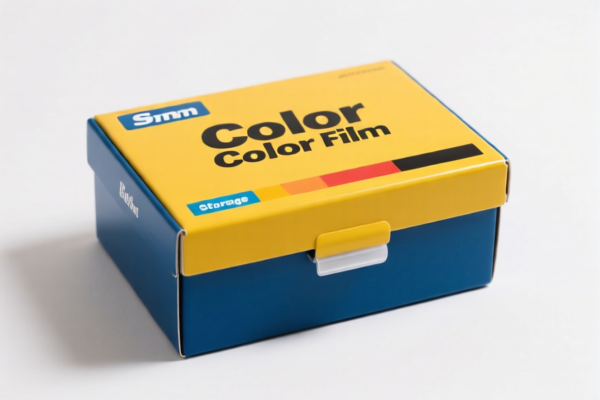
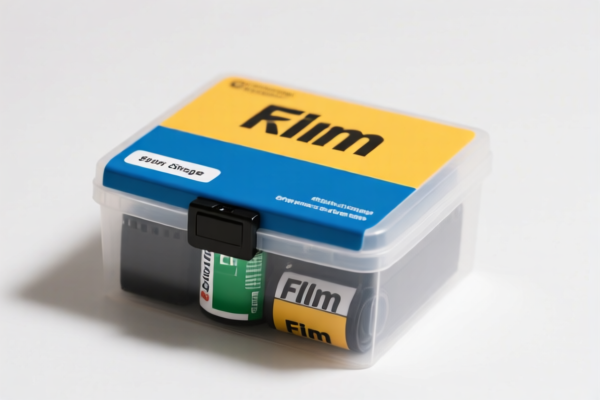
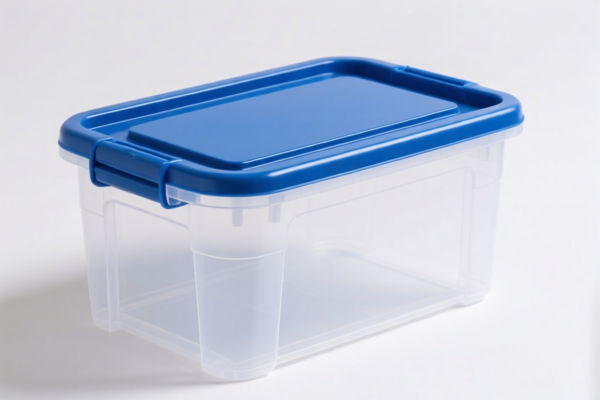
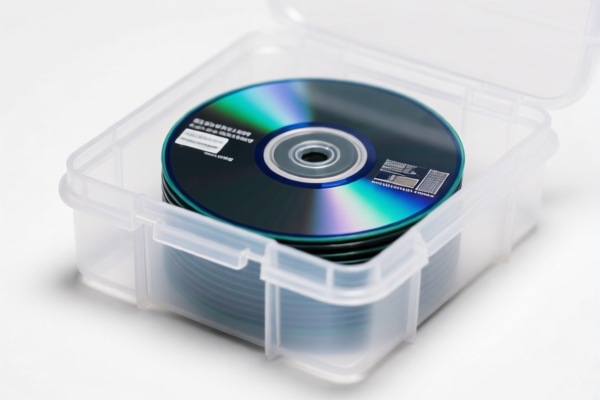
AI Analysis
📦 Color Film Storage Box
🌐 HS Code Reference & Customs Clearance Guide | 2026 Latest Tariff Analysis | Professional Entry Strategies
📌 I. Product Definition & Classification: What is a "Color Film Storage Box"?
A Color Film Storage Box is primarily a protective container designed to preserve light-sensitive media. In international trade, its classification hinges entirely on the material composition. Unlike rigid electronics or complex machinery, these boxes are considered "containers" or "cases."
The critical distinction lies in the material: * Plastic: The most common material due to moisture resistance and cost. * Metal (Steel/Aluminum): Often used for heavy-duty or archival-grade cases. * Wood/Bamboo: Less common for standard consumer film, but possible for premium artisanal boxes.
⚠️ Key Classification Point:
- If the box is Plastic → It falls under Chapter 39 (Plastics).
- If the box is Metal → It falls under Chapter 73 (Articles of Iron or Steel).
- If the box is Wood/Bamboo → It falls under Chapter 44 (Wood and Articles of Wood).
📊 II. HS Code Classification Details (2026 Latest Tariff Authority Cross-Reference)
Based on the provided data, here are the potential HS Codes for a "Color Film Storage Box," categorized by material inference:
| HS Code | Material Inference | Product Description & Logic | Tax Rate (Total) |
|---|---|---|---|
| 3926.90.48.00 | Plastic | Plastic Case/Container. Specifically identified as a "protective box" made of plastic. Fits the "Other articles of plastics" category. Lowest Tax Option. | 13.4% |
| 3926.90.50.00 | Plastic | Plastic Frame/Case. General category for other plastic articles. Includes cases/boxes not specifically listed elsewhere. | 21.3% |
| 4421.91.98.80 | Plastic/Paper/Bamboo | Bamboo/Wood Accessories. Identified as a "protective box" (accessory/container). No material conflict with bamboo/wood items. | 38.3% |
| 4421.99.98.80 | Plastic/Wood | Other Wooden/Wood-like Articles. General "Other" category for wood制品. If made of wood or wood-plastic composite. | 38.3% |
| 7326.90.86.88 | Metal (Steel) | Steel/Aluminum Accessories. General "Other" steel article. High tariff due to 122/Section 301 tariffs on steel/aluminum. | 87.9% |
| 7326.90.35.00 | Metal (Steel) | Steel Container/Case. Specifically for carrying/carry-on containers. High tax burden due to steel/aluminum tariffs. | 92.8% |
🔍 Key Insight:
- Plastic (3926) is the most common and most tax-efficient material for film boxes. - Metal (7326) incurs significantly higher tariffs due to specific US trade laws targeting steel/aluminum products. - Wood/Bamboo (4421) sits in the middle but still carries higher tariffs than plastic due to additional surcharges.
💰 III. 2026 Latest Tariff Rate Breakdown (Including Additional Duties & Policy Surcharges)
✅ Applicable Country: United States (US)
✅ Origin: China (CN)
✅ Effective Date: November 10, 2025 onwards (including subsequent imports)
🎯 1. 3926.90.48.00 —— Plastic Protective Box (Recommended)
| Item | Details |
|---|---|
| Base Tariff | 3.4% (Ad Valorem) |
| Section 301 Surcharge | 0.0% (No additional Section 301 tax for this specific subheading) |
| Section 122 Tariff | +10% (Specific surcharge for certain plastic/chemical goods) |
| Total Tax Rate | 13.4% |
| Calculation | CIF Value × 13.4% |
| De Minimis Eligibility | ❌ Not Eligible (Deny De Minimis for goods subject to Section 122) |
| Legal Path | USITC:3926.90.48.00 → SECTION122:10% |
📌 Explanation:
- This is the most cost-effective classification for plastic film boxes. - The 0% Section 301 status is crucial. Many other plastics fall under higher 301 brackets, but this specific "other plastic article" subheading has a 0% 301 rate. - However, the Section 122 10% tariff applies, making the total 13.4%.
🎯 2. 3926.90.50.00 —— Other Plastic Articles (Frame/Case)
| Item | Details |
|---|---|
| Base Tariff | 3.8% |
| Section 301 Surcharge | 7.5% |
| Section 122 Tariff | +10% |
| Total Tax Rate | 21.3% |
| Calculation | CIF Value × 21.3% |
| De Minimis Eligibility | ❌ Not Eligible |
| Legal Path | USITC:3926.90.50.00 → SECTION301:7.5% → SECTION122:10% |
📌 Note:
- This is a general "catch-all" for plastics. It incurs a 7.5% Section 301 surcharge, making it significantly more expensive than3926.90.48.00. - Avoid this code if3926.90.48.00is applicable.
🎯 3. 4421.91.98.80 / 4421.99.98.80 —— Bamboo/Wood Accessories
| Item | Details |
|---|---|
| Base Tariff | 3.3% |
| Section 301 Surcharge | 25.0% |
| Section 122 Tariff | +10% |
| Total Tax Rate | 38.3% |
| Calculation | CIF Value × 38.3% |
| De Minimis Eligibility | ❌ Not Eligible |
| Legal Path | USITC:4421.99.98.80 → SECTION301:25% → SECTION122:10% |
📌 Warning:
- Even though the base tariff is low (3.3%), the 25% Section 301 tariff on wood/bamboo products from China drives the total up to 38.3%. - Only choose this if the box is genuinely made of bamboo or wood and not plastic.
🎯 4. 7326.90.86.88 / 7326.90.35.00 —— Steel/Aluminum Containers
| Item | Details |
|---|---|
| Base Tariff | 2.9% - 7.8% |
| Section 301 Surcharge | 25.0% + 50% (Steel/Aluminum Specific) |
| Section 122 Tariff | +10% |
| Total Tax Rate | 87.9% - 92.8% |
| Calculation | CIF Value × ~90% |
| De Minimis Eligibility | ❌ Not Eligible |
| Legal Path | USITC:7326.90.86.88 → SECTION301:50% → SECTION122:10% |
📌 Critical Alert:
- Steel and Aluminum products face the highest tariffs. - The 50% Section 301 surcharge for steel/aluminum is punitive. - Do NOT use these codes unless the box is strictly metal. Using them for plastic boxes is fraudulent and leads to severe penalties.
🛠️ IV. Customs Clearance Operational Advice (Practical Pitfall Guide)
✅ 1. Preparation Checklist (Non-Negotiable)
| Document | Required | Explanation |
|---|---|---|
| ✅ Product Specification Sheet | ✔️ | Must clearly state Material (e.g., "100% HDPE Plastic," "Bamboo Wood," "Aluminum Alloy"). |
| ✅ Product Photos | ✔️ | Clear images showing the material texture. Plastic looks different from metal or wood. |
| ✅ Commercial Invoice | ✔️ | Must explicitly say "Plastic Storage Box for Color Film" or "Wooden Storage Box." Do NOT just write "Box." |
| ✅ Material Certification | ✔️ | If claiming "Plastic," provide a supplier declaration stating no steel components. |
| ✅ Packing List | ✔️ | Detail the weight and dimensions. Heavy weight may trigger scrutiny for "dense" materials like metal. |
✅ 2. Declaration Tips (Key Mantra)
🔥 "Material First, Function Second! Plastic Wins, Steel Burns!"
| Scenario | Correct Declaration | Wrong Action |
|---|---|---|
| Plastic Box | HS Code: 3926.90.48.00 |
Declaring as 7326.90.35.00 (Steel) → 92.8% Tax! |
| Metal Box | HS Code: 7326.90.35.00 |
Declaring as 3926.90.48.00 (Plastic) → Fraud/Audit Risk |
| Bamboo Box | HS Code: 4421.91.98.80 |
Declaring as "Plastic" → Misclassification |
| Mixed Material | Check dominant material | If plastic shell + metal hinges, still likely Plastic (3926) if plastic is essential character. |
✅ 3. Special Cases Handling
| Situation | Handling Advice |
|---|---|
| Plastic Box with Metal Hinges/Latches | Still classify as Plastic (3926) if the plastic body is the main component. Disclose metal parts in invoice notes. |
| Custom Engraved Metal Box | Must use Steel Codes (7326). Expect 87.9%+ tax. Consider if aluminum is allowed (same high tax). |
| Bamboo-Wood Composite | Use 4421.99.98.80. Ensure "Bamboo" is clearly stated. |
| De Minimis (Section 321) Claim | ❌ Not Eligible. All these codes are subject to Section 122 or Section 301 tariffs, which override the $800 de minimis exemption for China-origin goods. |
🌍 V. Global Market Comparison (2026 Latest)
| Country/Region | Recommended HS Code | Estimated Tax (China Origin) | Key Certification | Note |
|---|---|---|---|---|
| 🇺🇸 USA | 3926.90.48.00 (Plastic) |
13.4% | None specific for box | Highest cost for Metal (87.9%) |
| 🇨🇳 China | 3926.90.48.00 |
~3.4% | N/A | Low domestic tax |
| 🇪🇺 EU | 3926.90.48.00 |
4.5% + VAT | CE (if electronic, but box is not) | No Section 301 equivalent |
| 🇬🇧 UK | 3926.90.48.00 |
4.5% + VAT | UKCA | Post-Brexit alignment with EU |
| 🇦🇺 Australia | 3926.90.48.00 |
5% | N/A | Low tariff environment |
📌 Conclusion:
- The US market is uniquely punitive for Chinese goods due to Section 301 and Section 122 tariffs. - For other markets, the tax difference between materials is minimal. Focus on accurate material declaration.
📌 VI. Common Mistakes & Pitfall Guide (Lessons Learned)
❌ Mistake 1: Declaring a Plastic Box as a "Container" under Chapter 42 or 48 without specifying material.
👉 Consequence: Customs rejects the declaration, demands correct HS code, delays clearance.
❌ Mistake 2: Using Steel HS Codes (7326) for a Plastic Box to avoid "Plastic" scrutiny.
👉 Consequence: 92.8% Tax applied instead of 13.4%. Overpayment of $1,000+ per $1,000 shipment.
❌ Mistake 3: Ignoring Section 122 Tariffs.
👉 Consequence: Even if Section 301 is 0%, Section 122 (10%) still applies to plastic/wood boxes. Total tax is never just "Base Rate."
❌ Mistake 4: Assuming De Minimis applies.
👉 Consequence: Goods seized or returned. Section 122 and 301 tariffs apply regardless of value <$800.
✅ Correct Approach:
"Plastic Storage Case for Color Film, Model XYZ, Made of HDPE, No Metal Components."
🎯 VII. Conclusion: Precise Classification Saves Money!
🎯 Remember the Mantra:
🔹 "Plastic is King (13.4%), Steel is King of Cost (92.8%), Wood is Middle Ground (38.3%)."
🔹 "Always specify Material! Always check Section 122!"
🔹 "De Minimis is Dead for Chinese Plastic/Wood/Metal Boxes in the US!"
📌 Pro Tip:
- If your storage boxes are made in Vietnam or Thailand, you may still face tariffs, but check for FTZ/Free Trade Zone exemptions or lower Section 301 rates for non-China origin.
- Pre-Ruling: If you are shipping large volumes, apply for an Advance Ruling from US CBP to confirm the HS Code 3926.90.48.00 applies to your specific product design.
📣 Immediate Action:
📞 Contact your customs broker with material specs.
🚀 Declare "Plastic" if possible to hit the 13.4% rate.
💼 Accurate HS Code = Profit Protection!
✨ Professional Clearance, Starting with Precise Classification!
💼 Every Percent of Tax Saved is Pure Profit!
Customer Reviews
About HS Code Classification
The Harmonized System (HS) is an internationally standardized nomenclature developed by the World Customs Organization (WCO) to classify traded products. Over 200 countries use the HS system as the basis for customs tariffs, trade statistics, and import/export regulations.
Each HS code follows a hierarchical structure:
- Chapter (2 digits) — Broad category of goods (e.g., Chapter 84: Machinery and Mechanical Appliances)
- Heading (4 digits) — More specific grouping within the chapter
- Subheading (6 digits) — Internationally standardized breakdown, used by all WCO member countries
- National subdivisions (8-10 digits) — Country-specific extensions for further classification, such as US HTSUS 10-digit codes
Correct HS code classification is essential for smooth customs clearance, accurate duty payment, and compliance with trade regulations. Misclassification can lead to customs delays, overpayment of duties, or penalties.
When importing from CN to US, the applicable tariff rates may include:
- Most-Favored-Nation (MFN) rate — The standard duty rate applied to WTO members
- General rate — Applied to countries without trade agreements
- Trade remedy duties — Additional tariffs such as Section 301 (anti-dumping), Section 232 (national security), or countervailing duties
The information provided on this page is for reference purposes only. For official classification, please consult with your local customs authority or a licensed customs broker.