Color Film for Movie Shooting
CN → US| HS Code | Tariff Rate | Origin | Destination | Doc |
|---|---|---|---|---|
| 3706900060 | 35.0% | CN | US | Official Doc |
| 3704000000 | 35.0% | CN | US | Official Doc |
| 3706106090 | 35.0% | CN | US | Official Doc |
| 3702560030 | 35.0% | CN | US | Official Doc |
| 3702310100 | 38.7% | CN | US | Official Doc |
Product Images
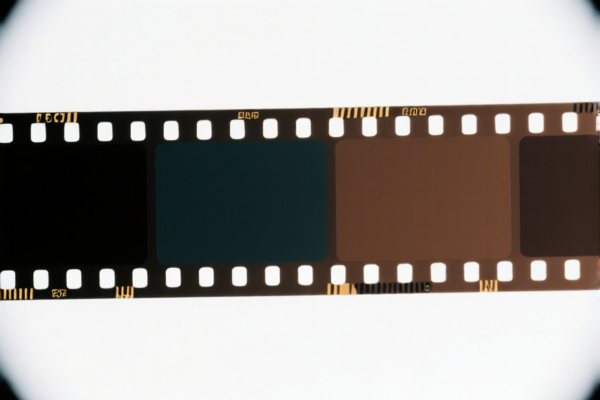
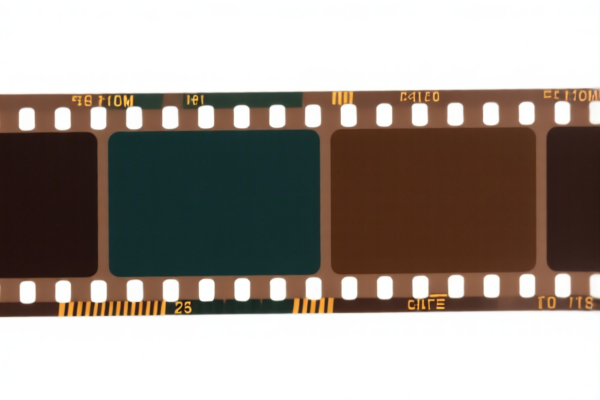

AI Analysis
🎬 Color Film for Movie Shooting (Cinematography Film)
🌐 HS Code Reference & Customs Clearance Guide | 2024-2025 Tax Analysis | Professional Clearance Strategy
📌 1. Product Definition & Classification: Do You Understand "Cinematic Color Film"?
Color film for movie shooting is the core light-sensitive medium for professional cinematography. In international trade, it is categorized based on physical form, exposure status, and specific application.
Key Distinction Points: * Raw/Unexposed vs. Exposed: Is the film "stock" ready to be shot, or has it already been exposed in the camera? * Format & Width: Is it standard 35mm/70mm roll film, or a finished printing copy? * Material Nature: It is strictly a photosensitive material (Chapter 37), NOT plastic film or packaging.
⚠️ Critical Classification Logic:
- Unexposed, Raw Stock: Must be classified under 3702 (Photographic film in rolls).
- Exposed Film (Negative/Intermediate): Classified under 3704 (Developed photographic film).
- Finished Prints/Copies: Classified under 3706 (Motion picture film of any width, exposed and developed).
📦 2. HS Code Classification Details (2024/2025 Tariff Schedule)
| HS Code | Product Description | Scenario | Tax Rate (US Import from CN) | Status |
|---|---|---|---|---|
3702.56.00.30 |
Color film for motion picture purposes (Raw/Unexposed) | Raw film stock for cameras | 35.0% | ✅ Active |
3702.31.01.00 |
Color photographic film in rolls, of a width > 35mm (Other) | Wide format raw stock | 38.7% | ✅ Active |
3704.00.00.00 |
Other film, exposed and developed, of any material (Photographic) | Exposed negatives/intermediates | 35.0% | ✅ Active |
3706.90.00.60 |
Motion picture film of any width, exposed and developed, other | Finished prints/other processed film | 35.0% | ✅ Active |
3706.10.60.90 |
Motion picture film, color, width ≥ 35mm, other than positive copies | Exposed rolls ready for processing | 35.0% | ✅ Active |
🔍 Key Insight:
- Raw Stock (3702): Often lower duty if misclassified, but strictly regulated for chemical content.
- Processed/Exposed (3704/3706): Higher scrutiny on "content" vs. "material."
- Note: All codes listed below attract significant Section 301 and IEEPA tariffs due to US-China trade relations.
💰 3. 2024-2025 Latest Tariff Rate Breakdown (Including Surcharge)
✅ Applicable Country: USA (US)
✅ Country of Origin: China (CN)
✅ Effective Date: Continuous (Post-2018 Trade War & 2025 Extensions)
🎯 1. 3702.56.00.30 —— Color Film for Motion Picture (Raw Stock)
| Item | Content |
|---|---|
| Base Tariff | 0.0% (ad valorem) |
| Section 301 Surcharge | +25% |
| IEEPA Section 122 Surcharge | +10% |
| Total Effective Rate | 35.0% |
| Calculation | CIF Value × 35% |
| De Minimis Eligibility | ❌ No (Denied for Chinese origin) |
| Legal Basis Path | USITC:3702.56.00.30 → SECTION_301 → IEEPA:122 |
📌 Explanation:
- Although the base duty is 0%, the 35% total burden is heavy.
- "122 Clauses" refer to specific IEEPA provisions targeting critical supplies from China.
🎯 2. 3704.00.00.00 —— Exposed Photographic Film
| Item | Content |
|---|---|
| Base Tariff | 0.0% |
| Section 301 Surcharge | +25% |
| IEEPA Section 122 Surcharge | +10% |
| Total Effective Rate | 35.0% |
| Calculation | CIF Value × 35% |
| De Minimis Eligibility | ❌ No |
| Legal Basis Path | USITC:3704.00.00.00 → SECTION_301 → IEEPA:122 |
📌 Note:
- This code captures any material (cellulose, polyester) that is exposed and developed.
- Commonly used for exposed negatives shipped from post-production labs back to the studio for editing.
🎯 3. 3706.90.00.60 & 3706.10.60.90 —— Processed Motion Picture Film
| Item | Content |
|---|---|
| Base Tariff | 0.0% |
| Section 301 Surcharge | +25% |
| IEEPA Section 122 Surcharge | +10% |
| Total Effective Rate | 35.0% |
| Calculation | CIF Value × 35% |
| De Minimis Eligibility | ❌ No |
| Legal Basis Path | USITC:3706.xx → SECTION_301 → IEEPA:122 |
📌 Note:
- Covers 35mm+ width color film that is exposed and developed but not a standard "positive print" (which might have different subcodes).
- Critical for dailies or intermediates shipped between international labs.
🎯 4. 3702.31.01.00 —— Wide Format Raw Color Film (Special Case)
| Item | Content |
|---|---|
| Base Tariff | 3.7% |
| Section 301 Surcharge | +25% |
| IEEPA Section 122 Surcharge | +10% |
| Total Effective Rate | 38.7% |
| Calculation | CIF Value × 38.7% |
| De Minimis Eligibility | ❌ No |
| Legal Basis Path | USITC:3702.31.01.00 → SECTION_301 → IEEPA:122 |
📌 Why Higher?
- This code often applies to specific widths (>35mm) or non-standard raw stock that does not fit the general "motion picture" exemption logic.
- Always verify width to avoid this higher bracket if possible.
🛠️ 4. Customs Clearance Practical Advice (Pitfall Avoidance Guide)
✅ 1. Documentation Checklist (Non-Negotiable)
| Document | Required | Description |
|---|---|---|
| ✅ Commercial Invoice | ✔️ | Must specify "Unexposed" or "Exposed" clearly. |
| ✅ Packing List | ✔️ | Detail quantity in feet/meters and number of rolls. |
| ✅ Product Data Sheet | ✔️ | Include ISO speed, chemical base (Acetate/PET), and emulsion details. |
| ✅ Certificate of Origin | ✔️ | Essential for claiming any potential exclusions (if applicable). |
| ✅ Import License (if needed) | ✔️ | Some chemicals in film emulsion may trigger EPA/USDA checks. |
✅ 2. Declaration Strategy (Key Mantras)
🔥 "Raw is 3702, Exposed is 3704/06. Never mix! Specify Width! Know the Base!"
| Scenario | Correct HS Code | Risk if Wrong |
|---|---|---|
| Raw film in camera ready | 3702.56.00.30 |
Underpayment penalties if declared as exposed. |
| Exposed rolls from shoot | 3704.00.00.00 |
Misclassification as "raw" can lead to fraud charges. |
| 35mm Color Positive Print | 3706.10.60.90 |
Confusion with raw film → Delayed release. |
| Wide Format (>35mm) Raw | 3702.31.01.00 |
Higher tax (38.7%) if width not verified. |
✅ 3. Special Circumstances
| Situation | Handling Advice |
|---|---|
| OEM Film from Lab | Ensure invoice distinguishes between "Material Cost" and "Processing Fee" if applicable. |
| Chemical Restrictions | Film emulsion contains silver halides. Ensure no hazardous chemical declarations are missed. |
| Samples for Review | Even small samples are subject to full tariff unless under specific de minimis (which is denied here). |
🌍 5. Global Market Comparison (2024-2025)
| Region | Recommended HS | Est. Total Duty (CN Origin) | Notes |
|---|---|---|---|
| 🇺🇸 USA | 3702.56.00.30 |
35.0% - 38.7% | High Section 301 + IEEPA 122. |
| 🇨🇳 China | 3702.56.00.30 |
~6-10% | Import duty + VAT. No US-style surcharges. |
| 🇪🇺 EU | 3702.56.00.30 |
~0-6.5% | Standard MFN rate. No 301 tariffs. |
| 🇬🇧 UK | 3702.56.00.30 |
~0-6.5% | Post-Brexit tariff schedule similar to EU. |
📌 Conclusion:
- USA is the most expensive market for importing color film from China due to Section 301 & IEEPA 122.
- EU/UK are significantly cheaper for logistics and duty costs.
- Consider transshipment or final processing in non-US countries if volume is high (consult legal counsel for rules of origin).
📌 6. Common Mistakes & Pitfalls (Lessons Learned)
❌ Mistake 1: Declaring "Exposed Film" as "Raw Film"
👉 Consequence: Customs may suspect undervaluation or misclassification. Penalties + Back Taxes!
❌ Mistake 2: Ignoring "Width" in Description
👉 Consequence: If declared as "35mm" but actually 65mm, you might be hit with 38.7% instead of 35.0%.
❌ Mistake 3: Assuming "De Minimis" Applies
👉 Consequence: Shipments under $800 from China ARE NOT EXEMPT from Section 301/IEEPA tariffs. Full duty applies.
❌ Mistake 4: Vague Description ("Photographic Film")
👉 Consequence: CBP (US Customs) will request detailed specs, causing Delays of Weeks.
✅ Correct Practice:
"Motion Picture Color Film, Unexposed, 35mm Width, Polyester Base, Roll Stock, HS 3702.56.00.30, Origin: China"
🎯 7. Conclusion: Precise Classification Saves Costs!
🎯 Remember:
🔹 "Raw = 3702, Exposed = 3704/06."
🔹 "35% Base Rate + 301/122 Surcharge = 35-38.7% Total."
🔹 "No De Minimis for China! Declare Accurately!"
📌 Pro Tip:
If you are importing large volumes, consider Advance Rulings from US Customs (CBP) to lock in the classification and avoid future disputes.
For high-value productions, consult a trade compliance attorney to explore potential exclusion petitions (if any remain active).
📣 Immediate Action:
📞 Contact a Freight Forwarder with experience in chemical/photosensitive goods.
📄 Prepare Detailed Specs (Width, Base, Exposure Status).
🚀 Ensure Clean Clearance to avoid production delays in post-production.
✨ Professional Clearance Starts with Precise Classification!
💼 Every Percent of Tariff Counts in Cinematography Budgets!
Customer Reviews
About HS Code Classification
The Harmonized System (HS) is an internationally standardized nomenclature developed by the World Customs Organization (WCO) to classify traded products. Over 200 countries use the HS system as the basis for customs tariffs, trade statistics, and import/export regulations.
Each HS code follows a hierarchical structure:
- Chapter (2 digits) — Broad category of goods (e.g., Chapter 84: Machinery and Mechanical Appliances)
- Heading (4 digits) — More specific grouping within the chapter
- Subheading (6 digits) — Internationally standardized breakdown, used by all WCO member countries
- National subdivisions (8-10 digits) — Country-specific extensions for further classification, such as US HTSUS 10-digit codes
Correct HS code classification is essential for smooth customs clearance, accurate duty payment, and compliance with trade regulations. Misclassification can lead to customs delays, overpayment of duties, or penalties.
When importing from CN to US, the applicable tariff rates may include:
- Most-Favored-Nation (MFN) rate — The standard duty rate applied to WTO members
- General rate — Applied to countries without trade agreements
- Trade remedy duties — Additional tariffs such as Section 301 (anti-dumping), Section 232 (national security), or countervailing duties
The information provided on this page is for reference purposes only. For official classification, please consult with your local customs authority or a licensed customs broker.