Color Film for Scientific Use
CN → US| HS Code | Tariff Rate | Origin | Destination | Doc |
|---|---|---|---|---|
| 3702310100 | 38.7% | CN | US | Official Doc |
| 3702520130 | 38.7% | CN | US | Official Doc |
| 3704000000 | 35.0% | CN | US | Official Doc |
| 3701910030 | 38.7% | CN | US | Official Doc |
| 3701910060 | 38.7% | CN | US | Official Doc |
Product Images
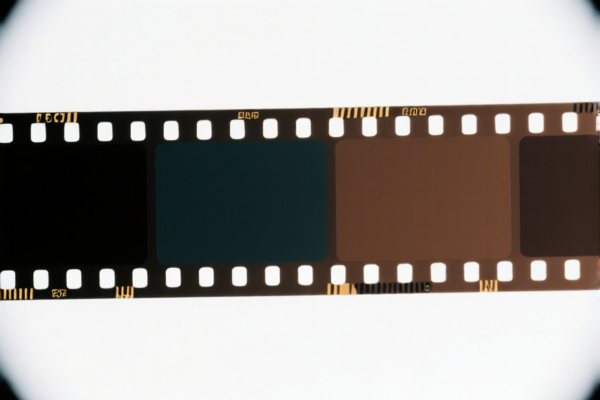
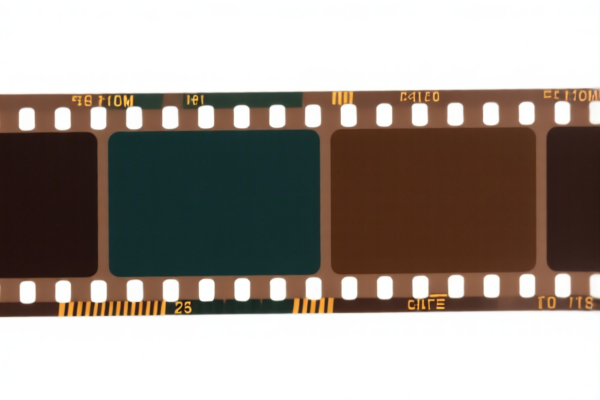
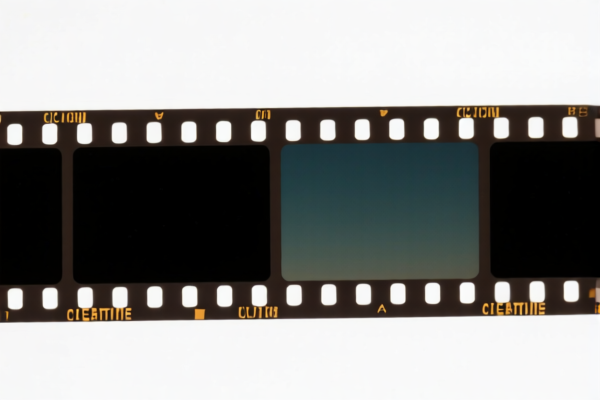

AI Analysis
🎞️ Color Film for Scientific Use
🌐 HS Code Reference & Customs Clearance Guide | 2026 Latest Tariff Analysis | Professional Clearance Strategy
📌 I. Product Definition & Classification: Do You Really Understand "Scientific Color Film"?
Color film intended for scientific applications refers to photosensitive materials (photographic film) used in laboratories, medical imaging, microscopy, or industrial inspection rather than for general artistic or consumer photography. In international trade, it falls under Chapter 37 (Photographic or cinematographic goods). The critical distinction lies in its form (exposed/unexposed), color type (negative/reversal), and base material.
⚠️ Key Distinction Points:
- Unexposed vs. Exposed: Unexposed film is classified under HS codes starting with3701,3702, or3703. Exposed but undeveloped film typically falls under3704.
- Negative vs. Reversal: "Negative" film develops into a negative image (standard photography); "Reversal" (slide) film develops into a positive image.
- Scientific Use: While "scientific use" is the application, customs classification relies on physical characteristics (color, base type) rather than end-use. However, accurate description helps avoid misclassification as general consumer goods.
📦 II. HS Code Classification Details (2026 Latest Tariff Authority Comparison)
Based on the provided data, here are the potential HS Codes for "Color Film for Scientific Use," depending on specific physical attributes:
| HS Code | Product Description | Applicable Scenario | Base Material/Type |
|---|---|---|---|
3701.91.00.30 |
Sensitized photographic plate and film, other than paper, paperboard, or textile; Color, for photographic use, in plates or films, exposed but not developed | Exposed but undeveloped color film | Non-paper/non-textile base |
3701.91.00.60 |
Sensitized photographic plate and film, other than paper, paperboard, or textile; Color, for photographic use, in plates or films, unexposed | Unexposed color film (non-paper/non-textile) | Non-paper/non-textile base |
3702.31.01.00 |
Photographic film in rolls, sensitized, unexposed; Of a width > 105mm, containing no perforations, for color negative processes | Unexposed Color Negative Roll Film | Standard photographic film |
3702.52.01.30 |
Photographic film in rolls, sensitized, unexposed; Of a width > 105mm, containing no perforations, for color positive (reversal) processes | Unexposed Color Reversal (Slide) Film | Standard photographic film |
3704.00.00.00 |
Photographic plates and film, exposed but not developed; Other | Exposed but undeveloped film (generic fallback) | Any base (if not meeting 3701/3702 specifics) |
🔍 Critical Reminder:
- Unexposed Film (used in labs for new tests) generally falls under 3701 or 3702.
- Exposed but Undeveloped Film (samples already taken) falls under 3704 or 3701.91.
- "Scientific Use" is not a standalone HS Code: You must identify if it is Negative (3702.31) or Reversal (3702.52), and whether it is Unexposed or Exposed.
💰 III. 2026 Latest Tariff Rate Details (Including Additional Taxes & Policy Add-ons)
✅ Applicable Country: United States (US)
✅ Country of Origin: China (CN)
✅ Effective Time: From November 10, 2025 (including subsequent imports)
🎯 1. Unexposed Color Negative Film (3702.31.01.00)
| Item | Details |
|---|---|
| Base Tariff | 3.7% (ad valorem) |
| Section 301 Additional Tariff | +25.0% (USITC Footnote) |
| Section 122 Tariff | +10.0% (Specific to certain photographic goods) |
| Total Tax Rate | 38.7% |
| Tax Calculation | CIF Value × 38.7% |
| De Minimis Exemption | ❌ Not Applicable (High duty rate) |
| Legal Basis Path | Base Rate + Section 301:9903.88.01 + Section 122 |
📌 Explanation:
- The 3.7% base rate applies to photographic film.
- The 25% Section 301 tariff is the major cost driver for Chinese-origin goods.
- The 10% Section 122 tariff is an additional layer often applied to specific photographic materials.
- Total: 38.7%. This is a significant cost factor for scientific supplies from China.
🎯 2. Unexposed Color Reversal (Slide) Film (3702.52.01.30)
| Item | Details |
|---|---|
| Base Tariff | 3.7% |
| Section 301 Additional Tariff | +25.0% |
| Section 122 Tariff | +10.0% |
| Total Tax Rate | 38.7% |
| Tax Calculation | CIF Value × 38.7% |
| De Minimis Exemption | ❌ Not Applicable |
| Legal Basis Path | Same as above |
📌 Note:
- Color reversal film (often used in microscopy or high-precision scientific imaging) carries the same tax rate as color negative film.
- Do not assume "specialty scientific film" has lower duties; unless it qualifies for specific HTUS exemptions (rare), it follows the general film tariff structure.
🎯 3. Exposed but Undeveloped Film (3704.00.00.00)
| Item | Details |
|---|---|
| Base Tariff | 0.0% |
| Section 301 Additional Tariff | +25.0% |
| Section 122 Tariff | +10.0% |
| Total Tax Rate | 35.0% |
| Tax Calculation | CIF Value × 35.0% |
| De Minimis Exemption | ❌ Not Applicable |
| Legal Basis Path | Base Rate: 0% + Section 301 + Section 122 |
📌 Explanation:
- The base duty for "Other" exposed/undeveloped film is 0%.
- However, the Section 301 (25%) and Section 122 (10%) still apply.
- Total: 35.0%. Slightly cheaper than unexposed film, but still substantial.
🎯 4. Exposed Color Film under 3701.91 (3701.91.00.30 / 3701.91.00.60)
Note: The provided data links 3701.91 codes with 38.7% tax, implying they are treated similarly to unexposed rolls in this specific dataset context, or perhaps the data implies these are unexposed sub-categories. If they are truly exposed, the base rate might be lower, but per the provided DATA, the total is 38.7%.
| Item | Details |
|---|---|
| Total Tax Rate | 38.7% |
| Composition | Base: 3.7% + 301: 25.0% + 122: 10.0% |
| Status | Matches "Sensitized photographic film... color" |
📌 Critical Clarification:
- If the film is Unexposed and fits the description of "Color, for photographic use... unexposed" (HS 3701.91), it falls under 38.7%.
- If the film is Exposed, it typically falls under 3704.00.00.00 (35.0%).
- Always verify if the film is exposed or unexposed before declaring. Misdeclaration can lead to severe penalties.
🛠️ IV. Customs Clearance Practical Advice (实战避坑指南)
✅ 1. Required Documentation Checklist
| Document | Required | Description |
|---|---|---|
| ✅ Product Specification Sheet | ✔️ | Must clearly state: "Color Film," "Scientific/Laboratory Use," Dimensions, Sensitivity (ISO), Base Type (Polyester/Cellulose Acetate). |
| ✅ Commercial Invoice | ✔️ | Clearly describe as "Photographic Film, Color, Unexposed/Exposed, For Scientific Use." Avoid vague terms like "Film." |
| ✅ Packing List | ✔️ | Detail contents per box. Separate rolls if necessary. |
| ✅ Certificate of Origin (CO) | ✔️ | If originating from China, CO may be required for duty determination. |
| ✅ Labeling/Marking | ✔️ | Film canisters/boxes should show manufacturer, batch number, and expiration date. |
✅ 2. Declaration Tips (Key Mantra)
🔥 "Exposure Status is King, Base Material Matters, Description Must Be Precise!"
| Scenario | Correct Declaration | Wrong Practice |
|---|---|---|
| Unexposed Negative Film | 3702.31.01.00 - "Color Negative Film Rolls, Unexposed" |
Misdeclaring as "Exposed" → Wrong tax rate |
| Unexposed Reversal Film | 3702.52.01.30 - "Color Reversal Film Rolls, Unexposed" |
Misdeclaring as "Negative" → Potential audit flag |
| Exposed Undeveloped Film | 3704.00.00.00 - "Photographic Film, Exposed, Undeveloped" |
Misdeclaring as "Unexposed" → 3.7% base vs 0% base risk |
| Film for Medical Imaging | Still 3702 or 3704 unless specifically exempt |
Assuming "Medical" = 0% duty without proof |
✅ 3. Special Circumstances
| Situation | Handling Advice |
|---|---|
| Small Sample Sizes (<600g) | Even if small, high duty rates (35-38.7%) apply. De minimis ($800) may NOT apply if the value exceeds $800 OR if the HS code is restricted. Check if the specific HS code is excluded from de minimis. |
| OEM Custom Film | Provide manufacturing specs. If it's not standard photographic film (e.g., specialized X-ray film not classified as 3702), consult a specialist. However, most "color film" falls under 3702. |
| Expiration Date | Customs may inspect older stock. Ensure validity to avoid rejection for "unsalable goods." |
| Scientific vs. Consumer | Do not rely on "Scientific Use" for lower duties. The physical form determines the HS code. |
🌍 V. Global Market Clearance Comparison (2026 Latest)
| Country/Region | Recommended HS Code | Tariff (China Origin) | Certification Requirements | Notes |
|---|---|---|---|---|
| 🇺🇸 USA | 3702.31.01.00 / 3704.00.00.00 |
35.0% - 38.7% | None specific for film | High duty due to Section 301 & 122 |
| 🇨🇳 China | 3702.31.01.00 |
2.0% - 5.0% | None | Low duty, no Section 301 |
| 🇪🇺 EU | 3702.31.00 |
0% | REACH (if chemicals involved) | Generally low/zero duty for film |
| 🇬🇧 UK | 3702.31.00 |
0% | UKCA (if packaging) | Post-Brexit, generally favorable |
| 🇦🇺 Australia | 3702.31.00 |
5.0% | Therapeutic Goods (if medical) | Moderate duty |
📌 Conclusion:
- USA is the most expensive market for Chinese-origin color film due to Section 301 (25%) and Section 122 (10%) tariffs.
- EU and UK offer significant duty savings (0%), making them more attractive for re-export or direct sale.
- Supply Chain Strategy: Consider sourcing film from Vietnam, Thailand, or India to avoid US Section 301 tariffs, if feasible.
📌 VI. Common Errors & Pitfalls (Lessons Learned)
❌ Error 1: Declaring "Color Film" without specifying Exposure Status
👉 Consequence: Customs cannot determine if it's 3701/3702 (Unexposed, ~3.7% base) or 3704 (Exposed, 0% base). Leads to delay and potential overpayment.
❌ Error 2: Using "Scientific Equipment" as the product name
👉 Consequence: Misclassification. Film is not equipment. It is a photographic good. May lead to penalty for false declaration.
❌ Error 3: Assuming De Minimis ($800) applies automatically
👉 Consequence: If the HS code is restricted or the value exceeds $800, full duty applies. High duty rates make this costly.
❌ Error 4: Ignoring Section 122 Tariff
👉 Consequence: Many importers forget the additional 10% for certain photographic goods. Results in unexpected costs at clearance.
✅ Correct Practice:
"Color Photographic Film, Unexposed, Negative Type, Polyester Base, 35mm Roll, For Laboratory Use, Origin: China"
🎯 VII. Conclusion: Professional Declaration, Save Time, Reduce Costs!
🎯 Remember the Mantra:
🔹 "Unexposed = 3.7% Base + 35% Add-ons = 38.7%"
🔹 "Exposed = 0% Base + 35% Add-ons = 35.0%"
🔹 "Total Duty = Base + 301 (25%) + 122 (10%)"
🔹 "HS Code Depends on Exposure and Color Type, NOT Just 'Scientific'"
📌 Tips:
- If your film is critical for scientific research, consider applying for a Tariff Engineering opinion if the film is not "standard" photographic film (e.g., specialized X-ray color film might have different codes).
- Pre-clearance Ruling: For large volumes, apply for an Advance Ruling from CBP to confirm the HS code and duty rate.
📣 Immediate Action:
📞 Contact a licensed customs broker + Provide Film Specs + Verify Exposure Status
🚀 Ensure your scientific supplies clear US customs efficiently and cost-effectively!
✨ Professional clearance starts with accurate classification!
💼 Every percent of duty counts in your scientific budget!
Customer Reviews
About HS Code Classification
The Harmonized System (HS) is an internationally standardized nomenclature developed by the World Customs Organization (WCO) to classify traded products. Over 200 countries use the HS system as the basis for customs tariffs, trade statistics, and import/export regulations.
Each HS code follows a hierarchical structure:
- Chapter (2 digits) — Broad category of goods (e.g., Chapter 84: Machinery and Mechanical Appliances)
- Heading (4 digits) — More specific grouping within the chapter
- Subheading (6 digits) — Internationally standardized breakdown, used by all WCO member countries
- National subdivisions (8-10 digits) — Country-specific extensions for further classification, such as US HTSUS 10-digit codes
Correct HS code classification is essential for smooth customs clearance, accurate duty payment, and compliance with trade regulations. Misclassification can lead to customs delays, overpayment of duties, or penalties.
When importing from CN to US, the applicable tariff rates may include:
- Most-Favored-Nation (MFN) rate — The standard duty rate applied to WTO members
- General rate — Applied to countries without trade agreements
- Trade remedy duties — Additional tariffs such as Section 301 (anti-dumping), Section 232 (national security), or countervailing duties
The information provided on this page is for reference purposes only. For official classification, please consult with your local customs authority or a licensed customs broker.