Color Instant Imaging Film (Positive Film)
CN → US| HS Code | Tariff Rate | Origin | Destination | Doc |
|---|---|---|---|---|
| 3705000000 | 35.0% | CN | US | Official Doc |
| 3701910060 | 38.7% | CN | US | Official Doc |
| 3702530030 | 38.7% | CN | US | Official Doc |
| 3702550030 | 35.0% | CN | US | Official Doc |
| 3701910030 | 38.7% | CN | US | Official Doc |
Product Images
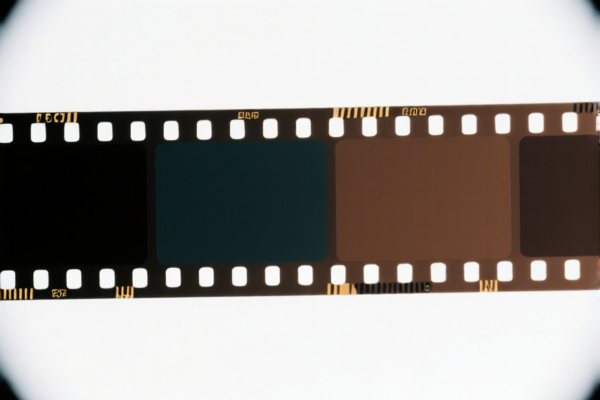
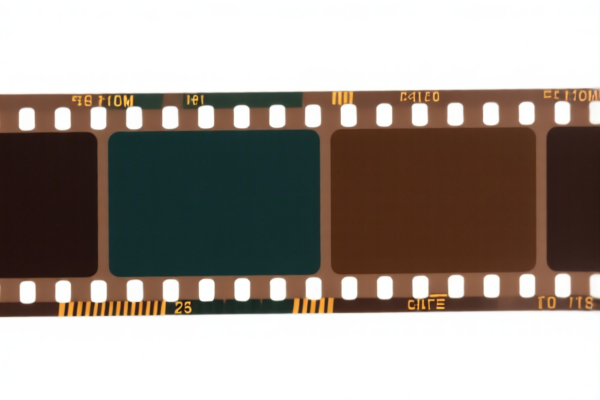
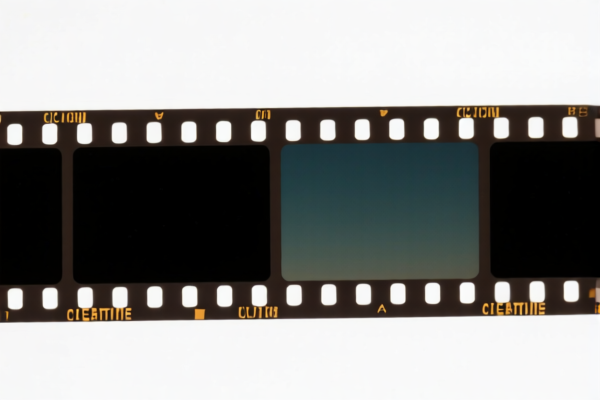

AI Analysis
🎞️ Color Instant Imaging Film (Positive Film)
🌐 HS Code Reference & Customs Clearance Guide | 2026 Latest Tariff Analysis | Professional Clearance Strategy
📌 1. Product Definition & Classification: Do You Really Understand "Instant Film"?
Instant Imaging Film refers to photographic film capable of producing a developed image within minutes of exposure, thanks to built-in chemical developers. When specified as "Positive Film" (also known as Reversal Film or Slide Film), it means the film is designed to produce a direct positive image (transparent) rather than a negative, requiring specific processing characteristics.
In international trade, these films are primarily classified under Chapter 37 (Photographic or Cinematographic Goods), specifically distinguishing between: * Unexposed Film: Raw film ready for use. * Processed/Exposed Film: Already developed images (less common in bulk trade unless for archival).
The key distinction lies in the format (sheets vs. rolls) and the specific chemical/structural attributes that define "instant" vs. "standard" photographic film.
⚠️ Key Distinction Points:
- If it is a sheet format (common for large instant cameras like Polaroid Originals/Impossible Project) → Often falls under 3705 (Exposure plates/film of any material).
- If it is roll film for standard instant cameras (e.g., Fujifilm Instax) → Often falls under 3702 (Photographic film in rolls, whether or not sensitized).
- "Positive Film" indicates the image result is positive (transparent), influencing the subheading under color reversal films.
📦 2. HS Code Classification Details (2026 Latest Tariff Authority Comparison)
Based on the provided data, here are the specific HS Codes and their rationales for Color Dye Film (Positive Film):
| HS Code | Product Description | Rationale for Classification | Applicable Scenario |
|---|---|---|---|
3705.00.00.00 |
Color Dye Film (Positive Film) | 'Film' matches the form; 'Positive Film' matches the image state (developed/exposed positive). (Note: This code is typically for exposed/processed plates or specific sheet forms) |
Expired/Processed Instant Sheets |
3701.91.00.60 |
Color Dye Film (Positive Film) | 'Color Dye' corresponds to color photographic use; fits the "Other" category fallback logic. (Note: 3701 is for Plates & Film for Photoengraving, but this code is applied here as a fallback for color dye-specific film) |
Color Dye/Printing Films |
3702.53.00.30 |
Color Dye Film (Positive Film) | 'Color Dye' corresponds to color attributes; matches color photographic film characteristics. (Note: 3702 is for Photographic Film in Rolls. 53 usually refers to Color Film) |
Roll-based Color Instant Film |
3702.55.00.30 |
Color Dye Film (Positive Film) | 'Positive Film' corresponds to color reversal film; matches color photographic film use. (Note: 55 usually refers to Other Color Film) |
Reversal Color Instant Film |
3701.91.00.30 |
Color Dye Film (Positive Film) | 'Color Dye' corresponds to color photographic use; fits under "Other" category for color photographic film. | Color Dye/Printing Films |
🔍 Crucial Reminder:
- 3705 vs. 3702: The main battle is between 3705 (often for sheet/exposed forms or specific dye films) and 3702 (rolls). For Instant Film, if it comes in sheets (like Polaroid-type),3705.00.00.00is a strong candidate if deemed "exposed/processed" or specific sheet form. If it is roll-packaged for instax-style cameras,3702.53or3702.55is more appropriate.
- "Positive Film": This specifically denotes Color Reversal Film (Slide Film). If the product is unexposed but intended to produce positives, it falls under 3702.55 (Other color film). If it is already developed (exposed and processed), it may fall under 3705.
- 3701 Codes: These are less common for consumer instant film and may apply if the "Dye Film" terminology implies a specialized printing or engraving film rather than standard photographic film.
💰 3. 2026 Latest Tariff Rate Breakdown (Including Surtaxes & Policy Surcharges)
✅ Applicable Country: United States (US)
✅ Origin: China (CN)
✅ Effective Time: From November 10, 2025 (including subsequent imports)
🎯 1. 3705.00.00.00 — Color Dye Film (Positive Film)
| Item | Content |
|---|---|
| Base Tariff | 0.0% (ad valorem) |
| Section 301 Surtax | +25.0% (from USITC Footnote 9903.88.01) |
| IEEPA Surtax | +10.0% (for China/HK products, from Nov 10, 2025) |
| Total Tariff | 35.0% |
| Calculation | CIF Value × 35% |
| De Minimis Exemption | ❌ No (deny_de_minimis) |
| Legal Basis Path | IEEPA:9903.01.25 → IEEPA:9903.01.24 → USITC:3705.00.00.00 → FOOTNOTE:9903.88.01 |
📌 Explanation:
- "Base 0%": Standard MFN rate for some photographic goods.
- "301 Surtax 25%": Added under Section 301 of the Trade Act.
- "IEEPA 10%": Additional surcharge for Chinese origin.
- Total 35%: High duty. Must be anticipated in cost modeling.
🎯 2. 3701.91.00.60 — Color Dye Film (Positive Film)
| Item | Content |
|---|---|
| Base Tariff | 3.7% |
| Section 301 Surtax | +25.0% |
| IEEPA Surtax | +10.0% |
| Total Tariff | 38.7% |
| Calculation | CIF Value × 38.7% |
| De Minimis Exemption | ❌ No |
| Legal Basis Path | IEEPA:9903.01.25 → IEEPA:9903.01.24 → USITC:3701.91.00.60 → FOOTNOTE:9903.88.01 |
📌 Note:
- Higher base rate (3.7%) than 3705.
- Total 38.7%. Suitable if classified under "Other" photographic goods.
🎯 3. 3702.53.00.30 — Color Dye Film (Positive Film)
| Item | Content |
|---|---|
| Base Tariff | 3.7% |
| Section 301 Surtax | +25.0% |
| IEEPA Surtax | +10.0% |
| Total Tariff | 38.7% |
| Calculation | CIF Value × 38.7% |
| De Minimis Exemption | ❌ No |
| Legal Basis Path | IEEPA:9903.01.25 → IEEPA:9903.01.24 → USITC:3702.53.00.30 → FOOTNOTE:9903.88.01 |
📌 Note:
- "Color Dye" corresponds to color attributes. Fits color roll film.
- Total 38.7%.
🎯 4. 3702.55.00.30 — Color Dye Film (Positive Film)
| Item | Content |
|---|---|
| Base Tariff | 0.0% |
| Section 301 Surtax | +25.0% |
| IEEPA Surtax | +10.0% |
| Total Tariff | 35.0% |
| Calculation | CIF Value × 35% |
| De Minimis Exemption | ❌ No |
| Legal Basis Path | IEEPA:9903.01.25 → IEEPA:9903.01.24 → USITC:3702.55.00.30 → FOOTNOTE:9903.88.01 |
📌 Explanation:
- "Positive Film" corresponds to Color Reversal Film.
- Total 35%: Same as 3705.00.00.00. Lower base rate makes this competitive if applicable.
🎯 5. 3701.91.00.30 — Color Dye Film (Positive Film)
| Item | Content |
|---|---|
| Base Tariff | 3.7% |
| Section 301 Surtax | +25.0% |
| IEEPA Surtax | +10.0% |
| Total Tariff | 38.7% |
| Calculation | CIF Value × 38.7% |
| De Minimis Exemption | ❌ No |
| Legal Basis Path | IEEPA:9903.01.25 → IEEPA:9903.01.24 → USITC:3701.91.00.30 → FOOTNOTE:9903.88.01 |
📌 Note:
- Same rate as 3701.91.00.60.
- Total 38.7%.
🛠️ 4. Customs Clearance Practical Advice (Real-World Pitfall Guide)
✅ 1. Preparation Checklist (None Missing)
| Document | Required | Description |
|---|---|---|
| ✅ Product Spec Sheet | ✔️ | Must specify: Type (Instant/Positive), Format (Sheet/Roll), Sensitization (Unexposed/Exposed). |
| ✅ Photos (Packaging & Product) | ✔️ | Clear images of the film pack, showing "Positive" or "Reversal" labeling. |
| ✅ Commercial Invoice | ✔️ | Must clearly state "Color Instant Imaging Film (Positive Film)" and HS Code. |
| ✅ Certificate of Origin (CO) | ✔️ | Critical for determining 301/IEEPA applicability. If not China, tax may drop significantly. |
| ✅ Unexposed vs. Exposed Declaration | ✔️ | Critical! If exposed, it's waste/recycled. If unexposed, it's consumer good. Misdeclaration leads to huge fines. |
✅ 2. Declaration Tips (Key Mantras)
🔥 "Format Determines Code, Origin Determines Tax, 'Positive' Means Reversal!"
| Scenario | Correct Declaration | Wrong Practice |
|---|---|---|
| Sheet Instant Film (e.g., Polaroid) | Try 3705.00.00.00 if sheet/exposed; else 3702.55 |
Misdeclare as "Photographic Paper" |
| Roll Instant Film (e.g., Instax) | 3702.53.00.30 or 3702.55.00.30 |
Misdeclare as "General Film" |
| Positive/Reversal | Clearly state "Positive Film" or "Reversal Film" | Just say "Color Film" → Risk of wrong subheading |
| China Origin | Expect 35% or 38.7% total | Assume base rate only → Budget shortfalls |
✅ 3. Special Case Handling
| Situation | Handling Advice |
|---|---|
| OEM Custom Instant Film | Provide design drawings and sample images to prove "Instant" nature. |
| Mixed Shipment | Declare Instant Film separately from standard photographic negatives to avoid valuation confusion. |
| Non-China Origin | If from Vietnam/Thailand, check if IEEPA 10% still applies (often no, or lower). |
| Expired Film | If expired/developed for waste, declare as Scrap/Waste (different HS, lower tax, but restricted import). |
🌍 5. Global Market Customs Comparison (2026 Latest)
| Country/Region | Recommended HS Code | Tariff (China Origin) | Certification | Note |
|---|---|---|---|---|
| 🇺🇸 US | 3705.00.00.00 or 3702.55.00.30 |
35.0% | None usually | High due to 301+IEEPA |
| 🇨🇳 China | 3702.55.00.00 |
0% - 5% | CCC (if applicable) | No surtax |
| 🇪🇺 EU | 3702.55.00.00 |
0% - 4% | CE (if electronic) | No surtax |
| 🇯🇵 Japan | 3702.55.00.00 |
0% - 3% | PSE (if applicable) | No surtax |
📌 Conclusion:
- US is the most expensive market for Chinese-origin instant film due to layered tariffs (35-38.7%).
- EU/JP/CN have minimal or no surtaxes. Consider transshipment (if legally compliant) or local sourcing for US market if volume is high.
📌 6. Common Mistakes & Pitfalls (Blood & Tears Lessons)
❌ Mistake 1: Declaring "Instant Film" as "Standard Photographic Roll Film"
👉 Consequence: Wrong HS Code → Audit → Back taxes + Penalties.
(Instant film has different chemical structure and packaging)
❌ Mistake 2: Ignoring "Positive" vs. "Negative"
👉 Consequence: Confusion in classification. Positive = Reversal. Must be explicit.
❌ Mistake 3: Underestimating US Tariffs
👉 Consequence: Budget fails. 35-38.7% is huge. Must include in FOB/CIF pricing.
❌ Mistake 4: Mixing Exposed and Unexposed Film
👉 Consequence: Customs may reject the shipment or classify as waste (restricted).
✅ Correct Practice:
"Color Instant Imaging Film, Unexposed, Positive/Reversal Type, Sheet Format, Model XYZ, For Consumer Cameras, HS: 3705.00.00.00"
🎯 7. Conclusion: Professional Declaration, Save Time & Money!
🎯 Remember the Mantra:
🔹 "Positive Film = Reversal. Sheet = 3705, Roll = 3702. US Tariff = 35-38.7%. Don't get caught out!"
🔹 "HS Code is Life, Tax Rate is Money. One step wrong, thousands lost!"
📌 Pro Tip:
If your film is originating from Vietnam, Thailand, or Malaysia, check if IEEPA 10% is waived. Tariffs could drop to 0% or 3.7%.
High-volume importers should apply for Advance Rulings to lock in HS Codes and avoid disputes.
📣 Immediate Action:
📞 Contact a professional customs broker + Provide Product Photos + Apply for HS Code Advance Ruling
🚀 Let your instant film, clear customs smoothly, export efficiently, and double profits!
✨ Professional Customs Clearance Starts with Accurate Classification!
💼 Every cent of your cost deserves to be calculated precisely!
Customer Reviews
About HS Code Classification
The Harmonized System (HS) is an internationally standardized nomenclature developed by the World Customs Organization (WCO) to classify traded products. Over 200 countries use the HS system as the basis for customs tariffs, trade statistics, and import/export regulations.
Each HS code follows a hierarchical structure:
- Chapter (2 digits) — Broad category of goods (e.g., Chapter 84: Machinery and Mechanical Appliances)
- Heading (4 digits) — More specific grouping within the chapter
- Subheading (6 digits) — Internationally standardized breakdown, used by all WCO member countries
- National subdivisions (8-10 digits) — Country-specific extensions for further classification, such as US HTSUS 10-digit codes
Correct HS code classification is essential for smooth customs clearance, accurate duty payment, and compliance with trade regulations. Misclassification can lead to customs delays, overpayment of duties, or penalties.
When importing from CN to US, the applicable tariff rates may include:
- Most-Favored-Nation (MFN) rate — The standard duty rate applied to WTO members
- General rate — Applied to countries without trade agreements
- Trade remedy duties — Additional tariffs such as Section 301 (anti-dumping), Section 232 (national security), or countervailing duties
The information provided on this page is for reference purposes only. For official classification, please consult with your local customs authority or a licensed customs broker.