Color Low Noise Film
CN → US| HS Code | Tariff Rate | Origin | Destination | Doc |
|---|---|---|---|---|
| 3701910030 | 38.7% | CN | US | Official Doc |
| 3702520160 | 38.7% | CN | US | Official Doc |
| 3702550060 | 35.0% | CN | US | Official Doc |
| 3704000000 | 35.0% | CN | US | Official Doc |
| 3701910060 | 38.7% | CN | US | Official Doc |
Product Images
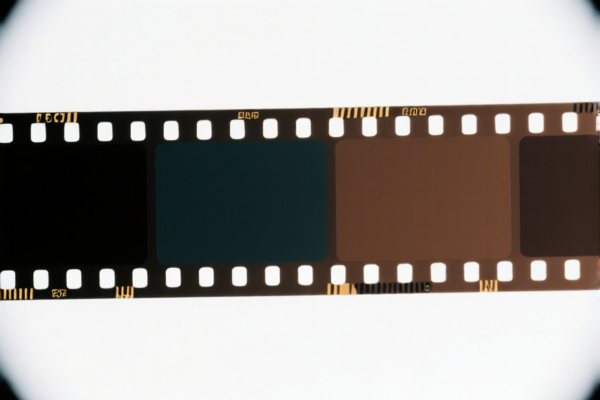
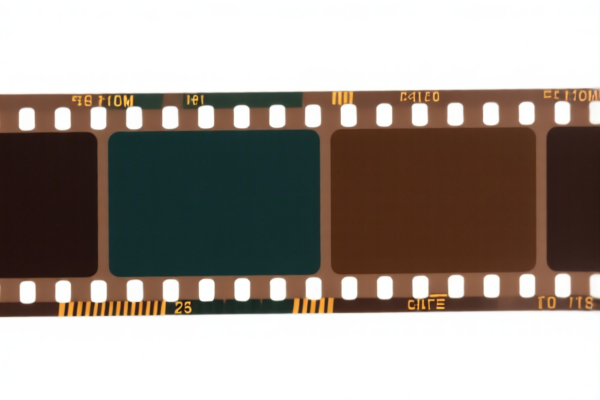
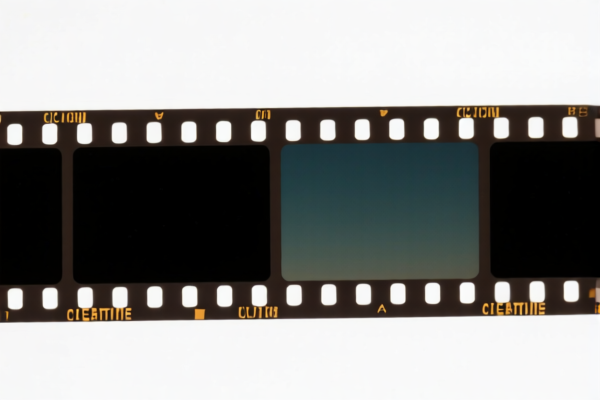

AI Analysis
🎞️ Color High-Sensitivity & Low Noise Film (Photographic Media)
🌐 HS Code Reference & Customs Clearance Guide | 2026 Latest Tariff Analysis | Professional Clearance Strategy
📌 I. Product Definition & Classification: What is "Color Low Noise Film"?
Color High-Sensitivity Film (often marketed as "Low Noise" in digital photography contexts, referring to grain structure or ISO performance) refers to unexposed or sensitized photographic film designed for color reproduction. In international trade, this product is strictly classified based on its physical state (exposed vs. unexposed) and specific form factor (instant print, roll, sheet).
⚠️ Critical Distinction Point:
- Unexposed Film (Raw Material): New film ready for use. Tax rates vary significantly based on specific sub-categories (e.g., instant print vs. general roll).
- Sensitized/Exposed Film: Film that has been processed through a camera but not yet developed. This often falls under different heading codes (e.g., 3704).
- Tax Impact: The total tax burden is high due to additional levies (Section 301 + Section 301/122 specific clauses).
📦 II. HS Code Classification Matrix (Based on Provided Data)
| HS Code | Product Description & Summary | State of Film | Total Tax Rate |
|---|---|---|---|
3701.91.00.30 |
Color High-Sensitivity Film: Instant print film for color photography. | Unexposed (Ready for instant printing) | 38.7% |
3702.52.01.60 |
Color High-Sensitivity Film: Sensitized but unexposed color film roll. | Sensitized/Unexposed | 38.7% |
3702.55.00.60 |
Color High-Sensitivity Film: Standard color photographic film roll. | Unexposed (General Roll) | 35.0% |
3704.00.00.00 |
Color High-Sensitivity Film: Color film (general classification for developed/sensitized sheets). | Sensitized/Developed | 35.0% |
3701.91.00.60 |
Color High-Sensitivity Film: Flat form for color use. | Unexposed (Flat Sheet) | 38.7% |
🔍 Key Insight:
- The highest tax (38.7%) applies to specific instant-print or flat-sheet unexposed films (3701.91...).
- The lower tax (35.0%) applies to standard rolls (3702.55...) or generally classified color film (3704...).
- All these codes attract significant Additional Duties.
💰 III. Detailed Tariff Breakdown (2026 Latest Rules)
✅ Applicable Market: Import into China (or relevant jurisdiction using this tariff structure)
✅ Origin: China (CN)
✅ Effective Date: Current as per provided data
🎯 1. 3701.91.00.30 & 3701.91.00.60 (Instant Print / Flat Sheet)
| Item | Details |
|---|---|
| Base Duty | 3.7% (Ad valorem) |
| Additional Duty (Section 301/Retaliatory) | +25.0% |
| Section 122 Duty | +10.0% |
| Total Tax Rate | 38.7% |
| Calculation | CIF Value × 38.7% |
| Legal Basis Path | HS:3701.91.00.30 → Base:3.7% → Add:25% → Sec122:10% |
📌 Explanation:
- This code covers Instant Print Film (like Polaroid-type) or specific Flat Sheet formats.
- The combination of Base (3.7%) + Additional (25%) + Section 122 (10%) results in a heavy tax burden.
- No de minimis exemption typically applies for high-value photographic media.
🎯 2. 3702.52.01.60 (Sensitized Color Roll)
| Item | Details |
|---|---|
| Base Duty | 3.7% |
| Additional Duty | +25.0% |
| Section 122 Duty | +10.0% |
| Total Tax Rate | 38.7% |
| Legal Basis Path | HS:3702.52.01.60 → Base:3.7% → Add:25% → Sec122:10% |
📌 Note:
- "Sensitized but unexposed" means the film has been chemically treated but not yet used in a camera.
- Despite being "sensitized," it is taxed similarly to unexposed film in this specific sub-category.
🎯 3. 3702.55.00.60 & 3704.00.00.00 (Standard Roll / General Color Film)
| Item | Details |
|---|---|
| Base Duty | 0.0% |
| Additional Duty | +25.0% |
| Section 122 Duty | +10.0% |
| Total Tax Rate | 35.0% |
| Legal Basis Path | HS:3702.55.00.60 or 3704.00.00.00 → Base:0.0% → Add:25% → Sec122:10% |
📌 Optimization Tip:
- These codes have a 0% Base Duty.
- While the additional duties (35% total) are still high, they are 3.7% lower than the instant-print categories.
- 3702.55 is for standard photographic rolls.
- 3704 is for other color film forms (often used for developed/sensitized sheets in broad categories).
🛠️ IV. Customs Clearance Practical Advice (Avoiding Pitfalls)
✅ 1. Documentation Checklist (Must-Have)
| Document | Required? | Notes |
|---|---|---|
| Product Spec Sheet | ✅ Yes | Must specify: ISO, Color/Black & White, Format (Roll/Sheet), Sensitivity (High/Low). |
| Photo of Product | ✅ Yes | Clear image of packaging showing "Color Film," "Unexposed," or "Sensitized." |
| Commercial Invoice | ✅ Yes | Must match HS Code description precisely (e.g., "Color Photographic Film, Unexposed"). |
| Packing List | ✅ Yes | Detail quantity (meters/rolls/packs). |
| Certificate of Origin | ✅ Yes | If applicable for trade agreements (though most of these codes have high universal duties). |
✅ 2. Declaration Tips
🔥 Golden Rule:
"Specify State: Unexposed vs. Sensitized. Specify Format: Roll vs. Sheet."
| Scenario | Correct HS Code | Risk if Incorrect |
|---|---|---|
| New, unexposed instant film | 3701.91.00.30 |
If declared as standard roll (3702.55), may be penalized for misclassification. |
| Standard color roll (e.g., ISO 400) | 3702.55.00.60 |
Best for cost efficiency (35% vs 38.7%). |
| Film already shot through camera (undeveloped) | 3704.00.00.00 |
Cannot be classified as unexposed film. |
| "Low Noise" Digital Printer Film | Verify if 3701.91 or 4911 |
Ensure it is photographic film, not thermal paper. |
✅ 3. Special Considerations for "Low Noise"
- Marketing Term Warning: "Low Noise" is a marketing term (often for digital sensors). In customs, use technical terms: "High Sensitivity" or "High ISO".
- Chemical Nature: If the film contains sensitive chemicals, ensure it is declared correctly to avoid hazardous material inspections.
- Section 122 Duty: This is a specific levy (10%). It applies regardless of the base rate. Ensure your calculation includes this mandatory component.
🌍 V. Market Comparison & Strategic Advice
| Market | Recommended HS Code | Total Est. Tax | Strategy |
|---|---|---|---|
| China (Import) | 3702.55.00.60 |
35.0% | Choose this for standard rolls to save 3.7% vs. instant film. |
| USA (Export Context) | Varies | High (Section 301) | If exporting to US, similar high duties may apply under USITC rules. |
| EU (Import) | 3702.55 |
0% - 4% | EU has lower tariffs on photographic film. Consider transshipment if legal. |
📌 Conclusion:
- Optimize for3702.55.00.60if your product is standard color roll film. It has a 0% base duty.
- Avoid3701.91codes unless you are dealing with instant print media, as they carry a 3.7% higher base duty.
- Always declare "Color High-Sensitivity Film" clearly to align with the provided summaries.
📌 VI. Common Errors & Pitfalls (Blood & Tears Lessons)
❌ Error 1: Declaring "Film" without specifying "Unexposed" or "Sensitized."
👉 Consequence: Customs may delay for inspection or assign a default higher tax rate.
❌ Error 2: Using 3704 for Unexposed film.
👉 Consequence: Misclassification. 3704 is generally for sensitized/exposed film. Using it for new film is incorrect.
❌ Error 3: Ignoring the Section 122 Duty (10%).
👉 Consequence: Underpayment of duties → Penalties + Back taxes.
❌ Error 4: Confusing "Photographic Film" with "Thermal Paper" or "Inkjet Paper."
👉 Consequence: Wrong HS Code (e.g., 4911) → Heavy fines.
✅ Correct Declaration Example:
"Color Photographic Film, High Sensitivity (ISO 800), Unexposed, Roll Format, for Color Photography. HS Code: 3702.55.00.60."
🎯 VII. Conclusion: Precision in Classification Saves Money
🎯 Remember:
🔹 "Rolls vs. Instant: 35% vs 38.7% – The difference matters."
🔹 "Base Duty 0% is your friend: Choose3702.55over3701.91when possible."
🔹 "Don't forget the 10% Section 122: It's mandatory on ALL codes listed."
📌 Pro Tip:
If you are exporting from China, these tariffs apply to imports into China. If you are exporting to another country, check that country's specific HS codes and tariffs (e.g., US Section 301 duties may differ).
📣 Immediate Action:
📞 Verify your film's physical state (Unexposed/Sensitized) and format (Roll/Sheet).
🚀 Select the HS Code with the lowest Base Duty (3702.55or3704) if applicable.
💼 Accurate classification = Lower taxes = Higher profit.
✨ Professional Customs Clearance Starts with the Right HS Code!
💼 Every percentage point saved is profit earned!
Customer Reviews
About HS Code Classification
The Harmonized System (HS) is an internationally standardized nomenclature developed by the World Customs Organization (WCO) to classify traded products. Over 200 countries use the HS system as the basis for customs tariffs, trade statistics, and import/export regulations.
Each HS code follows a hierarchical structure:
- Chapter (2 digits) — Broad category of goods (e.g., Chapter 84: Machinery and Mechanical Appliances)
- Heading (4 digits) — More specific grouping within the chapter
- Subheading (6 digits) — Internationally standardized breakdown, used by all WCO member countries
- National subdivisions (8-10 digits) — Country-specific extensions for further classification, such as US HTSUS 10-digit codes
Correct HS code classification is essential for smooth customs clearance, accurate duty payment, and compliance with trade regulations. Misclassification can lead to customs delays, overpayment of duties, or penalties.
When importing from CN to US, the applicable tariff rates may include:
- Most-Favored-Nation (MFN) rate — The standard duty rate applied to WTO members
- General rate — Applied to countries without trade agreements
- Trade remedy duties — Additional tariffs such as Section 301 (anti-dumping), Section 232 (national security), or countervailing duties
The information provided on this page is for reference purposes only. For official classification, please consult with your local customs authority or a licensed customs broker.