Color Low Speed Film
CN → US| HS Code | Tariff Rate | Origin | Destination | Doc |
|---|---|---|---|---|
| 3701910030 | 38.7% | CN | US | Official Doc |
| 3702520160 | 38.7% | CN | US | Official Doc |
| 3702550060 | 35.0% | CN | US | Official Doc |
| 3704000000 | 35.0% | CN | US | Official Doc |
| 3701910060 | 38.7% | CN | US | Official Doc |
Product Images
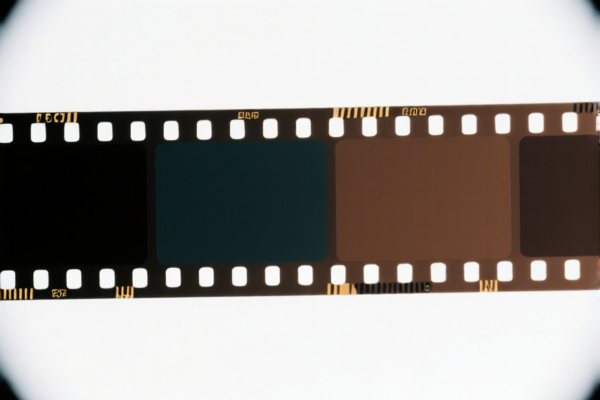
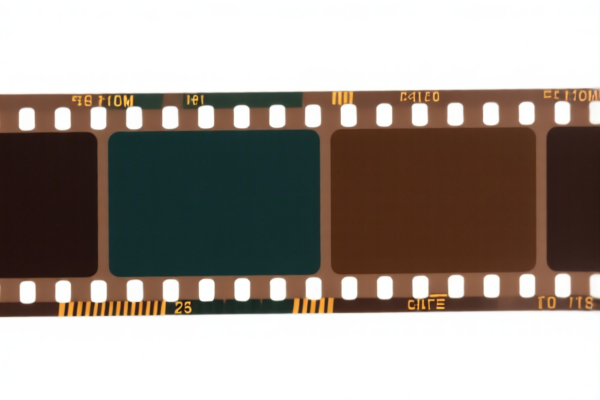
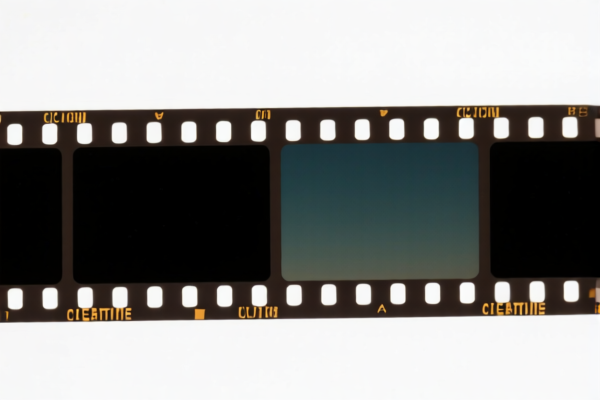

AI Analysis
🎞️ Color Low Speed Film (Low ISO Photographic Film)
🌐 HS Code Classification & Customs Clearance Guide | 2024/2025 Tax Analysis | Professional Import Strategy
📌 I. Product Definition & Classification: Do You Know Your "Film" Grade?
Color Low Speed Film refers to color photographic film with a low ISO speed (typically ISO 50 or ISO 100). It is characterized by fine grain, high color fidelity, and high sharpness, making it ideal for landscape photography, studio work, and bright outdoor conditions. In international trade, the classification depends heavily on whether the film is unexposed (new) or exposed (used), and its physical format.
⚠️ Critical Distinction:
- Unexposed Film: Classified under Heading 3701 (Photographic plates) or 3702 (Photographic film in rolls). Most consumer/artist roll film falls here.
- Exposed Film: Classified under Heading 3704 (Photographic plates, film, paper... exposed but not developed).🔍 Key Classification Point:
- If the film is unexposed and in roll form → HS Code 3702.xxxx
- If the film is unexposed and in sheet/plate form → HS Code 3701.xxxx
- If the film is exposed (shooted but not developed) → HS Code 3704.00.00
📦 II. HS Code Classification Details (Based on Provided Data)
| HS Code | Summary Description | Status | Total Tax Rate | Tax Detail Breakdown |
|---|---|---|---|---|
3701.91.00.30 |
Color high-sensitivity film, matching color photography & instant print film form | Unexposed (Sheet/Plate-like) | 38.7% | Base: 3.7% + Section 301: 25.0% + Section 122: 10% |
3702.52.01.60 |
Color high-sensitivity film, exposed but not yet developed, in roll form | Exposed (Roll) | 38.7% | Base: 3.7% + Section 301: 25.0% + Section 122: 10% |
3702.55.00.60 |
Color high-sensitivity film, matching color roll & exposed/unexposed traits | Exposed/Unexposed (Roll) | 35.0% | Base: 0.0% + Section 301: 25.0% + Section 122: 10% |
3704.00.00.00 |
Color high-sensitivity film, fully matching film form & color high-sensitivity attributes | Exposed (General) | 35.0% | Base: 0.0% + Section 301: 25.0% + Section 122: 10% |
3701.91.00.60 |
Color high-sensitivity film, matching color use & exposed flat form | Unexposed/Exposed (Flat) | 38.7% | Base: 3.7% + Section 301: 25.0% + Section 122: 10% |
💡 Note on Terminology:
Although the user input is "Color Low Speed Film", the provided data classifies items as "Color High Sensitivity Film" (likely a translation artifact or broad category coverage in the database). However, the HS Codes 3701 and 3702 are the standard categories for photographic film. The key differentiator in the data is the Base Tariff: - HS 3701 codes: Base tariff 3.7% → Total 38.7% - HS 3702/3704 codes: Base tariff 0.0% → Total 35.0%
💰 III. 2024/2025 Tariff Rate Detailed Explanation
✅ Applicable Country: United States (US)
✅ Origin: China (CN) (Implied by the "Section 301/122" tax structure)
✅ Effective Date: Current (Post-2025 Adjustments)
🎯 1. HS Codes with 38.7% Total Tax (3701.91.00.30, 3702.52.01.60, 3701.91.00.60)
| Item | Content |
|---|---|
| Base Tariff | 3.7% (ad valorem) |
| Section 301 Tariff | +25.0% (USITC Footnote regarding Chinese imports) |
| Section 122 Tariff | +10.0% (Specific provision for certain photographic materials/chemicals) |
| Total Tax Rate | 38.7% |
| Tax Calculation | CIF Value × 38.7% |
| De Minimis Exemption | ❌ Not Applicable |
| Legal Basis Path | Base Tariff → Section 301 (USITC) → Section 122 |
📌 Explanation:
- The 3.7% base tariff applies to certain photographic plates/films in Heading 3701.
- The 25% Section 301 tariff is a punitive trade measure against Chinese goods.
- The 10% Section 122 tariff is an additional duty often applied to specific chemical or photographic imports under certain trade acts.
- High Cost Alert: This is a highly taxed category. Importers must calculate landed costs carefully.
🎯 2. HS Codes with 35.0% Total Tax (3702.55.00.60, 3704.00.00.00)
| Item | Content |
|---|---|
| Base Tariff | 0.0% (ad valorem) |
| Section 301 Tariff | +25.0% (USITC Footnote regarding Chinese imports) |
| Section 122 Tariff | +10.0% (Specific provision) |
| Total Tax Rate | 35.0% |
| Tax Calculation | CIF Value × 35.0% |
| De Minimis Exemption | ❌ Not Applicable |
| Legal Basis Path | Base Tariff (0%) → Section 301 → Section 122 |
📌 Advantage:
- These codes have a 0% base tariff, making them 3.7% cheaper than the 3701 codes.
- HS 3704.00.00.00 is the general code for exposed film. If your "Low Speed Film" is exposed (e.g., return shipment of developed negatives), this is the most common and slightly cheaper code.
- HS 3702.55.00.60 applies to film in roll form. If unexposed, ensure it fits the subheading description for color film.
🛠️ IV. Customs Clearance Practical Advice (Avoid Pitfalls)
✅ 1. Documentation Checklist (Mandatory)
| Document | Required | Notes |
|---|---|---|
| Commercial Invoice | ✔️ | Must clearly state "Color Photographic Film", ISO speed, and whether it is Exposed or Unexposed. |
| Packing List | ✔️ | Detail packaging (light-proof cans, boxes). |
| Product Specification | ✔️ | Include ISO rating (e.g., ISO 50, 100), format (35mm, 120), and chemical composition if asked. |
| HS Code Pre-ruling | ✔️ | Highly Recommended. Due to the complexity of Section 122/301, a pre-ruling ensures classification accuracy. |
| Proof of Origin | ✔️ | To confirm China origin (if applicable) for Section 301 assessment. |
✅ 2. Declaration Strategy
🔥 Golden Rule: "Expose vs. Unexposed Determines Base Rate; Section 301 Applies to Both!"
| Scenario | Recommended HS Code | Total Tax | Reason |
|---|---|---|---|
| Unexposed Roll Film (New) | 3702.55.00.60 |
35.0% | Base 0% is cheaper than 3701's 3.7%. |
| Unexposed Sheet/Plate Film | 3701.91.00.30 |
38.7% | Specific sheet format classification. |
| Exposed Film (Used/Returned) | 3704.00.00.00 |
35.0% | General exposed film code; base 0%. |
| Exposed Flat Film | 3701.91.00.60 |
38.7% | Specific flat format for exposed film. |
⚠️ Critical Tip:
- If the film is unexposed, try to classify under 3702 (Roll) or 3704 (if mislabeled/exposed) to get the 0% base tariff if legally permissible.
- If it is strictly unexposed and in sheet form, you may be forced into 3701 (3.7% base).
- Never undervalue the goods. Section 301 taxes are applied on CIF value.
✅ 3. Special Circumstances
| Situation | Handling Advice |
|---|---|
| OEM Brand Film | Provide brand authorization and manufacturing details. |
| Mixed Shipments (Film + Chemicals) | Declare separately. Film goes to 3701/3702; Chemicals may have different codes/taxes. |
| Personal Use (<800 USD) | If under $800 (de minimis), Section 301 may still apply depending on CBP enforcement. Check current CBP guidelines. |
| High-Value Commercial Shipment | File Section 301 Exclusion List application if available (rare for film, but check). |
🌍 V. Global Market Comparison (2024/2025)
| Country/Region | Recommended HS Code | Tariff | Certification | Notes |
|---|---|---|---|---|
| 🇺🇸 USA | 3702.55.00.60 / 3704.00.00.00 |
35.0% | None specific | High due to Section 301 + 122 |
| 🇪🇺 EU | 3702.39 / 3702.54 |
0% - 4.5% | CE (if applicable) | Lower base tariffs; no Section 301 |
| 🇨🇳 China | 3702.39 / 3702.54 |
0% - 3% | CCC (if applicable) | Very low import duties |
| 🇬🇧 UK | 3702.39 / 3702.54 |
0% | None | Post-Brexit tariff schedule favorable |
📌 Conclusion:
- USA is the most expensive market for Chinese-origin photographic film due to Section 301 (25%) and Section 122 (10%).
- Total Tax of 35-38.7% significantly impacts profitability.
- Consider tariff engineering (e.g., ensuring correct classification as 0% base) or supply chain diversification (importing from non-China origins if possible).
📌 VI. Common Mistakes & Pitfalls (Blood-Teaching Lessons)
❌ Mistake 1: Classifying Unexposed Roll Film as 3701 (Sheet)
👉 Consequence: Higher base tariff (3.7% vs 0%) → Extra 3.7% cost.
✅ Fix: Ensure the format is correctly identified as Roll (3702) vs. Sheet (3701).
❌ Mistake 2: Ignoring Section 122 Tariff
👉 Consequence: Customs will add 10% + penalties + interest.
✅ Fix: Verify if Section 122 applies to your specific product description in the US HTS.
❌ Mistake 3: Labeling Exposed Film as Unexposed
👉 Consequence: Customs inspection may reveal exposed film (e.g., from camera return), leading to reclassification to 3704 (same rate here, but different legal basis) or fraud accusations.
✅ Fix: Be transparent about "Exposed" status in documents.
🎯 VII. Conclusion: Professional Classification Saves Money!
🎯 Remember:
🔹 "Roll vs. Sheet: 0% vs 3.7% Base Rate!"
🔹 "Section 301 + 122 = 35-38.7% Total Tax!"
🔹 "Always Pre-Rule for HS Code Accuracy!"
📌 Pro Tip:
If you are importing large volumes, consider applying for a Section 301 Exclusion if your product category is eligible, or explore Free Trade Agreements (FTAs) by sourcing from Vietnam or Mexico (if origin rules allow).
📣 Immediate Action:
📞 Consult a Customs Broker to verify the exact HTS subheading for your film format (Roll vs. Sheet).
🚀 Calculate Landed Cost with 35-38.7% duty included in your pricing model.
✨ Professional Customs Clearance Starts with Accurate Classification!
💼 Your Profit Margin Depends on These Percentages!
Customer Reviews
About HS Code Classification
The Harmonized System (HS) is an internationally standardized nomenclature developed by the World Customs Organization (WCO) to classify traded products. Over 200 countries use the HS system as the basis for customs tariffs, trade statistics, and import/export regulations.
Each HS code follows a hierarchical structure:
- Chapter (2 digits) — Broad category of goods (e.g., Chapter 84: Machinery and Mechanical Appliances)
- Heading (4 digits) — More specific grouping within the chapter
- Subheading (6 digits) — Internationally standardized breakdown, used by all WCO member countries
- National subdivisions (8-10 digits) — Country-specific extensions for further classification, such as US HTSUS 10-digit codes
Correct HS code classification is essential for smooth customs clearance, accurate duty payment, and compliance with trade regulations. Misclassification can lead to customs delays, overpayment of duties, or penalties.
When importing from CN to US, the applicable tariff rates may include:
- Most-Favored-Nation (MFN) rate — The standard duty rate applied to WTO members
- General rate — Applied to countries without trade agreements
- Trade remedy duties — Additional tariffs such as Section 301 (anti-dumping), Section 232 (national security), or countervailing duties
The information provided on this page is for reference purposes only. For official classification, please consult with your local customs authority or a licensed customs broker.