Color Matte Photo Paper
CN → US| HS Code | Tariff Rate | Origin | Destination | Doc |
|---|---|---|---|---|
| 3919905060 | 40.8% | CN | US | Official Doc |
| 4821102000 | 35.0% | CN | US | Official Doc |
| 4811412100 | 35.0% | CN | US | Official Doc |
| 4821104000 | 35.0% | CN | US | Official Doc |
| 4811592000 | 35.0% | CN | US | Official Doc |
Product Images
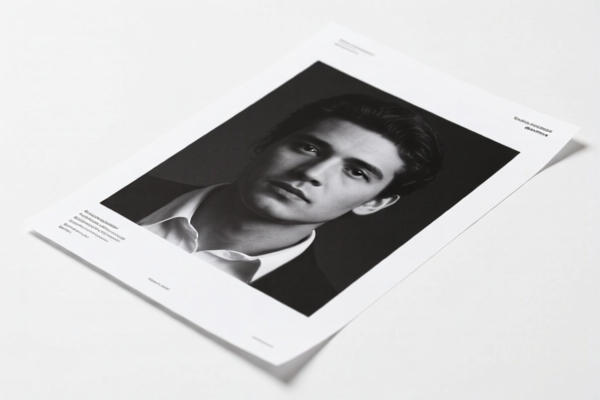


AI Analysis
🖨️ Color Matte Photo Paper (Art Paper Labels/Stickers)
🌐 HS Code Reference & Customs Clearance Guide | 2026 Latest Tariff Analysis | Professional Clearance Strategy
📌 Part 1: Product Definition & Classification: What is "Color Matte Photo Paper"?
"Color Matte Photo Paper" (often described as Art Paper in trade) refers to high-quality, coated paper with a non-glossy (matte) finish, typically used for printing labels, tags, artistic documents, or photo papers. In international trade, its classification hinges on two key factors:
1. Material: Paper (Cellulose-based).
2. Form/Use: Is it a raw/processed paper roll/sheet (heading 4811/4821) or a plastic-based self-adhesive label (heading 3919)?
⚠️ Critical Distinction:
- If the backing is paper and it is self-adhesive → It generally falls under Paper Label categories (HS 4821 or 4811).
- If the backing is plastic/film and it is self-adhesive → It falls under Plastic Self-Adhesive Films (HS 3919).
- Note: The provided data indicates a strong preference for Paper-based classifications due to the "Art Paper" material description.
📦 Part 2: HS Code Classification Details (2026 Latest Tariff Authority)
Based on the provided data, here are the five most relevant HS Codes and their specific rationales:
| HS Code | Product Description | Rationale for Classification | Total Tax Rate (US Import from CN) |
|---|---|---|---|
3919.90.50.60 |
Self-adhesive plates, sheets, film, foil, tape, strip and other shapes of plastics, self-adhesive | Plastic-Based Interpretation: If the "photo paper" is actually on a plastic backing (PET/PE) with adhesive. The shape (flat) and self-adhesive nature match. | 40.8% |
4821.10.20.00 |
Paper labels, printed or not, of any description | Paper-Based (Specific): The material is "Art Paper" (paper), form is "Label". Matches the specific subheading for paper labels perfectly. | 35.0% |
4811.41.21.00 |
Paper, paperboard, cellulose wadding and webs of cellulose fibres, coated, impregnated, covered, surface-coloured... | Paper-Based (Coated): "Art Paper" is a type of coated/surface-treated paper. The "matte" finish implies surface treatment/coating. No material conflict. | 35.0% |
4821.10.40.00 |
Paper labels, printed or not, of any description | Paper-Based (General Label): Material is paper, form is label. Fits under the broader category of printed/other paper labels. | 35.0% |
4811.59.20.00 |
Paper, paperboard, cellulose wadding and webs of cellulose fibres, other coated, impregnated, covered... | Paper-Based (Matte/Art Finish): "Art Paper" meets material requirements; "Matte" and "Label" shape fit common processed paper characteristics. No conflict. | 35.0% |
🔍 Key Takeaway:
-3919.90.50.60(40.8%) applies if the product is considered plastic-based self-adhesive material.
-4821&4811series (35.0%) apply if the product is strictly paper-based (Art Paper).
- Cost Impact: Choosing the correct HS code (Paper vs. Plastic) can save 5.8% in base tariff.
💰 Part 3: 2026 Latest Tariff Rate Breakdown (Including Surcharges)
✅ Applicable Country: United States (US)
✅ Country of Origin: China (CN)
✅ Effective Date: From November 10, 2025 (for subsequent imports)
🎯 1. 3919.90.50.60 – Self-Adhesive Plastic Shapes (If applicable)
| Item | Detail |
|---|---|
| Base Tariff | 5.8% |
| Section 301 Surcharge | +25.0% (USITC Footnote 9903.88.01) |
| IEEPA Surcharge | +10.0% (Against China/HK products, effective Nov 10, 2025) |
| Total Tax Rate | 40.8% |
| Calculation | CIF Value × 40.8% |
| De Minimis Exemption? | ❌ No (deny_de_minimis) |
| Legal Basis | IEEPA:9903.01.25 → IEEPA:9903.01.24 → USITC:3919.90.50.60 → FOOTNOTE:9903.88.01 |
📌 Explanation:
- The 5.8% is the standard MFN (Most Favored Nation) rate for plastic self-adhesive products.
- The 35% combined surcharge (25% + 10%) makes this the highest-cost option.
- Risk: If you declare this as "Paper" but Customs finds it has a plastic backing, you face penalties for misclassification.
🎯 2. 4821.10.20.00 – Paper Labels (Most Recommended for Paper)
| Item | Detail |
|---|---|
| Base Tariff | 0.0% |
| Section 301 Surcharge | +25.0% |
| IEEPA Surcharge | +10.0% |
| Total Tax Rate | 35.0% |
| Calculation | CIF Value × 35.0% |
| De Minimis Exemption? | ❌ No (deny_de_minimis) |
| Legal Basis | IEEPA:9903.01.25 → IEEPA:9903.01.24 → USITC:4821.10.20.00 → FOOTNOTE:9903.88.01 |
📌 Explanation:
- Base Tariff is 0%, which is the most favorable starting point.
- The 35% total rate is still significant due to US-China trade tensions.
- Why this code? It explicitly mentions "Paper labels," which matches the "Art Paper" material and "Label" form directly.
🎯 3. 4811.41.21.00 & 4821.10.40.00 & 4811.59.20.00 – Paper Products (Coated/Labels)
| Item | Detail |
|---|---|
| Base Tariff | 0.0% |
| Section 301 Surcharge | +25.0% |
| IEEPA Surcharge | +10.0% |
| Total Tax Rate | 35.0% |
| Calculation | CIF Value × 35.0% |
| De Minimis Exemption? | ❌ No (deny_de_minimis) |
| Legal Basis | Same as above, varying by specific USITC footnote for the subheading. |
📌 Explanation:
- All these codes share the same total tax rate (35%).
- They are alternatives based on slight differences in description (Coated vs. Printed Label vs. Matte Finish).
- Best Practice: Use4821.10.20.00if they are clearly labels. Use4811series if they are sheets of coated paper not yet cut into labels or not primarily labeled as "labels" in the trade document.
🛠️ Part 4: Customs Clearance Practical Advice (Pitfall Avoidance Guide)
✅ 1. Required Documentation Checklist (Non-Negotiable)
| Document | Mandatory? | Description |
|---|---|---|
| ✅ Product Specifications | ✔️ | Must clearly state: Material (Paper/Plastic), Finish (Matte), Use (Label/Photo Paper). |
| ✅ Composition Analysis | ✔️ | Proof that the backing is Paper (e.g., GSM, basis weight) to support HS 48xx codes. |
| ✅ Product Photos | ✔️ | Clear images showing the matte texture and any adhesive backing. |
| ✅ Commercial Invoice | ✔️ | Must accurately describe the product as "Paper Labels" or "Coated Art Paper," NOT "Plastic Stickers" if claiming paper HS codes. |
| ✅ Packing List | ✔️ | Details weight, dimensions, and quantity. |
| ✅ Origin Certificate | ✔️ | Critical for proving Origin is China (to apply correct surcharges) or eligible countries for exemptions. |
✅ 2. Declaration Strategy (Key Mantra)
🔥 "Material First, Form Second, Name Precise, Tax Minimized!"
| Scenario | Correct Declaration | Wrong Practice | Consequence |
|---|---|---|---|
| Paper Backing + Adhesive + Printed | 4821.10.20.00 (Paper Labels) |
Declare as "Plastic Stickers" | ❌ Overpay 5.8% base tariff |
| Coated Paper Sheets (Unlabeled) | 4811.41.21.00 or 4811.59.20.00 |
Declare as "Labels" | ⚠️ Possible misclassification if not used as labels |
| Plastic Backing + Adhesive | 3919.90.50.60 (Plastic Self-Adhesive) |
Declare as "Paper" | ❌ High risk of audit, penalty, and reclassification |
| Raw Paper Rolls (No Adhesive) | Different HS Code (e.g., 4802/4803) | Declare as "Labels" | ❌ Major misclassification, shipment delay |
✅ 3. Special Situation Handling
| Situation | Handling Advice |
|---|---|
| OEM Custom Labels | Provide client PO and design specs. Clarify if the adhesive is permanent or removable. |
| Mixed Shipments (Paper + Plastic) | Split Declaration! Do not mix HS codes in one line item. Declare Paper Labels and Plastic Stickers separately. |
| "Art Paper" Ambiguity | If unsure if it's paper or plastic film, provide a material composition report. Customs often requires this for "Photo Paper." |
| High-Value Shipments | Consider Advance Ruling from US CBP to confirm HS Code and tax liability before shipment. |
🌍 Part 5: Global Market Clearance Comparison (2026 Latest)
| Country/Region | Recommended HS Code | Tariff (China Origin) | Certification Requirements | Remarks |
|---|---|---|---|---|
| 🇺🇸 USA | 4821.10.20.00 (Paper) |
35.0% (Total) | None specific for paper | Plastic labels (3919) are 40.8%. Paper is cheaper. |
| 🇨🇳 China | 4821.10.20.00 |
0% (Import) | None | China is the origin, so this is for export context. |
| 🇪🇺 EU | 4821.10.00 |
0% (Most Cases) | CE (if applicable for end-use) | Generally low/no duty for paper labels. |
| 🇬🇧 UK | 4821.10.00 |
0% | UKCA (if applicable) | Post-Brexit rules align closely with EU for paper. |
| 🇯🇵 Japan | 4821.10.00 |
0% - 3% | PSE (if electronic components involved) | Generally favorable for paper products. |
📌 Conclusion:
- The US market is the most critical due to the 35% total tariff.
- Paper-based labels (4821) are preferred over plastic-based (3919) to save 5.8% in base tariffs.
- Ensure the material is genuinely paper to qualify for the 0% base rate. Misdeclaring plastic as paper can lead to severe penalties.
📌 Part 6: Common Mistakes & Pitfall Guide (Lessons Learned)
❌ Mistake 1: Declaring "Color Matte Photo Paper" as "Plastic Film" when it is Paper
👉 Consequence: You pay 40.8% instead of 35.0%. A 5.8% difference adds up quickly on large volumes.
❌ Mistake 2: Declaring "Paper Labels" as "Printing Paper" (HS 4802)
👉 Consequence: If it has adhesive, it is not simple printing paper. Misclassification leads to audit flags.
❌ Mistake 3: Ignoring the "Self-Adhesive" Attribute
👉 Consequence: If it has adhesive, it must be declared as such. Hiding the adhesive feature is fraud.
❌ Mistake 4: Using Vague Names like "Photo Paper"
👉 Consequence: Customs may classify it under the highest-risk or least-favorable category. Be specific: "Self-Adhesive Paper Labels, Matte Finish."
✅ Correct Declaration Example:
"Self-Adhesive Labels, Paper Base, Matte Finish, Art Paper, 100gsm, Printed with Brand Logo, Model XYZ, for Product Packaging"
🎯 Part 7: Conclusion: Professional Declaration Saves Money!
🎯 Remember the Mantra:
🔹 "Paper vs. Plastic, Check the Base!"
🔹 "35% for Paper, 40.8% for Plastic, Don't Let Material Define Your Cost!"
🔹 "HS Code is Life, Tax Difference is Wealth!"
📌 Pro Tip:
If your product is exclusively paper-based and you can prove it, stick to 4821.10.20.00. It offers the lowest total tax rate (35%) among the options provided.
If there is any doubt about the backing material, request a material test report from your supplier before shipment to avoid customs disputes.
📣 Immediate Action:
📞 Contact your customs broker with the product specs.
📄 Prepare a detailed description emphasizing "Paper" and "Self-Adhesive Label."
🚀 Ensure accurate documentation to secure the 35% tax rate and avoid delays!
✨ Professional clearance starts with precise classification!
💼 Your cost is directly linked to your HS Code accuracy!
Customer Reviews
About HS Code Classification
The Harmonized System (HS) is an internationally standardized nomenclature developed by the World Customs Organization (WCO) to classify traded products. Over 200 countries use the HS system as the basis for customs tariffs, trade statistics, and import/export regulations.
Each HS code follows a hierarchical structure:
- Chapter (2 digits) — Broad category of goods (e.g., Chapter 84: Machinery and Mechanical Appliances)
- Heading (4 digits) — More specific grouping within the chapter
- Subheading (6 digits) — Internationally standardized breakdown, used by all WCO member countries
- National subdivisions (8-10 digits) — Country-specific extensions for further classification, such as US HTSUS 10-digit codes
Correct HS code classification is essential for smooth customs clearance, accurate duty payment, and compliance with trade regulations. Misclassification can lead to customs delays, overpayment of duties, or penalties.
When importing from CN to US, the applicable tariff rates may include:
- Most-Favored-Nation (MFN) rate — The standard duty rate applied to WTO members
- General rate — Applied to countries without trade agreements
- Trade remedy duties — Additional tariffs such as Section 301 (anti-dumping), Section 232 (national security), or countervailing duties
The information provided on this page is for reference purposes only. For official classification, please consult with your local customs authority or a licensed customs broker.