Color Paper Labels
CN → US| HS Code | Tariff Rate | Origin | Destination | Doc |
|---|---|---|---|---|
| 4821904000 | 35.0% | CN | US | Official Doc |
| 3919905060 | 40.8% | CN | US | Official Doc |
| 3919102055 | 40.8% | CN | US | Official Doc |
| 4911914040 | 17.5% | CN | US | Official Doc |
| 4821902000 | 35.0% | CN | US | Official Doc |
Product Images
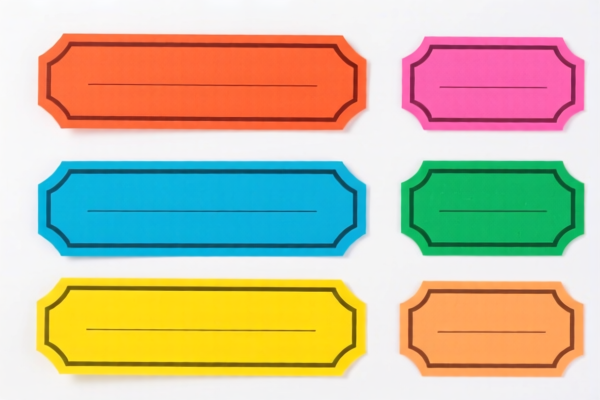
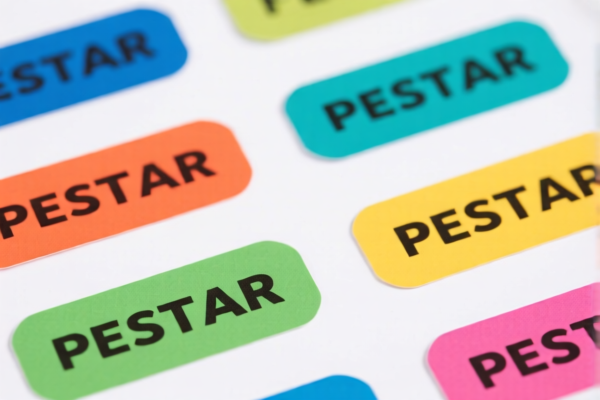
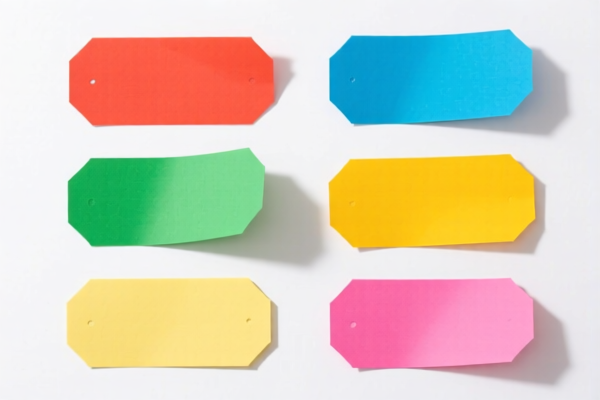
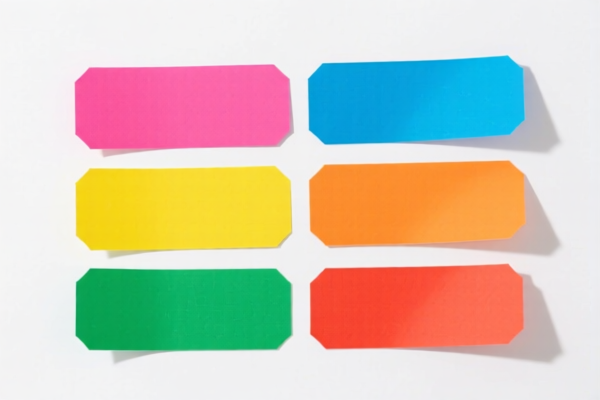
AI Analysis
🏷️ Color Paper Labels (Self-Adhesive Stickers)
🌐 HS Code Reference & Customs Clearance Guide | 2026 Latest Tariff Analysis | Professional Clearance Strategy
📌 I. Product Definition & Classification: Do You Truly Understand "Color Paper Labels"?
Color Paper Labels, commonly known as self-adhesive stickers, are widely used in packaging, branding, and product identification. In international trade, their classification is highly sensitive to two factors: Material Composition and Surface Printing. Misclassification often leads to drastic differences in duty rates, ranging from a low 17.5% to a punitive 40.8%.
International trade experts generally categorize them into two main branches:
- Printed Paper Items (HS 4911): If the label is primarily valued for its printed image (logo, text, artistic design) on paper or plastic film, it is often classified as a "printed picture" or "other printed matter."
- Paper/Plastic Labels (HS 4821 / 3919): If the label is primarily valued as a functional adhesive backing for identification, regardless of the print quality, it falls under specific label categories.
- Paper Labels: Classified under Chapter 48.
- Plastic/Film Labels: Classified under Chapter 39.
⚠️ Key Distinction Point:
- If the primary value is the graphic design (e.g., decorative stickers, branded artwork) → Likely HS 4911.
- If the primary value is the adhesive function for industrial/commercial labeling → Likely HS 4821 or HS 3919.
- Material Check: Is the backing paper or synthetic plastic/film? This determines whether you look at Chapter 48 (Paper) or Chapter 39 (Plastics).
📦 II. HS Code Classification Details (2026 Latest Tariff Authority Comparison)
Based on the provided data, here are the five potential HS Codes for "Color Paper Labels" and their specific scenarios.
| HS Code | Product Description | Applicable Scenario | Primary Value Driver |
|---|---|---|---|
4911.91.40.40 |
Other printed matter, including printed pictures (Paper/Film) | Decorative stickers, branded labels where print is key | ✅ Printed Image |
4821.90.20.00 |
Self-adhesive paper labels (Paper) | Standard industrial/commercial self-adhesive paper labels | ✅ Adhesive Function |
4821.90.40.00 |
Other labels, stickers, etc., made of paper or plastic film | Generic labels not specifically "self-adhesive paper" or "plastic film strips" | ✅ General Label |
3919.10.20.55 |
Self-adhesive plates, sheets, film, roll, in flat shapes (Plastic) | Plastic/PET/PP based stickers, tape-like labels | ✅ Plastic Material |
3919.90.50.60 |
Other self-adhesive flat shapes (Plastic) | Plastic stickers not fitting specific "roll" or "strip" definitions | ✅ Plastic Material |
🔍 Key Reminder:
- Plastic vs. Paper: If the backing is Plastic (PET, PP, PE), use HS 3919. If it is Paper, use HS 4821. - Printed Matter Exception: Even if made of plastic, if it is a "printed picture" (e.g., a colorful art sticker), customs may prefer HS 4911 if the printing constitutes the essential character. However, for functional labels, HS 3919 is more common.
💰 III. 2026 Latest Tariff Rate Breakdown (Including Add-ons & Policy Surcharges)
✅ Applicable Country: United States (US)
✅ Origin: China (CN)
✅ Effective Time: 2025/2026 (Including subsequent imports)
🎯 1. 4911.91.40.40 —— Printed Pictures / Other Printed Matter (Lowest Duty!)
| Item | Content |
|---|---|
| Base Tariff | 0% (ad valorem) |
| Section 301 Add-on | +7.5% (Lower rate for certain printed goods) |
| Section 122 Tariff | +10% (Specific provision for certain consumer goods) |
| Total Rate | 17.5% |
| Tax Calculation | CIF Value × 17.5% |
| De Minimis Eligibility | ❌ Not Eligible (Due to Section 301 & 122) |
| Legal Basis Path | Section 122: 10% → Section 301: 7.5% → USITC: 4911.91.40.40 |
📌 Explanation:
- This is the most cost-effective classification if your product can be argued as a "printed picture" or "printed matter" rather than a mere label. - Strategy: If the sticker is decorative, artistic, or has high-value branding, argue for this classification to save ~23% in duties compared to plastic labels.
🎯 2. 4821.90.20.00 & 4821.90.40.00 —— Paper Labels (High Duty)
| Item | Content |
|---|---|
| Base Tariff | 0% (for paper labels under Chapter 48) |
| Section 301 Add-on | +25% (Standard high rate for Chinese goods) |
| Section 122 Tariff | +10% |
| Total Rate | 35.0% |
| Tax Calculation | CIF Value × 35.0% |
| De Minimis Eligibility | ❌ Not Eligible |
| Legal Basis Path | Section 122: 10% → Section 301: 25% → USITC: 4821.90.xx |
📌 Explanation:
- HS 4821.90.20.00: Specifically for Self-Adhesive Paper Labels. - HS 4821.90.40.00: A catch-all for Other Labels (paper/plastic mix not specifically self-adhesive or falling into other categories). - Both carry the 25% Section 301 tariff, which is the standard punitive rate. - Crucial: Even though the base is 0%, the 25% add-on makes it expensive. Do not assume "paper = cheap duty."
🎯 3. 3919.10.20.55 & 3919.90.50.60 —— Plastic/Film Labels (Highest Duty!)
| Item | Content |
|---|---|
| Base Tariff | 5.8% |
| Section 301 Add-on | +25% |
| Section 122 Tariff | +10% |
| Total Rate | 40.8% |
| Tax Calculation | CIF Value × 40.8% |
| De Minimis Eligibility | ❌ Not Eligible |
| Legal Basis Path | Section 122: 10% → Section 301: 25% → Base: 5.8% → USITC: 3919.xx |
📌 Explanation:
- HS 3919.10.20.55: For self-adhesive rolls/stripes of plastic. - HS 3919.90.50.60: For other self-adhesive flat shapes of plastic. - Critical: These carry a 5.8% base tariff PLUS 25% + 10%. This is the most expensive classification. - Warning: If your sticker is on a PET, PP, or PVC backing, it MUST be classified under Chapter 39, resulting in a 40.8% total duty.
🛠️ IV. Customs Clearance Practical Advice (Real-World Pitfall Avoidance)
✅ 1. Preparation Checklist (Must-Haves)
| Document | Mandatory? | Description |
|---|---|---|
| ✅ Product Specifications | ✔️ | Must clearly state: Backing Material (Paper vs. PET/PP), Size, Quantity per roll. |
| ✅ High-Resolution Photos | ✔️ | Show the sticker clearly, including the glue side and backing liner. |
| ✅ Composition Statement | ✔️ | Explicitly declare: "90% Paper Backing, 10% Ink" OR "100% Plastic (PET) Backing." |
| ✅ Commercial Invoice | ✔️ | Describe accurately: "Color Self-Adhesive Paper Stickers" or "Plastic Vinyl Stickers." |
| ✅ Customs Ruling (Pre-Decision) | ✅ Recommended | Crucial for disputed cases between HS 4911 (Print) vs. HS 3919/4821 (Label). |
✅ 2. Declaration Strategy (Key Mantra)
🔥 “Material Defines Code, Print Defines Value, Misclassification is Expensive!”
| Scenario | Correct HS Code | Duty Rate | Wrong Declaration | Consequence |
|---|---|---|---|---|
| Plastic Sticker (PET/PP) | 3919.10.20.55 or 3919.90.50.60 |
40.8% | Declare as "Paper Label" | Severe Penalty: Customs will reclassify + back duties + fines. |
| Paper Sticker (Adhesive) | 4821.90.20.00 |
35.0% | Declare as "Plastic Sticker" | Overpayment (but safer than underpayment). |
| Artistic/Decorative Sticker | 4911.91.40.40 |
17.5% | Declare as "Paper Label" | Overpayment (saving 17.5% is possible if justified). |
| Mixed Material | Depends on Essential Character | Variable | Vague "Sticker" | Customs Review Delay: May default to highest duty (Plastic). |
✅ 3. Special Case Handling
| Situation | Handling Advice |
|---|---|
| Is it Paper or Plastic? | Check the liner/backing. If it tears like paper → HS 4821. If it stretches or is shiny/synthetic → HS 3919. |
| Is it a "Printed Picture"? | If the sticker is large, decorative, and has no functional labeling purpose (e.g., wall art sticker), argue for HS 4911 to save 23% vs. Plastic or 17.5% vs. Paper. |
| Small Quantity Samples | Still subject to tariffs. No de minimis exemption for China-origin goods under Section 301/122. |
| OEM Branded Labels | Ensure the invoice shows the brand owner and manufacturer to avoid origin confusion. |
🌍 V. Global Market Clearance Comparison (2026 Latest)
| Country/Region | Recommended HS Code | Duty Rate | Certification Requirements | Notes |
|---|---|---|---|---|
| 🇺🇸 USA | 4911.91.40.40 |
17.5% | None specific | Best rate if arguable as "Printed Matter." |
| 🇺🇸 USA | 3919.10.20.55 |
40.8% | None specific | Highest rate. Avoid if possible. |
| 🇨🇳 China | 4821.90.20.00 |
5-13% | RoHS (if electronic) | Lower duties for domestic use. |
| 🇪🇺 EU | 4821.90 |
5-6.5% | CE (if applicable) | No Section 301 equivalent, but standard import VAT applies. |
| 🇬🇧 UK | 4821.90 |
5-6.5% | UKCA | Post-Brexit rules apply. |
📌 Conclusion:
- The USA is the most complex market due to Section 301 and 122 tariffs. - Plastic labels are the most expensive to import into the US (40.8%). - Paper labels are moderately expensive (35.0%). - Printed matter classification offers the best savings (17.5%) but requires strong justification.
📌 VI. Common Mistakes & Pitfalls (Lessons from Experience)
❌ Mistake 1: Declaring a Plastic Sticker as a Paper Label to avoid the 25% Section 301 tariff.
👉 Consequence: Customs inspection reveals plastic backing. Back taxes + 10-20% penalty.
❌ Mistake 2: Using "Sticker" as the product name without specifying material.
👉 Consequence: Customs assigns the highest possible duty (Plastic 40.8%) due to ambiguity.
❌ Mistake 3: Assuming all "Printed" items qualify for HS 4911.
👉 Consequence: If the primary function is labeling (address, barcode), customs will reject HS 4911 and force HS 4821/3919.
❌ Mistake 4: Ignoring Section 122 Tariffs.
👉 Consequence: Even with 0% base duty, the 10% Section 122 tariff applies to most Chinese consumer goods, including labels.
✅ Correct Practice:
“Self-Adhesive Sticker, PET Plastic Backing, Custom Printed Logo, 2x2 inches, Roll of 1000 pcs, Made in China”
🎯 VII. Conclusion: Professional Classification Saves Money!
🎯 Remember the Mantra:
🔹 “Plastic is 40.8%, Paper is 35%, Print is 17.5%. Know your backing!”
🔹 “Don’t guess the HS Code. A 23% difference can kill your profit margin.”
📌 Pro Tip:
If your product is borderline (e.g., thin plastic film with heavy print), consider applying for a US CBP Binding Ruling before shipping. This legally locks in the 17.5% rate if you can prove it’s primarily a "printed picture" rather than a functional label.
📣 Immediate Action:
📞 Provide Product Photos + Material Spec to your freight forwarder.
🚀 Optimize your HS Code to avoid the 40.8% penalty.
💼 Your Profit Margin Depends on Accurate Classification!
✨ Professional Clearance, Starting with Precise Classification!
💼 Every Percent of Duty Saved is Pure Profit!
Customer Reviews
About HS Code Classification
The Harmonized System (HS) is an internationally standardized nomenclature developed by the World Customs Organization (WCO) to classify traded products. Over 200 countries use the HS system as the basis for customs tariffs, trade statistics, and import/export regulations.
Each HS code follows a hierarchical structure:
- Chapter (2 digits) — Broad category of goods (e.g., Chapter 84: Machinery and Mechanical Appliances)
- Heading (4 digits) — More specific grouping within the chapter
- Subheading (6 digits) — Internationally standardized breakdown, used by all WCO member countries
- National subdivisions (8-10 digits) — Country-specific extensions for further classification, such as US HTSUS 10-digit codes
Correct HS code classification is essential for smooth customs clearance, accurate duty payment, and compliance with trade regulations. Misclassification can lead to customs delays, overpayment of duties, or penalties.
When importing from CN to US, the applicable tariff rates may include:
- Most-Favored-Nation (MFN) rate — The standard duty rate applied to WTO members
- General rate — Applied to countries without trade agreements
- Trade remedy duties — Additional tariffs such as Section 301 (anti-dumping), Section 232 (national security), or countervailing duties
The information provided on this page is for reference purposes only. For official classification, please consult with your local customs authority or a licensed customs broker.