Color Photo Paper Roll (Architectural Photography)
CN → US| HS Code | Tariff Rate | Origin | Destination | Doc |
|---|---|---|---|---|
| 3703103060 | 38.7% | CN | US | Official Doc |
| 3703103090 | 38.7% | CN | US | Official Doc |
| 4823906700 | 35.0% | CN | US | Official Doc |
| 4823908680 | 35.0% | CN | US | Official Doc |
| 3703103060 | 38.7% | CN | US | Official Doc |
Product Images
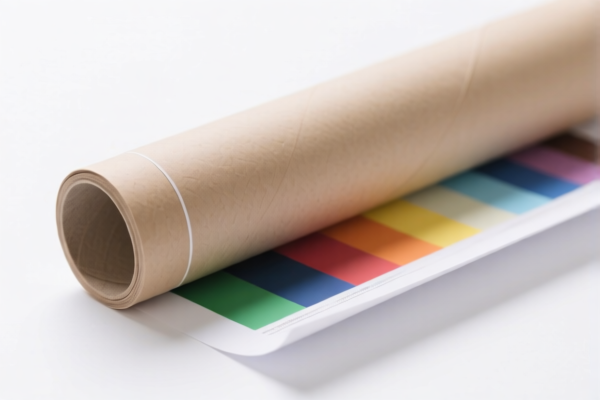
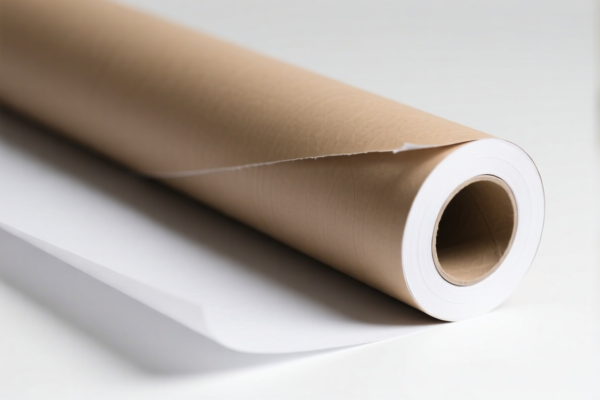
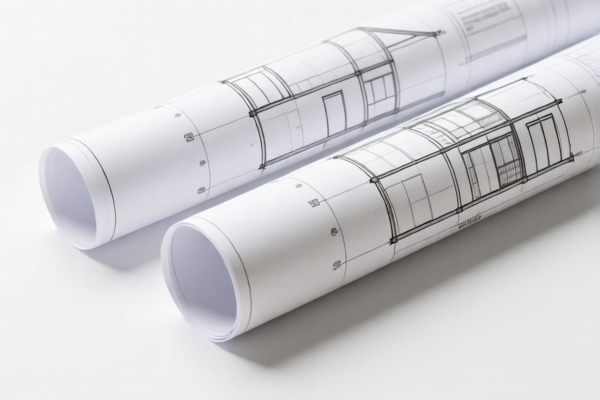
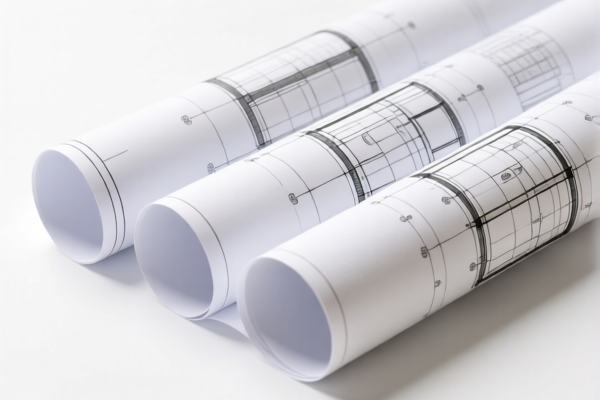
AI Analysis
📸 Color Photo Paper Rolls: Architectural & Fine Art Photography
🌐 HS Code Master Guide & Customs Clearance Strategy | 2026 Tax Regime | Professional Import Tactics
📌 I. Product Definition & Classification: Do You Know Your "Photo Paper"?
Color Photo Paper Rolls are premium, high-gloss or matte coated media designed for capturing, printing, and exhibiting high-resolution images in architectural, fine art, and professional photography sectors.
In international trade, the classification depends strictly on the chemical composition and intended use:
- Light-Sensitive Photographic Paper (Silver Halide):
- Characteristics: Coated with silver halide crystals; requires chemical development; used for "continuous tone" artistic imaging.
- Key Feature: "Architectural photography" often implies high-end, continuous-tone output.
- Coated Paper / Inkjet Media:
- Characteristics: Plain paper substrate with a specialized coating to absorb ink; not light-sensitive chemically (unless specified).
- Key Feature: "Roll form" is the critical physical descriptor here.
⚠️ Critical Distinction:
- Is it chemically light-sensitive (requires development)? → 3703.10.30.xx (Photo paper)
- Is it a coated inkjet media or standard paper roll? → 4823.90.xx (Paper products)
📦 II. HS Code Classification Breakdown (2026 Authority Reference)
| HS Code | Product Description | Application Scenario | Material Key |
|---|---|---|---|
3703.10.30.60 |
Large-Format Photo Paper Rolls, Silver Halide Material, Roll Form, for Painting/Art Use | High-end Architectural Prints, Fine Art, Museum Exhibitions | ✅ Silver Halide (Light-Sensitive) |
3703.10.30.90 |
Large-Format Photo Paper Rolls, Light-Sensitive Material, Roll Form, for Non-Continuous Tone Imaging | Professional Architectural/Technical Imaging (Non-Art) | ✅ Light-Sensitive (Non-Continuous) |
4823.90.67.00 |
Large-Format Photo Paper Rolls, Coated Paper Material, Roll Form | Inkjet Architectural Prints, Standard Commercial Use | ✅ Coated Paper (Inkjet) |
4823.90.86.80 |
Large-Format Photo Paper Rolls, General Paper Product, Roll Form | General Purpose Large Format Printing | ✅ General Paper |
🔍 Key Reminder:
- Architectural Photography usually implies high resolution. If the paper is light-sensitive (requires darkroom chemicals), it MUST go to 3703.
- If the paper is inkjet media (dry printing), it falls under 4823.
- Do not mix the two; customs will reject the wrong classification.
💰 III. 2026 Tax Rate Breakdown (Detailed Policy Analysis)
✅ Applicable Market: United States (US)
✅ Origin: China (CN)
✅ Effective Date: 2025-11-10 (Including subsequent imports)
🎯 1. 3703.10.30.60 & 3703.10.30.90 — Light-Sensitive Photo Paper
| Item | Detail |
|---|---|
| Base Duty Rate | 3.7% |
| Section 301 Additional Duty | +25.0% (Standard China Tariff) |
| Section 122 Duty (IEEPA) | +10.0% (Targeted China Import) |
| Total Tax Rate | 38.7% |
| Calculation Method | CIF Value × 38.7% |
| De Minimis Exemption | ❌ NO (Deny for Section 122 items) |
| Legal Path | Base Duty → Section 301 (25%) → Section 122 (10%) |
📌 Explanation:
- Base (3.7%): Standard tariff for photographic paper.
- 301 (25%): "Section 301" duties are imposed on Chinese goods for trade imbalance reasons.
- Section 122 (10%): New 2025 Policy! This is a targeted surcharge on specific Chinese chemical/pharmaceutical/tech-related goods (including specialized photo media).
- Result: A massive 38.7% duty makes importing Chinese light-sensitive photo rolls very expensive.
🎯 2. 4823.90.67.00 & 4823.90.86.80 — Coated/Paper Rolls
| Item | Detail |
|---|---|
| Base Duty Rate | 0.0% |
| Section 301 Additional Duty | +25.0% |
| Section 122 Duty (IEEPA) | +10.0% |
| Total Tax Rate | 35.0% |
| Calculation Method | CIF Value × 35.0% |
| De Minimis Exemption | ❌ NO |
| Legal Path | Section 301 (25%) → Section 122 (10%) (Base is waived) |
📌 Explanation:
- Base (0%): Standard duty for many paper products is waived.
- 301 (25%): Still applies heavily to Chinese paper goods.
- Section 122 (10%): Also applies here, likely due to "paper-based industrial inputs" or specific supply chain restrictions.
- Result: 35.0% is still a very high effective rate, though slightly better than the 38.7% for chemical paper.
🛠️ IV. Customs Clearance Practical Advice (Pitfall Avoidance)
✅ 1. Preparation Checklist (Must-Have)
| Document | Requirement | Why It Matters |
|---|---|---|
| ✅ Technical Data Sheet | ✔️ Mandatory | Must explicitly state: "Silver Halide" vs "Coated Inkjet". |
| ✅ Material Composition | ✔️ Mandatory | Define the exact coating chemistry. "Photographic" vs "Paper" is the key. |
| ✅ Photos (Unopened Rolls) | ✔️ Mandatory | Show labels indicating "Light Sensitive" or "Archival Quality". |
| ✅ Commercial Invoice | ✔️ Mandatory | Must match HS Code description exactly (e.g., "Large-Format Photo Paper Roll"). |
| ✅ Origin Certificate (CO) | ✔️ Mandatory | Crucial: Must prove origin is China to apply Section 122 (or avoid if origin is elsewhere). |
| ✅ Packing List | ✔️ Mandatory | Specify roll dimensions (width/length) and weight. |
✅ 2. Declaration Strategy (Golden Rules)
🔥 The "Material & Use" Mantra:
"Silver Halide = 3703 (38.7%) | Coated Paper = 4823 (35.0%) | NEVER Split!"
| Scenario | Correct Declaration | Wrong Declaration (Risky!) |
|---|---|---|
| Chemical Photo Paper | 3703.10.30.60 (Art/Architecture) |
Report as 4823 → Customs Fraud |
| Inkjet Photo Paper | 4823.90.67.00 |
Report as 3703 → Overpaying 3.7% unnecessarily |
| Mixed Shipment | Split Lines | Combine into one line → Seizure Risk |
| Architectural Use | Specify "For Architectural Photography" | Generic "Printing Paper" → Audits |
✅ 3. Special Situations & Handling
| Situation | Handling Suggestion |
|---|---|
| OEM Custom Sizes | Provide client order + custom specifications to prove "Large-Format" (not standard roll). |
| "Architectural" Claim | If used for architectural blueprints (light-sensitive), ensure it fits 3703. If for inkjet prints, 4823. |
| Re-exporting | If the paper is non-Chinese (e.g., Japan, US, Korea), Section 122 (10%) might NOT apply → Tax Savings! |
| Small Sample Rolls | No De Minimis! Even small rolls are subject to 35%+ duty. |
🌍 V. Global Market Comparison (2026 Context)
| Region | Recommended HS Code | Total Duty (China Origin) | Certification | Note |
|---|---|---|---|---|
| 🇺🇸 USA | 3703 or 4823 |
35.0% - 38.7% | N/A | Section 122 is the killer. |
| 🇨🇳 China | 3703 or 4823 |
~5-10% | CCC | Lower tax, but domestic demand exists. |
| 🇪🇺 EU | 3703 or 4823 |
~6-10% | CE / RoHS | No Section 122. Lower risk. |
| 🇯🇵 Japan | 3703 or 4823 |
~6% | PSE | No Section 122. |
| 🇦🇺 Australia | 3703 or 4823 |
~10% | RCM | No Section 122. |
📌 Conclusion:
- USA is the only major market imposing the 35-38.7% burden due to Section 122.
- Strategy: If possible, source from Vietnam, Thailand, or Mexico to bypass Section 122 (10%) and potentially Section 301 (25%).
📌 VI. Common Mistakes & Blood-Tea Lessons
❌ Mistake 1: Calling it "Printing Paper" to avoid 3703.
👉 Consequence: Customs sees "Light Sensitive" on label → Audit + Penalty + Back Taxes!
❌ Mistake 2: Splitting a shipment of mixed rolls into one line.
👉 Consequence: Customs rejects the declaration → Delay + Storage Fees.
❌ Mistake 3: Assuming "Architectural" means "Construction Paper".
👉 Consequence: Wrong classification (e.g., 4811 instead of 3703) → 35% Tax applied instead of 0%.
❌ Mistake 4: Ignoring the "Roll Form" requirement in the description.
👉 Consequence: Customs asks for "Sheet" classification → Different tax logic.
✅ Correct Practice:
"Large Format Color Photo Paper Rolls, Silver Halide, Light Sensitive, for Architectural Photography, Model XYZ, 1.5m x 50m, 3703.10.30.60"
🎯 VII. Conclusion: Precision is Profit!
🎯 Remember the Formula:
🔹 "Silver Halide + Roll = 3703 (38.7%)"
🔹 "Coated Paper + Roll = 4823 (35.0%)"
🔹 "Non-China Origin = 0% to 10% (Huge Savings!)"📌 Pro Tip:
If your Color Photo Paper Rolls are not light-sensitive, ensure the invoice explicitly says "Inkjet Media" or "Coated Paper" to avoid the stricter3703scrutiny.
📣 Immediate Action:
📞 Contact Customs Broker + Submit Data Sheet + Check Origin
🚀 Avoid the Section 122 Trap by diversifying supply chain or classifying correctly!
✨ Professional Customs Clearance Starts with the Right HS Code!
💼 Every 1% tax rate matters. Every 35% is a game-changer.
Customer Reviews
About HS Code Classification
The Harmonized System (HS) is an internationally standardized nomenclature developed by the World Customs Organization (WCO) to classify traded products. Over 200 countries use the HS system as the basis for customs tariffs, trade statistics, and import/export regulations.
Each HS code follows a hierarchical structure:
- Chapter (2 digits) — Broad category of goods (e.g., Chapter 84: Machinery and Mechanical Appliances)
- Heading (4 digits) — More specific grouping within the chapter
- Subheading (6 digits) — Internationally standardized breakdown, used by all WCO member countries
- National subdivisions (8-10 digits) — Country-specific extensions for further classification, such as US HTSUS 10-digit codes
Correct HS code classification is essential for smooth customs clearance, accurate duty payment, and compliance with trade regulations. Misclassification can lead to customs delays, overpayment of duties, or penalties.
When importing from CN to US, the applicable tariff rates may include:
- Most-Favored-Nation (MFN) rate — The standard duty rate applied to WTO members
- General rate — Applied to countries without trade agreements
- Trade remedy duties — Additional tariffs such as Section 301 (anti-dumping), Section 232 (national security), or countervailing duties
The information provided on this page is for reference purposes only. For official classification, please consult with your local customs authority or a licensed customs broker.