Color Photo Paper Roll (Commercial Photography)
CN → US| HS Code | Tariff Rate | Origin | Destination | Doc |
|---|---|---|---|---|
| 3703103060 | 38.7% | CN | US | Official Doc |
| 3703103090 | 38.7% | CN | US | Official Doc |
| 4823906700 | 35.0% | CN | US | Official Doc |
| 4823908680 | 35.0% | CN | US | Official Doc |
| 4811908030 | 35.0% | CN | US | Official Doc |
Product Images
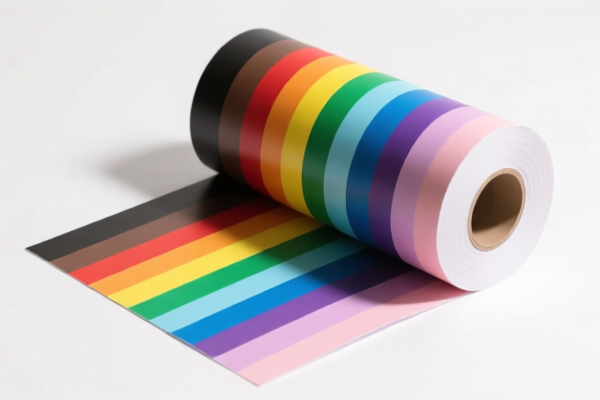
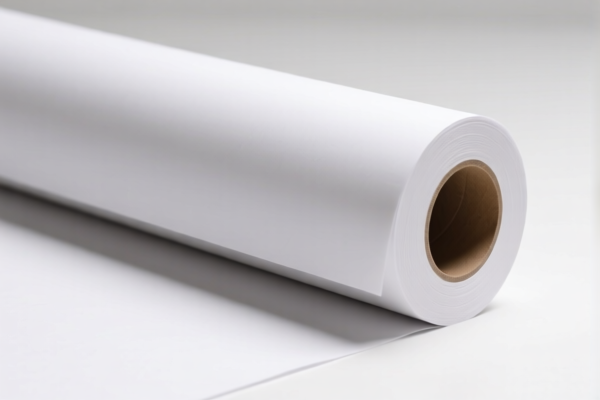
AI Analysis
📸 Color Photo Paper Roll (Commercial Photography)
🌐 HS Code Reference & Customs Clearance Guide | 2026 Latest Tariff Analysis | Professional Strategy for U.S. Imports
📌 I. Product Definition & Classification: What Exactly Is "Color Photo Paper"?
Color photo paper rolls, specifically those used for commercial photography, large-format art printing, and non-continuous tone imaging, are specialized coated papers. In international trade, their classification hinges on their material composition, chemical coating (silver halide vs. standard coating), and intended use.
The key distinction lies between: * Light-sensitive Silver Halide Paper (HS 3703): Paper chemically treated with silver halides for photographic development. * Coated/Decorative Paper (HS 4823/4811): Paper that is coated for aesthetic or functional purposes (e.g., inkjet ready, high-gloss) but lacks the light-sensitive chemical layer for direct photography.
⚠️ Critical Distinction Point: - If the paper is light-sensitive (requires darkroom processing) → Classified under Chapter 37. - If the paper is standard coated paper (used for inkjet/laser printing or general art) → Classified under Chapter 48.
📦 II. HS Code Classification Details (2026 Latest Tariff Authority Comparison)
Based on the provided data, here are the four potential classifications for Color Photo Paper Rolls:
| HS Code | Product Description | Application Scenario | Chemical Nature |
|---|---|---|---|
3703.10.30.60 |
Large-format photographic paper rolls, silver halide material, roll format, for drawing/artistic purposes | Fine art printing, high-end photographic labs, darkroom use | ✅ Light-sensitive (Silver Halide) |
3703.10.30.90 |
Large-format photographic paper rolls, photosensitive material, roll format, for non-continuous tone image shooting | Commercial photography, press printing, technical imaging | ✅ Light-sensitive (Photosensitive) |
4823.90.67.00 |
Large-format photographic paper rolls, coated paper material, roll format, fits coated paper/board products | Commercial inkjet printing, general graphic arts, non-agitative use | ❌ Non-sensitive (Standard Coated) |
4823.90.86.80 |
Paper products, roll format, fits other paper/board products classification | General use, backup stock, non-specialized coated paper | ❌ Non-sensitive (Generic) |
4811.90.80.30 |
Photo paper, roll format, fits coated paper category characteristics | Commercial printing, standard photo labs using non-silver halide tech | ❌ Non-sensitive (Standard Coated) |
🔍 Key Reminder: - "Commercial Photography" often implies high-volume, precise image reproduction. If the process involves silver halide chemistry (traditional or digital C-type), use 3703. - If the "photography" refers to digital inkjet printing on coated paper, use 4823 or 4811. - Misclassification between Chapter 37 (Chemical) and Chapter 48 (Paper) is a common customs error that leads to detention.
💰 III. 2026 Latest Tariff Rate Breakdown (Including Surcharges & Policy Add-ons)
✅ Applicable Country: United States (US)
✅ Origin: China (CN) (Note: Rates apply if goods originate from China)
✅ Effective Date: Includes surcharges effective Nov 10, 2025, onwards
🎯 1. 3703.10.30.60 & 3703.10.30.90 —— Light-sensitive Photographic Paper
| Item | Content |
|---|---|
| Base Tariff Rate | 3.7% (Ad Valorem) |
| Section 301 Surcharge | +25.0% (Retaliatory Tariff on Chinese Goods) |
| Section 122 Tariff | +10.0% (Specific provision for certain paper/photo products) |
| Total Effective Rate | 38.7% |
| Tax Calculation | CIF Value × 38.7% |
| De Minimis Exemption | ❌ Not Applicable (Deny de minimis for Chinese origin goods >$800 if restricted) |
| Legal Basis Path | HTSUS:3703.10.30.60 → Section 301 Footnote 9903.88.01 → Section 122 Provision |
📌 Explanation: - Base 3.7%: Standard US MFN tariff for photographic paper. - 25% Section 301: This is the major cost driver. Chapter 37 products from China are heavily targeted. - 10% Section 122: An additional specific tariff layer applied to this subheading. - Total 38.7%: This is a high-cost category. Importers must factor this into pricing.
🎯 2. 4823.90.67.00 & 4823.90.86.80 & 4811.90.80.30 —— Coated/General Paper Products
| Item | Content |
|---|---|
| Base Tariff Rate | 0.0% (Free or Low Duty) |
| Section 301 Surcharge | +25.0% (Retaliatory Tariff on Chinese Goods) |
| Section 122 Tariff | +10.0% (Specific provision for certain paper/photo products) |
| Total Effective Rate | 35.0% |
| Tax Calculation | CIF Value × 35.0% |
| De Minimis Exemption | ❌ Not Applicable (Same restrictions as above) |
| Legal Basis Path | HTSUS:4823.90.67.00 → Section 301 Footnote 9903.88.01 → Section 122 Provision |
📌 Explanation: - Base 0.0%: Many coated paper products enjoy free entry under normal MFN. - 25% Section 301: Even though the base is 0%, the 301 surcharge applies fully. - 10% Section 122: This specific tariff also applies to these paper subheadings. - Total 35.0%: Slightly cheaper than the light-sensitive paper (3.7% base), but still significantly impacted by trade policies.
📌 Comparison: - Light-sensitive (3703): 38.7% Total - Coated Paper (4823/4811): 35.0% Total - Savings: 3.7% if correctly classified as non-light-sensitive paper.
🛠️ IV. Customs Clearance Practical Advice (Real-World Pitfall Avoidance)
✅ 1. Required Documentation Checklist (Non-Negotiable)
| Document | Mandatory? | Explanation |
|---|---|---|
| ✅ Product Specification Sheet | ✔️ | Must detail: Weight, Coating Type (Silver Halide vs. Inkjet), Width, Length, GSM. |
| ✅ Ingredient/Chemical Disclosure | ✔️ | Critical: Declare if Silver Halide is present. If yes → HS 3703. If no → HS 4823. |
| ✅ Product Photos | ✔️ | Clear images of the roll, labeling, and packaging. Show brand, model, and any "For Artistic Use" labels. |
| ✅ Commercial Invoice | ✔️ | Must clearly state: "Color Photo Paper Roll," Country of Origin, and HS Code. |
| ✅ Packing List | ✔️ | Itemize gross/net weight, dimensions, and number of rolls. |
| ✅ Certificate of Origin (CO) | ✔️ | Essential for verifying Chinese origin and applying surcharges correctly. |
✅ 2. Declaration Strategy (Key Mnemonics)
🔥 “Chemical Defines Chapter, Not Just the Look!”
| Scenario | Correct Declaration | Wrong Action | Consequence |
|---|---|---|---|
| Traditional Photo Lab (Develops images) | 3703.10.30.60/90 |
Declare as "Coated Paper" (4823) | Underpayment Risk: Audit, back taxes + penalties. |
| Digital Inkjet Printing (No chemical development) | 4823.90.67.00 or 4811.90.80.30 |
Declare as "Silver Halide Paper" (3703) | Overpayment Risk: Pay extra 3.7% unnecessarily. |
| Mixed Packaging (Photo paper + ink cartridges) | Split Declaration | Bundle as one item | Complexity: Ink may have different rules. Split for clarity. |
| "Artistic Use" Labeling | Keep label on invoice | Remove label | Ambiguity: Customs may inspect more thoroughly. |
✅ 3. Special Case Handling
| Situation | Handling Advice |
|---|---|
| Large Format (Architectural) Printing | Often classified under 4823.90.67.00. Provide CAD prints or sample prints to prove it's not for chemical development. |
| OEM/White Label Products | Provide contract with client. Ensure the "Material Composition" matches the HS code. |
| Samples for Exhibition | If value < $800, check if de minimis applies. Warning: Many paper/photo items are restricted for de minimis entry from China. |
| Re-Exports | If importing for re-export to Canada/Mexico (USMCA), ensure the HS code is eligible for preferential treatment. |
🌍 V. Global Market Comparison (2026 Update)
| Country/Region | Recommended HS Code | Tariff (China Origin) | Key Certification | Remarks |
|---|---|---|---|---|
| 🇺🇸 USA | 3703.10.30.90 or 4823.90.67.00 |
38.7% or 35.0% | None Specific | High surcharges due to 301/122. |
| 🇨🇳 China | 3703.10.30.90 or 4823.90.67.00 |
Varies (0-5%) | CCC (if applicable) | Low duty, no 301. |
| 🇪🇺 EU | 3703.41 or 4811.40 |
Varies (0-6.5%) | REACH (Chemicals) | Strict chemical registration (REACH) for silver halide. |
| 🇦🇺 Australia | 3703.41 or 4823.90 |
Varies (0-5%) | GOTS (if organic) | Generally lower tariffs. |
📌 Conclusion: - The US market is the most expensive due to the layered 35-38.7% tariff structure. - REACH Compliance is critical for EU imports of silver halide paper. - Cost Optimization: If the product is not light-sensitive, strongly consider classifying under 4823/4811 to save 3.7% base duty, though surcharges remain similar.
📌 VI. Common Errors & Pitfalls (Blood & Tears Lessons)
❌ Error 1: Declaring Silver Halide Paper as Standard Coated Paper (4823) to avoid Section 301.
👉 Consequence: Customs audit finds chemical residue → Penalties + Back Taxes + Seizure.
❌ Error 2: Ignoring Section 122 Tariff. 👉 Consequence: Even if base duty is 0%, missing the 10% Section 122 leads to underpayment.
❌ Error 3: Using vague descriptions like "Paper Rolls" on the Invoice. 👉 Consequence: Customs assigns a higher, unknown code or delays shipment for inspection.
❌ Error 4: Assuming "Photo Paper" automatically means 3703.
👉 Consequence: Many modern "photo papers" for inkjet are 4823. Misclassification leads to overpaying 3.7%.
✅ Correct Action:
"Silver Halide? Use 3703. Inkjet/Coated? Use 4823/4811. Always declare 'China Origin' explicitly."
🎯 VII. Conclusion: Professional Declaration for Cost Efficiency
🎯 Remember the Mnemonic:
🔹 "Chemical = 3703 (38.7%), Coated = 4823 (35.0%)
🔹 "Base is cheap, Surcharges are steep, Declare true, or pay the fee!"
📌 Tips:
- If your product is 100% inkjet compatible and contains no light-sensitive chemicals, fight for 4823/4811 classification to save the 3.7% base duty.
- Always include a "Statement of Non-Sensitivity" if using Chapter 48.
- Pre-Arrangement: For large volumes, consider an Advance Ruling from US CBP to lock in the HS code.
📣 Immediate Action:
📞 Consult with a licensed customs broker.
📝 Provide Technical Data Sheets highlighting chemical composition.
🚀 Clear Customs Smoothly, Maximize Profit Margins!
✨ Professional Clearance Starts with Accurate Classification!
💼 Every Percent Counts in International Trade!
Customer Reviews
About HS Code Classification
The Harmonized System (HS) is an internationally standardized nomenclature developed by the World Customs Organization (WCO) to classify traded products. Over 200 countries use the HS system as the basis for customs tariffs, trade statistics, and import/export regulations.
Each HS code follows a hierarchical structure:
- Chapter (2 digits) — Broad category of goods (e.g., Chapter 84: Machinery and Mechanical Appliances)
- Heading (4 digits) — More specific grouping within the chapter
- Subheading (6 digits) — Internationally standardized breakdown, used by all WCO member countries
- National subdivisions (8-10 digits) — Country-specific extensions for further classification, such as US HTSUS 10-digit codes
Correct HS code classification is essential for smooth customs clearance, accurate duty payment, and compliance with trade regulations. Misclassification can lead to customs delays, overpayment of duties, or penalties.
When importing from CN to US, the applicable tariff rates may include:
- Most-Favored-Nation (MFN) rate — The standard duty rate applied to WTO members
- General rate — Applied to countries without trade agreements
- Trade remedy duties — Additional tariffs such as Section 301 (anti-dumping), Section 232 (national security), or countervailing duties
The information provided on this page is for reference purposes only. For official classification, please consult with your local customs authority or a licensed customs broker.