Color Photo Paper Roll Landscape Photography
CN → US| HS Code | Tariff Rate | Origin | Destination | Doc |
|---|---|---|---|---|
| 4911914040 | 17.5% | CN | US | Official Doc |
| 4911911000 | 17.5% | CN | US | Official Doc |
| 4823906700 | 35.0% | CN | US | Official Doc |
| 4823908680 | 35.0% | CN | US | Official Doc |
| 3703203030 | 38.7% | CN | US | Official Doc |
Product Images
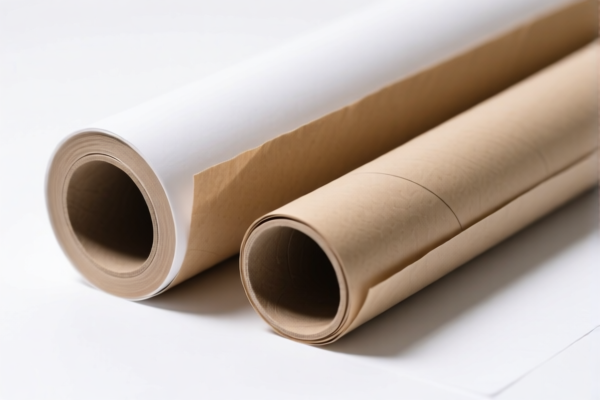
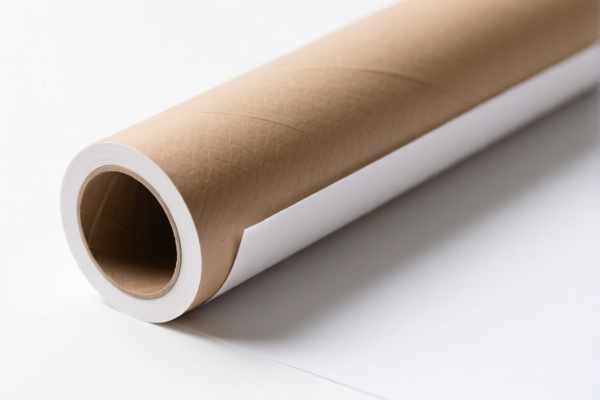
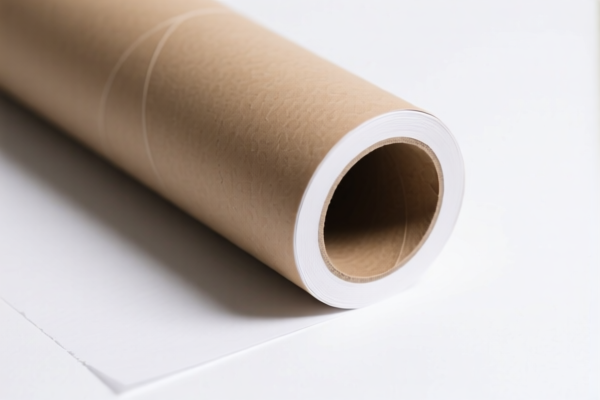
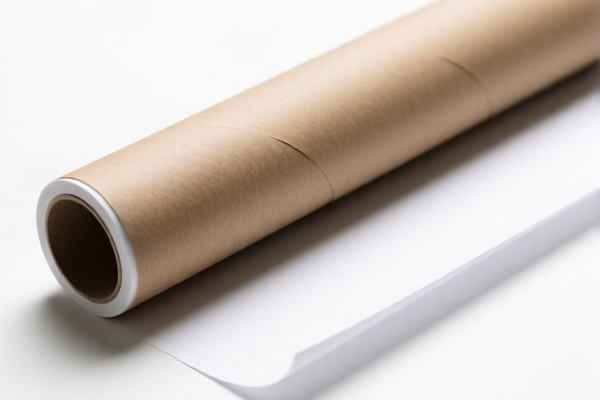
AI Analysis
📸 Color Photo Paper Roll (Landscape Photography)
🌐 HS Code Reference & Customs Clearance Guide | 2026 Latest Tariff Analysis | Professional Clearance Strategy
📌 I. Product Definition & Classification: Do You Really Know "Color Photo Paper"?
Color Photo Paper Roll (specifically for landscape/architectural photography) is a specialized imaging material used in professional and artistic photography. In international trade, its classification depends heavily on its material composition, coating type, and intended use. It can fall into three distinct categories:
1. Photographic Paper (Finished/Printed Product):
Paper that has been processed into a final printed product or is classified as a specific type of photographic paper under Chapter 49 (Printed books, newspapers, pictures, and other products of the printing industry).
2. Coated Paper (Raw Material):
Paper that is coated with substances to enhance its appearance or specific properties (such as glossiness for photos) but is not yet a finished photographic print. This falls under Chapter 48 (Paper and paperboard).
3. Halide Photographic Paper (Specialized Chemical):
Paper specifically impregnated, coated, or covered with photographic chemicals (e.g., silver halides) intended for darkroom or chemical processing. This falls under Chapter 37 (Photographic or cinematographic goods).
⚠️ Key Distinction Point:
- If it is basic coated paper (no specific photographic chemicals for immediate image formation) → Chapter 48
- If it is finished printed images or classified as photographic paper under printing industry rules → Chapter 49
- If it is silver halide/chemical-impregnated paper for direct photographic use → Chapter 37
📦 II. HS Code Classification Details (2026 Latest Tariff Authority Comparison)
| HS Code | Product Description | Application Scenario | Tax Logic |
|---|---|---|---|
4911.91.40.40 |
Other printed matter: Pictures, designs, photographs; paper rolls; architectural photography | Classified as "Other Printed Matter" under Chapter 49. Focuses on the nature of the item as a printed/design product. | ✅ 35% (See below) |
4911.91.10.00 |
Other printed matter: Pictures, designs, photographs; paper rolls; architectural photography | Focuses on the use (architectural/landscape photography) and form (roll). Matches Chapter 49 logic. | ✅ 35% (See below) |
4823.90.67.00 |
Other paper, paperboard, cardboard, articles thereof: Coated paper; photographic paper category | Classified as Coated Paper. Focuses on the material (paper) and form (roll). Belongs to other coated paper. | ✅ 35% (See below) |
4823.90.86.80 |
Other paper, paperboard, cardboard, articles thereof: Other paper products | Classified as Other Paper Product. Focuses on the material (paper) and form (roll). | ✅ 35% (See below) |
3703.20.30.30 |
Photographic paper, paperboard, textiles, plasticized or not: Colored silver halide photographic paper; roll form | Classified as Halide Photographic Paper. Focuses on chemical material (silver halide) and use (photography). | ✅ 38.7% (See below) |
🔍 Key Reminder:
- Chapter 49 codes (4911...) are often used when the paper is considered a "printed matter" or "design product," especially if it’s high-end architectural/artistic stock.
- Chapter 48 codes (4823...) are used when the paper is treated as a raw material (coated paper) before further processing or printing.
- Chapter 37 code (3703...) is the most specific for chemical photographic paper (silver halide). If the paper is chemically treated for direct image capture, this is the most technically accurate code, but it carries the highest tariff.
💰 III. 2026 Latest Tariff Rate Breakdown (Including Surcharges & Policy Add-ons)
✅ Applicable Country: United States (US)
✅ Origin: China (CN)
✅ Effective Date: From November 10, 2025 (including subsequent imports)
🎯 1. 4911.91.40.40 & 4911.91.10.00 — Chapter 49: Other Printed Matter / Pictures
| Item | Content |
|---|---|
| Base Tariff | 0% (ad valorem) |
| Section 301 Surcharge | +7.5% |
| Section 122 Tariff | +10% |
| Total Rate | 17.5% |
| Tax Calculation | CIF Value × 17.5% |
| De Minimis Eligibility | ❌ No (deny_de_minimis) |
| Legal Basis Path | Section 301 → Section 122 → 4911.91.xxxx |
📌 Explanation:
- The Section 301 Surcharge (7.5%) is part of the ongoing US-China trade tensions.
- The Section 122 Tariff (10%) is a specific additional duty applied to certain imports.
- Total 17.5% is moderate compared to Chapter 37, making Chapter 49 codes attractive for importers if the classification allows.
🎯 2. 4823.90.67.00 & 4823.90.86.80 — Chapter 48: Other Paper Products / Coated Paper
| Item | Content |
|---|---|
| Base Tariff | 0% (ad valorem) |
| Section 301 Surcharge | +25.0% |
| Section 122 Tariff | +10% |
| Total Rate | 35.0% |
| Tax Calculation | CIF Value × 35.0% |
| De Minimis Eligibility | ❌ No (deny_de_minimis) |
| Legal Basis Path | Section 301 → Section 122 → 4823.90.xxxx |
📌 Note:
- Chapter 48 paper products face higher Section 301 surcharges (25%) compared to Chapter 49 (7.5%).
- Even though the base rate is 0%, the 35% total tariff is significant. Importers must carefully justify why the product is "coated paper" and not "photographic paper" to see if Chapter 49 or 37 applies.
🎯 3. 3703.20.30.30 — Chapter 37: Photographic Paper (Silver Halide)
| Item | Content |
|---|---|
| Base Tariff | 3.7% (ad valorem) |
| Section 301 Surcharge | +25.0% |
| Section 122 Tariff | +10% |
| Total Rate | 38.7% |
| Tax Calculation | CIF Value × 38.7% |
| De Minimis Eligibility | ❌ No (deny_de_minimis) |
| Legal Basis Path | Section 301 → Section 122 → 3703.20.xxxx |
📌 Critical Alert:
- This is the most technically accurate code for silver halide photographic paper.
- It has a base tariff of 3.7% (unlike 0% for others), plus 25% Section 301 and 10% Section 122.
- Total 38.7% is the highest among all options.
- Importers should only use this if the product is definitively chemical-impregnated silver halide paper. If it’s just "coated photo paper" (inkjet or dry process), Chapter 48 or 49 may be more appropriate (but with different tax implications).
🛠️ IV. Customs Clearance Practical Advice (Battle-Tested Pitfall Guide)
✅ 1. Required Documentation Checklist (None Can Be Omitted)
| Document | Mandatory? | Description |
|---|---|---|
| ✅ Product Specification Sheet | ✔️ | Must specify: Type (Inkjet/Silver Halide/Dye-sub), Coating, Size, Roll Length, Weight. |
| ✅ Chemical Composition Report | ✔️ | Crucial to distinguish between Silver Halide (Ch.37) and Coated Paper (Ch.48). |
| ✅ Product Photos | ✔️ | Clear images of the roll, packaging, and label showing "Landscape/Architectural Photography Use." |
| ✅ Commercial Invoice | ✔️ | Must clearly state: "Color Photo Paper Roll for Landscape Photography" and HS Code. |
| ✅ Packing List | ✔️ | Detail weight, dimensions, and number of rolls per carton. |
| ✅ Certificate of Origin (CO) | ✔️ | If non-China origin, may qualify for reduced tariffs. |
✅ 2. Declaration Strategy (Key Mantra)
🔥 “Material Determines Chapter, Use Determines Subheading!”
| Scenario | Correct Declaration | Incorrect Action |
|---|---|---|
| Silver Halide Paper (Chemical) | 3703.20.30.30 |
Misdeclare as "Paper" → Risk of penalty + back taxes |
| Inkjet Photo Paper (Coated) | 4823.90.67.00 or 4823.90.86.80 |
Misdeclare as "Photographic Film" → Wrong chapter |
| Finished Art Prints on Paper Roll | 4911.91.40.40 or 4911.91.10.00 |
Misdeclare as "Raw Paper" → Overpaying tariffs? No, underpaying if caught. |
| Generic Coated Paper | 4823.90.86.80 |
Use "Photographic Paper" in name → Triggers Ch.37 scrutiny |
📌 Warning:
- If you declare Ch.48 but customs tests it and finds Silver Halide, you will be reclassified to Ch.37 and face back taxes + penalties.
- If you declare Ch.37 but it’s just Inkjet Paper, you will pay 38.7% instead of 35% or 17.5% unnecessarily.
- Always provide chemical composition data to support your HS Code choice.
✅ 3. Special Cases Handling
| Situation | Handling Advice |
|---|---|
| OEM Custom Paper | Provide client’s technical specs and design proofs to support "Architectural/Landscape" use for Ch.49 classification. |
| Mixed Containers (Paper + Films) | Do not mix! Declare separately. Film is Ch.37, Paper is Ch.48/49. Mixing causes clearance delays. |
| Samples for Exhibitions | May qualify for temporary admission or de minimis if under $800, but verify current US regulations. |
| Re-exported Material | If imported under Ch.48 for further processing, ensure proper bond is posted to avoid final tariff liability. |
🌍 V. Global Market Clearance Comparison (2026 Latest)
| Country/Region | Recommended HS Code | Tariff | Certification Requirements | Notes |
|---|---|---|---|---|
| 🇺🇸 USA | 3703.20.30.30 |
38.7% (CN) | None | Highest tariff; Ch.48 is 35%, Ch.49 is 17.5%. |
| 🇨🇳 China | 3703.20.30.30 |
~5-10% | N/A | Lower import tariffs, no Section 301. |
| 🇪🇺 EU | 3703.20.30.30 |
~4-6% | REACH (if chemicals) | No Section 122/301 surcharges. |
| 🇬🇧 UK | 3703.20.30.30 |
~4-6% | UKCA | Post-Brexit rules apply. |
| 🇯🇵 Japan | 3703.20.30.30 |
~3-5% | PSE (if electronic accessories) | Low tariffs, no US-style surcharges. |
📌 Conclusion:
- USA is the most expensive market for Color Photo Paper due to Section 301 (25%) and Section 122 (10%) tariffs.
- Choosing the right Chapter (48 vs. 49 vs. 37) can save 21.2% (38.7% - 17.5%) or 3.7% (38.7% - 35%) per CIF value.
- China-origin goods face the highest burden in the US. Consider transshipment or origin change if feasible.
📌 VI. Common Errors & Pitfall Guide (Lessons Learned)
❌ Error 1: Declaring all "Photo Paper" as 3703 regardless of chemistry.
👉 Consequence: Overpaying tariffs by 3.7%-21.2% on inkjet/coated papers.
❌ Error 2: Declaring Silver Halide paper as 4823 (Coated Paper).
👉 Consequence: Customs detects chemical impregnation → Back taxes + 20% penalty + Audit.
❌ Error 3: Missing "Section 122" surcharge in cost calculation.
👉 Consequence: Underestimating landed cost by 10% → Profit margin erosion.
❌ Error 4: Not specifying "Roll" vs. "Sheet" in description.
👉 Consequence: Customs confusion → Clearance delay + Storage fees.
✅ Correct Practice:
"Color Silver Halide Photographic Paper, Roll Form, 50cm x 100m, for Landscape Photography, Ch.37, 100% China Origin"
🎯 VII. Conclusion: Precise Classification Saves Money!
🎯 Remember the Mantra:
🔹 "Silver Halide = Ch.37 (High Tax), Coated Paper = Ch.48 (Med Tax), Printed/Design = Ch.49 (Low Tax)."
🔹 "US Tariffs are brutal; get your chemistry report right!"
🔹 "17.5% vs 38.7% is a $21,200 difference on $100,000 CIF!"
📌 Pro Tip:
If your photo paper is manufactured in Vietnam, Mexico, or Thailand, you may exempt Section 301 and 122 tariffs, reducing rates to 0%-5%.
Recommend Advance Ruling from US Customs (CBP) to lock in your HS Code and avoid disputes.
📣 Immediate Action:
📞 Contact a professional customs broker + Provide Chemical Composition Sheet + Request HS Code Advance Ruling
🚀 Let your photo paper clear smoothly, reduce costs, and maximize profits!
✨ Professional Clearance Starts with Accurate Classification!
💼 Every dollar in tariffs is money lost—optimize it!
Customer Reviews
About HS Code Classification
The Harmonized System (HS) is an internationally standardized nomenclature developed by the World Customs Organization (WCO) to classify traded products. Over 200 countries use the HS system as the basis for customs tariffs, trade statistics, and import/export regulations.
Each HS code follows a hierarchical structure:
- Chapter (2 digits) — Broad category of goods (e.g., Chapter 84: Machinery and Mechanical Appliances)
- Heading (4 digits) — More specific grouping within the chapter
- Subheading (6 digits) — Internationally standardized breakdown, used by all WCO member countries
- National subdivisions (8-10 digits) — Country-specific extensions for further classification, such as US HTSUS 10-digit codes
Correct HS code classification is essential for smooth customs clearance, accurate duty payment, and compliance with trade regulations. Misclassification can lead to customs delays, overpayment of duties, or penalties.
When importing from CN to US, the applicable tariff rates may include:
- Most-Favored-Nation (MFN) rate — The standard duty rate applied to WTO members
- General rate — Applied to countries without trade agreements
- Trade remedy duties — Additional tariffs such as Section 301 (anti-dumping), Section 232 (national security), or countervailing duties
The information provided on this page is for reference purposes only. For official classification, please consult with your local customs authority or a licensed customs broker.