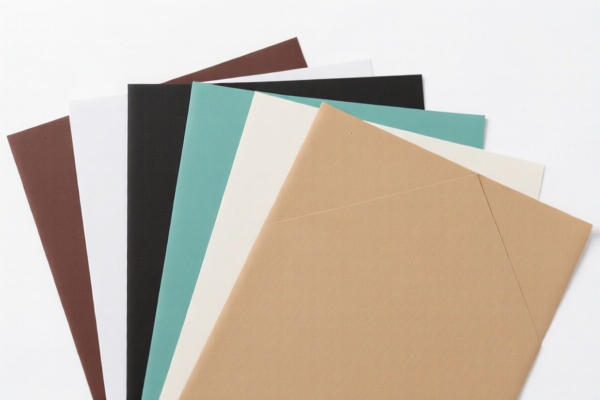
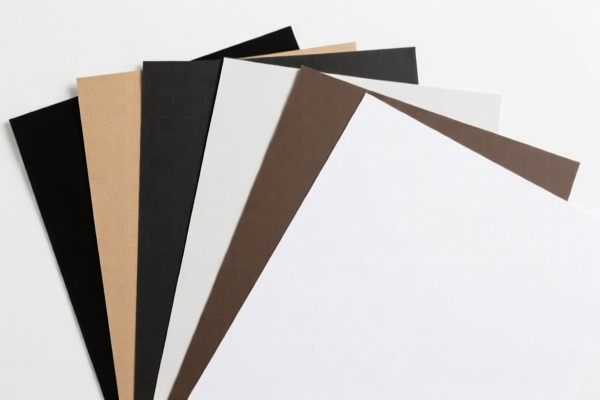
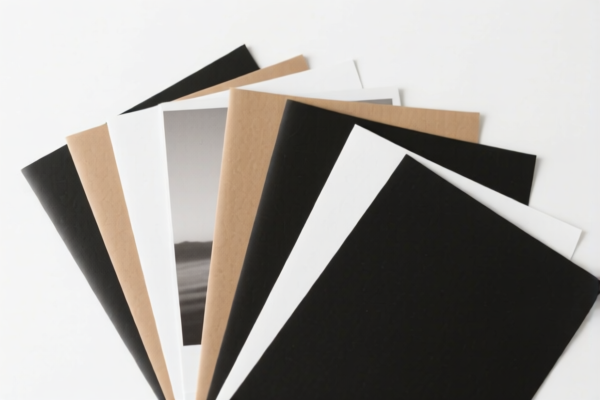
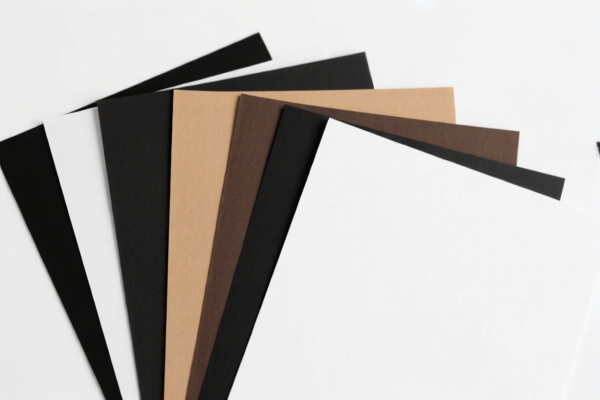
Color Photo Paper Sheets
CN → US| HS Code | Tariff Rate | Origin | Destination | Doc |
|---|---|---|---|---|
| 4811512020 | 35.0% | CN | US | Official Doc |
| 4810131120 | 35.0% | CN | US | Official Doc |
| 4811512050 | 35.0% | CN | US | Official Doc |
| 4810141140 | 35.0% | CN | US | Official Doc |
| 4823908680 | 35.0% | CN | US | Official Doc |
Product Images
AI Analysis
📸 Color Photo Paper Sheets: HS Code Classification & U.S. Customs Clearance Guide (2026)
🌐 HS Code Reference & Customs Clearance Strategy | Latest 2026 Tariff Analysis | Professional Compliance Guide
📌 I. Product Definition & Classification: What Exactly Are "Color Photo Paper Sheets"?
Color Photo Paper is a specialized coated paper used for printing high-quality photographic images. It is characterized by a light-sensitive or specialized coating layer that enhances color reproduction, durability, and water resistance.
In international trade, classification depends on: 1. Base Material: Usually paper/cardboard. 2. Coating Type: Glossy, matte, satin, or photo-sensitive coatings. 3. Format: Sheets (A3, A4, etc.), rolls, or cut sizes. 4. Usage: Photography, graphic design, commercial printing.
⚠️ Key Distinction:
- If the paper is coated and intended for photographic/graphic use → Likely Chapter 48 (Paper & Paperboard).
- If it is uncoated plain paper → Different heading.
- If it is roll-form vs. sheet-form → May affect sub-heading selection.
📦 II. HS Code Classification Details (2026 Latest Tariff Schedule)
Based on the provided data, here are the 5 recommended HS Codes for "Color Photo Paper Sheets" with their tax implications:
| HS Code | Product Description | Key Attributes | Tax Rate |
|---|---|---|---|
4811.51.20.20 |
Coated paper sheets for folding carton blanks | Coated, sheet format, non-specific use | 35% |
4810.13.11.20 |
Coated base paper for photographic sensitization | Specifically for photo/sensitized paper | 35% |
4811.51.20.50 |
Other coated paper sheets (not for packaging) | Coated, sheet format, general use | 35% |
4810.14.11.40 |
Other coated paper for printing/graphics | Coated, sheet format, inkjet compatible | 35% |
4823.90.86.80 |
Other paper articles, cut to size/shape | Final cut sheets, general purpose | 35% |
🔍 Selection Logic:
-4810.13.11.20is the most accurate if the paper is explicitly for photographic/sensitized use (e.g., professional photo labs).
-4810.14.11.40is ideal for consumer inkjet photo paper used in graphic design or home printing.
-4811.51.20.20and4811.51.20.50are fallbacks for general coated paper sheets not strictly for photography.
-4823.90.86.80is for finished cut sheets not fitting other specific categories.
💰 III. 2026 U.S. Tariff Rate Breakdown (Including Additional Duties)
✅ Applicable Country: United States (US)
✅ Origin: China (CN)
✅ Effective Date: From November 10, 2025 (and subsequent imports)
🎯 All Listed HS Codes Carry the Same Tax Structure:
| Component | Rate | Source |
|---|---|---|
| Base Duty | 0.0% | Standard MFN rate for most paper products |
| Section 301 Duty | 25.0% | USITC Footnote for Chinese-origin goods |
| IEEPA Duty (Section 122) | 10.0% | International Emergency Economic Powers Act |
| Total Duty Rate | 35.0% | Sum of all applicable duties |
📌 Detailed Explanation:
- Base Rate (0%): Paper products generally enjoy low or zero base tariffs under WTO MFN.
- Section 301 Duty (25%): Applies to most Chinese-origin goods to address unfair trade practices.
- IEEPA Duty (10%): Additional surcharge on Chinese imports under current executive orders.
- Total (35%): No de minimis exemption applies. All shipments are subject to full calculation on CIF value.
🛠️ IV. Customs Clearance Best Practices (Avoid Common Pitfalls)
✅ 1. Required Documentation Checklist
| Document | Required? | Notes |
|---|---|---|
| Commercial Invoice | ✅ Yes | Must clearly state "Color Photo Paper Sheets" |
| Packing List | ✅ Yes | Include dimensions, weight, and quantity |
| Product Specification | ✅ Yes | Detail coating type (glossy/matte), basis weight, and usage |
| COA (Certificate of Analysis) | ✅ Recommended | Verify coating composition and material safety |
| FCC/RoHS Compliance | ✅ Optional | If electronic components are involved (e.g., smart packaging) |
| Origin Certificate | ✅ Yes | Prove Chinese origin to apply correct duty rates |
✅ 2. Declaration Tips (Critical for Accuracy)
🔥 Golden Rule:
"Specify Coating, Specify Use, Avoid Ambiguity!"
| Scenario | Correct Declaration | Risk of Misclassification |
|---|---|---|
| Inkjet Photo Paper | 4810.14.11.40 – Coated paper for inkjet printing |
If declared as "plain paper" → Higher scrutiny |
| Professional Photo Paper | 4810.13.11.20 – Sensitized photographic paper |
If declared as "coated paper" → May still be accepted but less precise |
| General Coated Paper | 4811.51.20.20 – Coated paper sheets |
If declared as "photo paper" → May trigger additional inspection |
| Cut Sheets | 4823.90.86.80 – Cut paper articles |
If declared as "rolls" → Incorrect form factor |
✅ 3. Special Cases
| Case | Handling Advice |
|---|---|
| Sample Shipments | Still subject to 35% duty. No de minimis exemption for commercial goods. |
| Blended Shipments | Separate photo paper from other goods. Mixed HS codes require separate declarations. |
| Smart Packaging | If paper includes chips/circuits, may fall under Chapter 85. Consult customs broker. |
| Non-Chinese Origin | If manufactured in Vietnam/Malaysia, different duty rules may apply. Provide proper CO. |
🌍 V. Global Market Comparison (2026)
| Country | Recommended HS Code | Total Duty (CN Origin) | Notes |
|---|---|---|---|
| 🇺🇸 USA | 4810.13.11.20 etc. |
35% | 0% base + 25% (301) + 10% (IEEPA) |
| 🇨🇳 China | 4810.13.11.20 |
5% | Standard import duty for paper products |
| 🇪🇺 EU | 4810.13.00.00 |
6.5% | Standard EU duty for coated paper |
| 🇬🇧 UK | 4810.13.00.00 |
6.5% | Post-Brexit standard rates |
| 🇦🇺 Australia | 4810.13.00.00 |
5% | General tariff rate |
📌 Key Insight:
- USA imposes the highest effective duty (35%) due to trade tensions.
- EU/UK/Australia apply standard MFN rates without additional surcharges.
- Consider supply chain relocation if targeting the US market.
📌 VI. Common Mistakes & How to Avoid Them
❌ Mistake 1: Declaring "Photo Paper" as "Paper" without specifying coating
👉 Result: Customs may reclassify under a higher-tariff category or demand additional documentation.
✅ Fix: Use precise HS codes like 4810.13.11.20 or 4810.14.11.40.
❌ Mistake 2: Omitting "Coated" in description
👉 Result: Risk of being classified as uncoated paper (different HS code).
✅ Fix: Always specify "Coated" and "Glossy/Matte/Satin" in invoice.
❌ Mistake 3: Assuming de minimis exemption applies
👉 Result: Small shipments still pay 35% duty.
✅ Fix: Budget for full duty in cost model, regardless of shipment size.
❌ Mistake 4: Mixing HS codes in one shipment
👉 Result: Complex customs valuation and potential delays.
✅ Fix: Separate shipments by HS code or declare accurately with breakdowns.
🎯 VII. Conclusion: Precision in Classification = Savings in Costs
🎯 Key Takeaways:
🔹 USA Duty is 35% – No exceptions for Chinese-origin photo paper.
🔹 HS Code Selection Matters –4810.13.11.20for professional photo paper;4810.14.11.40for consumer inkjet paper.
🔹 Documentation is Critical – Clear specs, accurate descriptions, and proper CO are mandatory.
🔹 Consider Alternative Markets – EU, UK, and Asia offer lower duties for Chinese paper exports.📞 Action Step:
- Consult a licensed customs broker for pre-clearance.
- Request an Advance Ruling from U.S. Customs (CBP) for certainty.
- Audit your supply chain to evaluate duty optimization strategies.
✨ Professional clearance starts with precise classification.
💼 Every cent saved on duty improves your bottom line.
📣 Disclaimer:
This guide is for informational purposes only. Tariff rates and regulations are subject to change. Always verify with the latest U.S. Customs and Border Protection (CBP) guidelines or a qualified customs broker before shipping.
Customer Reviews
About HS Code Classification
The Harmonized System (HS) is an internationally standardized nomenclature developed by the World Customs Organization (WCO) to classify traded products. Over 200 countries use the HS system as the basis for customs tariffs, trade statistics, and import/export regulations.
Each HS code follows a hierarchical structure:
- Chapter (2 digits) — Broad category of goods (e.g., Chapter 84: Machinery and Mechanical Appliances)
- Heading (4 digits) — More specific grouping within the chapter
- Subheading (6 digits) — Internationally standardized breakdown, used by all WCO member countries
- National subdivisions (8-10 digits) — Country-specific extensions for further classification, such as US HTSUS 10-digit codes
Correct HS code classification is essential for smooth customs clearance, accurate duty payment, and compliance with trade regulations. Misclassification can lead to customs delays, overpayment of duties, or penalties.
When importing from CN to US, the applicable tariff rates may include:
- Most-Favored-Nation (MFN) rate — The standard duty rate applied to WTO members
- General rate — Applied to countries without trade agreements
- Trade remedy duties — Additional tariffs such as Section 301 (anti-dumping), Section 232 (national security), or countervailing duties
The information provided on this page is for reference purposes only. For official classification, please consult with your local customs authority or a licensed customs broker.