Color Photo Printing Paper Semi Gloss
CN → US| HS Code | Tariff Rate | Origin | Destination | Doc |
|---|---|---|---|---|
| 4810131120 | 35.0% | CN | US | Official Doc |
| 4811592000 | 35.0% | CN | US | Official Doc |
| 4811903000 | 35.0% | CN | US | Official Doc |
| 3703903030 | 38.7% | CN | US | Official Doc |
| 4823906000 | 35.0% | CN | US | Official Doc |
Product Images
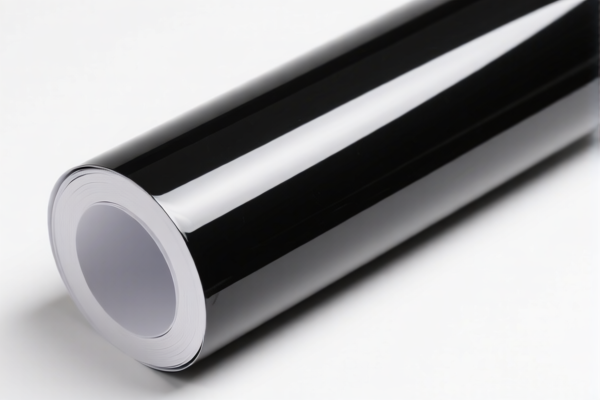
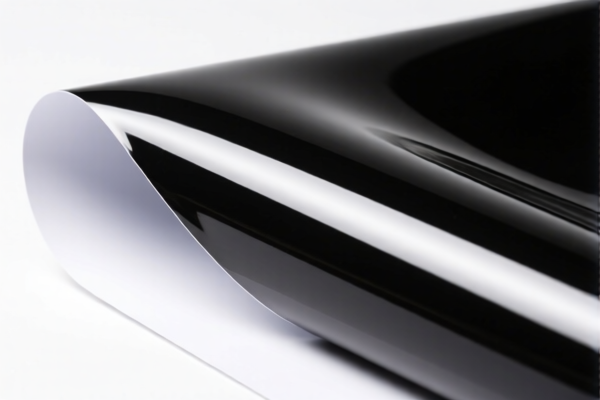
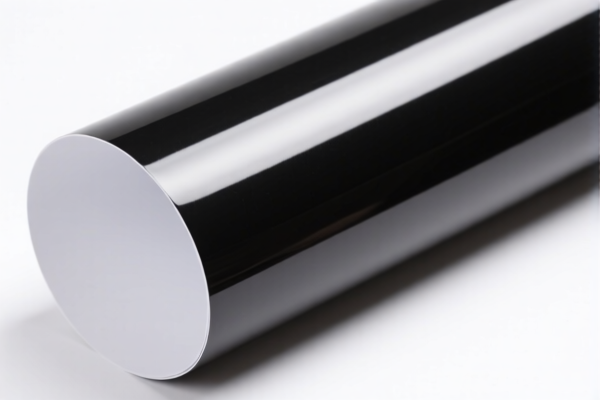
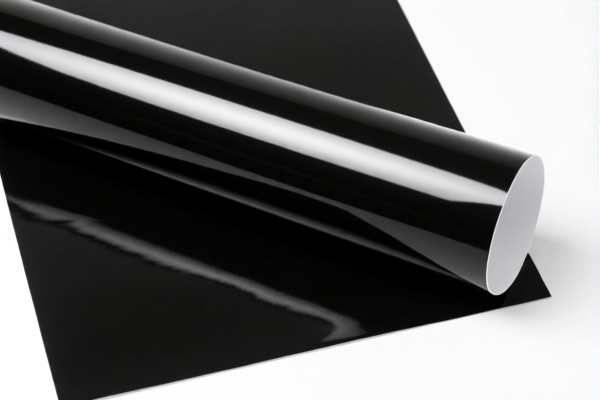
AI Analysis
📸 Color Photo Printing Paper (Semi-Gloss)
🌐 HS Code Reference & Customs Clearance Guide | 2024-2025 Tariff Structure | Professional Entry Strategies
📌 I. Product Definition & Classification: What is "Semi-Gloss Photo Paper"?
Color photo printing paper (semi-gloss) is a specialized coated paper used for high-quality photographic image reproduction. It balances the sharpness of gloss paper with the reduced glare and fingerprint resistance of matte paper. In international trade, its classification depends heavily on its manufacturing process and chemical composition:
- Photographic Paper (Silver Halide): Chemically sensitive to light, used for traditional chemical processing or direct-sensitivity printing.
- Inkjet/Laser Photo Paper: Non-sensitive coated paper designed specifically for dye-sublimation, pigment inkjet, or laser printing.
⚠️ Critical Distinction Point:
- If the paper contains silver halide emulsion and requires light-sensitive chemical development → Classified under Chapter 37.
- If it is uncoated/bleached paper with surface coating for ink/toner absorption → Classified under Chapter 48.
📦 II. HS Code Classification Details (Latest Tariff Schedule)
Based on the provided data, here are the specific HS Codes, summaries, and tax implications for Semi-Gloss Color Photo Paper:
| HS Code | Summary / Description | Material & Form | Total Tax Rate | Tax Breakdown |
|---|---|---|---|---|
3703.90.30.30 |
Color Photo Paper (Semi-Gloss) | Material: Silver Halide / Photographic Paper Form: Sheet/Continuous tone |
38.7% | Base: 3.7% Section 301: 25.0% Section 122: 10.0% |
4810.13.11.20 |
Color Photo Printing Paper (Semi-Gloss) | Material: Barium-coated or similar structure Feature: Photographic light-sensitive base paper |
35.0% | Base: 0.0% Section 301: 25.0% Section 122: 10.0% |
4811.59.20.00 |
Color Photo Printing Paper (Semi-Gloss) | Material: Paper / Photo Paper Form: Printing paper for color photos |
35.0% | Base: 0.0% Section 301: 25.0% Section 122: 10.0% |
4811.90.30.00 |
Color Photo Printing Paper (Semi-Gloss) | Material: Paper Form: Sheet, possibly coated |
35.0% | Base: 0.0% Section 301: 25.0% Section 122: 10.0% |
4823.90.60.00 |
Semi-Gloss Color Photo Paper | Material: Coated Paper Form: Paper product, consistent with coated paper/board |
35.0% | Base: 0.0% Section 301: 25.0% Section 122: 10.0% |
🔍 Key Insight:
-3703.90.30.30carries a higher base rate (3.7%) because it is classified as photographic material (Chapter 37), implying it is light-sensitive. -4810/4811/4823codes have a 0% base rate because they are classified as paper products (Chapter 48), typically used for inkjet/laser printing where the paper itself is not light-sensitive before printing.
💰 III. 2024-2025 Tariff Rate Detail Explanation (Including Surcharges)
✅ Applicable Country: United States (US)
✅ Origin: China (CN)
✅ Effective Time: Current applicable rates (Subject to Section 301 & 122 updates)
🎯 1. 3703.90.30.30 – Silver Halide Photographic Paper
| Item | Content |
|---|---|
| Base Tariff | 3.7% (ad valorem) |
| USITC Surcharge (Section 301) | +25.0% |
| Section 122 Surcharge | +10.0% |
| Total Tax Rate | 38.7% |
| Tax Calculation | CIF Value × 38.7% |
| De Minimis Exemption | ❌ Not Eligible (Subject to full duty assessment) |
| Legal Basis Path | 3703.90.30.30 → USITC:8500/301 → Section 122 |
📌 Explanation:
- This code is for light-sensitive photographic paper. The 3.7% base rate reflects its status as a chemical/photo material. - The additional 35% in surcharges (25% Section 301 + 10% Section 122) significantly increases the cost.
🎯 2. 4810.13.11.20 / 4811.59.20.00 / 4811.90.30.00 / 4823.90.60.00 – Coated Printing Paper
| Item | Content |
|---|---|
| Base Tariff | 0.0% |
| USITC Surcharge (Section 301) | +25.0% |
| Section 122 Surcharge | +10.0% |
| Total Tax Rate | 35.0% |
| Tax Calculation | CIF Value × 35.0% |
| De Minimis Exemption | ❌ Not Eligible (Subject to full duty assessment) |
| Legal Basis Path | Chapter 48 → USITC:8500/301 → Section 122 |
📌 Explanation:
- These codes apply to non-sensitive photo paper (e.g., Inkjet/Laser). - Although the base rate is 0%, the 35% surcharge remains high due to trade policies. - Difference: These are 3.7% cheaper than the silver halide paper (3703), but the classification must be accurate to avoid penalties.
🛠️ IV. Customs Clearance Practical Advice (Avoid Pitfalls)
✅ 1. Preparation Checklist (Essential Documents)
| Document | Required? | Note |
|---|---|---|
| Product Specification Sheet | ✔️ | Must specify: Base material (Baryta vs. Standard), Coating type, Light sensitivity (Yes/No), Intended printer type (Inkjet/Laser/Chemical). |
| Product Photos | ✔️ | Show the roll/box, label, and any "Light Sensitive" warnings. |
| Commercial Invoice | ✔️ | Clearly state: "Color Photo Printing Paper, Semi-Gloss, [Inkjet/Laser/Silver Halide]". Do NOT use generic terms like "Photographic Paper" without specifying type. |
| Origin Certificate (CO) | ✔️ | Required for origin determination. |
| Packing List | ✔️ | Ensure weight and dimensions match the invoice. |
✅ 2. Declaration Tips (Critical Keywords)
🔥 "Specify Sensitivity, Avoid Ambiguity!"
| Scenario | Correct Declaration | Incorrect Declaration | Risk |
|---|---|---|---|
| Inkjet/Laser Photo Paper | 4811.59.20.00 - "Color Inkjet Photo Paper, Semi-Gloss, Non-Sensitive" |
"Photographic Paper" | High risk of being misclassified as 3703 (38.7% vs 35%). |
| Silver Halide Paper | 3703.90.30.30 - "Silver Halide Photo Paper, Semi-Gloss, Light-Sensitive" |
"Inkjet Paper" | Customs may reject or reclassify, leading to fines. |
| Generic "Photo Paper" | Use specific HS code based on material | "Paper for Photos" | Customs will choose the highest possible duty or request manual entry. |
✅ 3. Special Handling
| Situation | Recommendation |
|---|---|
| Mixed Shipments | If a container contains both inkjet paper (48xx) and silver halide paper (3703), declare separately to ensure correct taxation. Do not lump them under one code. |
| "Baryta" Paper | If the paper is explicitly "Baryta-coated" for traditional darkroom use, it may fall under 4810.13.11.20 or 3703.90.30.30. Provide technical data sheets to prove if it is light-sensitive. |
| Labeling | Ensure packages are labeled with the intended use (e.g., "For Inkjet Printer Only") to support classification under Chapter 48. |
🌍 V. Global Market Comparison (2024-2025)
| Country/Region | Recommended HS Code | Approx. Duty (China Origin) | Notes |
|---|---|---|---|
| 🇺🇸 USA | 4811.59.20.00 / 3703.90.30.30 |
35.0% - 38.7% | Includes Section 301 (25%) + Section 122 (10%). High barrier. |
| 🇨🇳 China | 4811.59.20.00 |
~6-13% (VAT + Import Duty) | No Section 301/122. Standard MFN rates apply. |
| 🇪🇺 EU | 4811.59.20.00 |
0-6% | No equivalent surcharges. Easier market access. |
| 🇦🇺 Australia | 4811.59.20.00 |
5% + GST | Lower overall cost than US. |
📌 Conclusion:
The US market imposes the highest duty burden (35-38.7%) on Chinese-made photo paper due to trade policies.
- Strategy: If targeting the US, ensure your product is classified under Chapter 48 (0% base) rather than Chapter 37 (3.7% base) if it is not light-sensitive, saving 3.7% on the CIF value.
- Documentation: Precision in describing "Light Sensitivity" is the single most important factor in avoiding audit risks.
📌 VI. Common Errors & Pitfalls (Lessons Learned)
❌ Error 1: Declaring "Inkjet Photo Paper" as "Photographic Paper"
👉 Result: Customs may assign 3703.90.30.30 (38.7%) instead of 4811 (35%). Loss of 3.7% profit margin.
❌ Error 2: Omitting "Semi-Gloss" or Coating Type
👉 Result: Customs cannot determine the correct subheading. May lead to manual examination delays or assignment of a higher generic rate.
❌ Error 3: Ignoring Section 122 and 301 Applicability
👉 Result: Assuming 0% base rate means 0% total tax. Misunderstanding leads to unexpected bills at port.
❌ Error 4: Mixing Origin Certificates
👉 Result: If parts are from different origins, duties change. Ensure CO matches the exact product batch.
✅ Correct Approach:
Use precise language:
"Color Photo Printing Paper, Semi-Gloss, Inkjet Compatible, Coated Paper, Non-Sensitive, 4811.59.20.00"
🎯 VII. Conclusion: Precision Saves Money!
🎯 Remember:
🔹 "Non-Sensitive = Chapter 48 (35% Total)"
🔹 "Light-Sensitive = Chapter 37 (38.7% Total)"
🔹 "Section 301 + 122 are Mandatory for China Origin"
📌 Pro Tip:
If you are shipping small quantities (< $800), check if De Minimis applies. Note: Recent regulations may exclude certain Chinese-origin goods from De Minimis exemptions under Section 321. Always verify current CBP rules.
📣 Immediate Action:
📞 Consult a Licensed Customs Broker before shipping.
📄 Provide Technical Data Sheets showing coating composition and light sensitivity.
🚀 Accurate Classification = Faster Clearance + Lower Costs.
✨ Professional Clearance Starts with Accurate HS Codes!
💼 Every Percentage Point Counts in International Trade!
Customer Reviews
About HS Code Classification
The Harmonized System (HS) is an internationally standardized nomenclature developed by the World Customs Organization (WCO) to classify traded products. Over 200 countries use the HS system as the basis for customs tariffs, trade statistics, and import/export regulations.
Each HS code follows a hierarchical structure:
- Chapter (2 digits) — Broad category of goods (e.g., Chapter 84: Machinery and Mechanical Appliances)
- Heading (4 digits) — More specific grouping within the chapter
- Subheading (6 digits) — Internationally standardized breakdown, used by all WCO member countries
- National subdivisions (8-10 digits) — Country-specific extensions for further classification, such as US HTSUS 10-digit codes
Correct HS code classification is essential for smooth customs clearance, accurate duty payment, and compliance with trade regulations. Misclassification can lead to customs delays, overpayment of duties, or penalties.
When importing from CN to US, the applicable tariff rates may include:
- Most-Favored-Nation (MFN) rate — The standard duty rate applied to WTO members
- General rate — Applied to countries without trade agreements
- Trade remedy duties — Additional tariffs such as Section 301 (anti-dumping), Section 232 (national security), or countervailing duties
The information provided on this page is for reference purposes only. For official classification, please consult with your local customs authority or a licensed customs broker.