Color Positive Film (Negative Film)
CN → US| HS Code | Tariff Rate | Origin | Destination | Doc |
|---|---|---|---|---|
| 3701910060 | 38.7% | CN | US | Official Doc |
| 3701910030 | 38.7% | CN | US | Official Doc |
| 3702310100 | 38.7% | CN | US | Official Doc |
| 3702540060 | 38.7% | CN | US | Official Doc |
| 3707100005 | 38.0% | CN | US | Official Doc |
Product Images
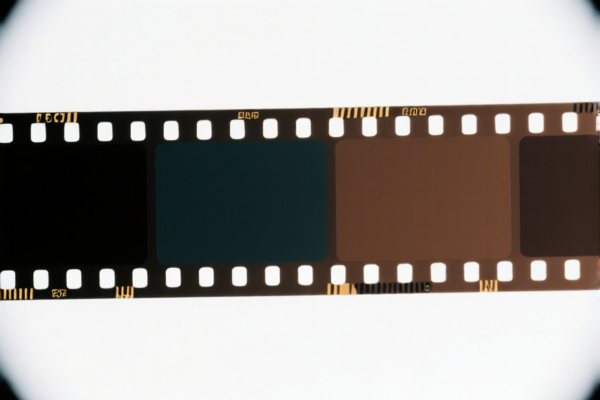
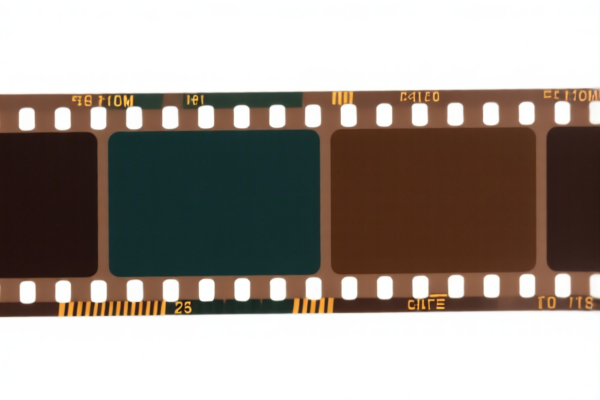
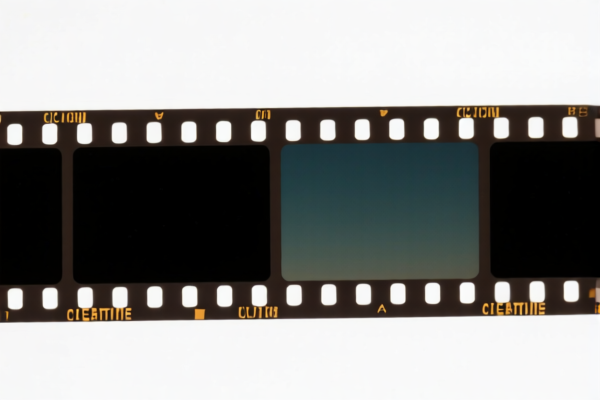

AI Analysis
🎞️ Color Positive & Negative Film (Photographic Emulsions & Plates)
🌐 HS Code Reference & Customs Clearance Guide | 2026 Latest Tariff Analysis | Professional Clearance Strategy
📌 I. Product Definition & Classification: Do You Truly Understand "Color Film"?
Color Film, in the context of international trade, refers to light-sensitive materials used for capturing photographic images. It is critical to distinguish between Unexposed (Raw Materials) and Exposed/Processed (Intermediate Goods), as well as between Rolls and Plates. In the provided <DATA>, all items fall under Chapter 37 (Photographic or Cinematographic Goods), specifically targeting materials other than paper, textile, or plastic base where specified.
Key Distinctions:
* Unexposed vs. Exposed: Unexposed film is raw material. Exposed film is light-sensitive material that has been exposed to an image but not yet developed (or developed but fixed).
* Rolls vs. Plates: Rolls are wound film; plates are rigid flat sheets.
* Base Material: The tariff rates in <DATA> explicitly mention "Non-paper, non-textile" bases, implying plastic or other synthetic bases.
⚠️ Critical Distinction Point:
- If the item is Unexposed and in Roll form:归入3702series.
- If the item is Unexposed and in Plate form:归入3701series.
- If the item is Exposed (Unprocessed/Developed):归入3702or3701subheadings depending on form.
- If it is an Emulsion applied to paper:归入3707.
📦 II. HS Code Classification Details (2026 Latest Tariff Authoritative Mapping)
Based strictly on the provided <DATA>, here is the breakdown for Color Positive/Negative Film:
| HS Code | Product Description (Summary) | Total Tax Rate | Key Characteristics |
|---|---|---|---|
3701.91.00.60 |
Color Negative Film, for color photography, material is light-sensitive film other than paper/textile. | 38.7% | Unexposed, Plate/Sheet form, Color Negative. |
3701.91.00.30 |
Color Photography Light-Sensitive Unexposed Flat Photographic Plates, form is "Other". | 38.7% | Unexposed, Flat/Plate form, Other types. |
3702.31.01.00 |
Color Photography Light-Sensitive Unexposed Film, material is non-paper, non-textile. | 38.7% | Unexposed, Roll form (implied by 3702), Color. |
3702.54.00.60 |
Exposed Film Roll, material is non-paper, cardboard, or textile. | 38.7% | Exposed (but not necessarily processed/fixed), Roll form. |
3707.10.00.05 |
Sensitized Emulsion applied for Color Negative Photographic Paper. | 38.0% | Emulsion/Liquid/Paste form for paper base. |
🔍 Key Reminder:
- All items in3701and3702with Non-paper/Non-textile bases carry a 38.7% total tax rate. - Items on Paper base (Emulsion in3707) carry a 38.0% total tax rate. - There is no distinction in the total tax rate between Exposed (3702.54) and Unexposed (3702.31) in this specific dataset for the given HS codes.
💰 III. 2026 Latest Tariff Rate Breakdown (Including Surcharges & Policy Add-ons)
✅ Applicable Country: United States (US)
✅ Origin: China (CN)
✅ Effective Time: Current rates applied to imports from China
🎯 1. 3701.91.00.60 & 3701.91.00.30 & 3702.31.01.00 & 3702.54.00.60
(Color Negative/Positive Film, Plates, Rolls, Exposed/Unexposed)
| Item | Detail |
|---|---|
| Base Tariff (MFN) | 3.7% (Ad Valorem) |
| Section 301 Surcharge | +25.0% (Standard US China Tariff) |
| Section 122 Tariff | +10.0% (Specific policy add-on noted in data) |
| Total Tax Rate | 38.7% |
| Tax Calculation | CIF Value × 38.7% |
| De Minimis Exemption | ❌ Not Applicable (High tariff rates usually negate de minimis benefits for commercial imports; also, Section 301/122 often block this) |
| Legal Basis Path | HTSUS:3701.91.00 / 3702.31.01 / 3702.54.00 → Section 301: 9903.01.25 → Section 122: Specific Clause |
📌 Explanation:
- The 3.7% is the standard Most Favored Nation (MFN) rate for photographic goods.
- The 25% is the Section 301 tariff, a major trade war levy on Chinese goods.
- The 10% is labeled as "Section 122 Tariff" in the data, likely referring to specific enforcement or additional duties under trade act provisions.
- Total 38.7% is a very high effective rate, significantly impacting margin.
🎯 2. 3707.10.00.05
(Sensitized Emulsion for Color Negative Photographic Paper)
| Item | Detail |
|---|---|
| Base Tariff (MFN) | 3.0% (Ad Valorem) |
| Section 301 Surcharge | +25.0% |
| Section 122 Tariff | +10.0% |
| Total Tax Rate | 38.0% |
| Tax Calculation | CIF Value × 38.0% |
| De Minimis Exemption | ❌ Not Applicable |
| Legal Basis Path | HTSUS:3707.10.00 → Section 301: 9903.01.25 → Section 122: Specific Clause |
📌 Note:
- The base rate is slightly lower (3.0% vs 3.7%) because it is an emulsion/paper-based product, not the film substrate itself.
- However, the total rate (38.0%) is still prohibitively high.
🛠️ IV. Customs Clearance Practical Advice (Battle-Tested Pitfall Guide)
✅ 1. Preparation Checklist (Required Documents)
| Document | Required | Notes |
|---|---|---|
| ✅ Product Specification Sheet | ✔️ | Must specify: Base material (Plastic/Paper/Textile?), Emulsion type, Sensitivity (ISO). |
| ✅ Technical Data Sheet (TDS) | ✔️ | Differentiate between Unexposed and Exposed. |
| ✅ Photos of Product & Label | ✔️ | Clear view of HS Code indication if present, brand, and warning labels. |
| ✅ Commercial Invoice | ✔️ | Must describe as "Color Photographic Film (Unexposed/Exposed)" – DO NOT use vague terms like "Camera Accessories". |
| ✅ Packing List | ✔️ | Detail weight, volume, and number of rolls/plates. |
| ✅ Certificate of Origin | ✔️ | Crucial for confirming China origin for Section 301/122 calculation. |
✅ 2. Declaration Tips (Key Mantras)
🔥 "Be Precise! Unexposed vs. Exposed, Roll vs. Plate, Paper vs. Plastic!"
| Scenario | Correct Declaration | Incorrect Declaration |
|---|---|---|
| Unexposed Color Negative Roll | 3702.31.01.00 - Color negative film, unexposed, non-paper base |
"Camera Film" (Too vague) |
| Unexposed Color Plate | 3701.91.00.60 - Color negative plate, unexposed |
"Photographic Plate" (Missing detail) |
| Exposed Roll (Not yet processed) | 3702.54.00.60 - Exposed film roll, non-paper base |
"Developed Photo" (Wrong stage) |
| Emulsion for Paper | 3707.10.00.05 - Sensitized emulsion for photographic paper |
"Paint" or "Chemical" (Wrong chapter) |
✅ 3. Special Situation Handling
| Situation | Handling Advice |
|---|---|
| Mixed Shipments | Do not mix 3701 (Plates) and 3702 (Rolls) in one line item. Split them correctly to avoid misclassification. |
| Non-China Origin | If the film is made in Vietnam, Malaysia, or Mexico, the Section 301 (25%) and Section 122 (10%) surcharges DO NOT APPLY. Tax may drop to MFN rate (~3.7-5%). Prove Origin! |
| De Minimis (Section 321) | Generally, Section 301 tariffs do not apply to de minimis imports under current CBP enforcement for certain items, but high-value film rolls may be scrutinized. Check latest CBP rulings. |
| Environmental Regulations | Photographic chemicals may trigger EPA/DoT regulations for hazardous materials. Ensure proper labeling for transport. |
🌍 V. Global Market Comparison (2026 Latest)
| Country/Region | Recommended HS Code | Approx. Tariff (China Origin) | Certification | Notes |
|---|---|---|---|---|
| 🇺🇸 USA | 3702.31.01.00 etc. |
38.7% (US/China) | FDA (if medical), DoT | High tariff due to Section 301/122. |
| 🇨🇳 China | 3702.31.01.00 |
3.7% - 6% | N/A | No Section 301. |
| 🇪🇺 EU | 3702.31.00.00 |
0% | CE (if applicable) | No additional surcharges. |
| 🇬🇧 UK | 3702.31.00.00 |
0% | UKCA | Post-Brexit alignment. |
| 🇯🇵 Japan | 3702.31.00.00 |
5.9% | PSE (if electronic) | No high surcharges. |
📌 Conclusion:
- USA is the most expensive market for Chinese-manufactured photographic film due to 38.7% effective rate.
- EU/UK/Japan are tariff-friendly, making them better targets for Chinese exports if logistics allow.
📌 VI. Common Errors & Pitfalls (Lessons from Tears)
❌ Mistake 1: Declaring "Photographic Film" as "Camera Accessories" (HS 9006)
👉 Consequence: Misclassification, audit risk, and potential penalties for underpayment.
❌ Mistake 2: Ignoring the "Exposed" status
👉 Consequence: If declared as "Unexposed" but Customs finds it's "Exposed" (e.g., by inspection), they may reclassify to a different subheading, potentially affecting duty calculation or regulatory compliance.
❌ Mistake 3: Not separating Paper-based vs. Plastic-based
👉 Consequence: 3707 (Paper/Emulsion) is 38.0%, while 3702 (Plastic) is 38.7%. While similar, accuracy prevents delays.
❌ Mistake 4: Assuming De Minimis applies to Section 301 goods
👉 Consequence: CBP may assess full tariffs on packages >$800 if they determine the intent is circumvention or if the item is specifically excluded (check latest CBP notes).
✅ Correct Action:
"Color Negative Photographic Film, Unexposed, Plastic Base, Roll, 35mm, ISO 400, Model XYZ, Origin: China"
🎯 VII. Conclusion: Professional Declaration, Save Time, Reduce Costs!
🎯 Remember the Mantra:
🔹 "Base Matters! Paper is 38.0%, Plastic is 38.7%."
🔹 "Origin is King! Non-China = Save 35%!"
🔹 "Detail is Duty! Vague Descriptions = Delays!"
📌 Pro Tip:
If your film is originally manufactured in Vietnam, Thailand, or Mexico, ensure your Certificate of Origin is flawless. You can avoid the 35% surcharge (25% + 10%) and pay only the ~3.7% MFN rate. This is a massive saving.
📣 Immediate Action:
📞 Contact a licensed Customs Broker + Provide Full Specs + Verify Origin
🚀 Clear your film smoothly, maximize profit, and avoid Customs headaches!
✨ Professional Clearance Starts with Accurate Classification!
💼 Every percentage point counts in international trade!
Customer Reviews
About HS Code Classification
The Harmonized System (HS) is an internationally standardized nomenclature developed by the World Customs Organization (WCO) to classify traded products. Over 200 countries use the HS system as the basis for customs tariffs, trade statistics, and import/export regulations.
Each HS code follows a hierarchical structure:
- Chapter (2 digits) — Broad category of goods (e.g., Chapter 84: Machinery and Mechanical Appliances)
- Heading (4 digits) — More specific grouping within the chapter
- Subheading (6 digits) — Internationally standardized breakdown, used by all WCO member countries
- National subdivisions (8-10 digits) — Country-specific extensions for further classification, such as US HTSUS 10-digit codes
Correct HS code classification is essential for smooth customs clearance, accurate duty payment, and compliance with trade regulations. Misclassification can lead to customs delays, overpayment of duties, or penalties.
When importing from CN to US, the applicable tariff rates may include:
- Most-Favored-Nation (MFN) rate — The standard duty rate applied to WTO members
- General rate — Applied to countries without trade agreements
- Trade remedy duties — Additional tariffs such as Section 301 (anti-dumping), Section 232 (national security), or countervailing duties
The information provided on this page is for reference purposes only. For official classification, please consult with your local customs authority or a licensed customs broker.