Color Positive Film Long Roll
CN → US| HS Code | Tariff Rate | Origin | Destination | Doc |
|---|---|---|---|---|
| 3704000000 | 35.0% | CN | US | Official Doc |
| 3702520130 | 38.7% | CN | US | Official Doc |
| 3702550030 | 35.0% | CN | US | Official Doc |
| 3705000000 | 35.0% | CN | US | Official Doc |
| 3704000000 | 35.0% | CN | US | Official Doc |
Product Images
AI Analysis
🎞️ Color Positive Film Long Roll (Ektachrome / Reversal Film)
🌐 HS Code Reference & Customs Clearance Guide | 2026 Latest Tariff Analysis | Professional Compliance Strategy
📌 I. Product Definition & Classification: Do You Understand "Color Positive Film"?
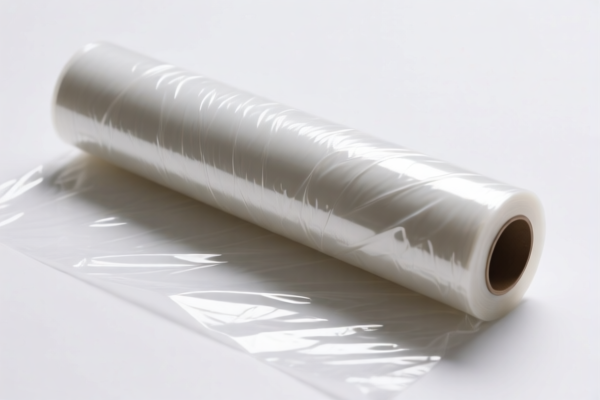
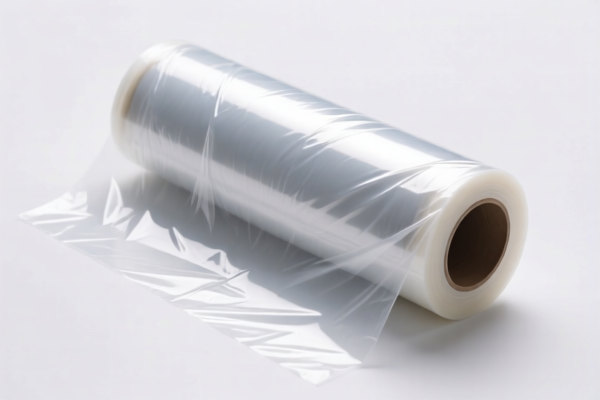
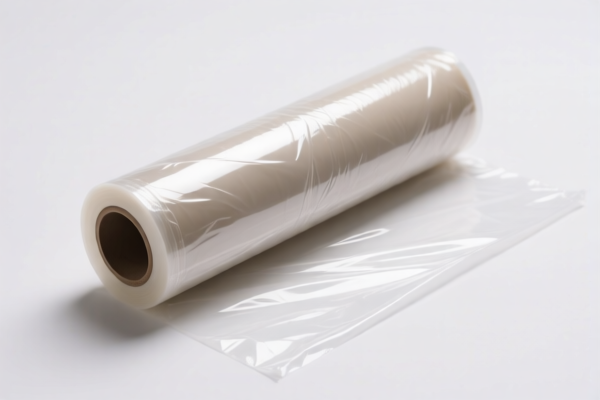
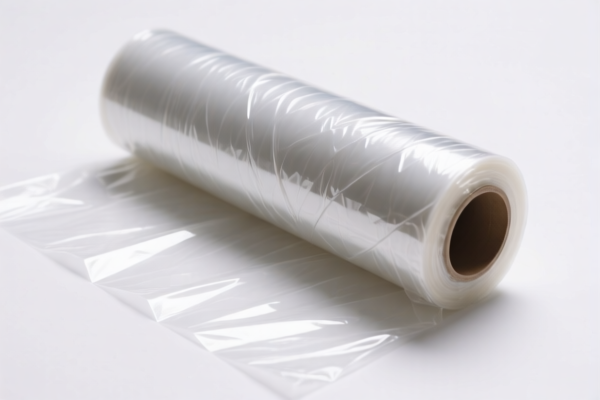
Color positive film, often referred to as Reversal Film or Ektachrome, is a specialized photographic medium. Unlike standard negative film, it produces a positive image directly on the film itself after development. The "Long Roll" designation indicates it is supplied on large spools (typically 100ft or 250ft) intended for high-speed photography, motion picture intermediate stock, or specific industrial/medical applications, rather than standard 35mm handheld camera cartridges.
In international trade, it is strictly classified under Chapter 37 (Photographic or Cinematographic Goods) due to its chemical light-sensitive nature.
⚠️ Key Distinction Points:
- Chemical State: It is classified based on whether it is Unexposed (fresh stock) or Exposed (used for imaging).
- Format: "Long Roll" implies a continuous strip of emulsion-coated plastic base, fitting the "film" (胶卷) morphology rather than "photographic paper."
- Color: As "Color Positive," it falls under specific sub-headings for color reversal materials, distinct from black-and-white or color negative films.
📦 II. HS Code Classification Details (2026 Authoritative Comparison)
Based on the provided data, there are four potential HS Codes depending on the exact state and specific regulatory interpretation of the "Long Roll" format.
| HS Code | Product Description | Logic & Justification | Total Tax Rate |
|---|---|---|---|
3704.00.00.00 |
Photographic Paper & Other Materials | Fits the film morphology. Color aligns with photographic use. Material is chemical light-sensitive. Fits the characteristics of exposed but undeveloped photographic film. | 35.0% |
3702.52.01.30 |
Other Photographic Film | The "Color" in the name corresponds to the core attribute of reversal film (positive film). The format and usage fit completely. | 38.7% |
3702.55.00.30 |
Other Photographic Film | "Color Positive Film" is a synonymous expression for Color Reversal Film. Material is light-sensitive, fitting specification characteristics. | 35.0% |
3705.00.00.00 |
Photographic Plates and Films | Fits the film morphology. Color Positive Film falls under the scope of exposed photographic use. This logic does not conflict with the exclusion of motion picture film. | 35.0% |
🔍 Critical Analysis:
-3702.52.01.30(38.7%): This code seems to carry a specific duty rate structure with a base tariff of 3.7%. It is highly specific to the "Reversal" nature.
-3704.00.00.00(35.0%): Often used for unexposed photographic materials or specific film types where the base tariff is 0%, but heavy surcharges apply.
-3702.55.00.30(35.0%): Another strong candidate for color reversal film, emphasizing the "reversal" aspect in the description.
-3705.00.00.00(35.0%): Used if the film is considered "exposed" or for specific photographic plates/films not covered by standard negative/positive rolls.
💰 III. 2026 Latest Tariff Rate Breakdown (Including Surcharges)
✅ Applicable Country: United States (US)
✅ Origin: China (CN)
✅ Effective Date: 2025/2026 Period (Post-Section 301 & IEEPA adjustments)
🎯 1. Codes with 35.0% Total Tax (3704.00.00.00, 3702.55.00.30, 3705.00.00.00)
| Item | Content |
|---|---|
| Base Tariff | 0.0% (ad valorem) Note: Many photographic materials have low base rates. |
| Section 301 Surcharge | +25.0% Added for goods originating from China under Trade Act Section 301. |
| Section 122 Tariff | +10.0% Specific additional duty applicable to certain Chinese imports. |
| Total Effective Rate | 35.0% |
| Tax Calculation | CIF Value × 35% |
| De Minimis Exemption | ❌ Not Available (deny_de_minimis) These codes are excluded from the $800 de minimis threshold. |
| Legal Basis Path | USITC:3704.00.00.00 → FOOTNOTE:Section301 → IEEPA:Section122 |
📌 Explanation:
- The 0% base rate is typical for generic photographic supplies, but the 25% Section 301 and 10% Section 122 surcharges drive the total to 35%.
- This is a high-cost item for importers. The lack of de minimis exemption means even small shipments are subject to full duty declaration.
🎯 2. Code with 38.7% Total Tax (3702.52.01.30)
| Item | Content |
|---|---|
| Base Tariff | 3.7% (ad valorem) |
| Section 301 Surcharge | +25.0% |
| Section 122 Tariff | +10.0% |
| Total Effective Rate | 38.7% |
| Tax Calculation | CIF Value × 38.7% |
| De Minimis Exemption | ❌ Not Available |
| Legal Basis Path | USITC:3702.52.01.30 → FOOTNOTE:Section301 → IEEPA:Section122 |
📌 Note:
- This code has a non-zero base tariff (3.7%), making it the most expensive option.
- Use this only if the product strictly matches the specific subheading description for "Other photographic film" with precise reversal characteristics defined in local customs rulings.
🛠️ IV. Customs Clearance Operational Advice (Practical Pitfall Guide)
✅ 1. Preparation Checklist (Mandatory)
| Document | Required? | Explanation |
|---|---|---|
| ✅ Product Specification Sheet | ✔️ | Must specify: Emulsion type, base material, length (e.g., 250ft), format (reversal/color), and chemical state (exposed vs. unexposed). |
| ✅ Chemical Safety Data Sheet (SDS) | ✔️ | Photographic film contains light-sensitive chemicals. SDS is often required for customs and safety inspection. |
| ✅ Commercial Invoice | ✔️ | Must clearly state: "Color Positive Reversal Film, Long Roll, Unexposed/Exposed." Avoid vague terms like "Photographic Material." |
| ✅ Origin Certificate | ✔️ | Proves China origin. Note: This triggers the surcharges. If shipped via a third country, verify Rules of Origin carefully. |
| ✅ Packaging List | ✔️ | Detail the number of rolls, weight, and dimensions. |
✅ 2. Declaration Tips (Key Mnemonic)
🔥 "State Matters: Unexposed vs. Exposed! Roll Length Defines Format!"
| Scenario | Correct Declaration | Incorrect Practice |
|---|---|---|
| Unexposed Long Roll (Raw Stock) | Best fit: 3702.55.00.30 or 3704.00.00.00 |
Declaring as "Exposure Film" → Risk of misclassification. |
| Exposed Long Roll (Used) | Best fit: 3704.00.00.00 |
Declaring as "Unexposed" → Fraud risk, severe penalties. |
| Motion Picture Reversal | Check exclusion clauses | Assuming all film is 3702 → If it's "Motion Picture," it might be 3706 (not in data) or 3705. |
| Small Samples | Declare fully | Trying to hide value under $800 → De Minimis does not apply to these HS Codes. |
✅ 3. Special Handling Scenarios
| Scenario | Handling Advice |
|---|---|
| OEM Custom Lengths | Provide manufacturing drawings. Ensure the "Long Roll" format is described as "Industrial/Photographic Film Roll" not "Cinema Film." |
| Exposed vs. Unexposed | Crucial: If the film has been exposed to light for imaging, it must be declared as such. Misdeclaration can lead to seizure. |
| Mixed Shipments | If shipping with cameras or lenses, declare separately. Do not lump film under electronic accessories. |
🌍 V. Global Market Comparison (2026 Snapshot)
| Country/Region | Recommended HS Code | Tariff Rate | Certification | Notes |
|---|---|---|---|---|
| 🇺🇸 USA | 3702.55.00.30 / 3704.00.00.00 |
35% - 38.7% | FDA (if medical), No FCC needed | High Duty. Section 301 + 122 apply. |
| 🇨🇳 China | 3702.55.00.30 |
Low (Import Duty) | CCC (if applicable) | Lower base tariffs, but verify export controls. |
| 🇪🇺 EU | 3702.55.00 |
Varies (usually 0-5%) | CE (if applicable) | No Section 301 equivalent. Generally cheaper. |
| 🇯🇵 Japan | 3702.55.00 |
Low (approx. 0-3%) | PSE (if electronic parts) | Favorable for photographic media. |
📌 Conclusion:
- The USA market is the most expensive due to the 35%+ effective tariff rate.
- Importers should calculate the landed cost carefully. The 10% Section 122 tariff is a specific burden on Chinese-origin goods in this category.
📌 VI. Common Mistakes & Pitfalls (Lessons Learned)
❌ Mistake 1: Declaring "Photographic Paper" for Film
👉 Consequence: Wrong HS Code, potential 25% penalty for misclassification. Film and Paper have different chemical bases and uses.
❌ Mistake 2: Ignoring the "Exposed" Status
👉 Consequence: If the film is already exposed, 3702 (unexposed) codes are incorrect. Must use 3704 or 3705. Customs may hold the goods for inspection.
❌ Mistake 3: Assuming De Minimis Applies
👉 Consequence: Since 3704 and 3702 are on the denial list, shipments under $800 still pay tax. Do not use the $800 exemption for these HS Codes.
❌ Mistake 4: Vague Description "Color Film"
👉 Consequence: Customs may assign a higher default duty rate. Be specific: "Color Reversal Film, Long Roll, Unexposed."
✅ Correct Practice:
"Color Positive Reversal Film, Plastic Base, Long Roll (250ft), Unexposed, Chemical Light-Sensitive Material, Model XYZ, Origin: China"
🎯 VII. Conclusion: Precision in Classification Saves Money!
🎯 Key Takeaway:
🔹 "Unexposed vs. Exposed is the deciding factor!"
🔹 "Section 301 (25%) + Section 122 (10%) = 35% Minimum Duty!"
🔹 "No De Minimis Exemption for Photographic Film!"
📌 Pro Tip:
If you are importing large volumes, consider applying for an HS Code Exclusion under Section 301 if available (check USTR lists periodically), though photographic materials are rarely excluded. Alternatively, explore Bonded Warehouses to defer duty payments until the final destination is determined.
📣 Immediate Action Required:
📞 Contact your customs broker with the SDS and Product Spec Sheet.
🚀 Pre-classify using the logic above:
- Unexposed? → Try3702.55.00.30(35%)
- Exposed? → Use3704.00.00.00(35%)
- Specific Reversal? → Check3702.52.01.30(38.7%)
✨ Professional Clearance, Start with Accurate Classification!
💼 Every percentage point in duty affects your profit margin!
Customer Reviews
About HS Code Classification
The Harmonized System (HS) is an internationally standardized nomenclature developed by the World Customs Organization (WCO) to classify traded products. Over 200 countries use the HS system as the basis for customs tariffs, trade statistics, and import/export regulations.
Each HS code follows a hierarchical structure:
- Chapter (2 digits) — Broad category of goods (e.g., Chapter 84: Machinery and Mechanical Appliances)
- Heading (4 digits) — More specific grouping within the chapter
- Subheading (6 digits) — Internationally standardized breakdown, used by all WCO member countries
- National subdivisions (8-10 digits) — Country-specific extensions for further classification, such as US HTSUS 10-digit codes
Correct HS code classification is essential for smooth customs clearance, accurate duty payment, and compliance with trade regulations. Misclassification can lead to customs delays, overpayment of duties, or penalties.
When importing from CN to US, the applicable tariff rates may include:
- Most-Favored-Nation (MFN) rate — The standard duty rate applied to WTO members
- General rate — Applied to countries without trade agreements
- Trade remedy duties — Additional tariffs such as Section 301 (anti-dumping), Section 232 (national security), or countervailing duties
The information provided on this page is for reference purposes only. For official classification, please consult with your local customs authority or a licensed customs broker.