Color Sensitized Paper
CN → US| HS Code | Tariff Rate | Origin | Destination | Doc |
|---|---|---|---|---|
| 3703103060 | 38.7% | CN | US | Official Doc |
| 4816900100 | 35.0% | CN | US | Official Doc |
| 3703103090 | 38.7% | CN | US | Official Doc |
| 4816200000 | 35.0% | CN | US | Official Doc |
| 4823908680 | 35.0% | CN | US | Official Doc |
Product Images
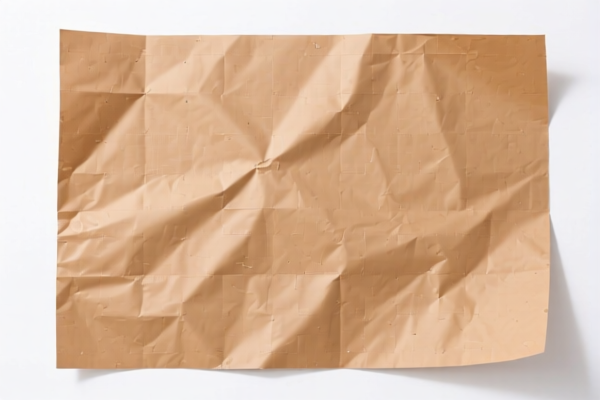


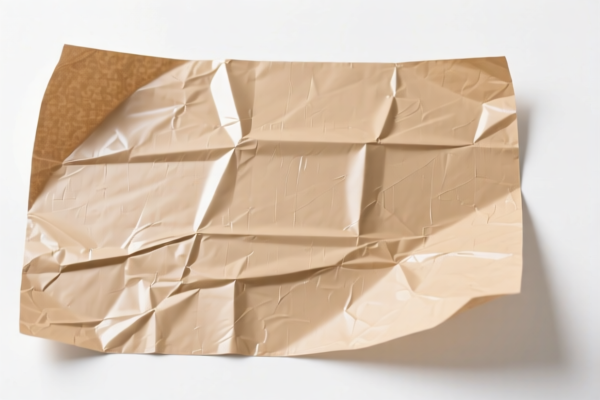
AI Analysis
🎞️ Color Sensitized Paper (Photosensitive Paper)
🌐 HS Code Classification & Customs Clearance Guide | 2026 Tariff Analysis | Professional Strategy
📌 I. Product Definition & Core Characteristics: What is "Sensitized Paper"?
Color Sensitized Paper refers to paper coated with light-sensitive chemical agents (typically silver halides or diazo compounds) used for reproducing images, blueprints, or photographic prints. In international trade, its classification depends heavily on the primary material vs. the functional coating.
Key Distinction: * Photographic/Ag-Halide Type: Contains silver salts, used for high-precision imaging. Falls under Chapter 37. * Paper-Based/Replication Type: Primarily defined by its paper substrate, used for copying, duplicating, or blueprinting. Falls under Chapter 48.
⚠️ Critical Classification Point:
- If the product is explicitly photographic paper (silver halide based) → Chapter 37 (Higher Duty).
- If the product is broadly defined as paper for copying/transfer without specific photographic technical specs → Chapter 48 (Lower Base Duty).
📦 II. HS Code Classification Details (2026 Latest Tariff Schedule)
Based on the provided data, there are five potential HS Codes. We must analyze why each applies and the resulting tax implication.
| HS Code | Product Description & Logic | Total Tax Rate | Tax Breakdown |
|---|---|---|---|
| 3703.10.30.60 | Silver Halide Paper: Explicitly matches the characteristics of photographic/halide-sensitive materials. Classified as "Photographic Paper." | 38.7% | Base: 3.7% Section 301: 25.0% Section 122: 10.0% |
| 3703.10.30.90 | Default Photographic Paper: If no specific sub-category applies, it defaults to general halide-silver photographic materials. | 38.7% | Base: 3.7% Section 301: 25.0% Section 122: 10.0% |
| 4816.90.01.00 | Paper for Copying/Transfer: Classified as a paper product (carbonless paper, thermal paper, or transfer paper). Matches the physical form of paper. | 35.0% | Base: 0.0% Section 301: 25.0% Section 122: 10.0% |
| 4816.20.00.00 | Paper for Replication/Imaging: Specifically for paper used in copying or image processing. Fits the functional attribute of "sensitized" paper but under Chapter 48. | 35.0% | Base: 0.0% Section 301: 25.0% Section 122: 10.0% |
| 4823.90.86.80 | Paper Base/Substrate: Specifically the base paper for sensitized paper. Explicitly identified as a paper product. | 35.0% | Base: 0.0% Section 301: 25.0% Section 122: 10.0% |
🔍 Key Insight:
- Chapter 37 Codes (38.7%) are for products legally defined as "Photographic" materials.
- Chapter 48 Codes (35.0%) are for products defined by their "Paper" nature, even if sensitized.
- Difference: There is a 3.7% tax saving if you can justify the classification under Chapter 48 (0% base duty) instead of Chapter 37 (3.7% base duty).
💰 III. 2026 Latest Tariff Rate Breakdown (Including Surcharges)
✅ Applicable Country: United States (US)
✅ Origin: China (CN)
✅ Effective Date: From November 10, 2025 onwards
🎯 Group A: 3703.10.30.60 & 3703.10.30.90 (Photographic Classification)
| Item | Details |
|---|---|
| Product Type | Photographic Paper / Silver Halide Material |
| Base Tariff | 3.7% (Ad Valorem) |
| USITC Surcharge (301) | +25.0% (China-specific) |
| Section 122 Surcharge | +10.0% (Additional China-specific duty) |
| Total Effective Rate | 38.7% |
| Calculation | CIF Value × 38.7% |
| De Minimis Exemption | ❌ Not Applicable (High duty rate excludes small packages) |
📌 Explanation:
These codes fall under Chapter 37 (Photographic/Cinematic Goods). The "Base Tax" is higher because photographic materials are not considered standard "paper" in this specific tariff heading. The 301 and Section 122 tariffs apply equally.
🎯 Group B: 4816.90.01.00, 4816.20.00.00, 4823.90.86.80 (Paper Classification)
| Item | Details |
|---|---|
| Product Type | Paper for Copying, Transfer, or Paper Base |
| Base Tariff | 0.0% (Ad Valorem) |
| USITC Surcharge (301) | +25.0% (China-specific) |
| Section 122 Surcharge | +10.0% (Additional China-specific duty) |
| Total Effective Rate | 35.0% |
| Calculation | CIF Value × 35.0% |
| De Minimis Exemption | ❌ Not Applicable |
📌 Explanation:
These codes fall under Chapter 48 (Paper and Paperboard). The Base Tariff is 0%, which is the primary source of tax savings compared to Chapter 37. However, the 301 (25%) and Section 122 (10%) surcharges still apply, keeping the total high.
🛠️ IV. Customs Clearance Practical Advice (Action Plan)
✅ 1. Preparation Checklist (Essential Documents)
| Document | Required? | Purpose |
|---|---|---|
| ✅ Product Specification Sheet | YES | Must detail the coating type (Silver Halide vs. Diazotype/Chemical). This determines Chapter 37 vs. 48. |
| ✅ Formula/Composition Analysis | YES | Proof of chemical agents. Critical for HS Code adjudication. |
| ✅ Product Photos | YES | Show packaging, roll/size, and any labeling indicating "Photographic" or "Copying Paper." |
| ✅ Commercial Invoice | YES | Clearly state: "Sensitized Paper for [Copying/Photography]". Avoid generic terms like "Paper." |
| ✅ Certificate of Origin | YES | Required for applying USITC/Section 122 rates correctly. |
✅ 2. Declaration Strategy & Pitfalls
🔥 "Define the Function, Not Just the Material!"
| Scenario | Recommended HS Code | Risk if Misclassified |
|---|---|---|
| High-End Photo Paper (Silver Halide) | 3703.10.30.60 / 90 |
✅ Correct. Duty 38.7%. |
| Blueprint/Engineering Paper (Chemical) | 4816.20.00.00 / 4816.90.01.00 |
✅ Correct. Duty 35.0%. |
| Raw Sensitized Base Paper (Uncoated or lightly coated) | 4823.90.86.80 |
✅ Correct. Duty 35.0%. |
| Generic "Sensitized Paper" | ❌ Avoid | Customs May Default to 3703 (38.7%) if "photographic" intent is unclear. |
📌 Pro Tip:
If your product is blueprint paper or copying paper, DO NOT call it "Photographic Paper" in the description. Use terms like:
"Chemical Sensitized Paper for Blueprinting" or "Sensitized Paper for Office Copying."
This supports the Chapter 48 classification, saving you 3.7% in base duties.
✅ 3. Special Considerations
- Section 122 Tariff: Ensure the "Section 122" rate (10%) is explicitly calculated. This is an additional layer on top of the 301 tariff for many Chinese goods.
- No De Minimis: Unlike textiles or electronics, high-duty paper products often do not qualify for the $800 de minimis exemption if misclassified or if duties exceed thresholds. Always declare properly.
- Pre-Ruling: Given the narrow difference (3.7%) but significant classification logic, consider an Advance Ruling (CBP Ruling) if importing large volumes. This locks in the 35.0% rate if justified as "Paper" rather than "Photographic Material."
🌍 V. Market Comparison (2026 Outlook)
| Market | Recommended HS Code | Est. Duty (China Origin) | Key Requirement |
|---|---|---|---|
| 🇺🇸 USA | 4816.20.00.00 |
35.0% | Clear "Paper" definition |
| 🇪🇺 EU | 4816.20.00.00 |
~6.5% + VAT | REACH Compliance for chemicals |
| 🇨🇳 China | 4816.20.00.00 |
5% | Standard Import Procedures |
| 🇯🇵 Japan | 4816.20.00.00 |
~0-6% | FSCS Certification (if electrical/photo) |
📌 Conclusion:
The USA is the most expensive market due to the cumulative 301 + Section 122 tariffs.
Optimization Strategy: Classify as Chapter 48 (Paper) whenever technically accurate to save the 3.7% base duty.
📌 VI. Common Mistakes & "Blood & Tears" Lessons
❌ Mistake 1: Calling "Blueprint Paper" "Photographic Paper"
👉 Result: Customs may classify under 3703 (38.7%).
👉 Fix: Use "Sensitized Paper for Reproduction" in docs.
❌ Mistake 2: Ignoring the Section 122 Tariff
👉 Result: Underpayment of 10%.
👉 Fix: Ensure broker applies 10% surcharge on top of the 25% 301 tariff.
❌ Mistake 3: Mixing "Raw Base Paper" with "Finished Coated Paper"
👉 Result: Complex clearance, potential delay.
👉 Fix: Ship 4823 (Base) and 4816 (Finished) in separate shipments or clearly distinguish in invoice.
🎯 VII. Final Verdict: Optimize Your Classification
🎯 Key Takeaway:
Sensitized Paper is a border case between "Paper" and "Photographic Material".
- If it's for Photos: Expect 38.7%.
- If it's for Copying/Blueprints: Aim for 35.0% (Chapter 48).
📞 Action Step:
- Review your product's technical data sheet.
- If it contains Silver Halides, stick to
3703.- If it uses Diazotype/Chemical transfer, argue for
4816.- Calculate the 3.7% savings on high-value shipments.
✨ Professional Customs Clearance Starts with Accurate Classification!
💼 Don't let a 3.7% difference eat your margin!
Customer Reviews
About HS Code Classification
The Harmonized System (HS) is an internationally standardized nomenclature developed by the World Customs Organization (WCO) to classify traded products. Over 200 countries use the HS system as the basis for customs tariffs, trade statistics, and import/export regulations.
Each HS code follows a hierarchical structure:
- Chapter (2 digits) — Broad category of goods (e.g., Chapter 84: Machinery and Mechanical Appliances)
- Heading (4 digits) — More specific grouping within the chapter
- Subheading (6 digits) — Internationally standardized breakdown, used by all WCO member countries
- National subdivisions (8-10 digits) — Country-specific extensions for further classification, such as US HTSUS 10-digit codes
Correct HS code classification is essential for smooth customs clearance, accurate duty payment, and compliance with trade regulations. Misclassification can lead to customs delays, overpayment of duties, or penalties.
When importing from CN to US, the applicable tariff rates may include:
- Most-Favored-Nation (MFN) rate — The standard duty rate applied to WTO members
- General rate — Applied to countries without trade agreements
- Trade remedy duties — Additional tariffs such as Section 301 (anti-dumping), Section 232 (national security), or countervailing duties
The information provided on this page is for reference purposes only. For official classification, please consult with your local customs authority or a licensed customs broker.