Color Slide Film (Scenery)
CN → US| HS Code | Tariff Rate | Origin | Destination | Doc |
|---|---|---|---|---|
| 3701910060 | 38.7% | CN | US | Official Doc |
| 3701910030 | 38.7% | CN | US | Official Doc |
| 3707100090 | 38.0% | CN | US | Official Doc |
| 3707903290 | 35.0% | CN | US | Official Doc |
| 3702530060 | 38.7% | CN | US | Official Doc |
Product Images
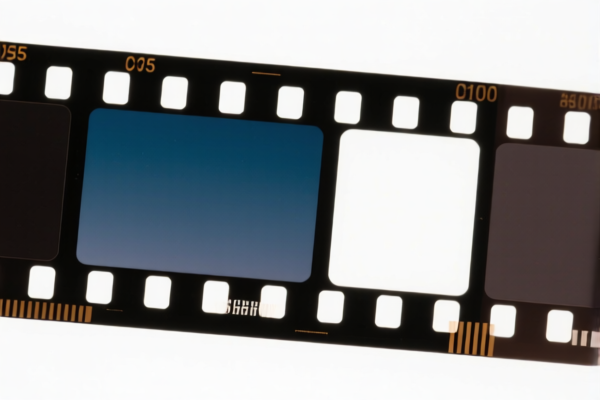
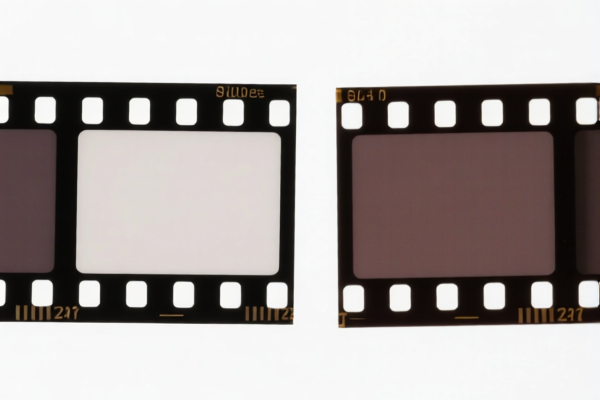

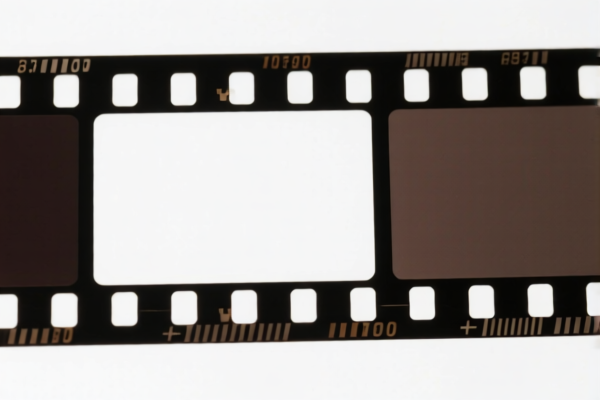
AI Analysis
🎞️ Color Slide Film (Scenery)
🌐 HS Code Reference & Customs Clearance Guide | 2026 Latest Tariff Analysis | Professional Clearance Strategy
📌 I. Product Definition & Classification: What Exactly is "Color Slide Film"?
Color Slide Film, also known as positive film or reversal film, is a specialized photographic medium used to produce direct positive transparencies (slides). Unlike negative film, which requires printing to create a visible image, slide film yields a positive image on the film itself, ideal for projection and high-fidelity scanning.
Key Distinctions in Classification: * Physical Form: It is typically a flat sheet (plate) or rolled strip. * State: It can be sensitized (exposed/developed) or unsensitized (raw). * Content: The user input "Scenery" indicates the content of the image, but HS codes classify based on material, state, and manufacturing, not the photographic subject matter. Therefore, "Scenery" is irrelevant to the HS code choice; only "Color Slide Film" and its physical state matter.
⚠️ Critical Classification Point:
- If the film is raw/unsensitized: It falls under Chapter 37 (Photographic goods), specifically headings 3701 (Plates/Film, Unsensitized) or 3707 (Chemical Preparations for Photographic Use).
- If the film is exposed/developed: It falls under 3701 (Sensitized Film) or 3702 (Photographic Film in Rolls, Sensitized).
📦 II. HS Code Classification Details (Based on Provided Data)
The provided data suggests five potential HS Codes. Below is the breakdown of why each applies, with precise tax implications.
1. HS Code: 3701.91.00.60
- Classification Logic:
The item is classified as "Sensitized" (already exposed/developed). The term "Color Slide Film" matches the category "For Color Photography". Since "Slide Film" typically comes in flat sheets (plates) or specific formats not classified as "rolls," it fits the "Other" sub-category under flat sensitized film. There is no material conflict with paper or textiles. - Total Tax Rate: 38.7%
- Tax Breakdown:
- Base Duty: 3.7%
- Section 301 Additional Duty: 25.0%
- Section 122 Duty (China-specific): 10.0%
- Legal Path:
3701.91.00.60→Base 3.7%+Sec301 25%+Sec122 10%
📌 Note: This code applies if the film is flat-sheet sensitized film (e.g., glass plates or specific flat plastic sheets).
2. HS Code: 3701.91.00.30
- Classification Logic:
The item is classified as "Unsensitized" (raw film). "Color Slide Film" aligns with "Color Photography (Multi-color)" and "Disc Film" (or specific flat film formats). The attributes of use and material are fully consistent with this subheading for raw photographic film. - Total Tax Rate: 38.7%
- Tax Breakdown:
- Base Duty: 3.7%
- Section 301 Additional Duty: 25.0%
- Section 122 Duty (China-specific): 10.0%
- Legal Path:
3701.91.00.30→Base 3.7%+Sec301 25%+Sec122 10%
📌 Note: This code applies if the film is raw/unsensitized. The tax rate is identical to the sensitized version due to the same duty structure.
3. HS Code: 3707.10.00.90
- Classification Logic:
This code treats the item as a "Chemical Preparation for Photographic Use" rather than physical film. "Color Slide Film" is considered an emulsion-containing product. Since it is not a specific exclusion (like color negative paper), it falls under "Other" chemical preparations for photography. - Total Tax Rate: 38.0%
- Tax Breakdown:
- Base Duty: 3.0%
- Section 301 Additional Duty: 25.0%
- Section 122 Duty (China-specific): 10.0%
- Legal Path:
3707.10.00.90→Base 3.0%+Sec301 25%+Sec122 10%
⚠️ Risk Alert: This classification is less common for physical film. It is typically reserved for liquid emulsions or chemical coatings. Using this for physical film might be challenged by customs unless it is a special coated substrate.
4. HS Code: 3707.90.32.90
- Classification Logic:
Similar to above, this classifies the item as "Other Chemical Preparations for Photographic Use". It assumes the product is a chemical制剂 (preparation) not fitting specific emulsion/coupler categories. The "Other" category absorbs the item. - Total Tax Rate: 35.0%
- Tax Breakdown:
- Base Duty: 0.0%
- Section 301 Additional Duty: 25.0%
- Section 122 Duty (China-specific): 10.0%
- Legal Path:
3707.90.32.90→Base 0.0%+Sec301 25%+Sec122 10%
📌 Optimization Note: This has the lowest total tax (35.0%). However, customs may reject this if the item is clearly physical film, not a chemical preparation. Use only if the product is technically a chemical coating or emulsion paste.
5. HS Code: 3702.53.00.60
- Classification Logic:
The item is classified as "Photographic Film in Rolls, Sensitized". "Slide Film" directly maps to "Slide Film Rolls", and "Color" maps to "Color". The material is assumed to be non-paper/non-textile. This is the most standard code for exposed/developed film in roll format. - Total Tax Rate: 38.7%
- Tax Breakdown:
- Base Duty: 3.7%
- Section 301 Additional Duty: 25.0%
- Section 122 Duty (China-specific): 10.0%
- Legal Path:
3702.53.00.60→Base 3.7%+Sec301 25%+Sec122 10%
📌 Note: This is the most likely correct code if the "Color Slide Film" is in roll format (e.g., 35mm, 120, or 4x5 sheet film that is considered "roll" in some contexts, though sheets are usually 3701). Clarify format: If it's sheets, use 3701.91.00.60. If it's rolls, use 3702.53.00.60.
💰 III. 2026 Tariff Rate Detailed Explanation
✅ Applicable Country: United States (US)
✅ Origin: China (CN)
✅ Effective Date: November 10, 2025 (and subsequent imports)
🎯 Summary of Tax Structure
| HS Code | Description | Base Duty | Sec 301 (25%) | Sec 122 (10%) | Total Tax |
|---|---|---|---|---|---|
3701.91.00.60 |
Sensitized Film (Flat/Other) | 3.7% | 25.0% | 10.0% | 38.7% |
3701.91.00.30 |
Unsensitized Film (Flat/Other) | 3.7% | 25.0% | 10.0% | 38.7% |
3702.53.00.60 |
Sensitized Film (Rolls) | 3.7% | 25.0% | 10.0% | 38.7% |
3707.10.00.90 |
Chemical Prep (Other) | 3.0% | 25.0% | 10.0% | 38.0% |
3707.90.32.90 |
Chemical Prep (Other) | 0.0% | 25.0% | 10.0% | 35.0% |
📌 Explanation of Surcharges:
- Base Duty: Standard US import duty for photographic goods.
- Section 301 Duty (25%): Imposed on Chinese goods under the US Trade Act of 1974, Section 301.
- Section 122 Duty (10%): A specific additional duty applied to Chinese imports under Section 122 of the Trade Expansion Act (or similar executive orders effective from Nov 2025).⚠️ De Minimis Exemption: ❌ NOT APPLICABLE. These codes do not qualify for the $800 de minimis exemption. All taxes must be paid at entry.
🛠️ IV. Customs Clearance Practical Advice (Pitfall Avoidance Guide)
✅ 1. Required Documentation Checklist
| Document | Mandatory | Notes |
|---|---|---|
| Product Specification | ✔️ | Specify: Color vs. B&W, Roll vs. Sheet, Sensitized vs. Unsensitized. |
| Commercial Invoice | ✔️ | Clearly state "Color Slide Film for Photography." Avoid vague terms like "Scenery Pictures" (which might be misclassified as printed photos, e.g., 4901, which have different taxes). |
| Certificate of Origin | ✔️ | Critical for confirming China origin to apply correct Sec 301/122 duties. |
| HS Code Pre-Ruling | ✔️ | Recommended. Submit samples to CBP for advance classification. |
| Packaging List | ✔️ | Detail dimensions, weight, and number of rolls/sheets. |
✅ 2. Declaration Tips (Key Mnemonic)
🔥 "State Matters: Raw or Exposed? Roll or Sheet? Name it Right, Taxes are Light!"
| Scenario | Recommended HS Code | Error to Avoid |
|---|---|---|
| Raw/Unexposed Film | 3701.91.00.30 (Flat) or 3702.5... (Roll) |
Do NOT declare as "Developed." |
| Exposed/Developed Film (Sheets) | 3701.91.00.60 |
Do NOT declare as "Roll." |
| Exposed/Developed Film (Rolls) | 3702.53.00.60 |
Do NOT declare as "Sheet." |
| Chemical Emulsion Paste | 3707.90.32.90 |
Only if not physical film. |
✅ 3. Special Cases
| Case | Handling Advice |
|---|---|
| "Scenery" Content | Ignore for Classification. Customs classifies by format, not image content. Do not declare as "Printed Photographs" (4901) unless they are printed on paper/cardstock. |
| Bulk vs. Retail | Large industrial rolls may fall under different subheadings. Check exact dimensions. |
| Mixed Shipments | If shipping raw and developed together, separate entries are recommended to avoid misclassification. |
🌍 V. Global Market Comparison (2026)
| Country/Region | Recommended HS Code | Base Duty | Sec 301/122 | Total Effective Tax | Notes |
|---|---|---|---|---|---|
| 🇺🇸 USA | 3702.53.00.60 |
3.7% | 35% | 38.7% | High taxes due to Sec 301 & 122. |
| 🇨🇳 China | 3702.53.00.60 |
~6-10% | 0% | ~6-10% | Lower import duties for domestic use. |
| 🇪🇺 EU | 3702.53.00 |
0-6% | 0% | 0-6% | No Section 301/122. |
| 🇬🇧 UK | 3702.53.00 |
0-6% | 0% | 0-6% | Post-Brexit trade terms. |
📌 Conclusion:
- USA is the highest cost market for Chinese-made slide film due to 35% in additional duties.
- EU/UK/China offer significantly lower tax burdens.
- Consider supply chain adjustments if targeting the US market.
📌 VI. Common Errors & Pitfalls (Blood-Lesson Guide)
❌ Error 1: Declaring "Color Slide Film" as "Printed Photographs" (4901)
👉 Consequence: Misclassification. 4901 may have lower base duty (e.g., 4.5%) but still subject to Sec 301. However, if caught, penalties apply. More importantly, slide film is not printed on paper; it is photographic emulsion on plastic/glass.
❌ Error 2: Ignoring "Sensitized" vs. "Unsensitized"
👉 Consequence: If you declare raw film as exposed (or vice versa), CBP may detain the goods for inspection, causing delays and storage fees.
❌ Error 3: Omitting "China Origin" Declaration
👉 Consequence: Missing Sec 122 (10%) and Sec 301 (25%) can lead to underpayment penalties (up to 30% of duty shortfall) plus interest.
✅ Correct Practice:
"Color Reversal Film (Slide Film), Sensitized, in Rolls, 35mm Format, for Professional Photography, Origin: China"
🎯 VII. Conclusion: Professional Declaration, Save Money, Ensure Compliance!
🎯 Remember the Mantra:
🔹 "Format First: Roll or Sheet?"
🔹 "State Second: Raw or Exposed?"
🔹 "Tax Third: 38.7% is Standard for US Imports from China."
🔹 "Content Irrelevant: 'Scenery' doesn't change the HS Code!"
📌 Pro Tip:
If you are importing unsensitized film (3701.91.00.30), the tax is still 38.7%. There is no tax advantage to importing raw film over developed film for US customs purposes due to the flat additional duty structure. Focus on volume and supply chain efficiency instead.
📣 Immediate Action:
📞 Consult a Licensed Customs Broker.
📦 Provide exact product specifications (Roll/Sheet, Raw/Exposed).
🚀 Apply for an HS Code Advance Ruling from CBP to lock in the correct classification and avoid post-import audits.
✨ Professional Clearance Starts with Precise Classification!
💼 Every Percent of Tax Saves You Dollars!
Customer Reviews
About HS Code Classification
The Harmonized System (HS) is an internationally standardized nomenclature developed by the World Customs Organization (WCO) to classify traded products. Over 200 countries use the HS system as the basis for customs tariffs, trade statistics, and import/export regulations.
Each HS code follows a hierarchical structure:
- Chapter (2 digits) — Broad category of goods (e.g., Chapter 84: Machinery and Mechanical Appliances)
- Heading (4 digits) — More specific grouping within the chapter
- Subheading (6 digits) — Internationally standardized breakdown, used by all WCO member countries
- National subdivisions (8-10 digits) — Country-specific extensions for further classification, such as US HTSUS 10-digit codes
Correct HS code classification is essential for smooth customs clearance, accurate duty payment, and compliance with trade regulations. Misclassification can lead to customs delays, overpayment of duties, or penalties.
When importing from CN to US, the applicable tariff rates may include:
- Most-Favored-Nation (MFN) rate — The standard duty rate applied to WTO members
- General rate — Applied to countries without trade agreements
- Trade remedy duties — Additional tariffs such as Section 301 (anti-dumping), Section 232 (national security), or countervailing duties
The information provided on this page is for reference purposes only. For official classification, please consult with your local customs authority or a licensed customs broker.