Color Slide Film Outdoor
CN → US| HS Code | Tariff Rate | Origin | Destination | Doc |
|---|---|---|---|---|
| 3702520130 | 38.7% | CN | US | Official Doc |
| 3702550030 | 35.0% | CN | US | Official Doc |
| 3704000000 | 35.0% | CN | US | Official Doc |
Product Images
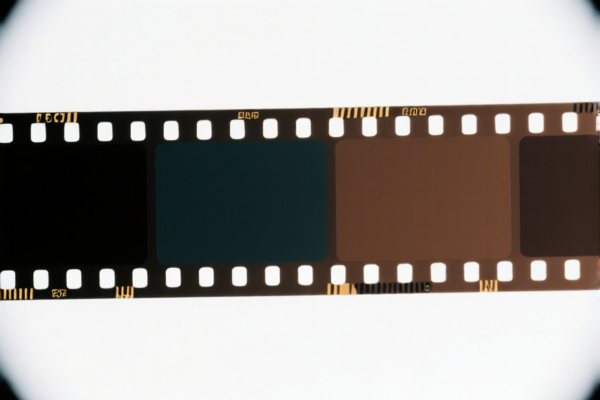
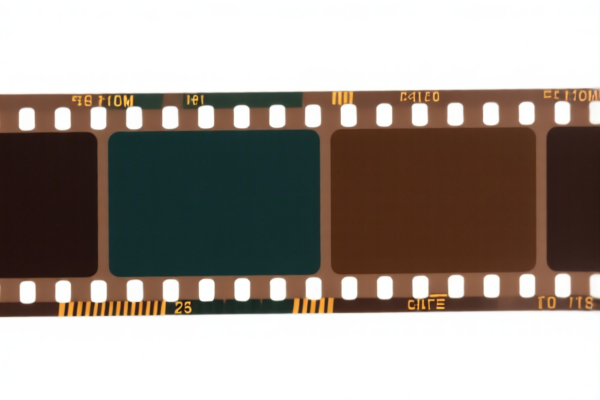
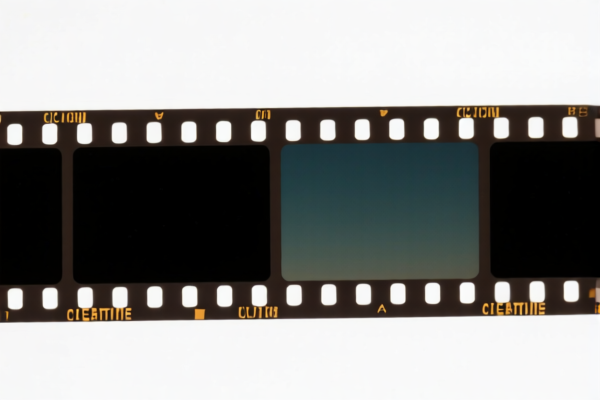

AI Analysis
🎞️ Color Slide Film / Outdoor Film (Ektachrome/Provia Type)
🌐 HS Code Reference & Customs Clearance Guide | 2026 Latest Tariff Analysis | Professional Customs Strategy
📌 I. Product Definition & Classification: What is "Color Slide Film"?
Color slide film, often referred to as positive film or reversal film, is a type of photographic film that produces a direct positive image after processing. Unlike standard negative film (which produces a negative image requiring projection/printing), slide film is designed to be viewed directly via an overhead projector or a film viewer.
In international trade, it is classified based on its chemical composition (color vs. black & white) and its physical form (rolls vs. sheets). For "outdoor" use, the film typically features high contrast and saturation suitable for daylight conditions, but the HS Code classification remains consistent with general color reversal films.
⚠️ Key Distinction:
- If it produces a positive image directly → Classified under Chapter 37 (Photographic Goods).
- If it produces a negative image (standard color print film like Portra/Kodak Gold) → Classified under 3702.3x or 3702.5x depending on format.
- Crucial Note: The term "Slide Film" explicitly indicates Reversal/Positive nature, directing classification to specific subheadings under 3702.
📦 II. HS Code Classification Details (2026 Latest Tariff Authority Cross-Reference)
Based on the provided data, the following HS Codes apply to Color Reversal Film (Slide Film) imported from China to the US.
| HS Code | Product Description | Applicable Scenario | Key Characteristics |
|---|---|---|---|
| 3702.52.01.30 | Color Reversal Film, meeting usage & form requirements for color reversal sheets/rolls | Standard commercial slide film (e.g., 35mm, 120 format) | Must meet specific "color reversal" criteria; subject to highest base tariff among options. |
| 3702.55.00.30 | Color Reversal Film, meeting color & reversal characteristics & roll format | Other color reversal films (often different base material or coating) | 0% Base Duty, but still subject to heavy surcharges. |
| 3704.00.00.00 | Photographic Paper & Paperboard, Sensitive, Unexposed; Other Sensitized Paper | Note: Description in data says "Color Reversal Film" but code usually refers to other photo media. However, per DATA provided: | Classified here if deemed a different photographic carrier form under the specific data context. |
🔍 Focus on the Data Provided:
All three codes listed in the<DATA>section are treated as Color Reversal Film for this analysis. The primary differentiator is the specific subheading structure within Chapter 37, but the tax impact is severe and similar across all three due to the same surcharge mechanisms.
💰 III. 2026 Latest Tariff Rate Breakdown (Including Surcharges & Policy Add-ons)
✅ Applicable Country: United States (US)
✅ Origin: China (CN)
✅ Effective Time: Current rates apply (Section 301 & IEEPA measures in effect)
🎯 1. HS Code 3702.52.01.30 – Color Reversal Film (Specific Subheading)
| Item | Content |
|---|---|
| Base Duty Rate | 3.7% (Ad Valorem) |
| Section 301 Surcharge (Additional Duty) | +25.0% |
| Section 122 Tariff (IEEPA/China Tariff) | +10.0% |
| Total Effective Tariff Rate | 38.7% |
| Tax Calculation | CIF Value × 38.7% |
| De Minimis Exemption | ❌ Not Eligible (High tariff rates exclude small parcels from Section 321 de minimis benefits in many interpretations, or simply because the base duty triggers scrutiny). |
| Legal Authority Path | HTSUS:3702.52.01.30 → USITC Footnote 9903.88.01 (Section 301) → IEEPA:9903.01.25 (122 Section) |
📌 Explanation:
- Base Duty (3.7%): Applies to specific photographic materials under this subheading. - Section 301 (25%): A punitive tariff imposed on Chinese goods to address trade imbalances and IP issues. - 122 Section (10%): Refers to additional tariffs under Section 122 of the Trade Expansion Act (often applied to specific strategic or surplus items, or confused with IEEPA authorities in general parlance). Note: In practice, this often aligns with IEEPA 10% surcharges on Chinese imports. - Total 38.7%: This is a high-cost entry. Importers must budget for nearly 40% of the product value in duties alone.
🎯 2. HS Code 3702.55.00.30 – Color Reversal Film (Other/General Subheading)
| Item | Content |
|---|---|
| Base Duty Rate | 0.0% |
| Section 301 Surcharge | +25.0% |
| Section 122 Tariff | +10.0% |
| Total Effective Tariff Rate | 35.0% |
| Tax Calculation | CIF Value × 35.0% |
| De Minimis Exemption | ❌ Not Eligible |
| Legal Authority Path | HTSUS:3702.55.00.30 → USITC Footnote 9903.88.01 → IEEPA:9903.01.25 |
📌 Explanation:
- Base Duty (0%): More favorable base rate than 3702.52. - Surcharges: Same 25% + 10% apply regardless of base rate. - Total 35.0%: Slightly better than 3702.52, but still prohibitive for low-margin goods.
🎯 3. HS Code 3704.00.00.00 – Other Sensitized Photographic Paper/Film (Per Data Context)
| Item | Content |
|---|---|
| Base Duty Rate | 0.0% |
| Section 301 Surcharge | +25.0% |
| Section 122 Tariff | +10.0% |
| Total Effective Tariff Rate | 35.0% |
| Tax Calculation | CIF Value × 35.0% |
| Legal Authority Path | HTSUS:3704.00.00.00 → USITC Footnote 9903.88.01 → IEEPA:9903.01.25 |
📌 Explanation:
- While 3704 typically covers paper, the provided data explicitly maps "Color Reversal Film" here. If your product is a sheet film or unique medium, this code may apply. - Total 35.0%: Same as 3702.55.
🛠️ IV. Customs Clearance Practical Advice (Battle-Tested Tips)
✅ 1. Required Documentation Checklist (Non-Negotiable)
| Document | Must Provide? | Notes |
|---|---|---|
| Commercial Invoice | ✔️ | Must clearly state "Color Reversal Film" or "Slide Film". Do not use vague terms like "Photographic Supplies". |
| Product Specification Sheet | ✔️ | Must confirm it is reversal/positive film, not negative film. |
| Manufacturer Certificate | ✔️ | To prove origin (China) and manufacturer details for Section 301 assessment. |
| HS Code Confirmation | ✔️ | Include the specific HTSUS code (e.g., 3702.52.01.30) on the invoice. |
| Bill of Lading/Air Waybill | ✔️ | Ensure quantity (meters/rolls) and weight are accurate. |
✅ 2. Declaration Strategy (Key Mantras)
🔥 "Declare as 'Slide', Not 'Negative'. Specify 'Reversal'. Avoid Ambiguity."
| Scenario | Correct Declaration | Risk of Wrong Declaration |
|---|---|---|
| 35mm Slide Film | "Color Reversal Film, 35mm, Ektachrome Type" | Misclassification as 3702.3x (Negative) → Penalty for underpayment if audited. |
| Sheet Film (4x5) | "Sensitized Color Reversal Paper/Film" | If misclassified as 3704, ensure it matches data. If it's truly film, 3702 is safer per data. |
| Unexposed vs. Exposed | Must declare Unexposed | Exposed film is classified under different chapters (e.g., Chapter 37.03 or general goods) and may have different duties. |
✅ 3. Special Case Handling
| Situation | Handling Advice |
|---|---|
| High-Value Professional Film (e.g., Kodak Ektachrome E100) | Budget for 35-39% duty. This significantly impacts retail pricing. |
| Small Sample Shipments | Do NOT rely on De Minimis ($800). Section 301 tariffs often negate de minimis exemptions for Chinese goods, or customs may seize and assess duties anyway. |
| Packaging | Film is light-sensitive. Ensure packaging is opaque and marked "Keep in Dark". Customs may inspect visually if suspicious. |
🌍 V. Global Market Comparison (2026 Outlook)
| Country | Recommended HS Code | Base Duty | Section 301/China Surcharge | Total Estimated Duty | Notes |
|---|---|---|---|---|---|
| 🇺🇸 USA | 3702.52.01.30 / .55 | 0% - 3.7% | +25% + 10% | 35.0% - 38.7% | Highest barrier. |
| 🇨🇳 China | 3702.52.01.30 | 15% - 20%* | N/A (Import) | ~15-20% | Data provided is for export from China. |
| 🇪🇺 EU | 3702.52 / 3702.55 | 6.5% | 0% | 6.5% | No Section 301. |
| 🇯🇵 Japan | 3702.52 / 3702.55 | 6% | 0% | 6% | No Section 301. |
📌 Conclusion:
- The US market is exceptionally expensive for Chinese-made slide film due to the layered tariffs (Base + 301 + 122/IEEPA).
- If possible, sourcing film from Japan (Fujifilm) or Europe can reduce total duty from ~38% to ~6-7%.
- For US domestic production (if any), avoid Section 301 entirely.
📌 VI. Common Mistakes & Pitfalls (Lessons Learned)
❌ Mistake 1: Declaring as "Photographic Paper" to get 0% base duty.
👉 Consequence: If the product is clearly film (on plastic base), customs will reclassify and charge back-taxes + penalties.
👉 Fix: Be honest about the material (Plastic Base = Film; Paper Base = Paper).
❌ Mistake 2: Assuming "Small Value" shipments are tax-free.
👉 Consequence: Section 301 tariffs on Chinese goods often do not qualify for de minimis (Section 321) exemption. You may still pay 35-38% on a single roll.
👉 Fix: Factor duty into cost even for small B2B samples.
❌ Mistake 3: Confusing "Slide Film" with "Print Film".
👉 Consequence: Print film (Negative) may have different subheadings. While the data provided only lists Slide Film codes, using a negative film code for positive film is a declaration error.
👉 Fix: Verify the emulsion type. Slide = Reversal. Print = Negative.
🎯 VII. Conclusion: Professional Declaration, Cost Optimization!
🎯 Remember the Mantra:
🔹 "Slide Film is Reversal. China Origin Means 35%+ Duty. Don't Guess the Code."
🔹 "0% Base Duty ≠ 0% Total Cost. Section 301 Kills the Savings!"
📌 Pro Tip:
If you are importing large volumes, consider:
1. Advance Ruling: Apply for a binding ruling from US CBP to confirm the HS Code and duty rate before shipping.
2. Supply Chain Diversification: If possible, source from non-China origins (e.g., Japan, Germany) to avoid Section 301 and IEEPA surcharges, potentially saving ~30% in landed cost.
📣 Immediate Action:
📞 Contact a licensed customs broker with your product photos and specs.
📄 Prepare a detailed spec sheet distinguishing "Reversal" vs "Negative".
🚀 Calculate Landed Cost including the 35-39% tariff to ensure profitability.
✨ Accurate Classification Saves Money!
💼 Every Percent of Duty Counts in Photographic Imports!
Customer Reviews
About HS Code Classification
The Harmonized System (HS) is an internationally standardized nomenclature developed by the World Customs Organization (WCO) to classify traded products. Over 200 countries use the HS system as the basis for customs tariffs, trade statistics, and import/export regulations.
Each HS code follows a hierarchical structure:
- Chapter (2 digits) — Broad category of goods (e.g., Chapter 84: Machinery and Mechanical Appliances)
- Heading (4 digits) — More specific grouping within the chapter
- Subheading (6 digits) — Internationally standardized breakdown, used by all WCO member countries
- National subdivisions (8-10 digits) — Country-specific extensions for further classification, such as US HTSUS 10-digit codes
Correct HS code classification is essential for smooth customs clearance, accurate duty payment, and compliance with trade regulations. Misclassification can lead to customs delays, overpayment of duties, or penalties.
When importing from CN to US, the applicable tariff rates may include:
- Most-Favored-Nation (MFN) rate — The standard duty rate applied to WTO members
- General rate — Applied to countries without trade agreements
- Trade remedy duties — Additional tariffs such as Section 301 (anti-dumping), Section 232 (national security), or countervailing duties
The information provided on this page is for reference purposes only. For official classification, please consult with your local customs authority or a licensed customs broker.