Color Sublimation Film (Negative)
CN → US| HS Code | Tariff Rate | Origin | Destination | Doc |
|---|---|---|---|---|
| 3701910060 | 38.7% | CN | US | Official Doc |
| 3701910030 | 38.7% | CN | US | Official Doc |
| 3702310100 | 38.7% | CN | US | Official Doc |
| 3702540060 | 38.7% | CN | US | Official Doc |
| 3707100005 | 38.0% | CN | US | Official Doc |
Product Images


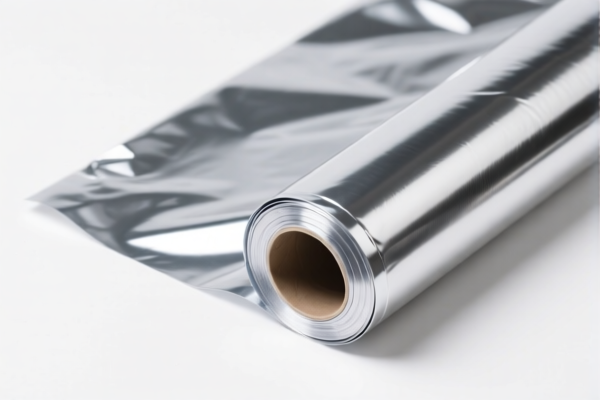
AI Analysis
🎨 Color Sublimation Film (Negative)
🌐 HS Code Reference & Customs Clearance Guide | 2026 Latest Tariff Analysis | Professional Clearance Strategy
📌 Product Overview: What is "Color Sublimation Film (Negative)"?
In the world of graphic arts, textile printing, and industrial manufacturing, Color Sublimation Film (Negative) refers to a specialized photographic or digital output medium used in the transfer process. Typically, these are negatives (or specific dye-sublimation rolls/sheets) used to create positive prints or transfer images onto substrates like polyester fabrics, ceramics, or metals using heat and pressure.
From a customs perspective, the critical factor is whether the film is exposed (photographed/printed) or unexposed, and its material composition (cellulose acetate, polyester, etc.), which dictates the specific HS Code.
Based on the provided <DATA>, here are the applicable HS Codes, tax breakdowns, and customs advice.
📦 I. HS Code Classification Details (Based on Provided Data)
The following HS Codes are derived strictly from the provided <DATA>. All these codes relate to sensitized photographic film/plates, either exposed or unexposed, made from non-paper/non-textile materials.
| HS Code | Product Description (Summary from Data) | Total Tax Rate | Tax Detail Breakdown |
|---|---|---|---|
3701.91.00.60 |
Color Negative Film: Sensitized film for color photography, made of non-paper/non-textile material. | 38.7% | Base: 3.7%, Additional: 25.0%, Section 122: 10% |
3701.91.00.30 |
Sensitized Unexposed Flat Plates: For color photography, form is plates/negatives. | 38.7% | Base: 3.7%, Additional: 25.0%, Section 122: 10% |
3702.31.01.00 |
Sensitized Film: For color photography, unexposed, material is non-paper/non-textile. | 38.7% | Base: 3.7%, Additional: 25.0%, Section 122: 10% |
3702.54.00.60 |
Sensitized Roll Film: Material is non-paper, non-cardboard, or non-textile. | 38.7% | Base: 3.7%, Additional: 25.0%, Section 122: 10% |
3707.10.00.05 |
Sensitized Emulsion: Application form for color negative paper. | 38.0% | Base: 3.0%, Additional: 25.0%, Section 122: 10% |
⚠️ Key Note on "Sublimation":
While the user input is "Sublimation Film," the provided data categorizes these items under Chapter 37 (Photographic or Cinematographic Goods). This implies the customs authority views these specific sublimation negatives as sensitized photographic films rather than standard plastic films. Ensure the product matches the physical description (sensitized, photographic nature) to fit these codes. If it is a blank, unsensitized polyester film for printing, it might fall under Chapter 39, but that is not in the provided data. We stick strictly to the provided HS Codes.
💰 II. 2026 Latest Tariff Rate Breakdown (Detailed)
✅ Applicable Countries: United States (US)
✅ Origin: China (CN)
✅ Effective Date: Rates apply to imports subject to current trade measures.
All products in the provided <DATA> are subject to a complex tariff structure combining Base Duty, Section 301 Additional Duty, and Section 122 Duty.
🎯 1. Film & Plates (HS Codes: 3701.91, 3702.31, 3702.54)
Applies to: 3701.91.00.60, 3701.91.00.30, 3702.31.01.00, 3702.54.00.60
| Component | Rate | Description |
|---|---|---|
| Base Tariff | 3.7% | Standard Most Favored Nation (MFN) rate for photographic film/plates. |
| Section 301 Additional Duty | 25.0% | Trump-era tariff on Chinese goods under USITC List 3/4. |
| Section 122 Duty | 10.0% | Additional duty under specific trade provisions (likely related to recent executive orders or specific sectoral rules). |
| Total Effective Tax Rate | 38.7% | Sum of Base + Sec 301 + Sec 122. |
📌 Interpretation:
- The 3.7% is the standard WTO/MFN duty.
- The 25.0% is the heavy hit from Section 301, targeting Chinese manufacturing.
- The 10.0% (Section 122) is an additional layer, making the total duty nearly 40%.
- No de minimis exemption likely applies for this value of goods.
🎯 2. Sensitized Emulsion/Paper Application (HS Code: 3707.10.00.05)
Applies to: 3707.10.00.05
| Component | Rate | Description |
|---|---|---|
| Base Tariff | 3.0% | Standard rate for photographic chemicals/emulsions. |
| Section 301 Additional Duty | 25.0% | Same Section 301 penalty as above. |
| Section 122 Duty | 10.0% | Same Section 122 penalty as above. |
| Total Effective Tax Rate | 38.0% | Slightly lower than film due to lower base rate. |
📌 Interpretation:
- If your product is technically a sensitized emulsion layer or a specific paper-based application form rather than the film base itself, it might fall here.
- However, "Sublimation Film" is typically a film base, so3701or3702codes are more likely accurate. Misclassification here could lead to customs audits.
🛠️ III. Customs Clearance Practical Advice
✅ 1. Critical Documentation Checklist
| Document | Requirement | Purpose |
|---|---|---|
| Product Specification Sheet | ✔️ Mandatory | Must clearly state: "Sensitized Photographic Film," "Color Negative," "Material: Polyester/Cutace," "Unexposed/Exposed." |
| Certificate of Origin | ✔️ Mandatory | Must declare Origin: China (CN) to accurately apply Section 301/122 duties. |
| Commercial Invoice | ✔️ Mandatory | Value must be CIF (Cost, Insurance, Freight). Clearly list HS Code. |
| Packaging List | ✔️ Mandatory | Detail weight, dimensions, and number of rolls/plates. |
| Technical Data Sheet (TDS) | ✔️ Recommended | Proves the product is "sensitized" (contains photographic emulsion) to justify Chapter 37 classification vs. Chapter 39 (Plastics). |
✅ 2. Classification Strategy & Pitfalls
| Scenario | Correct HS Code | Risk if Misclassified |
|---|---|---|
| Sensitized, Unexposed Roll Film | 3702.31.01.00 or 3702.54.00.60 |
If declared as "Plastic Film" (Ch 39), risk of penalty + wrong duty. |
| Sensitized, Unexposed Flat Plates | 3701.91.00.30 |
If declared as "General Plates," risk of 0% duty evasion claim. |
| Sensitized Color Negative Film | 3701.91.00.60 |
Most common for sublimation negatives. |
| Emulsion Liquid/Sheet | 3707.10.00.05 |
Only if it's not a complete film/plate but an emulsion component. |
🔍 Key Distinction:
- Is it sensitized? If the film has been coated with light-sensitive emulsion (even for digital sublimation output), it falls under Chapter 37.
- Is it unexposed? Most sublimation films are sold unexposed (blank) for the printer to expose/heat-transfer. This matches3702(unexposed) or3701(sensitized plates/film).
- Material: Must be non-paper, non-textile. If it's a textile-based transfer film, it might be misclassified. The provided data explicitly excludes textile materials for these codes.
✅ 3. Cost-Saving & Risk Mitigation Tips
- Pre-Ruling Application: Given the high duty rate (38.7%), consider applying for an Advance Ruling from U.S. Customs and Border Protection (CBP) to confirm the HS Code before shipping large volumes.
- Verify Section 122 Applicability: Confirm with your customs broker if the 10% Section 122 duty is still actively enforced for your specific product entry date. Trade policies can shift.
- Value Declaration: Ensure the ** dutiable value** (CIF) is accurately declared. Over-invoicing to hide duties can lead to severe penalties. Under-invoicing triggers customs audits.
- Alternative Supply Chains: If the 38.7% duty is prohibitive, consider sourcing sublimation films from non-China origins (e.g., Vietnam, South Korea, or the USA) to potentially avoid Section 301 and Section 122 duties. Check if any country has a Free Trade Agreement (FTA) with the US (e.g., KORUS, USMCA) that might offer better rates for photographic goods.
🌍 IV. Global Market Context (Comparison)
| Region | Typical Duty on Photographic Film | Notes |
|---|---|---|
| 🇺🇸 USA | 38.7% (China Origin) | High due to Section 301 + 122. |
| 🇨🇳 China | 0% - 5% | Lower base duties, no Section 301/122. |
| 🇪🇺 EU | Varies | Often 0-6.5% for photographic goods. No Section 301/122 equivalent. |
| 🇬🇧 UK | Varies | Post-Brexit rates apply. Similar to EU. |
📌 Conclusion for US Importers:
The 38.7% total duty is significant. If your margin is thin, this duty can erase profitability. Explore duty drawback programs if you re-export the finished goods, or consider supply chain diversification.
📌 V. Common Errors & How to Avoid Them
❌ Error 1: Declaring "Sublimation Film" as "Plastic Sheet" (HS 3920)
👉 Consequence: Incorrect classification. Customs may argue it's a "sensitized" good (Ch 37), leading to back-taxes and penalties.
👉 Fix: Use precise language: "Sensitized Color Negative Film for Photographic Use."
❌ Error 2: Ignoring the "Non-Textile" Clause
👉 Consequence: If the film backing is textile-based, it may not fit 3701/3702 as described in the data.
👉 Fix: Verify material composition. If textile, check other HS codes not in the provided data.
❌ Error 3: Not Accounting for Section 122 Duty
👉 Consequence: Under-budgeting for customs duties.
👉 Fix: Include the full 38.7% (or 38.0%) in your landed cost calculation.
🎯 VI. Final Recommendation
For Color Sublimation Film (Negative) imported from China to the US:
- Primary HS Code: Likely
3701.91.00.60(Color Negative Film) or3702.31.01.00(Sensitized Unexposed Film), depending on form factor (roll vs. flat). - Total Duty Cost: Budget for 38.7% of CIF value.
- Action:
- ✅ Confirm product is sensitized and non-textile.
- ✅ Prepare detailed technical specs to prove Chapter 37 classification.
- ✅ Consider duty drawback or FTA sourcing if costs are prohibitive.
📣 Pro Tip:
"Customs is strict on 'Photographic' vs. 'Industrial' goods. Ensure your product description emphasizes its sensitized, photographic nature to justify Chapter 37. Mislabeling as 'general purpose film' can lead to reclassification and unexpected duties."
🚀 Stay Compliant, Stay Competitive!
Customer Reviews
About HS Code Classification
The Harmonized System (HS) is an internationally standardized nomenclature developed by the World Customs Organization (WCO) to classify traded products. Over 200 countries use the HS system as the basis for customs tariffs, trade statistics, and import/export regulations.
Each HS code follows a hierarchical structure:
- Chapter (2 digits) — Broad category of goods (e.g., Chapter 84: Machinery and Mechanical Appliances)
- Heading (4 digits) — More specific grouping within the chapter
- Subheading (6 digits) — Internationally standardized breakdown, used by all WCO member countries
- National subdivisions (8-10 digits) — Country-specific extensions for further classification, such as US HTSUS 10-digit codes
Correct HS code classification is essential for smooth customs clearance, accurate duty payment, and compliance with trade regulations. Misclassification can lead to customs delays, overpayment of duties, or penalties.
When importing from CN to US, the applicable tariff rates may include:
- Most-Favored-Nation (MFN) rate — The standard duty rate applied to WTO members
- General rate — Applied to countries without trade agreements
- Trade remedy duties — Additional tariffs such as Section 301 (anti-dumping), Section 232 (national security), or countervailing duties
The information provided on this page is for reference purposes only. For official classification, please consult with your local customs authority or a licensed customs broker.