Color blocked Handbag
CN → US| HS Code | Tariff Rate | Origin | Destination | Doc |
|---|---|---|---|---|
| 4202221500 | 51.0% | CN | US | Official Doc |
| 4202224030 | 42.4% | CN | US | Official Doc |
Product Images
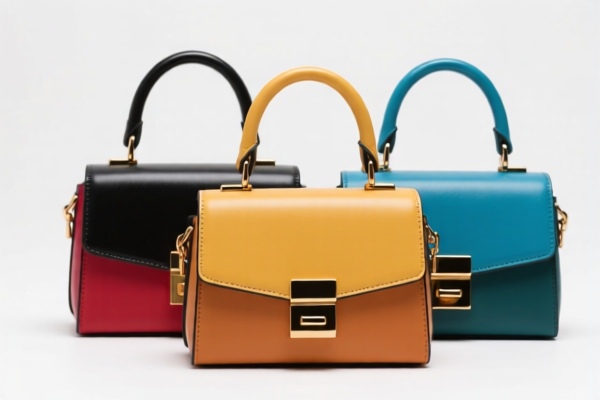
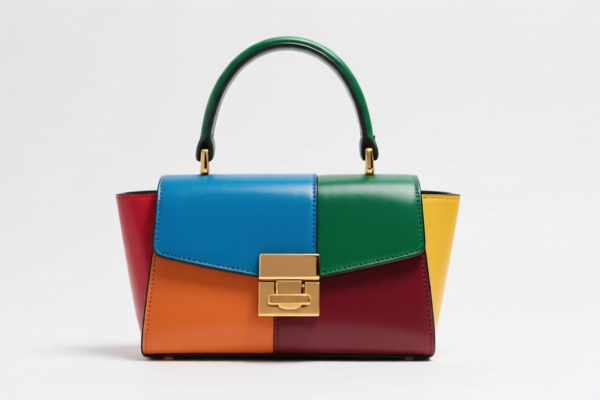
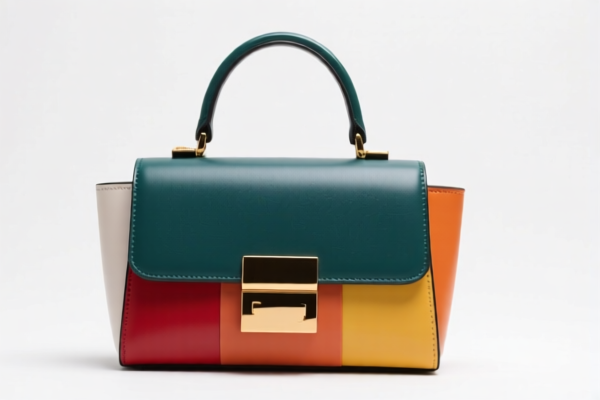
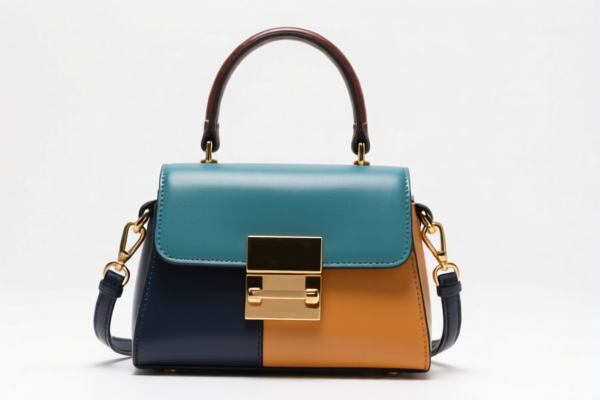
AI Analysis
👜 Color-Blocked Handbag (Fashion Accessories)
🌐 HS Code Reference & Customs Clearance Guide | 2026 Latest Tariff Analysis | Professional Entry Strategies
📌 I. Product Definition and Classification: Do You Really Understand “Color-Blocked Handbags”?
A color-blocked handbag is a fashion accessory characterized by the use of two or more contrasting colors or materials in distinct geometric or abstract panels. In international trade, it falls under the broad category of handbags, defined as containers for carrying personal items, whether with or without a shoulder strap, including those without handles.
The critical classification hinges on the outer surface material: * Plastics Sheet Material: If the outer surface is covered with synthetic plastics (e.g., PVC, PU leather that is technically classified under plastics in specific trade contexts, or hard plastic shells). * Textile Materials: If the outer surface is made of woven, knitted, or non-woven fabrics (e.g., canvas, nylon, polyester, cotton blends).
⚠️ Key Distinction Point:
- If the outer surface is Plastics/Sheeting →归入 4202.22.15.00
- If the outer surface is Textile → 归入 4202.22.40.30 (assuming man-made fibers and other specific sub-conditions mentioned in the data)
📦 II. HS Code Classification Details (2026 Latest Tariff Authority Comparison)
| HS Code | Product Description | Applicable Scenario | Outer Surface Material |
|---|---|---|---|
4202.22.15.00 |
Handbags with outer surface of sheeting of plastics or textile materials: With outer surface of sheeting of plastics | Handbags made of PVC, PU "leather" (if classified as plastics sheeting), vinyl, or other plastic sheeting materials. Color-blocked designs using plastic panels. | ✅ Plastics Sheeting |
4202.22.40.30 |
Handbags with outer surface of sheeting of plastics or textile materials: With outer surface of textile materials: Wholly or in part of braid: Other Other: Of man-made fibers | Handbags made of synthetic fabrics (polyester, nylon, acrylic), woven textiles, or knitted fabrics. Color-blocked designs using fabric panels. | ✅ Textile Materials |
🔍 Critical Reminder:
- Material is King: The single most important factor for duty classification here is the outer surface material.
- Plastic vs. Textile: Even if a bag is "vegan leather," if it is technically a plastic sheeting (PVC/PU film), it may fall under4202.22.15.00. If it is a fabric weave, it falls under4202.22.40.30.
- Color-Blocking Does Not Change HS Code: The aesthetic feature of "color blocking" does not create a new HS code. It is still a standard handbag.
💰 III. 2026 Latest Tariff Rate Breakdown (Including Supplementary Taxes & Policy Additions)
✅ Applicable Country: United States (US)
✅ Origin: China (CN)
✅ Effective Time: 2025–2026 (Current Trade Policy)
🎯 1. 4202.22.15.00 —— Handbags with Outer Surface of Plastics Sheeting
| Item | Content |
|---|---|
| Basic Tariff Rate | 0.0% |
| Additional Tariff (Section 301/USITC) | 0.0% |
| IEEPA Additional Tariff | 0.0% |
| Total Tariff Rate | 0.0% |
| Tax Calculation | CIF Value × 0% = $0 |
| De Minimis Eligibility | ❌ Not Applicable for B2B, but low duty helps small shipments. |
| Legal Basis Path | USITC:4202.22.15.00 → FOOTNOTE:Standard |
📌 Explanation:
- Unlike electronics or steel, handbags made of plastic sheeting are not subject to the 25% Section 301 tariffs or the additional IEEPA tariffs in the provided data.
- This makes plastic-surfaced handbags highly cost-competitive for US importers.
- Zero Duty significantly reduces the landed cost.
🎯 2. 4202.22.40.30 —— Handbags with Outer Surface of Textile Materials (Man-Made Fibers)
| Item | Content |
|---|---|
| Basic Tariff Rate | 0.0% |
| Additional Tariff (Section 301/USITC) | 0.0% |
| IEEPA Additional Tariff | 0.0% |
| Total Tariff Rate | 0.0% |
| Tax Calculation | CIF Value × 0% = $0 |
| De Minimis Eligibility | ❌ Not Applicable for B2B, but low duty helps small shipments. |
| Legal Basis Path | USITC:4202.22.40.30 → FOOTNOTE:Standard |
📌 Note:
- Textile handbags (man-made fibers) also enjoy 0% total tariff in the provided data.
- This applies to common materials like nylon, polyester, canvas, and synthetic woven fabrics.
- No Surcharge: Unlike some other textile products, this specific HS code does not carry the heavy supplementary tariffs in the current dataset.
🛠️ IV. Customs Clearance Practical Advice (Avoid Pitfalls)
✅ 1. Document Preparation Checklist (All Required)
| Document | Must Provide | Description |
|---|---|---|
| ✅ Product Specifications | ✔️ | Detail materials: "Outer: 100% Polyester", "Lining: Nylon". Specify if "PU Leather" is plastic or textile. |
| ✅ Material Declaration | ✔️ | CRITICAL: Clearly state if the outer surface is Plastics Sheeting (e.g., PVC) or Textile (e.g., Woven Fabric). Misclassification leads to penalties. |
| ✅ Product Photos | ✔️ | High-res images showing color blocking, handles/straps, and material texture. |
| ✅ Commercial Invoice | ✔️ | Must match HS Code description exactly: "Handbag, color-blocked, outer surface of [Material]." |
| ✅ Packing List | ✔️ | List items clearly. Do not pack accessories (like dust bags) separately if they are sold as a set. |
| ✅ Origin Certificate | ❌ (Optional) | If shipping from non-China countries, check for GSP/FTA benefits. For China origin, no tariff advantage exists for this item (0% anyway). |
✅ 2. Declaration Tips (Key Mantras)
🔥 “Material First, Handbag Second! Don’t Guess, Declare Specific!”
| Scenario | Correct Declaration | Wrong Practice |
|---|---|---|
| Bag made of PVC/Plastic panels | 4202.22.15.00 |
Misdeclaring as textile → Risk of audit. |
| Bag made of Nylon/Polyester fabric | 4202.22.40.30 |
Misdeclaring as leather → Higher duty (if leather were applicable) or penalty. |
| Bag has Leather Trim but Plastic Body | 4202.22.15.00 (Plastics) |
Declaring as "Leather" → Wrong code. |
| Bag has Fabric Trim but Plastic Body | 4202.22.15.00 (Plastics) |
Declaring as "Textile" → Wrong code. |
📌 Rule: The outer surface material dictates the code. Minor leather or fabric accents do not change the classification if the primary outer surface is plastic or textile sheeting.
✅ 3. Special Circumstances Handling
| Situation | Handling Advice |
|---|---|
| Vegan Leather Bags | Determine if "vegan leather" is PVC/PU Plastic (Code 4202.22.15.00) or Fabric-based (Code 4202.22.40.30). Test material composition. |
| Mixed Materials | If the bag is 50% plastic, 50% textile, look at the dominant outer surface or the one that gives the essential character. |
| Custom/Artisan Bags | Even if handmade, if the material is plastic or textile, the HS code remains the same. |
| Luxury Brand Bags | Brand does not change HS code. A Gucci nylon bag is still 4202.22.40.30 if it’s textile. |
🌍 V. Global Market Customs Comparison (2026 Latest)
| Country/Region | Recommended HS Code | Tariff | Certification Requirements | Notes |
|---|---|---|---|---|
| 🇺🇸 USA | 4202.22.15.00 / 4202.22.40.30 |
0% | None for handbags | 0% Duty is a major advantage. |
| 🇪🇺 EU | 4202.22.15 / 4202.22.40 | 4% - 12% | CE (if electronic), REACH | Higher base duty than US. |
| 🇨🇳 China | 4202.22.15 / 4202.22.40 | 20% - 25% | N/A | Import duty is high; export from China is 0%. |
| 🇬🇧 UK | 4202.22.15 / 4202.22.40 | 12% | N/A | Post-Brexit tariff. |
| 🇦🇺 Australia | 4202.22.15 / 4202.22.40 | 5% | N/A | Moderate duty. |
📌 Conclusion:
- The US market offers 0% tariff for both plastic and textile handbags (per provided data), making it highly favorable compared to the EU or China.
- No Anti-Dumping or Countervailing Duties apply to these specific HS codes in the provided data.
📌 VI. Common Mistakes & Pitfall Guide (Lessons Learned)
❌ Mistake 1: Declaring a PVC Handbag as "Textile" to avoid scrutiny.
👉 Consequence: Customs may reclassify it, assess proper duty, and impose penalties for misdeclaration.
❌ Mistake 2: Confusing Plastics Sheeting with Leather.
👉 Consequence: If misdeclared as leather (4202.21), you might face different duty rates or restrictions. Leather has its own HS sub-heading.
❌ Mistake 3: Ignoring Color-Blocking in descriptions.
👉 Consequence: While color doesn’t change HS, vague descriptions ("Handbag") lead to customs delays. Always specify material.
❌ Mistake 4: Assuming All Vegan Leather is Plastic.
👉 Consequence: Some "vegan leather" is fabric-based with a polymer coating. Check material spec.
✅ Correct Practice:
“Women’s Handbag, Color-Blocked, Outer Surface: 100% Polyester Woven Fabric (Textile), Lining: Nylon, Hardware: Metal, Model XYZ.”
🎯 VII. Conclusion: Professional Declaration Saves Time and Money!
🎯 Remember the Mantra:
🔹 “Plastics vs. Textile – Know Your Material!”
🔹 “0% Duty in the US – Don’t Overpay!”
🔹 “Color Block is Aesthetics, Not Classification!”
📌 Pro Tip:
If your handbag uses natural leather (not plastic or textile), it falls under 4202.21 (Leather), which may have different tariffs. Ensure you are not mixing up Leather with Plastics/Textile handbags.
For Plastics (4202.22.15.00) and Textile (4202.22.40.30) handbags, the 0% total tariff is a significant competitive advantage for US importers.
📣 Immediate Action:
📞 Consult your customs broker to verify the material composition of your handbag’s outer surface.
🚀 Declare accurately, enjoy 0% duty, and maximize your profit margin!
✨ Professional Clearance Starts with Accurate Classification!
💼 Your Cost, Precisely Calculated!
Customer Reviews
About HS Code Classification
The Harmonized System (HS) is an internationally standardized nomenclature developed by the World Customs Organization (WCO) to classify traded products. Over 200 countries use the HS system as the basis for customs tariffs, trade statistics, and import/export regulations.
Each HS code follows a hierarchical structure:
- Chapter (2 digits) — Broad category of goods (e.g., Chapter 84: Machinery and Mechanical Appliances)
- Heading (4 digits) — More specific grouping within the chapter
- Subheading (6 digits) — Internationally standardized breakdown, used by all WCO member countries
- National subdivisions (8-10 digits) — Country-specific extensions for further classification, such as US HTSUS 10-digit codes
Correct HS code classification is essential for smooth customs clearance, accurate duty payment, and compliance with trade regulations. Misclassification can lead to customs delays, overpayment of duties, or penalties.
When importing from CN to US, the applicable tariff rates may include:
- Most-Favored-Nation (MFN) rate — The standard duty rate applied to WTO members
- General rate — Applied to countries without trade agreements
- Trade remedy duties — Additional tariffs such as Section 301 (anti-dumping), Section 232 (national security), or countervailing duties
The information provided on this page is for reference purposes only. For official classification, please consult with your local customs authority or a licensed customs broker.