Colored Aerospace Film
CN → US| HS Code | Tariff Rate | Origin | Destination | Doc |
|---|---|---|---|---|
| 3920620050 | 39.2% | CN | US | Official Doc |
| 3921904090 | 39.2% | CN | US | Official Doc |
| 3921905050 | 39.8% | CN | US | Official Doc |
| 3920591000 | 41.0% | CN | US | Official Doc |
| 3920992000 | 39.2% | CN | US | Official Doc |
Product Images


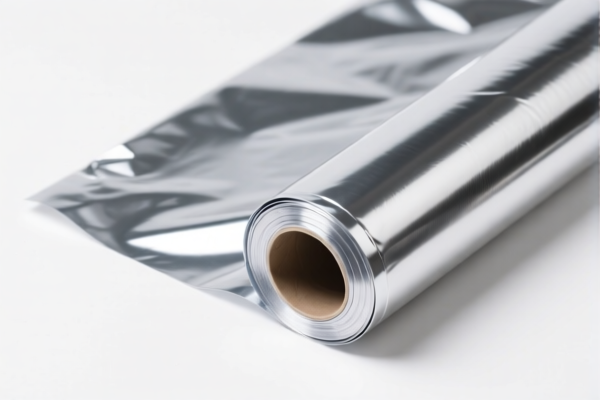
AI Analysis
✈️ Colored Aerospace Film (彩色航空膜)
🌐 HS Code Reference & Customs Clearance Guide | 2026 Latest Tariff Analysis | Professional Entry Strategy
📌 I. Product Definition & Classification: What is "Colored Aerospace Film"?
"Colored Aerospace Film" typically refers to specialized plastic films or sheets used in aviation manufacturing, interior decoration, or protective packaging. These materials are characterized by their specific optical properties (color/transparency), mechanical strength, and chemical resistance. In international trade, they are primarily classified under Chapter 39 (Plastics and Articles Thereof), specifically as sheets, plates, film, or foil of plastics.
⚠️ Critical Distinction:
- If the film is polyester-based or a composite plastic film used for structural/protective purposes → Classified under 3920.62.00.50
- If the film is printed for signage or interior decoration → Classified under 3921.90.50.50 or 3921.90.40.90
- If the film is acrylic-based or a specific polymer not covered elsewhere → Classified under 3920.59.10.00
- If the film is a general plastic sheet/film for industrial printing applications → Classified under 3920.99.20.00
📦 II. HS Code Classification Details (2026 Latest Tariff Authority Cross-Reference)
| HS Code | Product Description | Material Inference | Form | Key Usage Scenario |
|---|---|---|---|---|
3920.62.00.50 |
Other plates, sheets, film, foil and strip, of plastics: Of polyesters | Polyester or Composite Plastic Film | Film | Structural aerospace components, protective layers |
3921.90.50.50 |
Other plates, sheets, film, foil and strip: Of plastics: Other | Plastic | Film | Color printing substrates, interior signage |
3920.99.20.00 |
Other plates, sheets, film, foil and strip, of plastics: Other | Plastic | Film/Sheet | General industrial color printing films |
3920.59.10.00 |
Other plates, sheets, film, foil and strip, of plastics: Of acrylic polymers | Acrylic or Related Polymer | Film | High-transparency aviation windows, optical films |
3921.90.40.90 |
Other plates, sheets, film, foil and strip: Of plastics: Other | Plastic | Film | Decorative interior films, specialized coatings |
🔍 Key Reminder:
- The presence of printing or specific polymer type (e.g., Polyester vs. Acrylic) determines the exact subheading. - All items above are subject to Section 301 Tariffs and Section 122 Tariffs due to China origin. - Misclassification between "Polyester" (3920) and "Other Plastic" (3921) can lead to significant duty discrepancies and customs delays.
💰 III. 2026 Latest Tariff Rate Breakdown (Including Surcharges & Policy Add-ons)
✅ Applicable Country: United States (US)
✅ Country of Origin: China (CN)
✅ Effective Time: From November 10, 2025 (including subsequent imports)
🎯 1. 3920.62.00.50 – Polyester Films (Aerospace Grade)
| Item | Details |
|---|---|
| Base Tariff | 4.2% |
| Section 301 Surcharge | +25.0% |
| Section 122 Tariff | +10.0% |
| Total Tax Rate | 39.2% |
| Tax Calculation | CIF Value × 39.2% |
| De Minimis Exemption | ❌ Not Eligible (deny_de_minimis) |
| Legal Basis Path | USITC:3920.62.00.50 → FOOTNOTE:Section301 → FOOTNOTE:Section122 |
📌 Explanation:
- Base 4.2%: Standard MFN rate for polyester plastic films. - Section 301 (+25%): Applied to Chinese-origin plastics under Trade Act Section 301. - Section 122 (+10%): Additional surcharge based on specific US trade provisions for certain plastic imports. - Total 39.2%: High cost entry point. Must be factored into Landed Cost calculations.
🎯 2. 3921.90.50.50 – Other Plastic Films (Printed/Decorative)
| Item | Details |
|---|---|
| Base Tariff | 4.8% |
| Section 301 Surcharge | +25.0% |
| Section 122 Tariff | +10.0% |
| Total Tax Rate | 39.8% |
| Tax Calculation | CIF Value × 39.8% |
| De Minimis Exemption | ❌ Not Eligible (deny_de_minimis) |
| Legal Basis Path | USITC:3921.90.50.50 → FOOTNOTE:Section301 → FOOTNOTE:Section122 |
📌 Note:
- Slightly higher base rate (4.8%) compared to polyester films. - Applies to plastic films not specified elsewhere, often used for interior cabin printing or exterior wraps.
🎯 3. 3920.99.20.00 – Other Plastic Films/Sheets
| Item | Details |
|---|---|
| Base Tariff | 4.2% |
| Section 301 Surcharge | +25.0% |
| Section 122 Tariff | +10.0% |
| Total Tax Rate | 39.2% |
| Tax Calculation | CIF Value × 39.2% |
| De Minimis Exemption | ❌ Not Eligible (deny_de_minimis) |
| Legal Basis Path | USITC:3920.99.20.00 → FOOTNOTE:Section301 → FOOTNOTE:Section122 |
📌 Note:
- General category for plastic films not classified under specific polymer headings like polyester. - Common for bulk industrial printing films.
🎯 4. 3920.59.10.00 – Acrylic Polymer Films
| Item | Details |
|---|---|
| Base Tariff | 6.0% |
| Section 301 Surcharge | +25.0% |
| Section 122 Tariff | +10.0% |
| Total Tax Rate | 41.0% |
| Tax Calculation | CIF Value × 41.0% |
| De Minimis Exemption | ❌ Not Eligible (deny_de_minimis) |
| Legal Basis Path | USITC:3920.59.10.00 → FOOTNOTE:Section301 → FOOTNOTE:Section122 |
📌 Warning:
- Highest Base Rate (6.0%) among the listed codes. - Applies to films made of acrylic polymers (PMMA). - Often used for high-clarity aerospace windows or light guides. - Total 41.0% is the most expensive option in this list.
🎯 5. 3921.90.40.90 – Other Plastic Films (Specific Sub-category)
| Item | Details |
|---|---|
| Base Tariff | 4.2% |
| Section 301 Surcharge | +25.0% |
| Section 122 Tariff | +10.0% |
| Total Tax Rate | 39.2% |
| Tax Calculation | CIF Value × 39.2% |
| De Minimis Exemption | ❌ Not Eligible (deny_de_minimis) |
| Legal Basis Path | USITC:3921.90.40.90 → FOOTNOTE:Section301 → FOOTNOTE:Section122 |
📌 Note:
- Another sub-category under "Other Plastic Films." - Ensure the product matches the specific description in the HTSUS for this code to avoid misclassification penalties.
🛠️ IV. Customs Clearance Operational Advice (Practical Pitfall Avoidance)
✅ 1. Documentation Checklist (Non-negotiable)
| Document | Mandatory? | Description |
|---|---|---|
| ✅ Product Specification Sheet | ✔️ | Must include material composition (e.g., % Polyester, % Acrylic), thickness, color, and intended use. |
| ✅ Material Safety Data Sheet (MSDS) | ✔️ | Required for chemical identification and handling. |
| ✅ Commercial Invoice | ✔️ | Clearly state "Plastic Film, Color, Aerospace/Printing Use." Avoid vague terms like "Material." |
| ✅ Packing List | ✔️ | Detail net/gross weight, dimensions, and number of rolls/sheets. |
| ✅ Certificate of Origin (CO) | ✔️ | Essential for confirming China origin and applying correct surcharges. |
| ✅ Third-Party Test Report | ✔️ | ISO or ASTM standards for film strength, UV resistance, or optical clarity. |
✅ 2. Declaration Tips (Key Mantra)
🔥 "Material First, Form Second, Use Clarifies, Tax Follows!"
| Scenario | Correct Declaration | Wrong Approach |
|---|---|---|
| Polyester Aerospace Film | 3920.62.00.50 "Polyester Plastic Film, Color" |
Vague "Aerospace Material" → Delayed Clearance |
| Printed Decorative Film | 3921.90.50.50 "Printed Plastic Film" |
Mislabel as "Packaging" → Wrong Tariff Class |
| Acrylic Window Film | 3920.59.10.00 "Acrylic Polymer Film" |
Call it "Glass Substitute" → Potential Fraud Flags |
| General Printing Film | 3920.99.20.00 "Plastic Film for Printing" |
Over-specifying "Aerospace" without evidence → Audit Risk |
✅ 3. Special Circumstances Handling
| Situation | Handling Advice |
|---|---|
| OEM Custom Colored Film | Provide OEM contract and color standard (Pantone code) to prove specific intent and material. |
| Composite Film (e.g., PET/Aluminum/PET) | Declare based on the primary plastic layer that gives essential character. Usually 3920. |
| Sample vs. Production | Samples may still incur duty if value exceeds de minimis thresholds or if used for testing critical aerospace components. |
| Dispute on Material Type | If Customs doubts the material (e.g., claims it's not polyester), request a preliminary ruling or provide lab test results. |
🌍 V. Global Market Comparison (2026 Latest)
| Country/Region | Recommended HS Code | Base Tariff | Surcharges (China) | Total Effective Rate | Notes |
|---|---|---|---|---|---|
| 🇺🇸 USA | 3920.62.00.50 (Example) |
4.2% | +25% (301) +10% (122) | 39.2% | Highest cost due to multiple surcharges. |
| 🇨🇳 China | 3920.62.00.00 (Import) |
6.5% | None | 6.5% | Lower entry barrier for import into China. |
| 🇪🇺 EU | 3920.62.00 |
6.5% | None (if origin non-China) | 6.5% | No Section 301/122 equivalents. |
| 🇯🇵 Japan | 3920.62.00 |
6.0% | None (if origin non-China) | 6.0% | Stable tariff environment. |
📌 Conclusion:
- The USA imposes the highest effective duty on Chinese-made plastic films due to Section 301 and Section 122. - Diversification Strategy: Consider sourcing from Vietnam, Malaysia, or Thailand to potentially bypass US surcharges (subject to strict origin rules).
📌 VI. Common Errors & Pitfall Guide (Blood & Tears Lessons)
❌ Error 1: Vague description "Aerospace Material"
👉 Consequence: Customs cannot determine HS Code → Hold/Inspection → Delayed shipment.
❌ Error 2: Misclassifying Acrylic as General Plastic
👉 Consequence: Underpaying tariff (6.0% base vs 4.2% base) → Back taxes + Penalties.
❌ Error 3: Ignoring Section 122 Surcharge
👉 Consequence: Underestimating landed cost → Profit margin erosion.
❌ Error 4: Claiming De Minimis Exemption for Bulk Shipments
👉 Consequence: Shipment rejected or seized at border. These codes are explicitly denied de minimis.
✅ Correct Practice:
"Polyester Plastic Film, Colored, Thickness: 0.1mm, Width: 1.2m, For Aerospace Interior Lining, HS 3920.62.00.50"
🎯 VII. Conclusion: Precision Classification, Cost Control, Efficiency
🎯 Remember the Mantra:
🔹 "Material Defines Code, Origin Defines Surcharge, Description Defines Speed!"
🔹 "Polyester 39.2%, Acrylic 41.0%, Don't Guess, Verify!"
📌 Pro Tip:
If your colored film is originated in countries with US Free Trade Agreements (e.g., Canada, Mexico, Australia), you may qualify for 0% duty under USMCA or other FTAs.
Recommendation: Apply for a Pre-Ruling (ISF 7316 or CBP Ruling) before shipment to confirm the exact HS Code and tariff liability.
📣 Immediate Action:
📞 Engage a licensed Customs Broker + Provide Material Safety Data Sheet (MSDS) + Request HS Code Pre-Ruling
🚀 Ensure your Colored Aerospace Film clears US Customs smoothly, minimizes duty costs, and meets aerospace compliance standards!
✨ Professional Customs Clearance Starts with Accurate Classification!
💼 Every percentage point of duty saved is pure profit earned!
Customer Reviews
About HS Code Classification
The Harmonized System (HS) is an internationally standardized nomenclature developed by the World Customs Organization (WCO) to classify traded products. Over 200 countries use the HS system as the basis for customs tariffs, trade statistics, and import/export regulations.
Each HS code follows a hierarchical structure:
- Chapter (2 digits) — Broad category of goods (e.g., Chapter 84: Machinery and Mechanical Appliances)
- Heading (4 digits) — More specific grouping within the chapter
- Subheading (6 digits) — Internationally standardized breakdown, used by all WCO member countries
- National subdivisions (8-10 digits) — Country-specific extensions for further classification, such as US HTSUS 10-digit codes
Correct HS code classification is essential for smooth customs clearance, accurate duty payment, and compliance with trade regulations. Misclassification can lead to customs delays, overpayment of duties, or penalties.
When importing from CN to US, the applicable tariff rates may include:
- Most-Favored-Nation (MFN) rate — The standard duty rate applied to WTO members
- General rate — Applied to countries without trade agreements
- Trade remedy duties — Additional tariffs such as Section 301 (anti-dumping), Section 232 (national security), or countervailing duties
The information provided on this page is for reference purposes only. For official classification, please consult with your local customs authority or a licensed customs broker.