Colored Crystal Stone
CN → US| HS Code | Tariff Rate | Origin | Destination | Doc |
|---|---|---|---|---|
| 7104995000 | 23.9% | CN | US | Official Doc |
| 7104991000 | 17.5% | CN | US | Official Doc |
| 7103995000 | 28.0% | CN | US | Official Doc |
| 7103104000 | 28.0% | CN | US | Official Doc |
| 7104995000 | 23.9% | CN | US | Official Doc |
Product Images
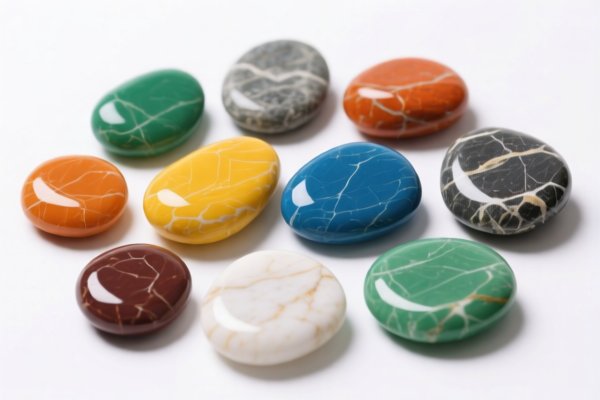
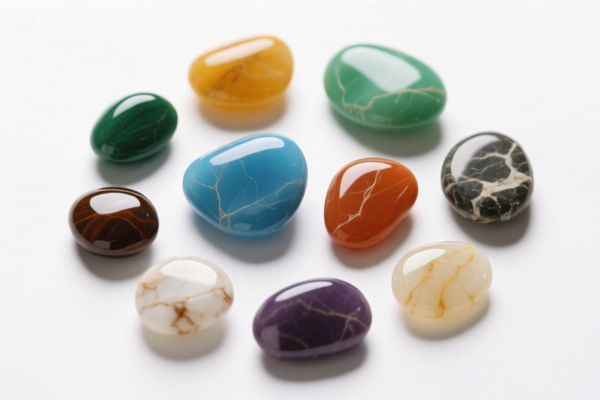
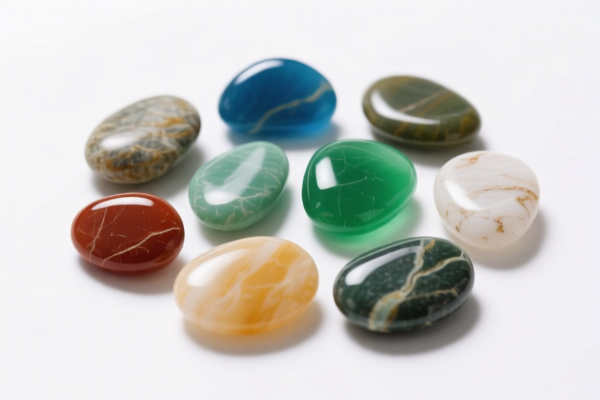
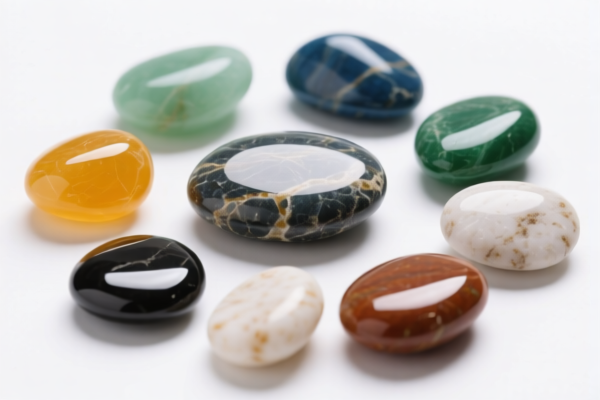
AI Analysis
💎 Colored Crystal Stone (水晶/半宝石)
🌐 HS Code Reference & Customs Clearance Guide | 2026 Latest Tariff Analysis | Professional Strategy
📌 I. Product Definition & Classification: What Exactly is "Colored Crystal Stone"?
"Colored Crystal Stone" is a broad term often used in jewelry, decoration, and raw material trading. In international trade customs classification, it primarily falls under Chapter 71 (Natural or Cultured Pearls, Precious or Semi-Precious Stones, Precious Metals, Jewellery...).
The specific HS Code depends heavily on the state of processing: * Raw/Unprocessed: Rough, uncut, or roughly shaped stones. * Semi-Processed: Cut but not yet set into jewelry (cabochons, faceted stones). * Finished (Unstrung): Ready for jewelry making but not yet strung or mounted.
⚠️ Key Distinction:
- If it is uncut/rough → It usually falls under 7103 (Uncut/Semi-worked Semi-precious Stones).
- If it is cut/polished but not strung/mounted → It usually falls under 7104 (Worked Pearls/Stone, Unstrung/Not Set).
- Crucial Note: Artificial crystals (glass) are classified differently (Chapter 70), but the provided data specifically addresses "Crystal" in the context of Gemstones/Semi-precious stones (HS 710x).
📦 II. HS Code Classification Details (Based on Provided Data)
| HS Code | Product Description | Application Scenario | Processing State |
|---|---|---|---|
7104.99.50.00 |
Worked Pearls/Stone, Unstrung/Not Set | Polished crystals, tumbled stones, or cut gems not yet mounted in jewelry. | ✅ Worked/Polished |
7104.99.10.00 |
Worked Pearls/Stone, Unstrung/Not Set | Crystals pending further cutting; semi-finished gem products. | ⚠️ Semi-finished |
7103.99.50.00 |
Semi-precious Stones, Uncut/Semi-worked | Raw colored crystals, rough shards, unpolished semi-precious materials. | ✅ Uncut/Rough |
7103.10.40.00 |
Semi-precious Stones, Uncut/Semi-worked | Roughly shaped or unprocessed semi-precious stones (e.g., raw quartz, raw amethyst). | ✅ Uncut/Rough |
🔍 Critical Reminder:
- 7104 codes are for stones that have been worked (cut, polished, shaped) but are NOT strung (necklaces) or set (rings/pendants).
- 7103 codes are for stones that are NOT worked or only roughly worked.
- Misclassification between "Raw" (7103) and "Worked" (7104) leads to significant tax differences.
💰 III. 2026 Latest Tariff Rate Details (Including Surcharges)
✅ Applicable Country: United States (US)
✅ Origin: China (CN)
✅ Note: Rates include Base Tariff + Section 301 (Additional) + Section 122 (Specific Surcharges as per data).
🎯 1. 7104.99.50.00 —— Worked, Unstrung, Not Set (Polished/Cut)
| Item | Detail |
|---|---|
| Base Tariff | 6.4% (ad valorem) |
| Section 301 Surcharge | +7.5% |
| Section 122 Surcharge | +10.0% |
| Total Tariff Rate | 23.9% |
| Tax Calculation | CIF Value × 23.9% |
| De Minimis Eligibility | ❌ Not Eligible (Generally, stones >$800 or specific exclusions apply; high tariff rates usually negate de minimis benefits for commercial shipments) |
| Legal Path | USITC:7104.99.50.00 → Section 301 → Section 122 |
📌 Explanation:
- This code applies to polished or cut crystals that are not yet set into jewelry.
- The total tax burden is 23.9%, driven by a moderate base rate and significant surcharges.
🎯 2. 7104.99.10.00 —— Worked, Unstrung, Not Set (Pending Cutting/Semi-Finished)
| Item | Detail |
|---|---|
| Base Tariff | 0.0% |
| Section 301 Surcharge | +7.5% |
| Section 122 Surcharge | +10.0% |
| Total Tariff Rate | 17.5% |
| Tax Calculation | CIF Value × 17.5% |
| De Minimis Eligibility | ❌ Not Eligible |
| Legal Path | USITC:7104.99.10.00 → Section 301 → Section 122 |
📌 Explanation:
- This code is for crystals that are in a semi-finished state (e.g., awaiting final cutting or polishing).
- Advantage: Lower base tariff (0%) results in a lower total rate of 17.5%, compared to the fully worked category.
🎯 3. 7103.99.50.00 —— Semi-Precious Stones, Uncut (Raw)
| Item | Detail |
|---|---|
| Base Tariff | 10.5% |
| Section 301 Surcharge | +7.5% |
| Section 122 Surcharge | +10.0% |
| Total Tariff Rate | 28.0% |
| Tax Calculation | CIF Value × 28.0% |
| De Minimis Eligibility | ❌ Not Eligible |
| Legal Path | USITC:7103.99.50.00 → Section 301 → Section 122 |
📌 Explanation:
- Applies to raw or roughly processed semi-precious stones.
- High Cost: Due to the higher base tariff (10.5%), the total tax is 28.0%, the highest among the listed options.
🎯 4. 7103.10.40.00 —— Semi-Precious Stones, Uncut/Rough
| Item | Detail |
|---|---|
| Base Tariff | 10.5% |
| Section 301 Surcharge | +7.5% |
| Section 122 Surcharge | +10.0% |
| Total Tariff Rate | 28.0% |
| Tax Calculation | CIF Value × 28.0% |
| De Minimis Eligibility | ❌ Not Eligible |
| Legal Path | USITC:7103.10.40.00 → Section 301 → Section 122 |
📌 Explanation:
- Similar to the above, this covers uncut or loosely shaped semi-precious stones.
- Same High Cost: Total tax is 28.0%. Importers should consider if slight processing can shift the classification to 7104 (if eligible) or optimize supply chain to absorb this cost.
🛠️ IV. Customs Clearance Practical Advice (Real-World Pitfall Guide)
✅ 1. Documentation Checklist (Essential)
| Document | Required | Purpose |
|---|---|---|
| ✅ Product Description | ✔️ | Must specify: "Colored Crystal Stone, [Material Name], [State: Rough/Polished/Cut], Unstrung/Not Set." |
| ✅ Photos | ✔️ | Clear images showing the state of processing (raw vs. polished). |
| ✅ Certificate of Origin | ✔️ | To verify Chinese origin for surcharge calculations. |
| ✅ Commercial Invoice | ✔️ | Must clearly state the HS Code and describe the item accurately. |
| ✅ Packing List | ✔️ | Weight and quantity details. |
| ✅ Processing Statement | ✔️ | (If claiming 7104) Confirm that stones are not set in jewelry. |
✅ 2. Classification Strategy (Key Mnemonics)
🔥 “Rough is 7103 (Expensive), Worked is 7104 (Cheaper Base), Don’t Set It or You’ll Pay More!”
| Scenario | Correct HS Code | Why? |
|---|---|---|
| Raw, unpolished rocks | 7103.99.50.00 or 7103.10.40.00 |
Uncut/semi-worked. Base tariff 10.5%. |
| Polished but not strung/mounted | 7104.99.50.00 |
Worked but not set. Base tariff 6.4%. |
| Pending further cutting | 7104.99.10.00 |
Semi-finished. Base tariff 0%. |
| Already in a ring/necklace | ❌ Not Listed Above | Would fall under Chapter 71.17 or 71.13, likely with different rules. |
⚠️ Warning:
- Do NOT classify finished jewelry as "Crystal Stones."
- Do NOT mislabel raw stones as "worked" to avoid base tariff if they are clearly rough; customs can inspect and penalize.
✅ 3. Special Handling Tips
| Situation | Recommendation |
|---|---|
| Artificial Crystals (Glass/Resin) | These are NOT covered in the provided data. They may fall under Chapter 70 (Glass) or 39 (Plastics) with different tariffs. Verify if your product is natural vs. synthetic. |
| Small Samples | While high tariffs exist, some small-value shipments might still be cleared via de minimis ($800) depending on current CBP enforcement, but 23.9%-28% taxes are significant. |
| Mixed Shipments | If shipping both raw and polished crystals, separate them in the invoice if possible to allow different HS codes. |
🌍 V. Global Market Comparison (2026 Outlook)
| Region | HS Code Focus | Estimated Tax (China Origin) | Notes |
|---|---|---|---|
| 🇺🇸 USA | 7103 / 7104 |
17.5% – 28.0% | High due to Section 301 + 122 surcharges. |
| 🇨🇳 China | 7103 / 7104 |
~2% – 10% | Lower base tariffs, no US-style surcharges. |
| 🇪🇺 EU | 7103 / 7104 |
~0% – 6% | Generally lower base tariffs for semi-precious stones. |
| 🇬🇧 UK | 7103 / 7104 |
~0% – 6% | Similar to EU post-Brexit tariff schedules. |
📌 Insight:
The USA has the highest effective tax burden for imported crystal stones from China due to the additive nature of Section 301 (7.5%) and Section 122 (10%) on top of base rates.
Consider sourcing from countries with FTA (Free Trade Agreement) benefits if possible, or re-evaluate if the product can be classified as "Worked" (7104) to save on the base rate.
📌 VI. Common Mistakes & Pitfalls
❌ Mistake 1: Classifying finished jewelry as "Crystal Stone"
👉 Result: Customs may reject the declaration or apply higher jewelry tariffs + penalties.
❌ Mistake 2: Claiming "Raw" when the stone is clearly Polished
👉 Result: Penalty for misdeclaration. Base tariff jumps from 6.4% to 10.5%.
❌ Mistake 3: Ignoring "Unstrung/Not Set" Condition
👉 Result: If strung (necklaces), it falls under a different HS Code (e.g., 7116), which may have different tax implications.
❌ Mistake 4: Confusing Natural vs. Synthetic
👉 Result: Synthetic crystals are not "Semi-Precious Stones" in the traditional sense. Misclassification can lead to seizure.
✅ Correct Approach:
"Polished Colored Crystal, Unstrung, Not Set for Jewelry Use. Material: Natural Quartz/Amethyst. Origin: China."
🎯 VII. Conclusion: Optimize Your Classification
🎯 Remember:
🔹 "Rough is 28%, Polished is 24%, Semi-Finished is 17.5%."
🔹 "Worked vs. Raw makes a 4.1% difference in total tax!"
🔹 "Always declare 'Unstrung/Not Set' if applicable to use Chapter 7104."
📌 Pro Tip:
If your crystals are artificial (glass), do NOT use the 710x codes above. Check Chapter 70.
If you are importing large quantities, consider applying for an Advance Ruling from CBP to confirm the exact HS Code and avoid post-entry audits.
📣 Immediate Action:
📞 Verify your product's processing state (Raw vs. Polished).
📄 Prepare accurate product descriptions.
🚀 Use the correct HS Code to minimize your 23.9%-28.0% tax burden!
✨ Professional Customs Clearance Starts with Accurate Classification!
💼 Every percentage point counts in your profit margin!
Customer Reviews
About HS Code Classification
The Harmonized System (HS) is an internationally standardized nomenclature developed by the World Customs Organization (WCO) to classify traded products. Over 200 countries use the HS system as the basis for customs tariffs, trade statistics, and import/export regulations.
Each HS code follows a hierarchical structure:
- Chapter (2 digits) — Broad category of goods (e.g., Chapter 84: Machinery and Mechanical Appliances)
- Heading (4 digits) — More specific grouping within the chapter
- Subheading (6 digits) — Internationally standardized breakdown, used by all WCO member countries
- National subdivisions (8-10 digits) — Country-specific extensions for further classification, such as US HTSUS 10-digit codes
Correct HS code classification is essential for smooth customs clearance, accurate duty payment, and compliance with trade regulations. Misclassification can lead to customs delays, overpayment of duties, or penalties.
When importing from CN to US, the applicable tariff rates may include:
- Most-Favored-Nation (MFN) rate — The standard duty rate applied to WTO members
- General rate — Applied to countries without trade agreements
- Trade remedy duties — Additional tariffs such as Section 301 (anti-dumping), Section 232 (national security), or countervailing duties
The information provided on this page is for reference purposes only. For official classification, please consult with your local customs authority or a licensed customs broker.