Colored Cup
CN → US| HS Code | Tariff Rate | Origin | Destination | Doc |
|---|---|---|---|---|
| 3924102000 | 24.0% | CN | US | Official Doc |
| 3924104000 | 13.4% | CN | US | Official Doc |
| 6912003510 | 19.8% | CN | US | Official Doc |
| 6912004400 | 20.0% | CN | US | Official Doc |
| 7013372090 | 40.0% | CN | US | Official Doc |
| 7323999030 | 88.4% | CN | US | Official Doc |
Product Images
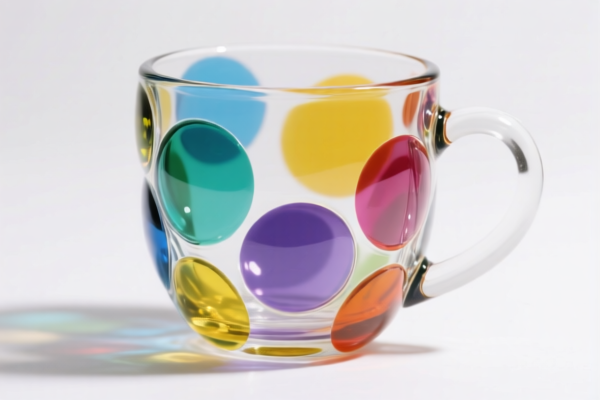
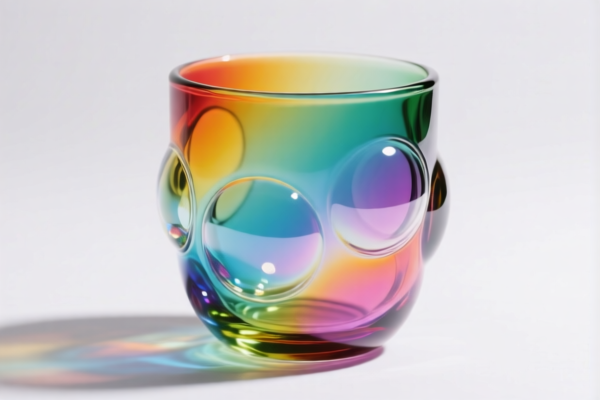
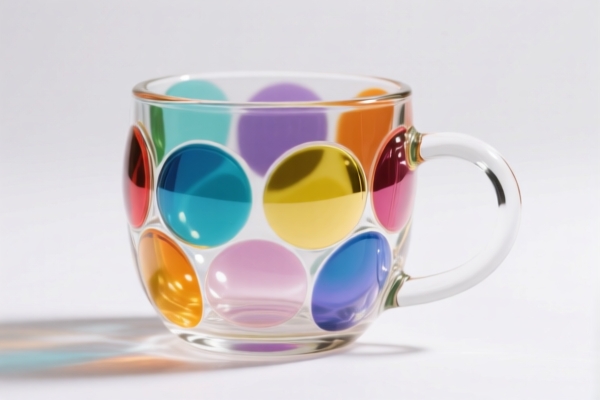
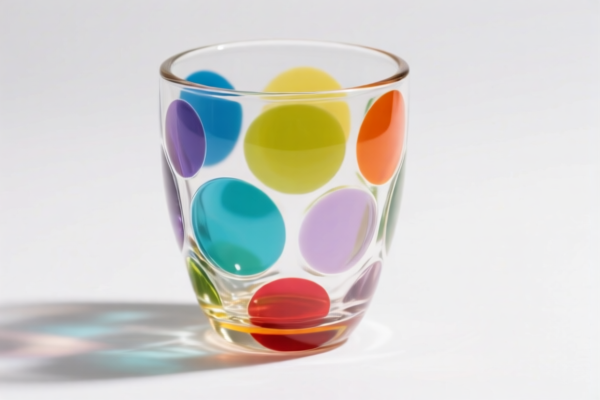
AI Analysis
🥤 Colored Cup: The Ultimate Import Classification & Clearance Guide
🌐 HS Code Reference & Customs Clearance Strategy | 2026 Latest Tariff Analysis | Professional Compliance Guide
📌 I. Product Definition & Classification: Is it Just a "Cup"?
A "Colored Cup" is a generic term that covers a wide range of drinking vessels. In international trade, color is irrelevant for classification. What matters are Material, Form, and Intended Use.
Misclassification is the #1 cause of customs delays, duties, and penalties. Below is the definitive breakdown based on 6 possible HS Codes derived from material inference (Ceramic, Glass, Metal, Plastic).
⚠️ Key Distinction Rule:
- Ceramic/Tableware →6912.xx
- Glass/Tableware →7013.xx
- Metal/Tableware →7323.xx
- Plastic/Tableware →3924.xx
📦 II. HS Code Classification Matrix (2026 Authority Reference)
| HS Code | Material Inference | Product Description | Tax Rate (Total) |
|---|---|---|---|
6912.00.35.10 |
Ceramic / Non-Porcelain | Cups/Tableware; matched by form (cup) and use (tableware). Material inferred as ceramic or non-porcelain. | 19.8% |
6912.00.44.00 |
Porcelain / Bone China | Mugs & Wine Glasses; matched by form. Material inferred as non-porcelain or bone china ceramics. | 20.0% |
7013.37.20.90 |
Glass (Non-Crystal) | Drinking vessels; matched by use (drinking) and form. Inferred as non-crystal glass. | 40.0% |
7323.99.90.30 |
Iron / Steel / Metal | Tableware/Household items; matched by use. Material inferred as iron, steel, or other metals. | 88.4% |
7013.99.50.10 |
Glass (Other) | General glassware for table/daily use; fallback category for other glass products. | 40.0% |
3924.10.20.00 |
Plastic | Cups/Tableware; matched by form (cup) and use. Material inferred as plastic. | 24.0% |
🔍 Critical Insight:
- Ceramic & Glass are the most common materials for "colored cups."
- Metal (Steel/Iron) incurs the highest tariff (88.4%) due to steel/aluminum surcharges.
- Plastic offers a moderate rate (24.0%) but faces strict environmental regulations.
💰 III. 2026 Tariff Rate Breakdown (USA Origin: China CN)
✅ Applicable Country: United States (US)
✅ Country of Origin: China (CN)
✅ Effective Date: Includes subsequent imports under Section 301 & IEEPA rules
🎯 1. 6912.00.35.10 & 6912.00.44.00 — Ceramic & Porcelain Cups
Most common for colored mugs, coffee cups, and tableware.
| Component | Rate | Legal Basis / Description |
|---|---|---|
| Base Duty | 9.8% – 10.0% | Standard MFN rate for ceramic/pottery tableware. |
| Section 301 Duty | 0.0% | Note: Some ceramic items may be exempt or lower, but based on data, 0% applied here. |
| Section 122 Duty | 10.0% | Additional surcharge under Section 122 of the Trade Act. |
| TOTAL RATE | 19.8% – 20.0% | High, but predictable. |
📌 Explanation:
- Ceramic cups are taxed at ~20%.
- Section 122 (10%) is an additional levy on certain imports from China.
- Section 301 (25%) is NOT listed in the data for these codes, implying they may be exempt or lower than metal products.
🎯 2. 7013.37.20.90 & 7013.99.50.10 — Glass Cups
Common for colored drinking glasses, tumblers, and wine glasses.
| Component | Rate | Legal Basis / Description |
|---|---|---|
| Base Duty | 22.5% – 30.0% | Standard rate for glass tableware. |
| Section 301 Duty | 7.5% – 0.0% | Section 301 surcharge applies partially. |
| Section 122 Duty | 10.0% | Additional surcharge under Section 122. |
| TOTAL RATE | 40.0% | Very High. |
📌 Explanation:
- Glass cups face a 40% total tariff.
- The high base duty (up to 30%) plus Section 122 (10%) and Section 301 (7.5%) makes this costly.
- Avoid misclassification: Do not label glass cups as "plastic" to save tax—it will fail inspection.
🎯 3. 7323.99.90.30 — Metal Cups (Steel/Aluminum)
Common for stainless steel tumblers, travel mugs, and outdoor gear.
| Component | Rate | Legal Basis / Description |
|---|---|---|
| Base Duty | 3.4% | Low base rate for metal tableware. |
| Section 301 Duty | 25.0% | Standard Section 301 surcharge for steel/aluminum. |
| Steel/Aluminum Surcharge | 50.0% | Additional 50% levy on steel/aluminum products. |
| Section 122 Duty | 10.0% | Additional surcharge under Section 122. |
| TOTAL RATE | 88.4% | EXTREMELY HIGH. |
📌 Explanation:
- This is the most expensive category.
- The 50% steel/aluminum surcharge is the key driver.
- Warning: If your "colored cup" is stainless steel (e.g., Yeti-style tumblers), you will pay 88.4%. Consider sourcing from non-China origins if possible.
🎯 4. 3924.10.20.00 — Plastic Cups
Common for disposable or reusable plastic party cups, kids' cups.
| Component | Rate | Legal Basis / Description |
|---|---|---|
| Base Duty | 6.5% | Standard rate for plastic tableware. |
| Section 301 Duty | 7.5% | Section 301 surcharge. |
| Section 122 Duty | 10.0% | Additional surcharge under Section 122. |
| TOTAL RATE | 24.0% | Moderate. |
📌 Explanation:
- Plastic cups have a 24% total tariff.
- Lower than glass and metal, but face strict FDA/USDA food safety and environmental compliance requirements.
🛠️ IV. Customs Clearance Practical Advice (Avoiding Pitfalls)
✅ 1. Mandatory Documentation Checklist
| Document | Required? | Purpose |
|---|---|---|
| Product Specification Sheet | ✅ | Must specify Material (Ceramic, Glass, Steel, Plastic). This is the #1 factor for HS code. |
| Material Composition Declaration | ✅ | Confirm no mixed materials (e.g., ceramic cup with metal lid) that could trigger complex classification. |
| Commercial Invoice | ✅ | Clearly state "Colored Cup" + Material. Do not use vague terms like "Kitchenware." |
| Packing List | ✅ | Show unit weight and dimensions for duty calculation. |
| FDA/USDA Compliance Certificate | ✅ | Required for all food-contact items, especially plastic and ceramic. |
| Country of Origin Certificate | ✅ | To verify China origin and apply correct Section 301/122 rates. |
✅ 2. Classification Strategy (Key Mantras)
🔥 “Material is King, Color is King, Use is Queen!”
| Scenario | Correct HS Code | Wrong Code | Consequence |
|---|---|---|---|
| Ceramic/Mug | 6912.00.35.10 |
7013 (Glass) |
Overpayment of 20%+ in duties. |
| Stainless Steel Tumbler | 7323.99.90.30 |
3924 (Plastic) |
Underpayment! Leads to audits, fines, and seizure. |
| Plastic Party Cup | 3924.10.20.00 |
6912 (Ceramic) |
Delay for inspection, potential reclassification. |
| Glass Tumbler | 7013.37.20.90 |
7323 (Metal) |
Misclassification risk, duty discrepancy. |
✅ 3. Special Handling Tips
| Situation | Advice |
|---|---|
| Mixed Materials (e.g., Ceramic Cup + Plastic Lid) | Classify by essential character (usually the ceramic body). Declare all components. |
| Color Coating on Metal Cups | Still classified as 7323.xx if the base is metal. Color does not change material classification. |
| Disposable vs. Reusable Plastic | Both fall under 3924, but ensure FDA compliance for food contact. |
| Gift Sets (Cup + Saucer) | Declare as a single unit if packed together. The HS code for the primary item applies. |
🌍 V. Global Market Comparison (2026)
| Market | Recommended HS Code (Example) | Duty Rate | Key Compliance |
|---|---|---|---|
| 🇺🇸 USA | 6912.00.35.10 (Ceramic) |
19.8% | FDA, Section 301, Section 122 |
| 🇺🇸 USA | 7323.99.90.30 (Metal) |
88.4% | FDA, Steel Surcharge |
| 🇪🇺 EU | 6912.00.35 (Ceramic) |
4.0% | REACH, LFGB (Food Safety) |
| 🇨🇳 China | 6912.00.35 (Ceramic) |
0% | CCC (if applicable), GB Standards |
| 🇯🇵 Japan | 6912.00.35 (Ceramic) |
0% | JIS Standards, Food Sanitation Law |
📌 Conclusion:
- The USA imposes the highest duties on imported cups due to Section 301 and 122.
- Metal cups (88.4%) are the most expensive to import into the US.
- Ceramic (19.8%) and Plastic (24.0%) are more cost-effective but require strict food safety documentation.
📌 VI. Common Errors & Blood-Curdling Lessons
❌ Error 1: Labeling a Stainless Steel Tumbler as a "Plastic Cup" to avoid the 50% steel surcharge.
👉 Consequence: Customs seizes the shipment, imposes penalties up to 3x the value, and places the importer on a blacklist.
❌ Error 2: Using generic terms like "Kitchenware" or "Drinkware" on the invoice.
👉 Consequence: Customs officer assigns a default HS code (often higher) or demands a manual inspection, causing 30+ day delays.
❌ Error 3: Ignoring FDA compliance for ceramic and plastic cups.
👉 Consequence: The product is refused entry if lead/cadmium leaching tests fail.
✅ Correct Approach:
"Ceramic Colored Mug, 12oz, Food-Safe Glaze, Lead-Free, Made in China, FDA Compliant"
🎯 VII. Final Recommendations: Save Money, Clear Customs Faster
🎯 Remember the Mantra:
🔹 "Material Dictates Duty, Color is Decor, Use is Utility."
🔹 "Metal is 88.4%, Glass is 40%, Ceramic is 20%, Plastic is 24%."
🔹 "Declare Truthfully, Avoid Audits, Keep Your Margin."
📌 Pro Tip:
If you are importing large volumes of ceramic or plastic cups, consider:
1. Pre-Ruling: Apply for an Advance Ruling from US Customs (CBP) to lock in the HS code and duty rate.
2. Supply Chain Diversification: For metal cups, consider sourcing from Vietnam or Mexico to avoid the 50% steel surcharge and Section 301 duties (if rules of origin are met).
📣 Immediate Action:
📞 Contact a Licensed Customs Broker
📄 Provide Material Specs & Photos
✅ Verify FDA Compliance Before Shipping
🚀 Clear Your Colored Cups Smoothly, Maximize Profit, and Stay Compliant!
✨ Precision Classification Starts Here!
💼 Every Duty Dollar Counts—Don’t Guess, Know!
Customer Reviews
About HS Code Classification
The Harmonized System (HS) is an internationally standardized nomenclature developed by the World Customs Organization (WCO) to classify traded products. Over 200 countries use the HS system as the basis for customs tariffs, trade statistics, and import/export regulations.
Each HS code follows a hierarchical structure:
- Chapter (2 digits) — Broad category of goods (e.g., Chapter 84: Machinery and Mechanical Appliances)
- Heading (4 digits) — More specific grouping within the chapter
- Subheading (6 digits) — Internationally standardized breakdown, used by all WCO member countries
- National subdivisions (8-10 digits) — Country-specific extensions for further classification, such as US HTSUS 10-digit codes
Correct HS code classification is essential for smooth customs clearance, accurate duty payment, and compliance with trade regulations. Misclassification can lead to customs delays, overpayment of duties, or penalties.
When importing from CN to US, the applicable tariff rates may include:
- Most-Favored-Nation (MFN) rate — The standard duty rate applied to WTO members
- General rate — Applied to countries without trade agreements
- Trade remedy duties — Additional tariffs such as Section 301 (anti-dumping), Section 232 (national security), or countervailing duties
The information provided on this page is for reference purposes only. For official classification, please consult with your local customs authority or a licensed customs broker.