Colored Dye Film Anti UV
CN → US| HS Code | Tariff Rate | Origin | Destination | Doc |
|---|---|---|---|---|
| 3921905050 | 39.8% | CN | US | Official Doc |
| 3921904090 | 39.2% | CN | US | Official Doc |
| 3919905040 | 40.8% | CN | US | Official Doc |
| 3919905060 | 40.8% | CN | US | Official Doc |
Product Images
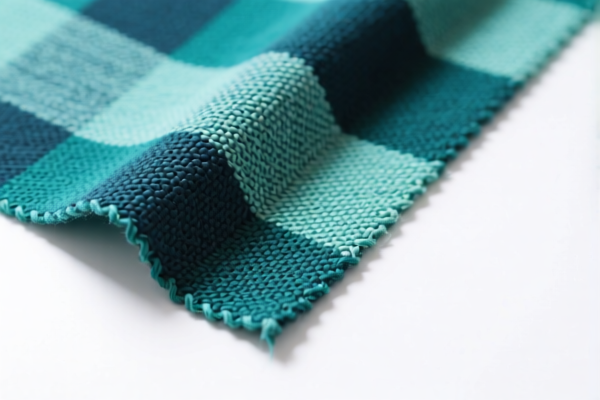
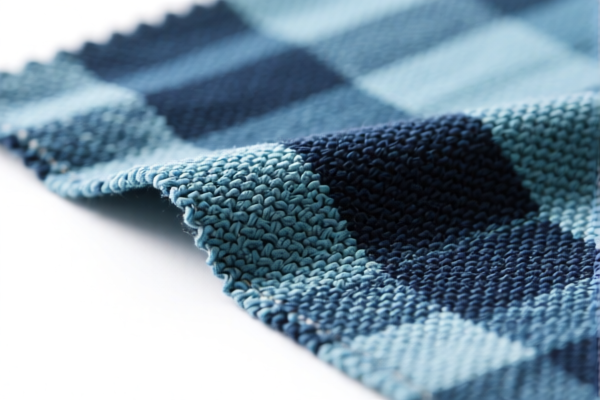
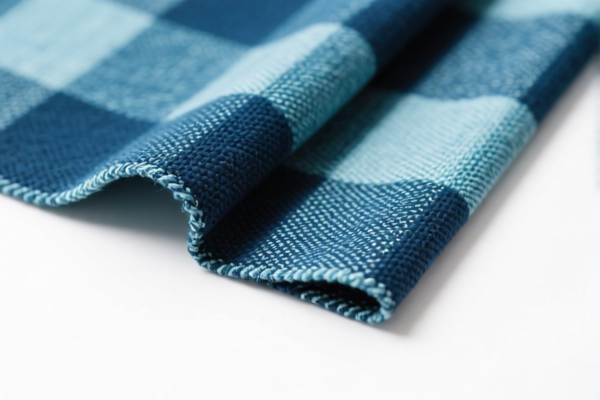
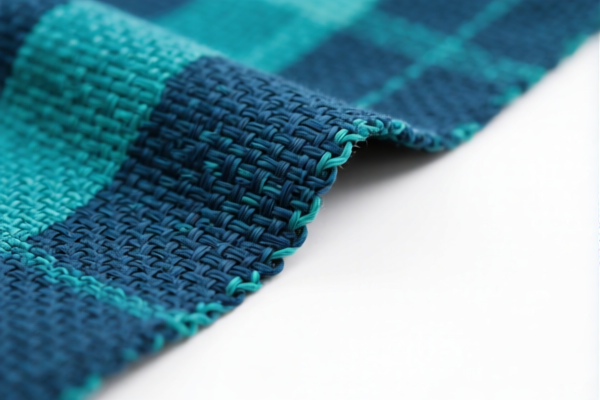
AI Analysis
🎨 Colored Dye Film Anti UV (彩色染料膜抗紫外线)
🌐 HS Code Reference & Customs Clearance Guide | 2026 Latest Tariff Analysis | Professional Entry Strategy
📌 I. Product Definition & Classification: Understanding "Colored Dye Film Anti UV"
Colored Dye Film with Anti-UV properties is a specialized plastic film material, typically used for architectural glazing, automotive windows, display protection, or industrial shielding. Its core characteristics are: 1. Form: Film (not rigid board or strip). 2. Material: Plastic/Polymer base. 3. Features: Colored (for tinting/aesthetics) and Anti-UV (functional coating or inherent property). 4. Key Distinction: Is it self-adhesive (sticky back)? Is it a rigid board or a flexible film?
⚠️ Critical Distinction Point:
- If it is a rigid plate/panel →归类 to 3921 (Plastic Plates/Sheets).
- If it is a flexible film/foil without adhesive →归类 to 3921 (Other Plastic Films).
- If it is self-adhesive (has a glue layer) →归类 to 3919 (Self-adhesive Plastic Plates/Sheets/Films).
📦 II. HS Code Classification Details (2026 Latest Tariff Authority Comparison)
| HS Code | Product Description | Application Scenario | Adhesive Property? | Material/Form |
|---|---|---|---|---|
3921.90.50.50 |
Other plastic plates, sheets, film, foil, and strips (Colored, Anti-UV, Rigid/Plate form) | Architectural tinting sheets, rigid protective panels | ❌ No Adhesive | Rigid Plate/Sheet |
3921.90.40.90 |
Other plastic films, foils, and strips (Colored, Anti-UV) | Non-adhesive decorative films, industrial shielding films | ❌ No Adhesive | Flexible Film |
3919.90.50.40 |
Self-adhesive plastic plates, sheets, and films (Colored, Anti-UV) | Window tinting films with adhesive backing, self-adhesive protective overlays | ✅ Yes | Self-Adhesive |
3919.90.50.60 |
Other self-adhesive plastic films (Colored, Anti-UV) | Standard self-adhesive colored films, anti-UV stickers/films | ✅ Yes | Self-Adhesive Film |
🔍 Key Reminder:
- "Colored Dye Film" vs. "Adhesive Film": The presence of an adhesive layer is the primary classifier. If it has a sticky side, it must go to 3919. If it is just a plain film, it goes to 3921. - "Plate/Sheet" vs. "Film": If the material is thick and rigid (like a window pane), use 3921.90.50.50. If it is thin and flexible, use 3921.90.40.90 (non-adhesive) or 3919 (adhesive).
💰 III. 2026 Latest Tariff Rate Details (Including Surtaxes & Policy Add-ons)
✅ Applicable Country: United States (US)
✅ Origin: China (CN)
✅ Effective Date: From November 10, 2025 (for subsequent imports)
🎯 1. 3921.90.50.50 —— Plastic Plates, Sheets, Film, Foil, and Strips (Rigid, Non-Adhesive)
| Item | Content |
|---|---|
| Base Tariff Rate | 4.8% (ad valorem) |
| Section 301 Surtax | +25.0% (From USITC Footnote 9903.88.01) |
| Section 122 Tariff | +10.0% (Targeting China/Products from China) |
| Total Tariff Rate | 39.8% |
| Tax Calculation | CIF Value × 39.8% |
| De Minimis Exemption | ❌ Not Applicable (deny_de_minimis) |
| Legal Basis Path | IEEPA:9903.01.25 → IEEPA:9903.01.24 → USITC:3921.90.50.50 → FOOTNOTE:9903.88.01 |
📌 Explanation:
- "Base Tariff 4.8%": Standard MFN rate for other plastic articles.
- "Section 301 Surtax 25%": Added due to trade tensions; applies to most plastic imports from China.
- "Section 122 Tariff 10%": A specific additional duty for certain Chinese products.
- Total 39.8%: A very high combined rate. Cost planning must account for this.
🎯 2. 3921.90.40.90 —— Other Plastic Films, Foils, and Strips (Non-Adhesive, Colored/Anti-UV)
| Item | Content |
|---|---|
| Base Tariff Rate | 4.2% (ad valorem) |
| Section 301 Surtax | +25.0% |
| Section 122 Tariff | +10.0% |
| Total Tariff Rate | 39.2% |
| Tax Calculation | CIF Value × 39.2% |
| De Minimis Exemption | ❌ Not Applicable |
| Legal Basis Path | IEEPA:9903.01.25 → IEEPA:9903.01.24 → USITC:3921.90.40.90 → FOOTNOTE:9903.88.01 |
📌 Note:
- Slightly lower than3921.90.50.50due to a 0.6% difference in base tariff.
- Applies to flexible films that are NOT self-adhesive.
🎯 3. 3919.90.50.40 —— Self-Adhesive Plastic Plates, Sheets, and Films (Colored, Anti-UV)
| Item | Content |
|---|---|
| Base Tariff Rate | 5.8% (ad valorem) |
| Section 301 Surtax | +25.0% |
| Section 122 Tariff | +10.0% |
| Total Tariff Rate | 40.8% |
| Tax Calculation | CIF Value × 40.8% |
| De Minimis Exemption | ❌ Not Applicable |
| Legal Basis Path | IEEPA:9903.01.25 → IEEPA:9903.01.24 → USITC:3919.90.50.40 → FOOTNOTE:9903.88.01 |
📌 Important:
- This is the highest rate (40.8%) among the options.
- Applies only if the product has an adhesive backing (e.g., window tint with glue).
🎯 4. 3919.90.50.60 —— Other Self-Adhesive Plastic Films (Colored, Anti-UV)
| Item | Content |
|---|---|
| Base Tariff Rate | 5.8% (ad valorem) |
| Section 301 Surtax | +25.0% |
| Section 122 Tariff | +10.0% |
| Total Tariff Rate | 40.8% |
| Tax Calculation | CIF Value × 40.8% |
| De Minimis Exemption | ❌ Not Applicable |
| Legal Basis Path | IEEPA:9903.01.25 → IEEPA:9903.01.24 → USITC:3919.90.50.60 → FOOTNOTE:9903.88.01 |
📌 Note:
- Same rate as3919.90.50.40.
- Applies to other self-adhesive films not covered by50.40.
🛠️ IV. Customs Clearance Practical Advice (Real-World Pitfall Guide)
✅ 1. Required Documentation Checklist (Mandatory)
| Document | Mandatory? | Description |
|---|---|---|
| ✅ Product Specification Sheet | ✔️ | Must detail: Material (Plastic/Polymer), Color, UV Blockage % (e.g., 99% UV rejection), Thickness, Width/Length. |
| ✅ Material Composition Report | ✔️ | To prove it is "Plastic" and not glass or metal. |
| ✅ Product Photos | ✔️ | Clear images showing color, UV test certificate (if available), and whether it has an adhesive layer. |
| ✅ Commercial Invoice | ✔️ | Must clearly state "Colored Dye Film Anti UV" and describe form (Film/Sheet/Adhesive). |
| ✅ Packing List | ✔️ | Details roll dimensions, weight, and quantity. |
| ✅ UV Test Certificate | ✔️ | Optional but recommended to prove "Anti-UV" claim. |
✅ 2. Declaration Tips (Key Mantra)
🔥 "Adhesive Determines Class, Form Determines Sub-Code, Name Must Be Precise!"
| Situation | Correct Declaration Method | Common Mistake |
|---|---|---|
| Non-adhesive, Flexible Film | 3921.90.40.90 |
Misdeclaring as "Adhesive" → 40.8% instead of 39.2% |
| Non-adhesive, Rigid Plate | 3921.90.50.50 |
Misdeclaring as "Film" → May trigger scrutiny |
| Self-Adhesive Film (e.g., Window Tint) | 3919.90.50.40 or 3919.90.50.60 |
Forgetting to declare adhesive → Underpayment penalty |
| Mixed Packaging (Adhesive + Non-Adhesive) | Split Declaration | Combining into one line item → Customs rejection |
✅ 3. Special Cases Handling
| Situation | Handling Advice |
|---|---|
| OEM Custom Colors | Provide color samples and Pantone codes in the specification sheet. |
| Anti-UV Claim | If no lab test, declare as "Colored Plastic Film" only, to avoid false advertising penalties. |
| Roll vs. Sheet | Specify if it comes in rolls (film) or cut sheets. |
| Multilayer Structure | If it has multiple layers (e.g., PET + Adhesive + Protective Film), declare the primary function (Adhesive Film). |
🌍 V. Global Market Clearance Comparison (2026 Latest)
| Country/Region | Recommended HS Code | Tariff (China Origin) | Certification Requirement | Remarks |
|---|---|---|---|---|
| 🇺🇸 USA | 3921.90.40.90 / 3919.90.50.xx |
39.2% - 40.8% | No specific tech cert, but accurate classification critical | High tariffs due to Sec 301 & 122 |
| 🇨🇳 China | 3921.90.40.90 / 3919.90.50.xx |
5% - 6% | RoHS (if applicable) | Lower base tariffs |
| 🇪🇺 EU | 3920.99.90 / 3919.90.90 |
6.5% | CE (if electronic related), REACH | No Section 301/122 equivalents |
| 🇬🇧 UK | 3920.99.90 / 3919.90.90 |
6.5% | UKCA (if applicable) | Post-Brexit rules apply |
| 🇦🇺 Australia | 3921.90.90 / 3919.90.90 |
5% | GEMS (if applicable) | No additional surtaxes |
📌 Conclusion:
- The USA imposes the highest effective tariff (up to 40.8%) on these products from China.
- Cost Optimization: If possible, consider non-adhesive variants (3921.90.40.90) to save 0.6%.
- Documentation is Key: Misdeclaring adhesive films as non-adhesive can lead to severe penalties.
📌 VI. Common Errors & Pitfall Guide (Blood-Teaching Lessons)
❌ Error 1: Declaring "Adhesive Film" as "Plastic Sheet" (3921)
👉 Consequence: Underpayment of tariff (40.8% vs 39.2% or 4.8%+25%+10%). Back taxes + fines!
❌ Error 2: Ignoring the "Anti-UV" claim in documentation
👉 Consequence: Customs may classify it as generic plastic film, leading to delays for additional proof.
❌ Error 3: Using vague terms like "Film" without specifying Adhesive vs. Non-Adhesive
👉 Consequence: Customs officer will choose the worst-case scenario for risk assessment. Delays & Inspection!
❌ Error 4: Not separating Mixed Shipments
👉 Consequence: If one box has adhesive and another doesn't, they must be declared separately. Combined declaration = Rejection.
✅ Correct Practice:
"Colored PET Plastic Film, Anti-UV, 50% Light Transmission, Non-Adhesive, Roll Form, Model XYZ"
OR
"Self-Adhesive Colored Window Tint Film, Anti-UV 99%, PET Base, Roll Form, Model ABC"
🎯 VII. Conclusion: Precision in Classification, Profit in Clearance!
🎯 Remember the Mantra:
🔹 "Adhesive = 3919 (40.8%), Non-Adhesive Film = 3921.40 (39.2%), Rigid Plate = 3921.50 (39.8%)."
🔹 "HS Code decides your cost, 0.6% difference is real money, wrong declaration brings trouble!"
📌 Pro Tip:
- If your product is not from China (e.g., made in Vietnam or Thailand), the Section 301 and 122 surtaxes may not apply, significantly lowering the tariff.
- Apply for a Pre-Ruling (Advance Ruling) from CBP if you are unsure about the adhesive property or form. This provides legal certainty.
📣 Immediate Action:
📞 Contact a professional customs broker + Provide product photos/specs + Request HS Code Pre-Ruling
🚀 Ensure your Colored Dye Film clears customs smoothly, minimizes costs, and maximizes profit!
✨ Professional Clearance Starts with Accurate Classification!
💼 Every cent of your cost is worth precise calculation!
Customer Reviews
About HS Code Classification
The Harmonized System (HS) is an internationally standardized nomenclature developed by the World Customs Organization (WCO) to classify traded products. Over 200 countries use the HS system as the basis for customs tariffs, trade statistics, and import/export regulations.
Each HS code follows a hierarchical structure:
- Chapter (2 digits) — Broad category of goods (e.g., Chapter 84: Machinery and Mechanical Appliances)
- Heading (4 digits) — More specific grouping within the chapter
- Subheading (6 digits) — Internationally standardized breakdown, used by all WCO member countries
- National subdivisions (8-10 digits) — Country-specific extensions for further classification, such as US HTSUS 10-digit codes
Correct HS code classification is essential for smooth customs clearance, accurate duty payment, and compliance with trade regulations. Misclassification can lead to customs delays, overpayment of duties, or penalties.
When importing from CN to US, the applicable tariff rates may include:
- Most-Favored-Nation (MFN) rate — The standard duty rate applied to WTO members
- General rate — Applied to countries without trade agreements
- Trade remedy duties — Additional tariffs such as Section 301 (anti-dumping), Section 232 (national security), or countervailing duties
The information provided on this page is for reference purposes only. For official classification, please consult with your local customs authority or a licensed customs broker.