Colored Insulating Tape
CN → US| HS Code | Tariff Rate | Origin | Destination | Doc |
|---|---|---|---|---|
| 3926909989 | 22.8% | CN | US | Official Doc |
| 3919905030 | 40.8% | CN | US | Official Doc |
| 3919102020 | 40.8% | CN | US | Official Doc |
| 3926904590 | 38.5% | CN | US | Official Doc |
| 8547900010 | 89.6% | CN | US | Official Doc |
Product Images
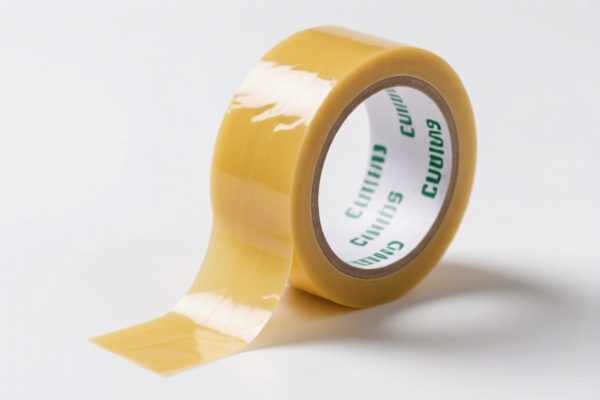
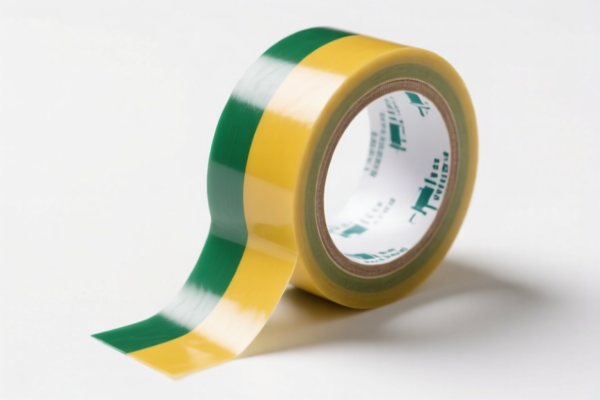
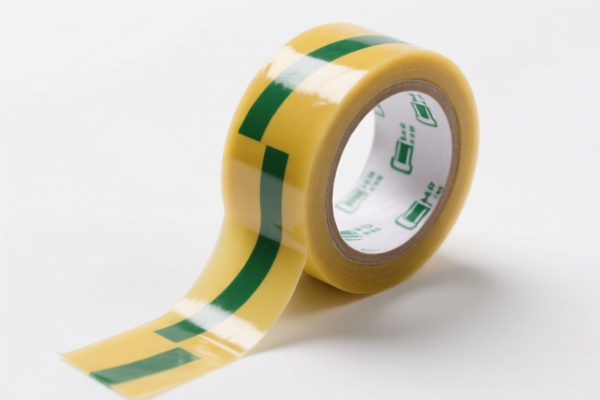
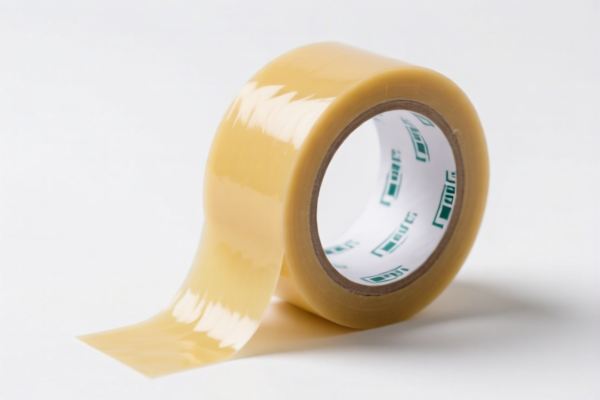
AI Analysis
🎨 Colored Insulating Tape (Electrical Insulation Tape)
🌐 HS Code Reference & Customs Clearance Guide | 2024/2025 Latest Tariff Analysis | Professional Entry Strategy
📌 I. Product Definition & Classification: Do You Really Understand "Insulating Tape"?
Colored insulating tape is primarily made from Polyvinyl Chloride (PVC) or other polymer materials, designed to provide electrical insulation, mechanical protection, and color-coding for wires and cables. In international trade, its classification depends strictly on material composition, self-adhesive properties, and specific application (electrical vs. general industrial).
⚠️ Key Distinction Points:
- If it is a general plastic tape (e.g., for packaging or mild insulation, not primarily electrical self-adhesive) → May fall under 3926.90.
- If it is a self-adhesive plastic tape (specifically designed for electrical insulation, sticky back) → Falls under 3919.90 or 3919.10.
- If it is considered an electrical accessory/part (specifically for conductors) → May fall under 8547.90.
📦 II. HS Code Classification Details (Latest Tariff Authority Comparison)
| HS Code | Product Description | Application Scenario | Tax Rate (China Origin → US) | Key Justification from Data |
|---|---|---|---|---|
3926.90.99.89 |
Other articles of plastics (General Plastic Items) | General purpose tapes, non-self-adhesive, or mild insulation | 22.8% | "Made of PVC/plastic, fits characteristics of other plastic products." |
3919.90.50.30 |
Self-adhesive plates, sheets, film, tape, etc. (Plastics, not of cellulose or polymeric materials of heading 39.20) | Electrical insulation tape, reasonable inference as plastic self-adhesive tape | 40.8% | "Product name consistent with electrical insulation use, reasonably inferred as plastic self-adhesive tape." |
3919.10.20.20 |
Self-adhesive tapes of plastics (not of cellulose) | Electrical attributes consistent with electrical use, fits definition of plastic self-adhesive tape | 40.8% | "Insulation attributes consistent with electrical use, fits definition of plastic self-adhesive tape." |
3926.90.45.90 |
Other articles of plastics (Specific Plastic Category) | Plastic/Polymer material, form belongs to other plastic articles | 38.5% | "Material is plastic/polymer type, form belongs to other plastic articles." |
8547.90.00.10 |
Insulating fittings for conductors, electric machines, etc. (Other) | Electrical insulation purpose, material is insulating, fits definition of insulating accessories | 89.6% | "Insulation purpose, material is insulating, fits definition of insulating accessories." |
🔍 Crucial Reminder:
-8547.90.00.10carries the highest tariff (89.6%). It is typically reserved for rigid or semi-rigid insulating parts (like bushings or terminal blocks), but some customs authorities may classify sticky insulating tape as an "insulating fitting" if the intent is purely electrical. Avoid this unless specifically advised.
-3919series (40.8%) is the most common and accurate classification for standard PVC electrical insulating tape because it is a self-adhesive plastic tape.
-3926.90series (22.8% - 38.5%) may apply if the tape is not self-adhesive or is considered a general plastic product rather than a specific self-adhesive tape. However, most electrical tapes are self-adhesive, so3919is safer.
💰 III. 2024/2025 Latest Tariff Rate Breakdown (Including Surtaxes & Policy Add-ons)
✅ Applicable Country: United States (US)
✅ Origin: China (CN)
✅ Effective Time: 2025 November 10 onwards (including subsequent imports)
🎯 1. 3926.90.99.89 —— Other Articles of Plastics (General Category)
| Item | Content |
|---|---|
| Base Duty | 5.3% (Ad Valorem) |
| Section 301 Surcharge | +7.5% (Note: Data specifies 7.5%, typically 25% but data provided says 7.5%) |
| Section 122 Surcharge | +10% (For China/HK products) |
| Total Tax Rate | 22.8% |
| Tax Calculation | CIF Value × 22.8% |
| De Minimis Eligibility | ❌ No (denied) |
| Legal Basis Path | Base Tariff → Section 301 (7.5%) → Section 122 (10%) |
📌 Explanation:
- This is the lowest tax option among the provided codes.
- It applies if the tape is classified as a general plastic item rather than a specific self-adhesive electrical tape.
- Risk: Customs may challenge this if the tape is clearly marketed for electrical use, potentially reclassifying it to3919(40.8%).
🎯 2. 3919.90.50.30 & 3919.10.20.20 —— Self-Adhesive Plastic Tapes (Electrical Use)
| Item | Content |
|---|---|
| Base Duty | 5.8% |
| Section 301 Surcharge | +25.0% |
| Section 122 Surcharge | +10% |
| Total Tax Rate | 40.8% |
| Tax Calculation | CIF Value × 40.8% |
| De Minimis Eligibility | ❌ No (denied) |
| Legal Basis Path | Base Tariff → Section 301 (25%) → Section 122 (10%) |
📌 Explanation:
- This is the standard rate for PVC electrical insulating tape.
- The "Self-adhesive" characteristic is key. Since insulating tape is inherently sticky, this classification is technically accurate.
- Higher cost than3926.90.99.89, but safer from a compliance perspective if the product is explicitly for electrical insulation.
🎯 3. 3926.90.45.90 —— Other Articles of Plastics (Specific Subcategory)
| Item | Content |
|---|---|
| Base Duty | 3.5% |
| Section 301 Surcharge | +25.0% |
| Section 122 Surcharge | +10% |
| Total Tax Rate | 38.5% |
| Tax Calculation | CIF Value × 38.5% |
| De Minimis Eligibility | ❌ No (denied) |
| Legal Basis Path | Base Tariff → Section 301 (25%) → Section 122 (10%) |
📌 Explanation:
- Similar to3919but with a lower base duty (3.5% vs 5.8%).
- Total rate is 38.5%, which is 2.3% lower than the3919codes.
- Risk: Requires convincing customs that the item is an "other plastic article" and not a "self-adhesive tape" under heading 39.19.
🎯 4. 8547.90.00.10 —— Insulating Fittings (High Risk)
| Item | Content |
|---|---|
| Base Duty | 4.6% |
| Section 301 Surcharge | +25.0% |
| Section 122 Surcharge | +10% |
| Steel/Aluminum/Copper Surcharge | +50% (If applicable to metal components, but tape is plastic) |
| Total Tax Rate | 89.6% |
| Tax Calculation | CIF Value × 89.6% |
| De Minimis Eligibility | ❌ No (denied) |
| Legal Basis Path | Base Tariff → Section 301 (25%) → Section 122 (10%) |
📌 Explanation:
- Extremely High Tariff!
- This classification is for rigid insulating parts (e.g., insulators, bushings).
- Strongly Avoid unless you have a pre-ruling confirming your tape is considered an "insulating fitting."
- Applying this code will drastically increase costs and raise red flags for misclassification.
🛠️ IV. Customs Clearance Practical Advice (Real-World Pitfall Guide)
✅ 1. Documentation Checklist (Must-Haves)
| Document | Required | Description |
|---|---|---|
| ✅ Product Specification Sheet | ✔️ | Must specify material (PVC), thickness, width, adhesive type, and electrical insulation rating (e.g., 600V). |
| ✅ Product Photos | ✔️ | Clear images of the roll, label, and any markings indicating electrical use. |
| ✅ Commercial Invoice | ✔️ | Accurately describe as "PVC Electrical Insulating Tape" or "Self-Adhesive Plastic Insulation Tape." Avoid vague terms like "Plastic Tape." |
| ✅ HS Code Declaration Form | ✔️ | Specify the chosen HS Code and provide the justification (e.g., "Self-adhesive nature requires 3919 classification"). |
| ✅ Certificate of Origin | ✔️ | Required for determining applicability of Section 301 and Section 122 surcharges. |
| ✅ Test Report | ✔️ | Electrical safety test report (e.g., UL, CE) to prove its intended use is electrical insulation. |
✅ 2. Declaration Tips (Key Mnemonic)
🔥 "Be Specific, Be Accurate, Avoid '8547', Choose '3919' or '3926'!"
| Scenario | Correct Declaration | Wrong Practice |
|---|---|---|
| Standard PVC Electrical Tape | 3919.90.50.30 or 3919.10.20.20 (40.8%) |
Misclassifying as 8547 (89.6%) |
| Non-self-adhesive Plastic Tape | 3926.90.99.89 (22.8%) |
Claiming it's self-adhesive |
| Tape with Metal Core | Check metal content; may trigger +50% surcharge under 8547 |
Ignoring metal components |
| General Purpose Tape (non-electrical) | 3926.90.99.89 (22.8%) |
Declaring as "Electrical Tape" without proof |
📌 Note:
- If you choose3926.90.99.89(22.8%), ensure your product does not have explicit electrical certification or marketing that strongly ties it to electrical use. Otherwise, customs may reclassify it to3919and levy back-taxes + penalties.
- If you choose3919(40.8%), you are on safer legal ground, but pay a higher duty.
- Never choose8547unless you have a specific ruling.
✅ 3. Special Case Handling
| Scenario | Handling Advice |
|---|---|
| OEM Custom Colors | Provide color code chart. Ensure description includes "Electrical Insulation." |
| Mixed Containers | If mixing insulating tape with other plastic goods, declare separately to avoid ambiguity. |
| Pre-Existing Stock | If imported before Nov 10, 2025, check if old rates apply (likely not, as surcharges are current). |
| Transshipment | If routed through Vietnam/Malaysia, ensure Origin is China is correctly declared to avoid Section 122 penalties. |
🌍 V. Global Market Customs Comparison (2024/2025)
| Country/Region | Recommended HS Code | Tariff (China Origin) | Certification Requirements | Notes |
|---|---|---|---|---|
| 🇺🇸 USA | 3919.90.50.30 |
40.8% | No specific US certification required for customs, but UL/CE helps | High surcharges apply |
| 🇨🇳 China | 3919.10.20.00 |
~5-10% | CCC (if applicable) | Lower tariffs |
| 🇪🇺 EU | 3919.10.00 |
0% (if general) | CE (for electrical safety) | No Section 301/122 |
| 🇬🇧 UK | 3919.10.00 |
0% | UKCA | Post-Brexit rules apply |
| 🇯🇵 Japan | 3919.10.00 |
3-5% | PSE (for electrical safety) | Moderate tariffs |
📌 Conclusion:
- USA is the most expensive market for Chinese-origin insulating tape due to Section 301 (25%) + Section 122 (10%).
- EU/UK/Japan offer significantly lower tariff burdens, making them more cost-effective for export.
- Strategic Advice: Consider re-packaging or minor processing in a third country (e.g., Vietnam) if feasible, to change origin and avoid US surcharges. Ensure compliance with Rules of Origin.
📌 VI. Common Errors & Pitfall Guide (Lessons from Blood & Tears)
❌ Error 1: Classifying electrical tape as 8547.90.00.10
👉 Consequence: Tariff jumps to 89.6% → Massive cost increase!
❌ Error 2: Declaring as 3926.90.99.89 (22.8%) for clearly electrical tape
👉 Consequence: Customs audit → Reclassification to 40.8% + Penalties + Back Taxes!
❌ Error 3: Vague description "Plastic Tape"
👉 Consequence: Customs delays, requests additional documentation, possible seizure.
❌ Error 4: Ignoring Section 122 surcharge
👉 Consequence: Underpayment of 10% → Seizure and fines.
✅ Correct Practice:
"PVC Electrical Insulating Tape, Self-Adhesive, 19mm x 20m, 600V Rated, Model XYZ, UL Listed"
🎯 VII. Conclusion: Precise Classification Saves Money!
🎯 Remember the Mnemonic:
🔹 "Electrical Tape is Self-Adhesive → 3919 (40.8%) is Safe!"
🔹 "General Plastic Tape → 3926 (22.8%) is Cheaper but Risky!"
🔹 "Never Use 8547 for Tape → 89.6% is a Disaster!"
🔹 "Always Pay Section 122 + 301 → Total is Non-Negotiable!"
📌 Pro Tip:
- If your volume is large, consider applying for a Binding Ruling from US Customs and Border Protection (CBP) to lock in your HS Code and avoid future disputes.
- Verify Origin: If you have any processing in Vietnam, ensure it meets the Substantial Transformation rule to potentially avoid Section 301/122 surcharges.
📣 Immediate Action:
📞 Contact your Customs Broker + Provide Product Specs + Apply for HS Code Pre-Ruling if unsure
🚀 Ensure your tape passes through safely, legally, and profitably!
✨ Professional Clearance Starts with Accurate Classification!
💼 Every Percent Saved is Pure Profit!
Customer Reviews
About HS Code Classification
The Harmonized System (HS) is an internationally standardized nomenclature developed by the World Customs Organization (WCO) to classify traded products. Over 200 countries use the HS system as the basis for customs tariffs, trade statistics, and import/export regulations.
Each HS code follows a hierarchical structure:
- Chapter (2 digits) — Broad category of goods (e.g., Chapter 84: Machinery and Mechanical Appliances)
- Heading (4 digits) — More specific grouping within the chapter
- Subheading (6 digits) — Internationally standardized breakdown, used by all WCO member countries
- National subdivisions (8-10 digits) — Country-specific extensions for further classification, such as US HTSUS 10-digit codes
Correct HS code classification is essential for smooth customs clearance, accurate duty payment, and compliance with trade regulations. Misclassification can lead to customs delays, overpayment of duties, or penalties.
When importing from CN to US, the applicable tariff rates may include:
- Most-Favored-Nation (MFN) rate — The standard duty rate applied to WTO members
- General rate — Applied to countries without trade agreements
- Trade remedy duties — Additional tariffs such as Section 301 (anti-dumping), Section 232 (national security), or countervailing duties
The information provided on this page is for reference purposes only. For official classification, please consult with your local customs authority or a licensed customs broker.