Colored PVC Electrical Tape
CN → US| HS Code | Tariff Rate | Origin | Destination | Doc |
|---|---|---|---|---|
| 3926909989 | 22.8% | CN | US | Official Doc |
| 3919905030 | 40.8% | CN | US | Official Doc |
| 3919102020 | 40.8% | CN | US | Official Doc |
| 3926904590 | 38.5% | CN | US | Official Doc |
Product Images
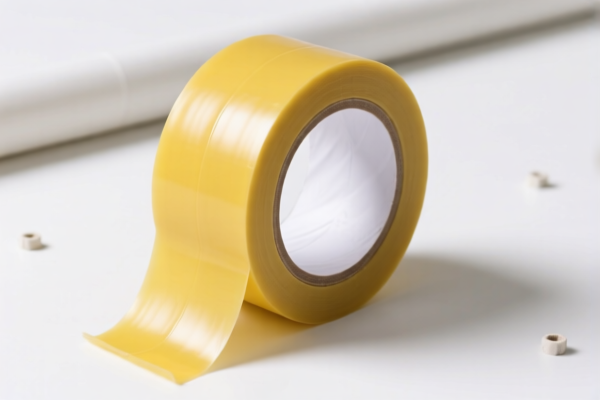
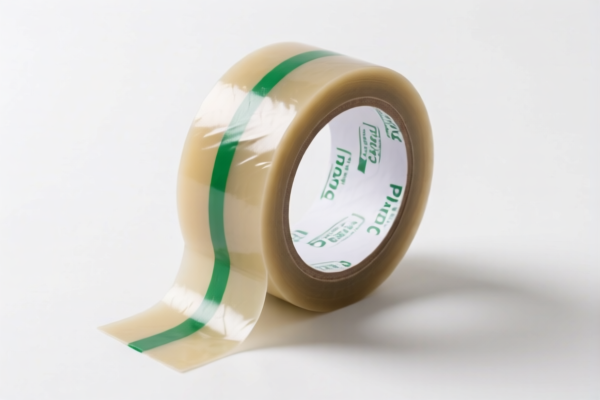
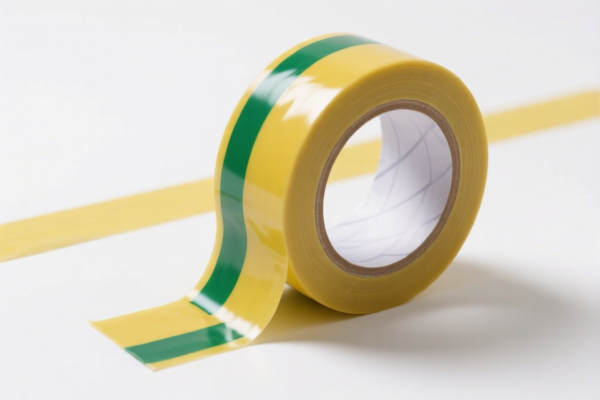
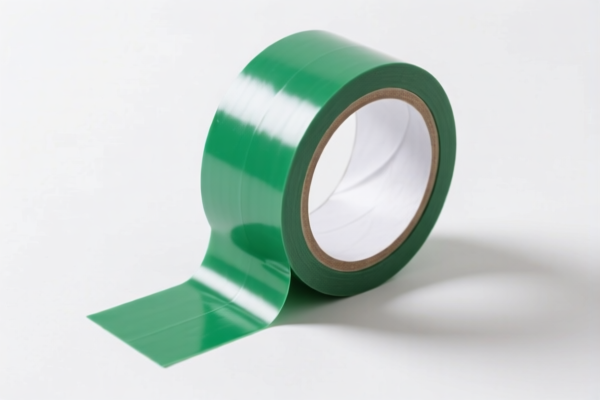
AI Analysis
🧶 Colored PVC Electrical Tape: The Ultimate Insulation Shield
🌐 HS Code Reference & Customs Clearance Guide | 2026 Latest Tariff Analysis | Professional Compliance Strategy
📌 I. Product Definition & Classification: What is "Colored PVC Electrical Tape"?
Colored PVC Electrical Tape is a flexible, self-adhesive insulating material primarily used for protecting electrical wires, preventing short circuits, and color-coding circuits in residential, commercial, and industrial applications.
Core Characteristics: - Material: Polyvinyl Chloride (PVC) or similar plastic polymers. - Function: Electrical insulation, mechanical protection, and identification (via color). - Form: Rolls of adhesive tape, often self-fusing or pressure-sensitive.
⚠️ Critical Distinction:
- Is it a finished article (e.g., pre-cut patches, specialized industrial rolls with specific certifications)? → Potentially 3926
- Is it a standard self-adhesive plastic tape (generic roll)? → Potentially 3919
📦 II. HS Code Classification Details (2026 Latest Tariff Alignment)
| HS Code | Product Description | Applicability | Tax Rate (Total) |
|---|---|---|---|
3926.90.99.89 |
Other articles of plastics: Insulating tape made of PVC/plastic, classified as other plastic制品 | General PVC insulating tape, non-specific adhesive form | 22.8% |
3919.90.50.30 |
Self-adhesive plates, sheets, film, foil, tape, strip and other flat shapes of plastic: Plastic self-adhesive tape, inferred as electrical insulation use | Generic plastic self-adhesive tape with electrical attributes | 40.8% |
3919.10.20.20 |
Self-adhesive plates, sheets, film, foil, tape, strip and other flat shapes of plastic: Self-adhesive tape of plastics, electrical insulation properties | Specific plastic self-adhesive tape for electrical use | 40.8% |
3926.90.45.90 |
Other articles of plastics: Plastic/polymer articles, other forms (non-tape specific) | Plastic/polymer-based insulation materials not strictly classified as tape | 38.5% |
🔍 Key Insight:
- 3919 vs. 3926: The key difference lies in whether the product is classified as a "self-adhesive tape" (Chapter 3919) or an "other plastic article" (Chapter 3926).
- Standard PVC Electrical Tape is most commonly classified under 3919 due to its self-adhesive nature.
- If the tape is pre-formed, custom-shaped, or lacks clear self-adhesive properties, 3926 may apply.
💰 III. 2026 Latest Tariff Rate Breakdown (Including Surcharges & Policy Adjustments)
✅ Applicable Country: United States (US)
✅ Origin: China (CN)
✅ Effective Date: From November 10, 2025 (for subsequent imports)
🎯 1. 3926.90.99.89 —— Plastic Insulating Tape (Other Articles)
| Item | Details |
|---|---|
| Base Tariff | 5.3% |
| Section 301 Surcharge | 7.5% |
| Section 122 Tariff | 10% |
| Total Tax Rate | 22.8% |
| Tax Calculation | CIF Value × 22.8% |
| De Minimis Exemption | ❌ Not Applicable |
| Legal Basis | USITC Footnote for Section 122 & 301 provisions |
📌 Explanation:
- This classification treats the tape as an "other plastic article," resulting in a lower total tariff compared to self-adhesive tapes.
- 7.5% Section 301 and 10% Section 122 are applied on top of the base rate.
🎯 2. 3919.90.50.30 —— Self-Adhesive Plastic Tape (General)
| Item | Details |
|---|---|
| Base Tariff | 5.8% |
| Section 301 Surcharge | 25.0% |
| Section 122 Tariff | 10% |
| Total Tax Rate | 40.8% |
| Tax Calculation | CIF Value × 40.8% |
| De Minimis Exemption | ❌ Not Applicable |
| Legal Basis | USITC Footnote for Section 301 & 122 on self-adhesive tapes |
📌 Explanation:
- 25% Section 301 significantly increases the cost.
- Classified as a general self-adhesive plastic product.
🎯 3. 3919.10.20.20 —— Self-Adhesive Plastic Tape (Electrical Use)
| Item | Details |
|---|---|
| Base Tariff | 5.8% |
| Section 301 Surcharge | 25.0% |
| Section 122 Tariff | 10% |
| Total Tax Rate | 40.8% |
| Tax Calculation | CIF Value × 40.8% |
| De Minimis Exemption | ❌ Not Applicable |
| Legal Basis | Same as above, specific to electrical insulation applications |
📌 Note:
- Identical tax burden as3919.90.50.30.
- Even if marketed as "electrical insulation," the self-adhesive nature places it in Chapter 3919, triggering the higher Section 301 rate.
🎯 4. 3926.90.45.90 —— Other Plastic Articles (Polymer-based)
| Item | Details |
|---|---|
| Base Tariff | 3.5% |
| Section 301 Surcharge | 25.0% |
| Section 122 Tariff | 10% |
| Total Tax Rate | 38.5% |
| Tax Calculation | CIF Value × 38.5% |
| De Minimis Exemption | ❌ Not Applicable |
| Legal Basis | USITC provisions for other plastic articles |
📌 Explanation:
- A middle-ground option if the product is polymer-based but not strictly a "self-adhesive tape."
- Still subject to high surcharges due to Section 301 and 122.
🛠️ IV. Customs Clearance Practical Advice (Avoid Pitfalls)
✅ 1. Required Documentation Checklist
| Document | Mandatory | Notes |
|---|---|---|
| ✅ Product Specification Sheet | ✔️ | Material composition (PVC %), thickness, width, voltage rating |
| ✅ Product Photos (Label & Roll) | ✔️ | Show color codes, brand, warnings, and adhesive side |
| ✅ Third-Party Test Report | ✔️ | UL, CE, RoHS compliance for electrical safety |
| ✅ Commercial Invoice | ✔️ | Clearly state "Colored PVC Electrical Tape" or "Insulating Tape" |
| ✅ Packing List | ✔️ | Quantity per roll, rolls per carton |
| ✅ Certificate of Origin (CO) | ✔️ | If applicable for preferential rates (rare for US) |
✅ 2. Declaration Strategy (Key Tips)
🔥 "Adhesive Means 3919, But Check 3926 for Lower Rates!"
| Scenario | Correct Declaration | Wrong Practice |
|---|---|---|
| Standard PVC electrical tape rolls | 3919.10.20.20 or 3919.90.50.30 |
Misdeclare as "3926" to save tax → Customs Audit Risk |
| Pre-cut insulating patches | 3926.90.99.89 |
Declare as tape → Higher Tax |
| Self-fusing silicone tape (not PVC) | Verify material | Mislabel as PVC → Misclassification Penalty |
| Bulk industrial reels | 3919.10.20.20 |
Declare as "plastic sheets" → Rejection |
✅ 3. Special Cases
| Case | Handling Advice |
|---|---|
| OEM/Private Label | Provide client contract + design specs to prove commercial nature |
| Mixed Shipments (Tape + Tools) | Separate invoices; do not bundle |
| Gift Samples (<$800) | May qualify for de minimis, but Section 301/122 still apply if origin is CN |
| Re-export to Third Country | Ensure end-use documentation to avoid US re-import taxes |
🌍 V. Global Market Comparison (2026)
| Country/Region | Recommended HS Code | Tariff | Certification | Notes |
|---|---|---|---|---|
| 🇺🇸 USA | 3919.10.20.20 |
40.8% (China) | UL, CE | High due to Section 301 & 122 |
| 🇨🇳 China | 3919.10.20.20 |
~5-10% | CCC (if applicable) | Lower import tax |
| 🇪🇺 EU | 3919.10.20.20 |
0-2% (if CE) | CE, RoHS | No major surcharges |
| 🇯🇵 Japan | 3919.10.20.20 |
3-5% | PSE | Stable market |
| 🇬🇧 UK | 3919.10.20.20 |
3-5% | UKCA | Post-Brexit rules |
📌 Conclusion:
- USA is the highest-cost market due to cumulative surcharges.
- EU/UK/Japan are more tariff-friendly, provided compliance with local safety standards (CE/UKCA/PSE) is met.
📌 VI. Common Mistakes & Pitfalls
❌ Mistake 1: Declaring PVC tape as "3926" to avoid 301 tariffs
👉 Consequence: Customs rejects; penalties + back taxes + delays
❌ Mistake 2: Ignoring Section 122 tariffs
👉 Consequence: Unexpected 10% charge on top of 301; cash flow issues
❌ Mistake 3: Failing to provide UL/CE reports
👉 Consequence: Goods held for safety inspection; possible destruction
❌ Mistake 4: Mislabeling "self-adhesive" as "non-adhesive"
👉 Consequence: Misclassification; potential fraud charges
✅ Correct Practice:
"PVC Electrical Insulation Tape, 19mm x 20m, Color: Black/Red/Blue, UL Listed, RoHS Compliant, HS Code: 3919.10.20.20"
🎯 VII. Conclusion: Precision Classification Saves Money!
🎯 Remember:
🔹 "Self-Adhesive = 3919 (40.8%) | Other Plastic = 3926 (22.8-38.5%)"
🔹 "Section 301 + 122 = Pain. Choose correct HS Code wisely."
📌 Pro Tip:
If your tape is not made in China (e.g., Vietnam, Thailand), you may avoid Section 301 and 122 tariffs.
Consider supply chain diversification to reduce duty burden.
📣 Action Required:
📞 Engage a licensed customs broker + Provide UL/CE certificates + File Advance Ruling if uncertain
🚀 Ensure smooth clearance, minimize duties, maximize profit!
✨ Professional Compliance Starts with Accurate Classification!
💼 Every percentage point saved is pure profit!
Customer Reviews
About HS Code Classification
The Harmonized System (HS) is an internationally standardized nomenclature developed by the World Customs Organization (WCO) to classify traded products. Over 200 countries use the HS system as the basis for customs tariffs, trade statistics, and import/export regulations.
Each HS code follows a hierarchical structure:
- Chapter (2 digits) — Broad category of goods (e.g., Chapter 84: Machinery and Mechanical Appliances)
- Heading (4 digits) — More specific grouping within the chapter
- Subheading (6 digits) — Internationally standardized breakdown, used by all WCO member countries
- National subdivisions (8-10 digits) — Country-specific extensions for further classification, such as US HTSUS 10-digit codes
Correct HS code classification is essential for smooth customs clearance, accurate duty payment, and compliance with trade regulations. Misclassification can lead to customs delays, overpayment of duties, or penalties.
When importing from CN to US, the applicable tariff rates may include:
- Most-Favored-Nation (MFN) rate — The standard duty rate applied to WTO members
- General rate — Applied to countries without trade agreements
- Trade remedy duties — Additional tariffs such as Section 301 (anti-dumping), Section 232 (national security), or countervailing duties
The information provided on this page is for reference purposes only. For official classification, please consult with your local customs authority or a licensed customs broker.