Colored Rubber Bands
CN → US| HS Code | Tariff Rate | Origin | Destination | Doc |
|---|---|---|---|---|
| 4008111000 | 35.0% | CN | US | Official Doc |
| 4008210000 | 35.0% | CN | US | Official Doc |
| 3926904510 | 38.5% | CN | US | Official Doc |
Product Images
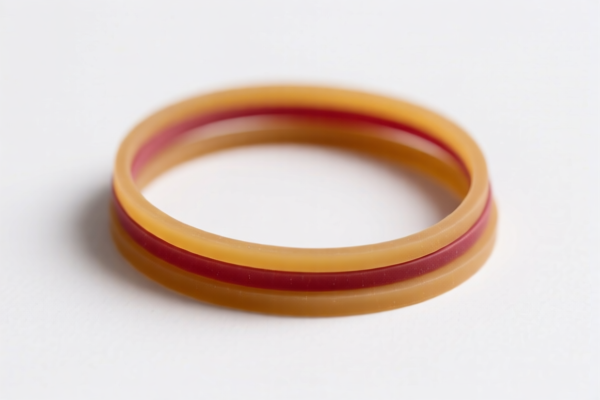
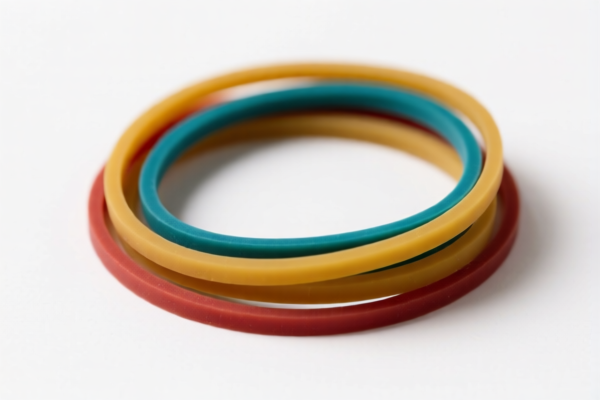
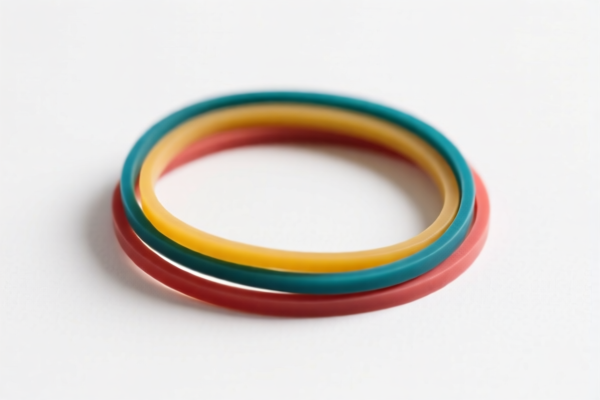
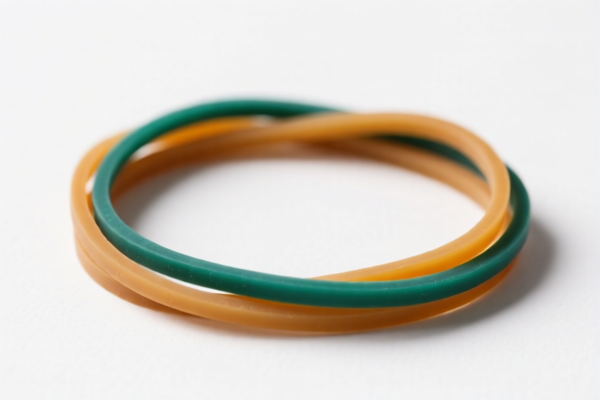
AI Analysis
🎨 Colored Rubber Bands (Elastic Tapes/Seals)
🌐 HS Code Reference & Customs Clearance Guide | 2026 Latest Tariff Analysis | Professional Entry Strategy
📌 I. Product Definition & Classification: Do You Really Understand "Rubber Bands"?
Colored rubber bands are versatile elastic products widely used in office, industrial, and household scenarios. In international trade, they are primarily classified under Chapter 40 (Rubber and articles thereof). However, precise classification depends heavily on: 1. Material Composition: Natural rubber vs. Synthetic rubber. 2. Physical Form: Solid strands (bands), foam rubber, or molded seals. 3. Function: General purpose tying vs. specific sealing/gasket functions.
⚠️ Key Distinction Points:
- If the product is solid rubber strands used for tying or sealing → Generally falls under 4008 (Plates, sheets, strip, rods, and profile shapes, of vulcanized rubber).
- If the product is functionally a gasket/seal and classified under plastics or other materials → May fall under 3926 (Other articles of plastics).
- Crucial Note: The term "Rubber Band" usually implies vulcanized rubber strips. If "foam rubber" is specified, the code changes. If unspecified, customs often infer "non-foam" based on common usage unless stated otherwise.
📦 II. HS Code Classification Details (Based on Provided Data)
| HS Code | Product Description | Match Logic & Summary | Total Tax Rate |
|---|---|---|---|
4008.11.10.00 |
Rubber bands, solid strip/shape, of natural rubber | Match Success. Form matches "strip" (带). Material matches "rubber" keyword to "natural rubber". | 35.0% |
4008.21.00.00 |
Rubber bands, solid strip/shape, of synthetic rubber (inferred non-foam) | Match Success. "Rubber" matches material requirement; "Band" matches form. Assumed non-foam based on common sense. No obvious conflict. | 35.0% |
3926.90.45.10 |
Other plastic articles, including seals/gaskets | Inferred Match. Material inferred as rubber (compatible with plastic/synthetic article category). Form matches sealing/gasket function. No obvious material conflict in broad category. | 38.5% |
🔍 Critical Insight:
- HS 4008 is the primary category for vulcanized rubber strips/shape (including solid rubber bands).
- HS 3926 is a fallback for plastic articles if the product is deemed synthetic/plastic-based or functions as a general industrial seal rather than a pure elastic band.
- The tax difference is significant (35% vs. 38.5%), impacting cost structures.
💰 III. 2026 Latest Tariff Rate Breakdown (Including Surtaxes & Policy Surcharges)
✅ Applicable Country: United States (US)
✅ Country of Origin: China (CN)
✅ Effective Date: From November 10, 2025 (and subsequent imports)
🎯 1. 4008.11.10.00 & 4008.21.00.00 — Rubber Strips/Bands (Vulcanized)
| Item | Content |
|---|---|
| Base Duty Rate | 0.0% (Ad valorem) |
| USITC Surtax | +25.0% (Under Section 301 Tariffs) |
| IEEPA Surtax | +10.0% (China-specific tariffs under Section 122/IEEPA) |
| Total Tax Rate | 35.0% |
| Tax Calculation | CIF Value × 35% |
| De Minimis Eligibility | ❌ Not Eligible (Deny de minimis) |
| Legal Basis Path | IEEPA:9903.01.25 → USITC:4008.11.10.00 / 4008.21.00.00 → FOOTNOTE:301 |
📌 Explanation:
- "Base Duty 0%": Rubber articles typically have low or zero base MFN tariffs.
- "301 Surtax 25%": Added by USITC for Chinese-origin goods under Section 301.
- "IEEPA 10%": Additional tariff under the International Emergency Economic Powers Act targeting specific Chinese imports.
- Total 35%: This is a high tariff. Importers must budget accordingly. No de minimis exemption applies, meaning small shipments are taxed fully.
🎯 2. 3926.90.45.10 — Other Plastic/Composite Articles (Seals/Gaskets)
| Item | Content |
|---|---|
| Base Duty Rate | 3.5% |
| USITC Surtax | +25.0% |
| IEEPA Surtax | +10.0% |
| Total Tax Rate | 38.5% |
| Tax Calculation | CIF Value × 38.5% |
| De Minimis Eligibility | ❌ Not Eligible |
| Legal Basis Path | IEEPA:9903.01.25 → USITC:3926.90.45.10 → FOOTNOTE:301 |
📌 Note:
- This code incurs a 3.5% base duty in addition to the surtaxes, making it more expensive than the rubber-specific codes (4008).
- Only use this classification if the product is explicitly not pure vulcanized rubber but a composite/plastic item functioning as a seal. Misclassification here can lead to penalties.
🛠️ IV. Customs Clearance Practical Advice (Real-World Pitfall Avoidance)
✅ 1. Required Documentation Checklist
| Document | Required? | Description |
|---|---|---|
| ✅ Product Specification Sheet | ✔️ | Must specify: Material (Natural/Synthetic Rubber), Diameter/Thickness, Color, Hardness (Shore A). |
| ✅ Material Composition Statement | ✔️ | Explicitly state if Vulcanized Rubber (for 4008) or Plastic/Composite (for 3926). |
| ✅ Product Photos | ✔️ | Clear images of the bands, showing texture (smooth vs. porous/foam). |
| ✅ Commercial Invoice | ✔️ | Describe as "Colored Rubber Bands, Vulcanized, for Industrial Use" or similar. Avoid vague terms like "Elastic Strips" without material detail. |
| ✅ Bill of Lading/Air Waybill | ✔️ | Ensure weight and value match invoice. |
✅ 2. Declaration Tips (Key Mantras)
🔥 "Material First, Form Second, No Foam Unless Specified!"
| Scenario | Correct Declaration | Incorrect Practice |
|---|---|---|
| Solid Rubber Bands (Office/Industrial) | 4008.11.10.00 or 4008.21.00.00 |
Misdeclaring as "Plastic Bands" → Higher tax (38.5%) |
| Foam Rubber Bands (Sealing/Gasket) | Different HS Code (e.g., 4016/4017) | Using 4008 (which is for non-foam) → Risk of audit |
| Mixed Material (Rubband + Plastic Core) | 3926.90.45.10 (if plastic dominant) |
Assuming 4008 → Risk of penalty |
✅ 3. Special Cases Handling
| Situation | Recommendation |
|---|---|
| Custom Colors/Branding | Declare as "Printed Rubber Bands". Does not change HS code but may require additional labeling info. |
| Foam Rubber Bands | Do NOT use 4008. Use appropriate foam rubber codes (e.g., 4016.99). Tax rates may differ. |
| Small Quantities (De Minimis) | ❌ Not Exempt. Even small samples from China are subject to 35% tax. Consider shipping from non-China origin if possible. |
| USMCA Origin | If rubber is processed in Mexico/Canada, check for duty-free eligibility under USMCA. |
🌍 V. Global Market Comparison (2026 Latest)
| Country/Region | Recommended HS Code | Tariff (China Origin) | Certification | Notes |
|---|---|---|---|---|
| 🇺🇸 USA | 4008.11.10.00 / 4008.21.00.00 |
35% | None specific for rubber bands | High surtaxes apply. No de minimis. |
| 🇨🇳 China | 4008.11.10.00 |
~5-10% | CCC (if applicable) | Low base duty. |
| 🇪🇺 EU | 4008.11.10.00 |
~0-2% | REACH Compliance | No major surtaxes, but REACH chemicals compliance required. |
| 🇬🇧 UK | 4008.11.10.00 |
~0-2% | UKCA | Post-Brexit rules apply. |
| 🇯🇵 Japan | 4008.11.10.00 |
0-5% | PSE (if electrical) | Generally low tariffs. |
📌 Conclusion:
- The US market is the most challenging due to the 35% effective tariff rate.
- China-origin rubber bands face high barriers. Consider supply chain diversification (e.g., Vietnam, Thailand) for US-bound shipments to avoid 301/IEEPA tariffs.
📌 VI. Common Mistakes & Pitfalls (Lessons Learned)
❌ Mistake 1: Classifying Foam Rubber Bands under 4008
👉 Consequence: Customs may reclassify, delay shipment, or issue penalties. Foam has different codes (4016/4017).
👉 Fix: Clearly specify "Foam" or "Non-Foam" in declaration.
❌ Mistake 2: Ignoring IEEPA Surtax
👉 Consequence: Underestimating costs by 10%. Profit margins erased.
👉 Fix: Always calculate total landed cost including 35% tax.
❌ Mistake 3: Vague Description "Elastic Bands"
👉 Consequence: Customs doubts material composition → Inspection delay.
👉 Fix: Use "Vulcanized Rubber Bands, Natural/Synthetic".
✅ Correct Declaration Example:
"Colored Vulcanized Rubber Bands, Natural Rubber, Solid Strip Form, Non-Foam, for Office Use, HS Code 4008.11.10.00"
🎯 VII. Conclusion: Precision in Classification Saves Money!
🎯 Key Takeaways:
🔹 "Solid Rubber = 4008 (35% Tax)"
🔹 "Foam Rubber = 4016/4017 (Different Tax)"
🔹 "Plastic/Composite = 3926 (38.5% Tax)"
🔹 "No De Minimis for China"
📌 Pro Tip:
If your rubber bands are colored, ensure the dyes comply with US Consumer Product Safety Commission (CPSC) standards, especially if intended for children's products. While this doesn't affect HS code, it affects customs release.
📣 Immediate Action:
📞 Contact your customs broker with the material composition sheet.
🚀 Verify Origin: If possible, source from non-China countries to avoid 35% tariffs.
💼 Calculate Landed Cost: Include 35% tax, freight, insurance, and duties in your pricing model.
✨ Professional Clearance Starts with Accurate Classification!
💼 Every percentage point of tax matters—don't leave money on the table!
Customer Reviews
About HS Code Classification
The Harmonized System (HS) is an internationally standardized nomenclature developed by the World Customs Organization (WCO) to classify traded products. Over 200 countries use the HS system as the basis for customs tariffs, trade statistics, and import/export regulations.
Each HS code follows a hierarchical structure:
- Chapter (2 digits) — Broad category of goods (e.g., Chapter 84: Machinery and Mechanical Appliances)
- Heading (4 digits) — More specific grouping within the chapter
- Subheading (6 digits) — Internationally standardized breakdown, used by all WCO member countries
- National subdivisions (8-10 digits) — Country-specific extensions for further classification, such as US HTSUS 10-digit codes
Correct HS code classification is essential for smooth customs clearance, accurate duty payment, and compliance with trade regulations. Misclassification can lead to customs delays, overpayment of duties, or penalties.
When importing from CN to US, the applicable tariff rates may include:
- Most-Favored-Nation (MFN) rate — The standard duty rate applied to WTO members
- General rate — Applied to countries without trade agreements
- Trade remedy duties — Additional tariffs such as Section 301 (anti-dumping), Section 232 (national security), or countervailing duties
The information provided on this page is for reference purposes only. For official classification, please consult with your local customs authority or a licensed customs broker.