Colored Segmented Eyelashes
CN → US| HS Code | Tariff Rate | Origin | Destination | Doc |
|---|---|---|---|---|
| 3304200000 | 35.0% | CN | US | Official Doc |
| 3304995000 | 35.0% | CN | US | Official Doc |
| 6704110000 | 17.5% | CN | US | Official Doc |
| 6704190000 | 17.5% | CN | US | Official Doc |
Product Images
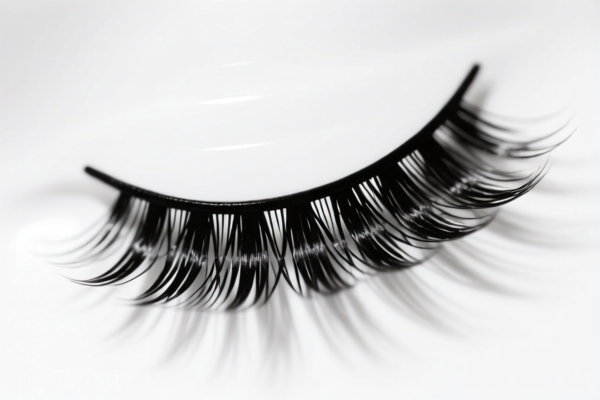
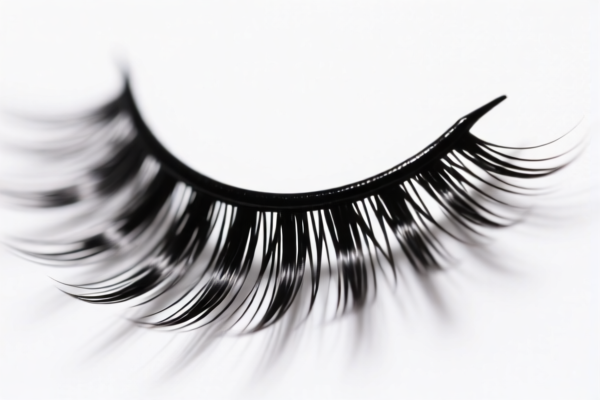
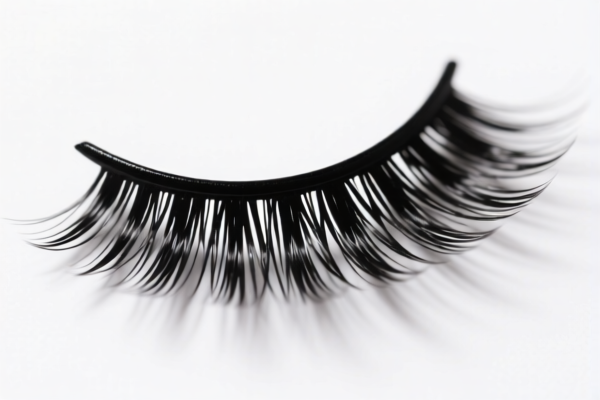

AI Analysis
👁️ Colored Segmented Eyelashes (False Eyelashes)
🌐 HS Code Reference & Customs Clearance Guide | 2026 Latest Tariff Analysis | Professional Strategy for Beauty Goods
📌 Part 1: Product Definition & Classification: Do You Really Know "Colored Segmented Eyelashes"?
"Colored Segmented Eyelashes" belong to the category of False Eyelashes (Artificial Eyelashes). In international trade, these products are typically classified based on their primary function and material composition. They are either treated as Cosmetics (if viewed as an applicator for beauty enhancement) or as Wig/Hair Accessories (if viewed as a textile/hair product).
⚠️ Key Distinction Point:
- If classified as a Cosmetic/Medical Article: It falls under Chapter 33 (Essential Oils & Cosmetics), specifically "Other cosmetic or toilet preparations". This view emphasizes the usage (makeup aid). - If classified as a Hair/Texile Product: It falls under Chapter 67 (Prepared Feathers, Down, and Articles of Feather; Artificial Flowers; Articles of Human Hair), specifically "False Eyelashes". This view emphasizes the form and material (synthetic fibers/hair).
📦 Part 2: HS Code Classification Details (2026 Latest Tariff Authority Comparison)
Based on the provided data, here are the four potential HS Codes and their corresponding tariff structures. Note that the Total Tax Rate varies significantly based on the chosen classification.
| HS Code | Product Description | Application Logic | Total Tax Rate |
|---|---|---|---|
3304.20.00.00 |
Other eye cosmetic preparations | Views false lashes as an "eye cosmetic/beauty product." Matches the definition of cosmetics used for eyelid beautification. | 35.0% |
3304.99.50.00 |
Other beauty/makeup preparations | Views false lashes as a "beauty preparation/auxiliary product" under the general cosmetics category. No material conflict. | 35.0% |
6704.11.00.00 |
Wigs, false blondes and the like, of human hair (Note: Data implies specific false lash category) | Explicitly lists "False Eyelashes." Matches the exact shape and purpose. Assumption: Often grouped here if specific sub-code for synthetic lashes isn't separated or if treated as hair goods. | 17.5% |
6704.19.00.00 |
Wigs, false blondes and the like, of other materials | Matches the form (false eyelashes). Assumes synthetic/textile material (common for colored/segmented lashes). Fits the logic of hair accessories made of non-human hair. | 17.5% |
🔍 Critical Reminder:
- Cosmetic Classification (3304.xx): Higher tax burden (35%). Used if the importer argues the primary function is chemical/beauty treatment or if local customs strictly view any lash application as a cosmetic act. - Hair/Accessory Classification (6704.xx): Lower tax burden (17.5%). Widely accepted for false eyelashes because they are physically "hair-like" fibers. This is often the preferred strategy to save costs, provided the product is not pre-packaged with glue/cream in a way that triggers Chapter 33.
💰 Part 3: 2026 Latest Tariff Rate Breakdown (Including Surcharges & Policy Add-ons)
✅ Applicable Country: United States (US)
✅ Country of Origin: China (CN)
✅ Effective Time: From November 10, 2025 (including subsequent imports)
🎯 1. Cosmetic Classification (3304.20.00.00 / 3304.99.50.00)
High-Tariff Scenario for Beauty Goods
| Item | Content |
|---|---|
| Base Tariff | 0% (Ad Valorem) |
| Section 301 Surcharge | +25% (USITC Footnote applicable to Chinese cosmetics/beauty aids in some contexts) |
| Section 122 Tariff | +10% (Specific 122 clause tariff for certain beauty/cosmetic related items from China) |
| Total Tax Rate | 35.0% |
| Tax Calculation | CIF Value × 35% |
| De Minimis Exemption | ❌ Not Applicable (Likely restricted due to Section 301/122 surcharges) |
| Legal Basis Path | Base: 3304.xx → USITC: 25% Surcharge → IEEPA/Section 122: 10% Surcharge |
📌 Explanation:
- The 25% Section 301 tariff is the standard baseline for many Chinese goods. - The additional 10% Section 122 tariff is a specific provision that may apply to certain beauty/cosmetic categories, pushing the total to 35%. - Cost Impact: High. A $1,000 shipment incurs $350 in taxes alone.
🎯 2. Hair/Accessory Classification (6704.11.00.00 / 6704.19.00.00)
Low-Tariff Scenario for False Eyelashes (Recommended)
| Item | Content |
|---|---|
| Base Tariff | 0% (Ad Valorem) |
| Section 301 Surcharge | +7.5% (Lower surcharge rate for certain hair accessories/wigs compared to general goods or cosmetics) |
| Section 122 Tariff | +10% (Still applicable under specific clauses for these goods) |
| Total Tax Rate | 17.5% |
| Tax Calculation | CIF Value × 17.5% |
| De Minimis Exemption | ❌ Not Applicable (Surcharges apply) |
| Legal Basis Path | Base: 6704.xx → USITC: 7.5% Surcharge → IEEPA/Section 122: 10% Surcharge |
📌 Note:
- The Section 301 surcharge is lower (7.5%) for this category compared to the cosmetic category (25%). - Combined with the 10% Section 122 tariff, the total is 17.5%. - Cost Impact: Moderate. A $1,000 shipment incurs only $175 in taxes. This is 50% cheaper than the cosmetic classification.
🛠️ Part 4: Customs Clearance Practical Advice (Real-World Pitfall Avoidance)
✅ 1. Preparation Checklist (Missing items may cause delays)
| Document | Mandatory? | Description |
|---|---|---|
| ✅ Product Specifications | ✔️ | Clearly state: "False Eyelashes," "Synthetic Fiber," "Cosmetic Accessory." Avoid vague terms like "Makeup." |
| ✅ Material Composition | ✔️ | Specify material (e.g., "100% Synthetic Fiber," "Mink Hair" if applicable). This determines Chapter 33 vs. 67. |
| ✅ Product Photos | ✔️ | Clear images showing the lashes without glue/cream tubes. If packaged together, clarify if glue is a separate item. |
| ✅ Commercial Invoice | ✔️ | Describe as: "False Eyelashes (Hair Accessory/Cosmetic Aid) - Model XYZ" |
| ✅ Packaging List | ✔️ | Detail the contents. Ensure no "liquid glue" is declared as part of the lash unit if you want to avoid cosmetic classification. |
✅ 2. Declaration Strategy (Key Mantra)
🔥 "Classify as Hair, Not Liquid; Separate Glue from Lash!"
| Scenario | Correct Declaration | Wrong Approach |
|---|---|---|
| Dry False Lashes Only | HS 6704.19.00.00 (Hair Accessory) | Declare as "Eye Makeup" → 35% Tax |
| Lashes + Glue Kit | Split Declaration: Lashes (6704) + Glue (3304/3306) | Declare as "Cosmetic Set" → 35% on entire value |
| Colored/Synthetic Lashes | HS 6704.19.00.00 (Synthetic hair goods) | Declare as "Human Hair Product" (if false) → Inspection delay |
| Lashes with Cosmetic Glue | Ensure Glue is not pre-applied | If glue is pre-applied, customs may reclassify as Cosmetic (3304) → 35% Tax |
✅ 3. Special Situation Handling
| Situation | Handling Advice |
|---|---|
| OEM Custom Lashes | Provide design sheets. Emphasize "Artificial Hair Product" to support 6704 classification. |
| Mink/Fur Lashes | ⚠️ High Risk: Requires CITES certification or animal product import permits. May face stricter scrutiny. Prefer synthetic (6704.19) for easier clearance. |
| Pre-packaged with Glue | If the glue is essential, consider declaring them as two items: Lashes (17.5%) and Glue (cosmetic, 35%). Check if the total tax is lower than lumping them together as a "Cosmetic Kit." |
| De Minimis (Section 321) | ❌ Do not rely on $800 De Minimis exemption. The 10% Section 122 and 7.5%/25% Section 301 surcharges invalidate the de minimis exemption for Chinese-origin goods. All shipments are subject to duty. |
🌍 Part 5: Global Market Clearance Comparison (2026 Latest)
| Country/Region | Recommended HS Code | Estimated Duty | Certification Req. | Notes |
|---|---|---|---|---|
| 🇺🇸 USA | 6704.19.00.00 |
17.5% | None (General) | Best Option: Lower tariff than cosmetics (35%). |
| 🇨🇳 China | 6704.19.00.00 |
0-5% | None | Low duty for export to China or domestic sale. |
| 🇪🇺 EU | 6704.19.00.00 |
0-4% | CE (if deemed cosmetic accessory) | Generally low tariff for hair accessories. |
| 🇦🇺 Australia | 6704.19.00.00 |
5% | TGA (if cosmetic) | Standard GST applies. |
| 🇯🇵 Japan | 6704.19.00.00 |
0-5% | PSE (if electrical) | Low duty for false lashes. |
📌 Conclusion:
- USA is the critical market due to high surcharges. - Classifying as6704(Hair Accessory) saves 17.5% compared to3304(Cosmetic). - Chinese origin goods are heavily taxed in the US due to Section 301 and Section 122.
📌 Part 6: Common Errors & Pitfalls (Blood & Tears Lessons)
❌ Error 1: Declaring "False Eyelashes" as "Cosmetic Preparations" (3304) without justification.
👉 Consequence: Pay 35% tax instead of 17.5%. Unnecessary cost increase!
❌ Error 2: Combining Lashes + Glue in one HS Code.
👉 Consequence: Customs may classify the entire package as a "Cosmetic Kit," triggering the 35% rate on the whole value.
❌ Error 3: Assuming De Minimis ($800) applies.
👉 Consequence: Seizure or Penalty. Section 301 and 122 surcharges explicitly exclude de minimis exemptions for Chinese goods.
❌ Error 4: Using vague terms like "Beauty Supply" in invoices.
👉 Consequence: Customs will reclassify, likely to the higher cosmetic rate, causing delays and audits.
✅ Correct Approach:
"False Eyelashes, Synthetic Fiber, For Cosmetic Use, Model XYZ, Made in China"
Use HS 6704.19.00.00 to leverage the lower 17.5% tariff.
🎯 Part 7: Conclusion: Professional Declaration, Save Money, Smooth Clearance!
🎯 Remember the Mantra:
🔹 "Lashes are Hair, Not Paste; Use 6704, Not 3304!"
🔹 "17.5% vs 35%: The 17.5% Difference is Pure Profit!"
📌 Pro Tip:
If your product contains natural mink fur, be aware of ethical compliance and potential bans in certain regions (e.g., EU, California). Synthetic lashes (6704.19.00.00) are safer, cheaper, and easier to clear globally.
📣 Immediate Action:
📞 Consult a customs broker for Pre-Ruling on "False Eyelashes vs. Cosmetic Kit."
🚀 Declare 6704.19.00.00 to save 17.5% in taxes on every shipment to the US.
✨ Professional Clearance Starts with Precise Classification!
💼 Every Dollar Saved in Tax is a Dollar Added to Your Bottom Line!
Customer Reviews
About HS Code Classification
The Harmonized System (HS) is an internationally standardized nomenclature developed by the World Customs Organization (WCO) to classify traded products. Over 200 countries use the HS system as the basis for customs tariffs, trade statistics, and import/export regulations.
Each HS code follows a hierarchical structure:
- Chapter (2 digits) — Broad category of goods (e.g., Chapter 84: Machinery and Mechanical Appliances)
- Heading (4 digits) — More specific grouping within the chapter
- Subheading (6 digits) — Internationally standardized breakdown, used by all WCO member countries
- National subdivisions (8-10 digits) — Country-specific extensions for further classification, such as US HTSUS 10-digit codes
Correct HS code classification is essential for smooth customs clearance, accurate duty payment, and compliance with trade regulations. Misclassification can lead to customs delays, overpayment of duties, or penalties.
When importing from CN to US, the applicable tariff rates may include:
- Most-Favored-Nation (MFN) rate — The standard duty rate applied to WTO members
- General rate — Applied to countries without trade agreements
- Trade remedy duties — Additional tariffs such as Section 301 (anti-dumping), Section 232 (national security), or countervailing duties
The information provided on this page is for reference purposes only. For official classification, please consult with your local customs authority or a licensed customs broker.