Colored Waterproof Film
CN → US| HS Code | Tariff Rate | Origin | Destination | Doc |
|---|---|---|---|---|
| 5907001500 | 43.0% | CN | US | Official Doc |
| 3926909989 | 22.8% | CN | US | Official Doc |
| 3926904590 | 38.5% | CN | US | Official Doc |
| 6807900010 | 37.7% | CN | US | Official Doc |
| 6807100000 | 35.0% | CN | US | Official Doc |
Product Images
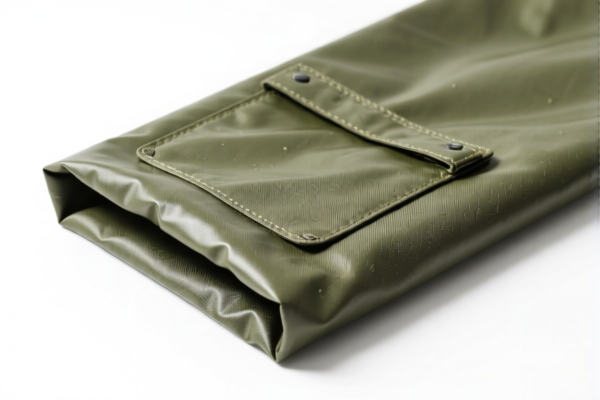
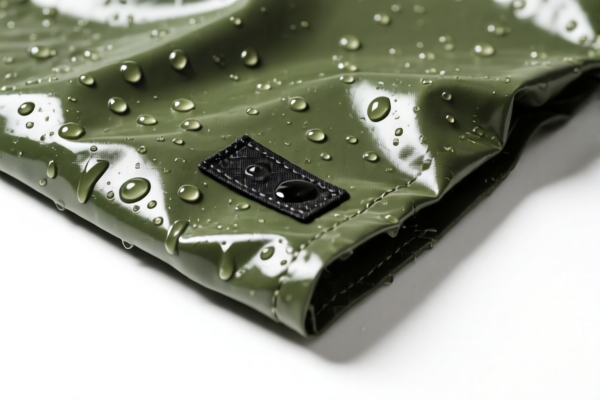
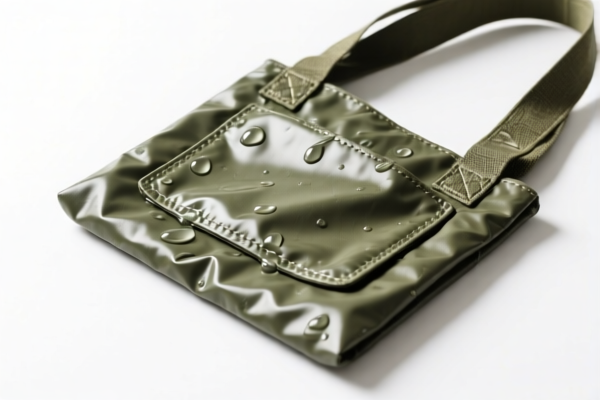
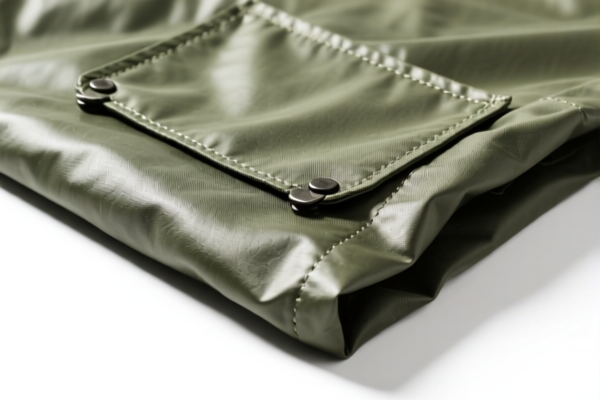
AI Analysis
🎨 Colored Waterproof Film (Membrane)
🌐 HS Code Reference & Customs Clearance Guide | 2026 Latest Tariff Analysis | Professional Clearance Strategy
📌 I. Product Definition & Classification: Do You Really Understand "Colored Waterproof Film"?
Colored Waterproof Film is a versatile material used in construction, packaging, and industrial applications to provide moisture resistance. In international trade, its classification depends heavily on its base material (textile vs. plastic vs. asphalt-like) and physical form (coated fabric vs. standalone plastic sheet).
⚠️ Key Distinction Points:
- If the base is textile/fabric impregnated/coated with plastic or man-made fibers → It falls under Chapter 59.
- If the base is pure plastic/polymer (no textile reinforcement) → It falls under Chapter 39.
- If the material contains bitumen/asphalt characteristics and is used for roofing/walls → It falls under Chapter 68.
📦 II. HS Code Classification Details (2026 Latest Tariff Authority Comparison)
| HS Code | Product Description | Applicable Scenario | Material Base |
|---|---|---|---|
5907.00.15.00 |
Waterproof film; impregnated/coated textile fabric, not elsewhere specified | Coated fabric membranes, plastic-laminated textiles | ✅ Textile + Plastic/Coating |
3926.90.99.89 |
Waterproof film; plastic/polymer products, not elsewhere specified | General-purpose plastic waterproof sheets/membranes | ✅ Pure Plastic/Polymer |
3926.90.45.90 |
Waterproof film; plastic film-like products, gasket/seal form | Sealing membranes, gasket-type plastic films | ✅ Plastic (Gasket/Seal Form) |
6807.90.00.10 |
Waterproof film; bitumen/like material characteristics, for roofing/walls | Bitumen-coated waterproof rolls, roofing membranes | ✅ Asphalt/Bitumen-like |
6807.10.00.00 |
Waterproof film; polymer or bitumen material, film shape | Bitumen/like film sheets with physical characteristics of bitumen products | ✅ Bitumen/Polymer Composite |
🔍 Key Reminder:
- If the product has a textile backing with a plastic coating, do NOT classify it as a plastic product (Ch 39). It must be Ch 59.
- If it is a pure plastic sheet without fabric reinforcement, it belongs to Ch 39.
- If it smells like asphalt or is used specifically for roof waterproofing with bitumen content, it may fall under Ch 68.
💰 III. 2026 Latest Tariff Rate Details (Including Surcharge & Policy Surcharges)
✅ Applicable Country: United States (US)
✅ Origin: China (CN)
✅ Effective Date: 2025 November 10 onwards (including subsequent imports)
🎯 1. 5907.00.15.00 —— Waterproof Film (Textile-Based)
| Item | Content |
|---|---|
| Base Duty Rate | 8.0% (ad valorem) |
| Section 301 Surcharge | +25.0% |
| 122 Clause Surcharge | +10.0% |
| Total Tax Rate | 43.0% |
| Tax Calculation | CIF Value × 43% |
| De Minimis Exemption | ❌ Not Available (deny_de_minimis) |
| Legal Basis Path | Base: 8% → 301: 25% → 122: 10% |
📌 Explanation:
- This category treats the item as an impregnated/coated textile.
- The 25% Section 301 tariff applies to most Chinese textiles/chemicals.
- The 10% 122 Clause is an additional trade policy surcharge.
- Total burden: 43%. This is a high-cost category.
🎯 2. 3926.90.99.89 —— Waterproof Film (Plastic/Polymer, Other)
| Item | Content |
|---|---|
| Base Duty Rate | 5.3% (ad valorem) |
| Section 301 Surcharge | +7.5% |
| 122 Clause Surcharge | +10.0% |
| Total Tax Rate | 22.8% |
| Tax Calculation | CIF Value × 22.8% |
| De Minimis Exemption | ❌ Not Available (deny_de_minimis) |
| Legal Basis Path | Base: 5.3% → 301: 7.5% → 122: 10% |
📌 Note:
- This is the most cost-effective classification for general plastic waterproof films.
- The Section 301 surcharge is only 7.5%, significantly lower than the textile or asphalt categories.
- Suitable for standard PE/PP/PVC waterproof sheets without fabric backing.
🎯 3. 3926.90.45.90 —— Waterproof Film (Plastic Gasket/Seal Form)
| Item | Content |
|---|---|
| Base Duty Rate | 3.5% (ad valorem) |
| Section 301 Surcharge | +25.0% |
| 122 Clause Surcharge | +10.0% |
| Total Tax Rate | 38.5% |
| Tax Calculation | CIF Value × 38.5% |
| De Minimis Exemption | ❌ Not Available (deny_de_minimis) |
| Legal Basis Path | Base: 3.5% → 301: 25% → 122: 10% |
📌 Warning:
- Although the base rate is low (3.5%), the 25% Section 301 surcharge pushes the total to 38.5%.
- This code is specific to gasket or seal-like plastic films. Do not use for general rolls.
🎯 4. 6807.90.00.10 —— Waterproof Film (Bitumen/Asphalt-like, Roofing/Wall Use)
| Item | Content |
|---|---|
| Base Duty Rate | 2.7% (ad valorem) |
| Section 301 Surcharge | +25.0% |
| 122 Clause Surcharge | +10.0% |
| Total Tax Rate | 37.7% |
| Tax Calculation | CIF Value × 37.7% |
| De Minimis Exemption | ❌ Not Available (deny_de_minimis) |
| Legal Basis Path | Base: 2.7% → 301: 25% → 122: 10% |
📌 Explanation:
- Applies to materials with bitumen or similar characteristics.
- Even with a low base rate, the 25% Section 301 applies.
- High total tax burden; ensure the product actually contains bitumen/asphalt components.
🎯 5. 6807.10.00.00 —— Waterproof Film (Bitumen/Polymer, Film Shape)
| Item | Content |
|---|---|
| Base Duty Rate | 0.0% (ad valorem) |
| Section 301 Surcharge | +25.0% |
| 122 Clause Surcharge | +10.0% |
| Total Tax Rate | 35.0% |
| Tax Calculation | CIF Value × 35.0% |
| De Minimis Exemption | ❌ Not Available (deny_de_minimis) |
| Legal Basis Path | Base: 0.0% → 301: 25% → 122: 10% |
📌 Note:
- This is the lowest total tax rate among the higher-burden categories (35%).
- However, it requires the product to be clearly identified as bitumen-like or polymer-bitumen composite.
- If it is pure plastic, do NOT use this code, as it will lead to misclassification penalties.
🛠️ IV. Customs Clearance Practical Advice (Battle-Tested Pitfall Avoidance Guide)
✅ 1. Preparation Checklist (Missing Documents = Delay)
| Document | Mandatory | Explanation |
|---|---|---|
| ✅ Product Specification Sheet | ✔️ | Must specify: Base material (Textile vs. Plastic vs. Bitumen), Thickness, Width, Color, Usage. |
| ✅ Material Composition Report | ✔️ | Crucial for distinguishing Ch 59 (Textile) vs. Ch 39 (Plastic). Lab test report recommended. |
| ✅ Product Photos (with Label) | ✔️ | Show texture, roll form, and any printed usage instructions (e.g., "Roofing Only"). |
| ✅ Commercial Invoice | ✔️ | Must explicitly state: "Colored Waterproof Film, Material: [Specify]", "HS Code: [Correct Code]". |
| ✅ Packing List | ✔️ | Detail net/gross weight per roll/box. Avoid vague terms like "Plastic Material". |
✅ 2. Declaration Tips (Key Mantras)
🔥 “Base Material Dictates Code, Surcharge Depends on Section 301, Don’t Split Rolls!”
| Scenario | Correct Declaration | Wrong Practice |
|---|---|---|
| Fabric-backed plastic sheet | 5907.00.15.00 |
Misclassify as 3926... → 22.8% vs 43% (Risk of audit/penalty) |
| Pure plastic PE sheet | 3926.90.99.89 |
Misclassify as 5907... → Overpay tax unnecessarily |
| Bitumen-coated roofing roll | 6807.10.00.00 or 6807.90.00.10 |
Misclassify as plastic → Severe penalty, potential seizure |
| Mixed shipment (Textile + Plastic) | Declare Separately | Combine into one line → Customs may reject or reclassify all |
📌 Critical Advice:
- Do not simply declare as "Waterproof Film". You MUST specify the primary material.
- If the film is colored, ensure the color is mentioned in the description, but color does NOT change the HS Code.
- Section 301 (25%) applies to Ch 59, Ch 68, and partially to Ch 39. Ch 39 (General Plastic) has a lower 301 surcharge (7.5%). Choose the correct Ch 39 code if applicable to save 17.5% in duties!
✅ 3. Special Case Handling
| Scenario | Handling Advice |
|---|---|
| OEM Custom Colors | Provide color codes and Pantone references. Ensure the base material remains consistent. |
| Self-Adhesive Waterproof Film | If it has adhesive, ensure it’s still a "film". Adhesives might push it to other chapters. Check 3926.90 specifically. |
| Roofing Membrane | If it contains bitumen, use 6807.... If it’s just plastic with a gravel top, use 3926.... |
| Small Samples (<$800) | ❌ De Minimis Exemption Denied. All codes listed above are deny_de_minimis. Even small shipments are taxed. |
🌍 V. Global Major Market Customs Clearance Comparison (2026 Latest)
| Country/Region | Recommended HS Code | Tariff Rate | Certification Requirements | Notes |
|---|---|---|---|---|
| 🇺🇸 USA | 3926.90.99.89 (Plastic) |
22.8% | No specific cert required | Lowest total tax for pure plastic. Avoid Ch 59/68 if possible due to 25% surcharge. |
| 🇺🇸 USA | 5907.00.15.00 (Textile) |
43.0% | No specific cert required | High tax. Only use if truly textile-backed. |
| 🇨🇳 China | 3926.90.99.89 |
5% | RoHS (if electronic-related) | No Section 301. Low cost. |
| 🇪🇺 EU | 3920.99 or 5911 |
0%~6.5% | REACH, RoHS | No additional surcharges. |
| 🇬🇧 UK | 3926.90 |
0%~6.5% | UKCA, REACH | Post-Brexit rules apply. |
📌 Conclusion:
- USA is the most expensive market due to Section 301 and 122 Clause surcharges.
- Optimization Strategy: If your product is a pure plastic film, ensure you use the3926.90.99.89code to minimize the 301 surcharge to 7.5% instead of 25%.
- Textile-backed films will always face 43% total duty. Consider material substitution if cost is critical.
📌 VI. Common Errors & Pitfall Guide (Blood & Tears Lessons)
❌ Error 1: Declaring a Textile-backed film as Pure Plastic (3926...)
👉 Consequence: Customs will audit the composition. If found false, penalty + back duty + interest. The difference is 20.2%!
❌ Error 2: Declaring a Pure Plastic film as Textile (5907...)
👉 Consequence: You overpay 20.2% in duties. No refund process is easy.
❌ Error 3: Ignoring the 122 Clause
👉 Consequence: All these HS codes have a 10% 122 Clause surcharge. Forgetting this leads to underpayment and customs hold.
❌ Error 4: Vague Description "Waterproof Material"
👉 Consequence: CBP (Customs and Border Protection) will reclassify based on their interpretation, likely choosing the highest duty code (5907 or 6807).
✅ Correct Declaration Example:
"Colored Waterproof Film, Material: 100% Polyethylene (Plastic), No Textile Backing, Used for Packaging, Model ABC, HS Code: 3926.90.99.89"
🎯 VII. Conclusion: Precise Classification, Cost Control, Smooth Clearance!
🎯 Remember the Mantra:
🔹 "Plastic Base? Code 3926. Textile Base? Code 5907. Bitumen? Code 6807."
🔹 "Section 301 is 7.5% for Plastic, 25% for Textile/Bitumen. Save 17.5%!"
🔹 "No De Minimis. No Excuses. Declare Accurately."
📌 Pro Tip:
If your Colored Waterproof Film is made in Vietnam, Mexico, Thailand, or Malaysia, you may qualify for IEEPA Exemption or lower tariffs.
Recommendation: Apply for Advance Ruling (CBP Ruling) before shipping large volumes. This provides legal certainty on the HS Code and prevents surprise duties at the border.
📣 Immediate Action:
📞 Contact a Professional Broker + Provide Material Composition Report + Apply for HS Code Advance Ruling
🚀 Ensure Your Colored Waterproof Film Passes Customs Efficiently, Maximizing Your Profit Margin!
✨ Professional Clearance Starts with Accurate Classification!
💼 Every Percent of Duty Saved is Pure Profit!
Customer Reviews
About HS Code Classification
The Harmonized System (HS) is an internationally standardized nomenclature developed by the World Customs Organization (WCO) to classify traded products. Over 200 countries use the HS system as the basis for customs tariffs, trade statistics, and import/export regulations.
Each HS code follows a hierarchical structure:
- Chapter (2 digits) — Broad category of goods (e.g., Chapter 84: Machinery and Mechanical Appliances)
- Heading (4 digits) — More specific grouping within the chapter
- Subheading (6 digits) — Internationally standardized breakdown, used by all WCO member countries
- National subdivisions (8-10 digits) — Country-specific extensions for further classification, such as US HTSUS 10-digit codes
Correct HS code classification is essential for smooth customs clearance, accurate duty payment, and compliance with trade regulations. Misclassification can lead to customs delays, overpayment of duties, or penalties.
When importing from CN to US, the applicable tariff rates may include:
- Most-Favored-Nation (MFN) rate — The standard duty rate applied to WTO members
- General rate — Applied to countries without trade agreements
- Trade remedy duties — Additional tariffs such as Section 301 (anti-dumping), Section 232 (national security), or countervailing duties
The information provided on this page is for reference purposes only. For official classification, please consult with your local customs authority or a licensed customs broker.