Colored Wide Width Film Granular
CN → US| HS Code | Tariff Rate | Origin | Destination | Doc |
|---|---|---|---|---|
| 5407200000 | 35.0% | CN | US | Official Doc |
| 5407301000 | 35.0% | CN | US | Official Doc |
| 3920200055 | 39.2% | CN | US | Official Doc |
| 3920100000 | 39.2% | CN | US | Official Doc |
| 3919905060 | 40.8% | CN | US | Official Doc |
Product Images
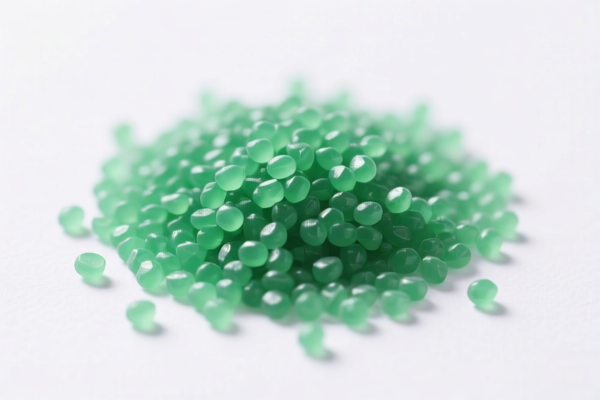

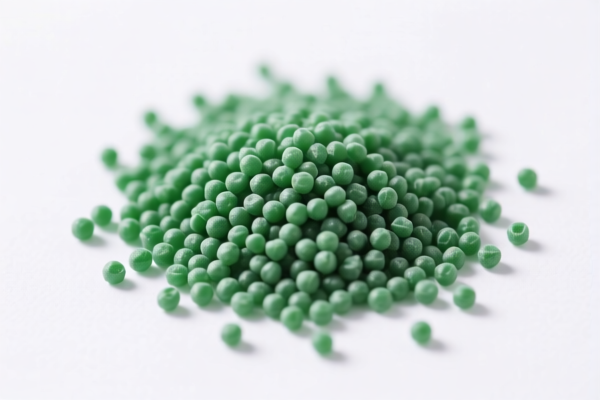
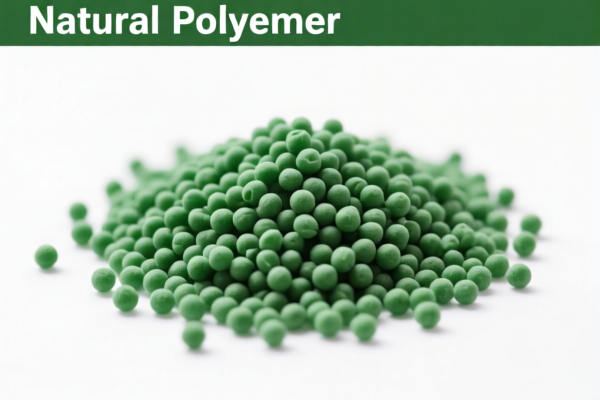
AI Analysis
🎞️ Colored Wide Width Film Granular
🌐 HS Code Reference & Customs Clearance Guide | 2026 Latest Tariff Analysis | Professional Clearance Strategy
📌 I. Product Definition & Classification: Do You Really Understand "Colored Wide Width Film Granular"?
The term "Colored Wide Width Film Granular" presents a unique classification challenge. In international trade, "granular" typically refers to raw materials (pellets/granules), while "film" refers to finished sheet-like products. However, in certain industrial contexts (such as recycled plastics, masterbatches, or specific polymer processing), "granules" may be the raw material for film extrusion, or the term may loosely describe flat, sheet-like waste/scrap or specialized polymer strips rather than spherical pellets.
Based on the provided data, the classification hinges on whether the product is interpreted as: 1. Textile-like strips/filaments (if woven or processed into fabric-like structures). 2. Plastic films/sheets (if it maintains a flat, continuous sheet morphology).
⚠️ Key Distinction Point:
- If the product is woven from synthetic filaments or processed into a fabric-like strip →归类 to Chapter 54 (Textiles).
- If the product is a flat plastic sheet/film (even if colored or wide) →归类 to Chapter 39 (Plastics).
- "Granular" here likely refers to the physical form of recycled material or a misnomer for "strips/sheets" rather than standard injection-molding pellets.
📦 II. HS Code Classification Details (2026 Latest Tariff Authority Comparison)
| HS Code | Product Description | Morphology & Material | Applicable Scenario |
|---|---|---|---|
5407.20.00.00 |
Colored wide film classified as strips/similar objects; material is woven fabric/processed product made of synthetic filament fibers. | Synthetic Filament Woven Fabric/Strip | Recycled plastic strips, woven film bags, or fabric-like polymer strips. |
5407.30.10.00 |
Colored wide film inferred as film/fabric morphology; material is plastic-based. | Plastic Film/Fabric Morphology | Thin plastic films that resemble woven structures or are semi-woven. |
3920.20.00.55 |
Colored wide film morphology fits film characteristics; material inferred as plastic; color attribute does not conflict. | Plastic Film (Non-Polymer Specific) | General colored plastic films, such as PVC or PE films, where the exact polymer type isn't specified as polyethylene. |
3920.10.00.00 |
Colored wide film morphology is film; material inferred as plastic film; fits characteristics of ethylene polymers etc. | Plastic Film (Polyethylene/Polymer) | Polyethylene (PE) films, LDPE/HDPE sheets, commonly used in packaging. |
3919.90.50.60 |
Colored wide film morphology is film; material inferred as plastic; belongs to other categories under reasonable matching. | Plastic Film (Other/General) | Adhesive-backed plastic films or general-purpose plastic films not fitting specific polymer subheadings. |
🔍 Key Reminder:
- If the product is woven or has a fabric-like texture, it falls under 5407 (Textiles).
- If it is a solid, continuous plastic sheet, it falls under 3920 (Plastics).
- "Granular" may be a misleading descriptor; customs will inspect the actual physical form. If it is loose pellets, it should be 3902/3904, but since those are not in the data, we assume it is sheet/film form or strips.
💰 III. 2026 Latest Tariff Rate Details (Including Surcharges & Policy Add-ons)
✅ Applicable Country: United States (US)
✅ Origin: China (CN)
✅ Effective Time: From November 10, 2025 (including subsequent imports)
🎯 1. 5407.20.00.00 —— Colored Wide Film (Textile-like Strips/Synthetic Filament)
| Item | Content |
|---|---|
| Base Tariff | 0% (ad valorem) |
| Section 301 Surcharge | +25% |
| Section 122 Tariff | +10% |
| Total Rate | 35.0% |
| Tax Calculation | CIF Value × 35% |
| De Minimis Exemption | ❌ Not Eligible (deny_de_minimis) |
| Legal Basis Path | Section 301 → Section 122 → 5407.20.00.00 |
📌 Explanation:
- The 25% is from the USITC Section 301 list;
- The 10% is from Section 122 tariffs (often applied to specific industrial materials);
- Total 35%, which is high and must be factored into cost calculations.
🎯 2. 5407.30.10.00 —— Colored Wide Film (Plastic-like Fabric/Film Morphology)
| Item | Content |
|---|---|
| Base Tariff | 0% |
| Section 301 Surcharge | +25% |
| Section 122 Tariff | +10% |
| Total Rate | 35.0% |
| Tax Calculation | CIF × 35% |
| De Minimis Exemption | ❌ Not Eligible |
| Legal Basis Path | Section 301 → Section 122 → 5407.30.10.00 |
📌 Note:
- Same rate as5407.20.00.00;
- Applies to products that are semi-woven or film-like fabrics.
🎯 3. 3920.20.00.55 —— Colored Wide Film (Plastic Film, Non-Polymer Specific)
| Item | Content |
|---|---|
| Base Tariff | 4.2% |
| Section 301 Surcharge | +25% |
| Section 122 Tariff | +10% |
| Total Rate | 39.2% |
| Tax Calculation | CIF × 39.2% |
| De Minimis Exemption | ❌ Not Eligible |
| Legal Basis Path | Base 4.2% → Section 301 → Section 122 → 3920.20.00.55 |
📌 Note:
- The base tariff is 4.2%, higher than the 0% for textile-like items;
- Total 39.2%, making it more expensive than Chapter 54 classifications.
🎯 4. 3920.10.00.00 —— Colored Wide Film (Polyethylene/Polymer Film)
| Item | Content |
|---|---|
| Base Tariff | 4.2% |
| Section 301 Surcharge | +25% |
| Section 122 Tariff | +10% |
| Total Rate | 39.2% |
| Tax Calculation | CIF × 39.2% |
| De Minimis Exemption | ❌ Not Eligible |
| Legal Basis Path | Base 4.2% → Section 301 → Section 122 → 3920.10.00.00 |
📌 Note:
- Applies to Polyethylene (PE) films;
- Same rate as3920.20.00.55;
- If the product is pure PE, this is the most accurate classification despite the higher base rate.
🎯 5. 3919.90.50.60 —— Colored Wide Film (Other Plastic Film)
| Item | Content |
|---|---|
| Base Tariff | 5.8% |
| Section 301 Surcharge | +25% |
| Section 122 Tariff | +10% |
| Total Rate | 40.8% |
| Tax Calculation | CIF × 40.8% |
| De Minimis Exemption | ❌ Not Eligible |
| Legal Basis Path | Base 5.8% → Section 301 → Section 122 → 3919.90.50.60 |
📌 Note:
- Highest base rate among the options;
- Total 40.8%;
- Used for general plastic films that do not fit specific polymer or woven categories.
🛠️ IV. Customs Clearance Practical Advice (Real-World Pitfall Avoidance)
✅ 1. Preparation Checklist (All Required)
| Document | Required | Explanation |
|---|---|---|
| ✅ Product Specifications | ✔️ | Include width, thickness, material composition (PE, PP, etc.), and physical form (film vs. strip). |
| ✅ Photos of Product | ✔️ | Must clearly show if it is woven, sheet, or granular. |
| ✅ Commercial Invoice | ✔️ | Clearly state "Colored Wide Width Film" or "Plastic Film Strips" with accurate HS Code. |
| ✅ Origin Certificate | ✔️ | To determine if preferential rates apply (though unlikely for China origin under current tariffs). |
| ✅ Packing List | ✔️ | Detail net/gross weight and packaging type. |
✅ 2. Declaration Tips (Key Mnemonics)
🔥 "Check Morphology First: Fabric-like? Go 5407. Sheet-like? Go 3920. Granules? Not Here!"
| Scenario | Correct Declaration | Wrong Practice |
|---|---|---|
| Product is woven strips | 5407.20.00.00 or 5407.30.10.00 |
Declare as "Plastic Film" → 39.2% |
| Product is solid plastic sheet | 3920.10.00.00 or 3920.20.00.55 |
Declare as "Textile" → 35% (but may be rejected if not woven) |
| Product is loose pellets | Not in Data (Likely 3902/3904) | Force into Film HS Code → Risk of Penalty |
| Product is Adhesive Film | 3919.90.50.60 |
Declare as General Film → 39.2% (misses adhesive-specific code) |
✅ 3. Special Case Handling
| Situation | Handling Advice |
|---|---|
| "Granular" is a Misnomer | If the product is actually pellets, do not use the HS Codes above. Contact a customs broker to classify under Chapter 3902/3904. Using film codes for pellets is a major compliance risk. |
| Recycled Material | If the film is made from recycled plastic, provide recycling process documentation. Some countries offer reduced tariffs for recycled content, but US tariffs currently do not distinguish for these codes. |
| Wide Width | If width > 5 meters, ensure it is classified correctly under "Wide Width" provisions. Some codes have specific width requirements. |
| Colored | Color does not change the base classification but must be declared accurately. |
🌍 V. Global Market Comparison (2026 Latest)
| Country/Region | Recommended HS Code | Tariff Rate | Certification | Notes |
|---|---|---|---|---|
| 🇺🇸 USA | 5407.20.00.00 (if woven) |
35.0% | No special certs | High tariffs due to Section 301 & 122 |
| 🇨🇳 China | 5407.20.00.00 |
5-10% | CCC (if applicable) | Lower base tariffs |
| 🇪🇺 EU | 5407.20.00.00 |
4-6% | REACH | No Section 301 tariffs |
| 🇬🇧 UK | 5407.20.00.00 |
4-6% | UKCA | Post-Brexit rules |
| 🇯🇵 Japan | 5407.20.00.00 |
0-3% | PSE (if electrical) | Low tariffs |
📌 Conclusion:
- USA has the highest total tariffs due to political surcharges;
- Non-US markets offer significantly lower costs;
- Classification accuracy is critical to avoid misclassification penalties.
📌 VI. Common Errors & Pitfall Guide (Lessons Learned)
❌ Error 1: Declaring loose plastic pellets as "Film"
👉 Consequence: Customs will reject the declaration, demand re-classification, and impose penalties.
✅ Correct: Use 3902.10.00.00 (Polyethylene granules) if it is indeed pellets.
❌ Error 2: Declaring woven strips as "Plastic Film"
👉 Consequence: Overpaying tariffs (39.2% vs 35.0%) and potential inspection delays.
✅ Correct: Use 5407.20.00.00 if it is woven or fabric-like.
❌ Error 3: Ignoring "Granular" descriptor
👉 Consequence: If the product is powder or small particles, it may not fit "Film" at all.
✅ Correct: Verify physical form. If it is powder, it may be Chapter 38 or 3901/3902.
✅ Correct Practice:
"Colored Wide Width Plastic Film, 1.5m Width, PE Material, Non-Woven, for Packaging"
HS Code:3920.10.00.00
🎯 VII. Conclusion: Precision in Classification Saves Money!
🎯 Remember the Mantra:
🔹 "Check Form: Woven? 5407. Sheet? 3920. Pellets? Not Here!"
🔹 "Tariffs Vary: 35% for Textile-like, 39.2% for Plastic Film, 40.8% for General"
🔹 "Granular is Ambiguous: Clarify Physical Form to Avoid Delays!"
📌 Tips:
- If your product is not in the above categories (e.g., it is truly granules/pellets), do not use these HS Codes.
- Pre-ruling (Advance Ruling) is highly recommended for ambiguous terms like "Granular Film."
- Consult a Customs Broker to verify if "Granular" is a marketing term or physical reality.
📣 Immediate Action:
📞 Contact a licensed customs broker + Provide photos + Apply for HS Code Pre-ruling
🚀 Ensure compliant clearance, avoid penalties, and optimize costs!
✨ Professional Clearance Starts with Accurate Classification!
💼 Every Percentage Point Matters in Tariffs!
Customer Reviews
About HS Code Classification
The Harmonized System (HS) is an internationally standardized nomenclature developed by the World Customs Organization (WCO) to classify traded products. Over 200 countries use the HS system as the basis for customs tariffs, trade statistics, and import/export regulations.
Each HS code follows a hierarchical structure:
- Chapter (2 digits) — Broad category of goods (e.g., Chapter 84: Machinery and Mechanical Appliances)
- Heading (4 digits) — More specific grouping within the chapter
- Subheading (6 digits) — Internationally standardized breakdown, used by all WCO member countries
- National subdivisions (8-10 digits) — Country-specific extensions for further classification, such as US HTSUS 10-digit codes
Correct HS code classification is essential for smooth customs clearance, accurate duty payment, and compliance with trade regulations. Misclassification can lead to customs delays, overpayment of duties, or penalties.
When importing from CN to US, the applicable tariff rates may include:
- Most-Favored-Nation (MFN) rate — The standard duty rate applied to WTO members
- General rate — Applied to countries without trade agreements
- Trade remedy duties — Additional tariffs such as Section 301 (anti-dumping), Section 232 (national security), or countervailing duties
The information provided on this page is for reference purposes only. For official classification, please consult with your local customs authority or a licensed customs broker.