Colorful Border Decoration
CN → US| HS Code | Tariff Rate | Origin | Destination | Doc |
|---|---|---|---|---|
| 4823908680 | 35.0% | CN | US | Official Doc |
| 4823906700 | 35.0% | CN | US | Official Doc |
| 3926400010 | 15.3% | CN | US | Official Doc |
| 3926903500 | 24.0% | CN | US | Official Doc |
| 4911914040 | 17.5% | CN | US | Official Doc |
| 4911912020 | 10.0% | CN | US | Official Doc |
| 0602909090 | 22.3% | CN | US | Official Doc |
| 0602906090 | 19.4% | CN | US | Official Doc |
Product Images
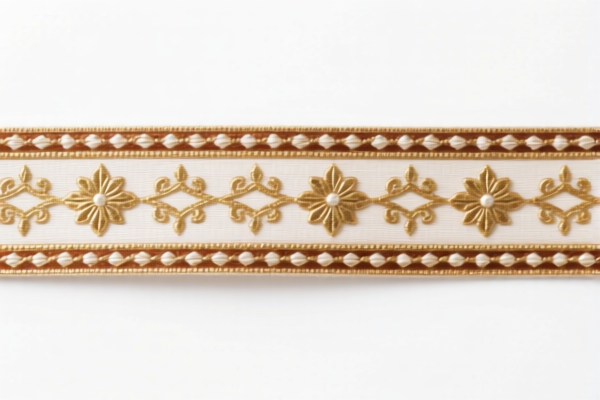
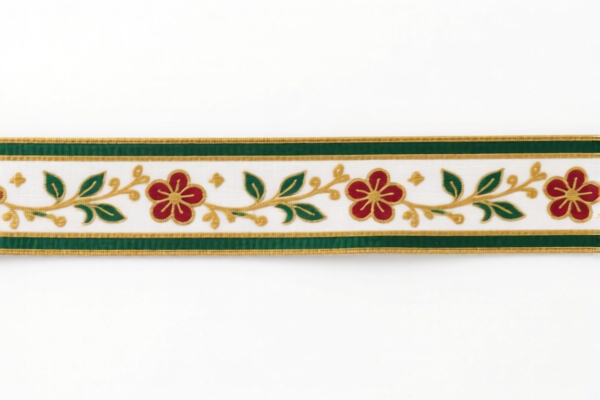
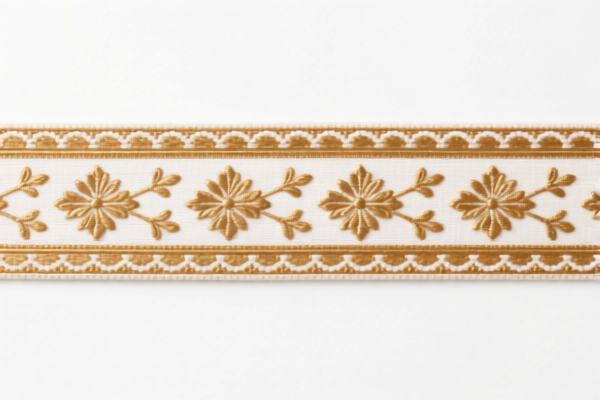
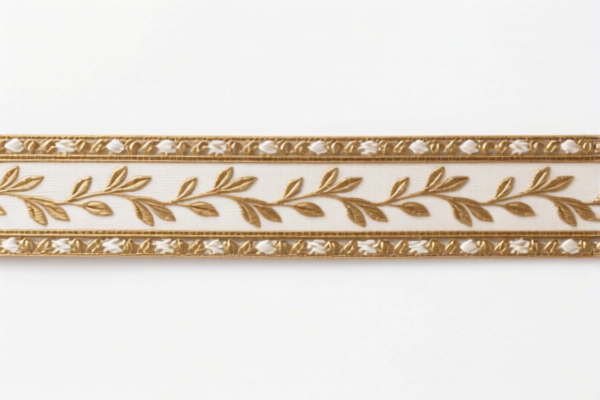
AI Analysis
🎨 Colorful Border Decoration (Decorative Arts & Craft Supplies)
🌐 HS Code Reference & Customs Clearance Guide | 2024 Latest Tariff Analysis | Strategic Compliance Strategy
📌 I. Product Definition & Classification: Do You Truly Understand "Border Decorations"?
Colorful Border Decorations are versatile items used in crafting, scrapbooking, framing, and interior design. They range from printed paper elements to plastic ornamental accessories. In international trade, their classification depends entirely on material composition and primary function.
They are generally categorized into three main groups: 1. Paper-Based Decorations: Printed designs, lithographs, or cutouts on paper/paperboard (e.g., decorative paper borders, photo mats). 2. Plastic Ornamentals: Statuettes, bows, spangles, or beads made of plastic (e.g., plastic trim, decorative bows). 3. Miscellaneous Paper Articles: Cut-to-size paper articles not specifically classified elsewhere (e.g., custom-cut decorative paper strips).
⚠️ Key Distinction Point: - If it is printed paper (under 20 years old, pictures/designs) → It falls under Chapter 49 (Printed Matter). - If it is a plastic ornament (bow, statuette, bead) → It falls under Chapter 39 (Articles of Plastics). - If it is unprinted or plain paper cut to shape → It falls under Chapter 48 (Other Paper Articles).
📦 II. HS Code Classification Details (2024 Tariff Authority对照)
Based on the provided data, here are the specific HS Codes and their descriptions:
| HS Code | Product Description | Applicable Scenario | Material |
|---|---|---|---|
4911.91.40.40 |
Other printed matter; Pictures, designs, photographs (Printed ≤20 yrs ago) | Printed decorative paper borders, vintage-style photo prints, printed design sheets | Paper |
4911.91.20.20 |
Other printed matter; Lithographs on paper/posters (≤0.51mm thick) | Thin printed poster-style borders, lithographed paper decorations | Paper |
4823.90.86.80 |
Other paper articles; Cut to size/shape; Other | Plain or generic paper cutouts, non-printed decorative paper strips | Paper |
4823.90.67.00 |
Other paper articles; Coated paper or paperboard; Other | Coated paper decorative borders (e.g., glossy finish paper cuts) | Paper |
3926.40.00.10 |
Articles of plastics; Statuettes, ornamental articles, Bows | Plastic decorative bows, ribbons, ornamental plastic borders | Plastic |
3926.90.35.00 |
Articles of plastics; Beads, bugles, spangles (not strung) | Loose plastic beads, spangles, sequins for decoration | Plastic |
0602.90.90.90 |
Live plants; Other (With/Without soil) | Note: Only applicable if "border" refers to live plant trim/greenery | Plant |
0602.90.60.90 |
Live plants; Other (With soil attached) | Potted plant cuttings used as decorative borders | Plant |
🔍 Critical Warning: - Paper vs. Plastic: Misclassifying a plastic bow as paper (or vice versa) leads to severe penalties. - Printed vs. Non-Printed: If the item is a picture/design, it must go to 4911. If it is just cut paper without a design, it goes to 4823. - "Other" Clauses: HS Codes like
4823.90.86.80are catch-alls. Ensure the item doesn't fit a more specific category first.
💰 III. 2024 Tariff Rate Breakdown (Including Surcharges)
✅ Applicable Country: United States (US)
✅ Origin: China (CN)
✅ Effective Date: Current (2024-2025 Period)
⚠️ Note: Tariffs vary significantly based on the 301/Tariff Act surcharges.
🎯 1. 4911.91.40.40 – Printed Pictures/Designs (Paper)
| Item | Content |
|---|---|
| Base Tariff | 0.0% |
| Section 301 Surcharge | 7.5% |
| Total Tariff | 7.5% |
| Calculation | CIF Value × 7.5% |
| De Minimis Exemption | ❌ Not Eligible (Standard for most paper goods from China) |
| Legal Path | HTSUS 4911.91.40.40 → USITC Footnote 9903.88.01 (if applicable) |
📌 Explanation:
- Although the base rate is 0%, the 7.5% Section 301 surcharge applies to many printed matter items from China. - This is a moderate tariff. Properly identifying the item as "Printed Pictures/Designs" (rather than generic paper) ensures you don't pay higher rates for unclassified goods.
🎯 2. 4911.91.20.20 – Lithographs/Posters (Paper)
| Item | Content |
|---|---|
| Base Tariff | 0.0% |
| Section 301 Surcharge | 0.0% |
| Total Tariff | 0.0% |
| Calculation | Duty-Free |
| De Minimis Exemption | N/A (Already 0%) |
📌 Strategic Advantage:
- If your border decoration can be classified as a lithograph or poster (thin paper, printed art), you may enjoy 0% tariff. - Condition: Must be ≤0.51mm thick and fit the definition of a lithograph/poster.
🎯 3. 4823.90.86.80 & 4823.90.67.00 – Other Paper Articles
| Item | Content |
|---|---|
| Base Tariff | 0.0% |
| Section 301 Surcharge | 25.0% |
| Total Tariff | 25.0% |
| Calculation | CIF Value × 25% |
⚠️ High Risk Alert:
- If your item is not considered a "picture/design" (Chapter 49) but a generic "cut paper article" (Chapter 48), the tariff jumps to 25%. - Advice: Always argue for classification under 4911 (Printed Matter) if there is any design/image, to avoid the 25% surcharge.
🎯 4. 3926.40.00.10 – Plastic Bows/Ornaments
| Item | Content |
|---|---|
| Base Tariff | 5.3% |
| Section 301 Surcharge | 0.0% |
| Total Tariff | 5.3% |
| Calculation | CIF Value × 5.3% |
📌 Note:
- Plastic ornaments and bows generally face lower surcharges than paper items in this specific dataset. - Ensure the item is clearly a "bow" or "ornamental article" to fit3926.40.
🎯 5. 3926.90.35.00 – Plastic Beads/Spangles
| Item | Content |
|---|---|
| Base Tariff | 6.5% |
| Section 301 Surcharge | 7.5% |
| Total Tariff | 14.0% |
| Calculation | CIF Value × 14.0% |
📌 Note:
- Loose beads and spangles are subject to both base and surcharge tariffs. - Ensure they are declared as "not strung" and "not set" to fit this specific subheading.
🎯 6. 0602.90.90.90 & 0602.90.60.90 – Live Plants (Greenery Borders)
| Item | Content |
|---|---|
| Base Tariff | 0.0% |
| Section 301 Surcharge | 0.0% |
| Total Tariff | 0.0% |
| Calculation | Duty-Free |
📌 Note:
- If "Border Decoration" refers to live plants (e.g., ivy borders, potted greenery), tariffs are 0%. - Crucial: Requires APHIS/Plant Inspection and phytosanitary certificates. High regulatory barrier, but low tariff.
🛠️ IV. Customs Clearance Practical Advice (Avoiding Pitfalls)
✅ 1. Preparation Checklist (Mandatory)
| Document | Required? | Description |
|---|---|---|
| Product Photos | ✅ Yes | Clear images showing material (paper vs. plastic), printing, and shape. |
| Material Breakdown | ✅ Yes | Specify % of paper, plastic, glue, etc. |
| Usage Description | ✅ Yes | e.g., "For scrapbooking," "For home wall decor," "For gift wrapping." |
| Commercial Invoice | ✅ Yes | Must match HS Code description exactly. |
| Plant Phytosanitary Cert | ✅ Only for 0602 |
Required for live plants. |
| FCC/CE Cert | ⚠️ If Electronic | Only if decoration has lights/electronics (not covered in this data). |
✅ 2. Declaration Tips (Golden Rules)
🔥 "Material First, Function Second, Design Matters!"
| Scenario | Correct Declaration | Incorrect Declaration |
|---|---|---|
| Printed paper cutouts with art | 4911.91.40.40 (Printed Matter) | Generic "Paper Crafts" → Risk of 25% |
| Plastic bow for gift wrapping | 3926.40.00.10 (Plastic Bow) | "Decorative Item" → Vague, may be audited |
| Loose plastic sequins | 3926.90.35.00 (Spangles) | "Sequins" (textile) → Wrong chapter! |
| Live ivy trim | 0602.90.90.90 (Live Plant) | "Artificial Greenery" → Must be live to use this code |
📌 Key Insight:
- Paper Goods: The difference between 0% and 25% hinges on whether it's classified as "Printed Matter" (4911) or "Other Paper Articles" (4823). Always provide proof of printing/design. - Plastic Goods: Bows (3926.40) are cheaper than general plastic articles (3926.90).
✅ 3. Special Case Handling
| Situation | Recommendation |
|---|---|
| Mixed Materials (e.g., Paper with Plastic Trim) | Classify based on essential character. If plastic trim is minimal, it may still be paper (4911/4823). If plastic is dominant, go to 3926. |
| Kit Contents (Paper + Beads + Glue) | Declare as a Set if intended for sale as one unit. Otherwise, declare individually to optimize tariff per item. |
| Vintage Items (Printed >20 years old) | Data Note: The provided data specifies "Printed not over 20 years". Items >20 years may fall under different anti-dumping or collectible rules (not covered in this specific tax table). |
| Live Plants | Coordinate with customs broker for APHIS Inspection at least 3-5 days before arrival. |
🌍 V. Global Market Comparison (2024 Snapshot)
| Country/Region | Recommended HS Code | Estimated Tariff (CN Origin) | Certification Needed | Remarks |
|---|---|---|---|---|
| 🇺🇸 USA | 4911.91.40.40 |
7.5% | None (General) | High surcharge risk for generic paper (4823) |
| 🇺🇸 USA | 3926.40.00.10 |
5.3% | None | Low tariff for plastic ornaments |
| 🇪🇺 EU | 4911.91.40.40 |
0% - 4% | None | No Section 301 surcharge |
| 🇨🇳 China | 4911.91.40.40 |
0% - 5% | N/A | Import tariff depends on trade agreements |
| 🇬🇧 UK | 4911.91.40.40 |
0% - 5% | None | Post-Brexit tariffs may vary |
📌 Conclusion:
- The USA is the most challenging market due to Section 301 surcharges. - Paper Items: Maximize value by proving they are "Printed Pictures" (4911) to avoid the 25% rate. - Plastic Items: Bows are the most tariff-efficient (3926.40).
📌 VI. Common Errors & Pitfalls (Lessons Learned)
❌ Error 1: Declaring printed paper as "Other Paper Articles" (4823)
👉 Consequence: 25% Surcharge instead of 0% or 7.5%.
✅ Fix: Provide photos showing the design/print. Use 4911.
❌ Error 2: Declaring plastic beads as "Sequins" (Textile, Chapter 56/61)
👉 Consequence: Wrong HS Code, potential detention.
✅ Fix: If plastic, use 3926.90.35.00. If metal/fabric, use textile codes.
❌ Error 3: Declaring live plants without Phytosanitary Certificate
👉 Consequence: Return or Destruction at customs.
✅ Fix: Get APHIS permit from country of origin before shipping.
❌ Error 4: Ignoring the "20-Year Rule" for Printed Matter
👉 Consequence: If item is >20 years old, 4911.91 may not apply.
✅ Fix: Verify age. Vintage items may have different classification.
🎯 VII. Conclusion: Smart Classification Saves Money!
🎯 Remember This Mantra:
🔹 "Paper with Print? Go to 4911 (Save 25%!)
🔹 Plastic Bow? Go to 3926.40 (Low Rate!)
🔹 Generic Paper? Pay 25% (Avoid if possible!)
🔹 Live Plants? Get APHIS (0% Rate but High Admin!)"**
📌 Pro Tip:
If you are importing large volumes, consider Advance Ruling from US CBP for ambiguous items (e.g., mixed-material decorations) to lock in your HS Code and tariff rate.
📣 Immediate Action:
📞 Contact Your Broker: Provide photos and material specs.
📄 Verify Printing: Ensure all paper items have visible designs.
🌿 Check Plants: If live, start paperwork NOW.
✨ Precision in Classification, Profit in Clearance!
💼 Don't let a 25% surcharge eat your margins!
Customer Reviews
About HS Code Classification
The Harmonized System (HS) is an internationally standardized nomenclature developed by the World Customs Organization (WCO) to classify traded products. Over 200 countries use the HS system as the basis for customs tariffs, trade statistics, and import/export regulations.
Each HS code follows a hierarchical structure:
- Chapter (2 digits) — Broad category of goods (e.g., Chapter 84: Machinery and Mechanical Appliances)
- Heading (4 digits) — More specific grouping within the chapter
- Subheading (6 digits) — Internationally standardized breakdown, used by all WCO member countries
- National subdivisions (8-10 digits) — Country-specific extensions for further classification, such as US HTSUS 10-digit codes
Correct HS code classification is essential for smooth customs clearance, accurate duty payment, and compliance with trade regulations. Misclassification can lead to customs delays, overpayment of duties, or penalties.
When importing from CN to US, the applicable tariff rates may include:
- Most-Favored-Nation (MFN) rate — The standard duty rate applied to WTO members
- General rate — Applied to countries without trade agreements
- Trade remedy duties — Additional tariffs such as Section 301 (anti-dumping), Section 232 (national security), or countervailing duties
The information provided on this page is for reference purposes only. For official classification, please consult with your local customs authority or a licensed customs broker.