Colorful Embroidery Thread Art
CN → US| HS Code | Tariff Rate | Origin | Destination | Doc |
|---|---|---|---|---|
| 9701990000 | 17.5% | CN | US | Official Doc |
| 5306200000 | 35.0% | CN | US | Official Doc |
| 5306100000 | 35.0% | CN | US | Official Doc |
Product Images
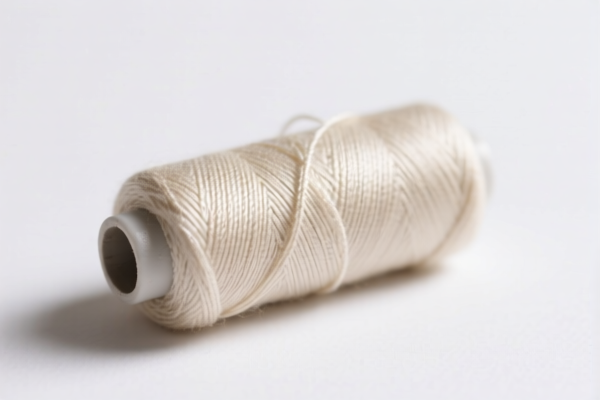
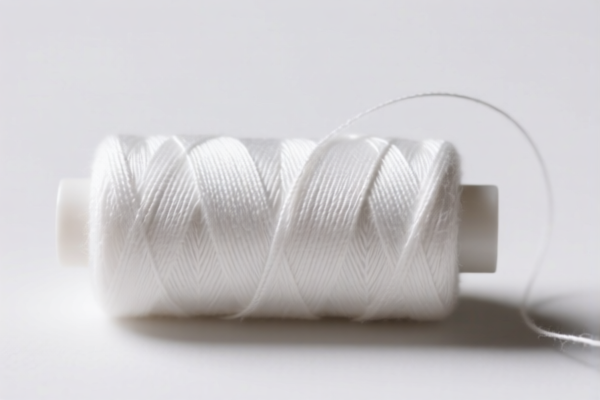
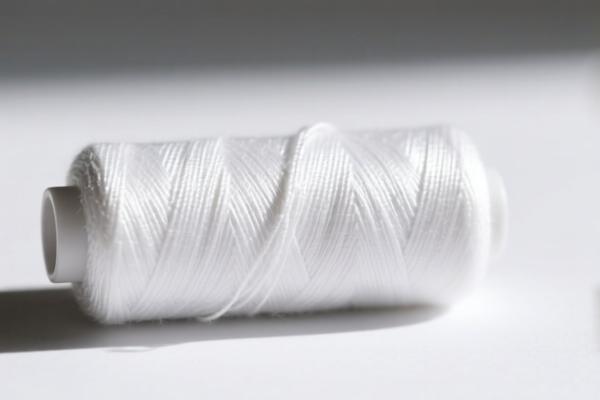
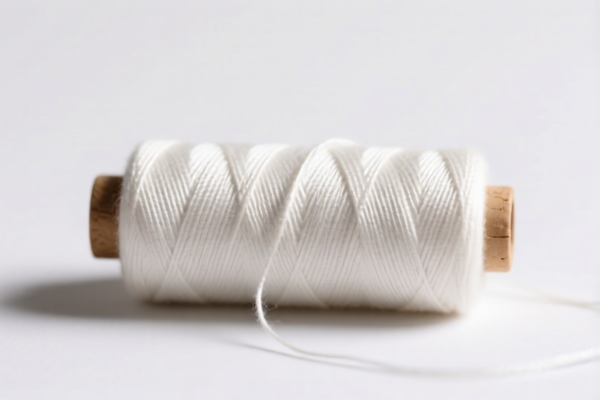
AI Analysis
🧵 Colorful Embroidery Thread Art: HS Code Classification & Duty Analysis (2026 Update)
🌐 HS Code Reference & Customs Clearance Guide | 2026 Latest Tariff Rates | Professional Clearance Strategy
📌 I. Product Definition & Classification: Do You Really Understand "Embroidery Thread Art"?
"Colorful Embroidery Thread Art" is a broad term in international trade. Depending on whether it is sold as a raw material (thread/yarn) or as a finished artistic product (decorative item), the classification varies significantly. The customs authority will look at the state of processing, packaging, and intended use.
⚠️ Key Distinction:
- If the item is spooled/thread-like and intended for stitching → Classify as Textile Yarn (Chapters 50-55).
- If the item is a finished decorative piece (e.g., a wall hanging, collage, or framed art) → Classify as Art/Craft (Chapter 97).
📦 II. HS Code Classification Details (Based on Provided Data)
| HS Code | Product Description | Summary & Matching Logic | Total Tax Rate |
|---|---|---|---|
| 9701.99.00.00 | Other Paintings, Drawings & Pastels | Matching Logic: Inferred as decorative art creation (collage/decorative plaque type). Fits the "similar decorative plaque" usage in classification notes. Material (thread/fiber) does not conflict with original description. | 17.5% |
| 5306.20.00.00 | Artificial Staple Fibers Yarn | Matching Success: "Embroidery Thread" in name matches "Yarn" in material and form. "Colorful" is a common attribute. No material or form conflict. | 35.0% |
| 5306.10.00.00 | Flax Yarn | Matching: "Embroidery Thread" fits the form of "Yarn." Assuming textile thread based on common sense, no material conflict. | 35.0% |
🔍 Critical Reminder:
- Ch97 (9701) applies only if the item is a finished art object.
- Ch53 (5306) applies if the item is raw thread/yarn for crafting.
- Misclassification Risk: Declaring raw thread as "Art" to avoid high tariffs, or vice versa, leads to audits, penalties, and delays.
💰 III. 2026 Latest Tariff Rate Breakdown (Including Surcharges & Policy Add-ons)
✅ Applicable Country: United States (US)
✅ Origin: China (CN)
✅ Effective Date: Post-November 2025 (Current Trade Policy)
🎯 1. 9701.99.00.00 —— Other Paintings, Drawings & Pastels (Art/Craft Route)
| Item | Content |
|---|---|
| Base Rate | 0.0% (ad valorem) |
| Section 301 Surtax | 7.5% |
| IEEPA Surtax | 10.0% (122 Clause / China-specific) |
| Total Rate | 17.5% |
| Tax Calculation | CIF Value × 17.5% |
| De Minimis Exemption | ❌ Not Applicable (Subject to high scrutiny) |
| Legal Basis Path | IEEPA:9903.01.25 → USITC:9701.99.00.00 → FOOTNOTE:301 |
📌 Explanation:
- This category benefits from a 0% base tariff because it is classified as fine art/crafts.
- However, it is not exempt from the 301 tariffs (7.5%) and IEEPA surcharges (10%) applied to Chinese goods.
- Advantage: Significantly lower than textile classifications. Ideal if the product is truly a finished decorative art piece.
🎯 2. 5306.20.00.00 —— Artificial Staple Fibers Yarn (Textile Route)
| Item | Content |
|---|---|
| Base Rate | 0.0% |
| Section 301 Surtax | 25.0% |
| IEEPA Surtax | 10.0% (122 Clause) |
| Total Rate | 35.0% |
| Tax Calculation | CIF Value × 35.0% |
| De Minimis Exemption | ❌ Not Applicable |
| Legal Basis Path | IEEPA:9901.25 → USITC:5306.20.00.00 → FOOTNOTE:301 |
📌 Note:
- "Embroidery thread" made from synthetic/artificial fibers falls here.
- High Tax Burden: The 35% total rate reflects the aggressive trade policy on Chinese textiles.
- Usage: Must be declared as "Yarn" or "Thread," not "Art."
🎯 3. 5306.10.00.00 —— Flax Yarn (Textile Route)
| Item | Content |
|---|---|
| Base Rate | 0.0% |
| Section 301 Surtax | 25.0% |
| IEEPA Surtax | 10.0% (122 Clause) |
| Total Rate | 35.0% |
| Tax Calculation | CIF Value × 35.0% |
| De Minimis Exemption | ❌ Not Applicable |
| Legal Basis Path | IEEPA:9901.25 → USITC:5306.10.00.00 → FOOTNOTE:301 |
📌 Note:
- Applies only if the embroidery thread is explicitly made of Flax/Linen.
- Same high tariff structure as other textiles. Less common for general embroidery, but possible for specific natural fiber crafts.
🛠️ IV. Customs Clearance Operational Advice (Practical Pitfall Avoidance)
✅ 1. Documentation Checklist (Must-Haves)
| Document | Required | Description |
|---|---|---|
| ✅ Product Specifications | ✔️ | Must clarify: Is it a spool of thread OR a finished art piece? |
| ✅ Product Photos | ✔️ | Show packaging, form (spool vs. framed art), and color. |
| ✅ Commercial Invoice | ✔️ | Accurate description: "Finished Embroidery Art Piece" vs. "Embroidery Thread." |
| ✅ Material Declaration | ✔️ | Specify fiber content (Polyester, Cotton, Flax, etc.). |
| ✅ Packing List | ✔️ | Details quantity, weight, and dimensions. |
✅ 2. Declaration Tips (Key Mantra)
🔥 "Form Determines Form, Description Determines Duty!"
| Scenario | Correct Declaration | Incorrect Approach |
|---|---|---|
| Spools of Thread | 5306.20.00.00 (Artificial Yarn) |
Calling it "Art" → Smuggling/Audits |
| Framed/Finished Art | 9701.99.00.00 (Other Paintings/Drawings) |
Calling it "Thread" → Unnecessary 35% Tax |
| Thread + Frame Kit | Evaluate principal character. Likely 9701 if art is dominant, 5306 if thread is dominant. |
Splitting shipment → Complexity & Delay |
✅ 3. Special Case Handling
| Situation | Handling Advice |
|---|---|
| OEM Custom Colors | Provide color chart. Ensure invoice states "Custom Color Embroidery Thread" if textile, or "Custom Art Piece" if finished. |
| Mixed Shipment | If shipping both thread and finished art, separate line items with distinct HS Codes. |
| Low Value Shipments | Even under $800, if classified under Ch53/Ch97 with 301 tariffs, De Minimis may not apply or may be seized for tariff evasion. Check current CBP enforcement. |
🌍 V. Global Market Comparison (2026 Latest)
| Country/Region | Recommended HS Code | Tariff (China Origin) | Certification | Note |
|---|---|---|---|---|
| 🇺🇸 USA | 9701.99.00.00 (Art) |
17.5% | None | Best option for finished art. |
| 🇺🇸 USA | 5306.20.00.00 (Thread) |
35.0% | None | High cost for raw materials. |
| 🇪🇺 EU | 5306.20.00.00 |
~6-12% | REACH, CE | Lower base tariffs, no IEEPA. |
| 🇨🇳 China | 5306.20.00.00 |
~0-5% | CCC (if applicable) | Domestic trade friendly. |
📌 Conclusion:
- USA is the strictest market due to 301 and IEEPA tariffs.
- Strategic Recommendation: If the product can be reasonably classified as a finished artistic decoration (9701), it saves 17.5% in duties compared to textile classification (5306).
- Risk: CBP may challenge9701if the item is clearly just thread. Ensure the product is packaged and presented as an art piece.
📌 VI. Common Errors & Pitfalls (Lessons Learned)
❌ Error 1: Labeling spools of thread as "Embroidery Art" to save taxes
👉 Consequence: CBP seizure, fines, and blacklisting. The value of the material (thread) vs. artistic value is strictly audited.
❌ Error 2: Declaring finished art as "Textile Thread"
👉 Consequence: Unnecessary payment of 35% tariff instead of 17.5%.
❌ Error 3: Ignoring the "122 Clause" IEEPA surcharge
👉 Consequence: Unexpected 10% additional tax on all Chinese-origin goods, regardless of HS Code.
❌ Error 4: Vague descriptions like "Craft Items"
👉 Consequence: Customs delays for further classification inquiry.
✅ Correct Practice:
"Finished Embroidery Wall Art, Cotton/Polyester Blend, Framed, Model XYZ"
HS Code:9701.99.00.00
Duty: 17.5%vs.
"Colorful Polyester Embroidery Thread, Spool, 100g, No. 123"
HS Code:5306.20.00.00
Duty: 35.0%
🎯 VII. Conclusion: Precision Classification Saves Money!
🎯 Remember the Mantra:
🔹 "Art is 17.5%, Thread is 35%."
🔹 "If it's finished and decorative, argue for Ch97. If it's raw material, accept Ch53."
🔹 "Honest declaration prevents audits and fines."
📌 Pro Tip:
If your product is on the borderline (e.g., a half-finished kit), consider Advance Rulings from CBP to secure the correct HS Code before shipment.
For finished art pieces, ensure marketing materials and invoices emphasize the artistic/decorative nature over the raw material content.
📣 Immediate Action:
📞 Consult a licensed customs broker with product photos.
🚀 Optimize your supply chain to classify finished goods where possible to reduce duty costs by 17.5%.
✨ Professional Customs Clearance Starts with Precise Classification!
💼 Every Dollar of Duty Saved is Pure Profit!
Customer Reviews
About HS Code Classification
The Harmonized System (HS) is an internationally standardized nomenclature developed by the World Customs Organization (WCO) to classify traded products. Over 200 countries use the HS system as the basis for customs tariffs, trade statistics, and import/export regulations.
Each HS code follows a hierarchical structure:
- Chapter (2 digits) — Broad category of goods (e.g., Chapter 84: Machinery and Mechanical Appliances)
- Heading (4 digits) — More specific grouping within the chapter
- Subheading (6 digits) — Internationally standardized breakdown, used by all WCO member countries
- National subdivisions (8-10 digits) — Country-specific extensions for further classification, such as US HTSUS 10-digit codes
Correct HS code classification is essential for smooth customs clearance, accurate duty payment, and compliance with trade regulations. Misclassification can lead to customs delays, overpayment of duties, or penalties.
When importing from CN to US, the applicable tariff rates may include:
- Most-Favored-Nation (MFN) rate — The standard duty rate applied to WTO members
- General rate — Applied to countries without trade agreements
- Trade remedy duties — Additional tariffs such as Section 301 (anti-dumping), Section 232 (national security), or countervailing duties
The information provided on this page is for reference purposes only. For official classification, please consult with your local customs authority or a licensed customs broker.