Colorful Gift Bags
CN → US| HS Code | Tariff Rate | Origin | Destination | Doc |
|---|---|---|---|---|
| 3923210085 | 38.0% | CN | US | Official Doc |
| 3923290000 | 38.0% | CN | US | Official Doc |
| 4202929700 | 52.6% | CN | US | Official Doc |
| 4202999000 | 55.0% | CN | US | Official Doc |
| 4819502000 | 35.0% | CN | US | Official Doc |
| 4819504060 | 35.0% | CN | US | Official Doc |
Product Images
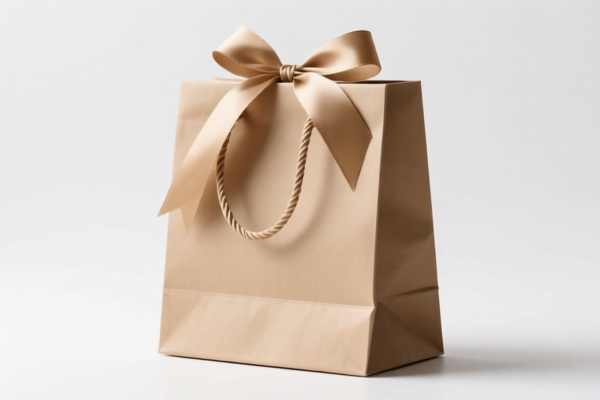
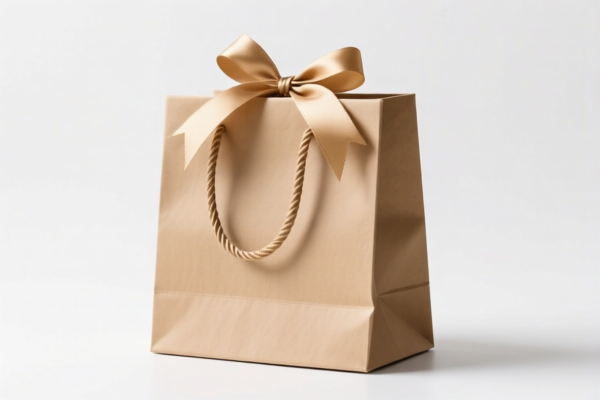
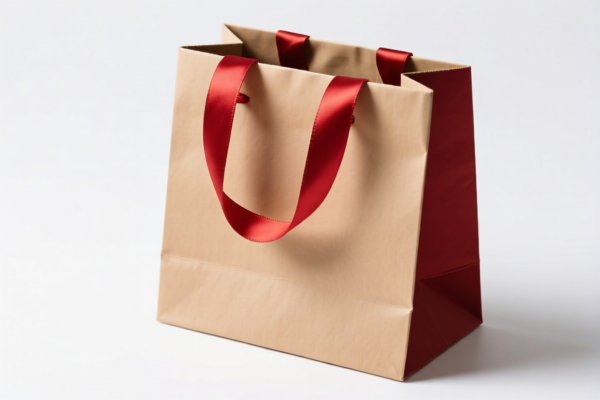
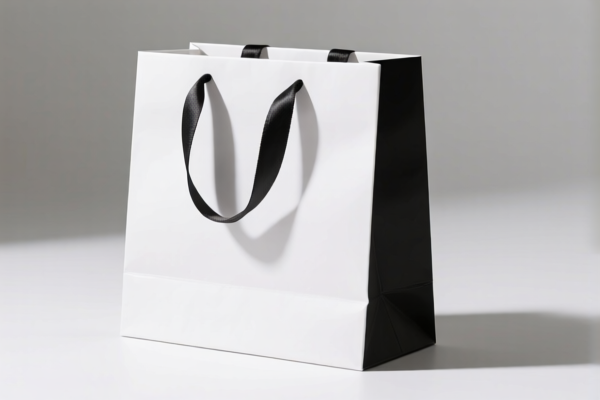
AI Analysis
🎁 Colorful Gift Bags (Decorative Packaging)
🌐 HS Code Reference & Customs Clearance Guide | 2026 Latest Tariff Breakdown | Professional Compliance Strategy
📌 I. Product Definition & Classification: Do You Really Understand "Gift Bags"?
"Colorful Gift Bags" are a broad category of packaging used for gifting, retail, or decorative purposes. In international trade, they are not classified as a single HS code. Instead, they are split based on material composition and functional design.
There are two primary paths for classification:
Path A: Paper-Based Bags
If the bag is made primarily of paper, paperboard, or cellulose fibers, it falls under Chapter 48.
Key Characteristic: Rigid structure, folded handles, paper material.
Path B: Plastic-Based Bags
If the bag is made of plastic films or sheets, it falls under Chapter 39.
Key Characteristic: Flexible, translucent or opaque, plastic handles.
⚠️ Critical Restriction: There is a specific sub-category for Polyethylene Retail Carrier Bags (PRCBs) with strict size constraints.
Path C: Textile/Leather/Composite Bags
If the bag is made of fabric (canvas, non-woven) or leather-like materials, it falls under Chapter 42.
Key Characteristic: Reusable, durable, often with handles.
⚠️ Key Distinction Point:
- If it's a paper box/bag for food/beverage or general goods → Chapter 48
- If it's a plastic bag (especially small retail bags) → Chapter 39 (Check size!)
- If it's a fabric/leather tote or shopping bag → Chapter 42
📦 II. HS Code Classification Details (2026 Latest Tariff Authority Comparison)
Based on the provided data, here are the specific HS codes applicable to "Colorful Gift Bags" depending on their material and design:
| HS Code | Product Description | Application Scenario | Material |
|---|---|---|---|
| 3923.21.00.85 | Polyethylene retail carrier bags (PRCBs) with handles | Small gift bags, party favors, retail carry-outs | ✅ Plastic (Polyethylene) |
| 3923.29.00.00 | Sacks and bags of other plastics | Large plastic gift bags, non-ethylene plastics | ✅ Plastic (Other) |
| 4819.50.20.00 | Sanitary food and beverage containers | Paper gift bags specifically designed for food/drink | ✅ Paper/Cardboard |
| 4819.50.40.60 | Other packing containers of paper | General paper gift boxes/bags | ✅ Paper/Cardboard |
| 4202.92.97.00 | Bags with outer surface of plastics or textile materials | Tote bags, canvas gift bags, non-woven bags | ✅ Textile/Plastic Sheet |
| 4202.99.90.00 | Other containers (leather, composition leather, etc.) | Premium leather-like gift bags, high-end cosmetic boxes | ✅ Leather/Composite |
🔍 Focus Reminder:
- Plastic Bags (3923.21.00.85): Must meet strict size criteria (handles included, length/width between 6 inches and 40 inches).
- Paper Bags (4819.50.xxxx): No size restriction, but tax rate is 25% due to Section 301 tariffs.
- Fabric/Canvas Bags (4202.92.97.00): 0% Total Tax – This is the most cost-effective option for US import if the material qualifies.
💰 III. 2026 Latest Tariff Rate Breakdown (Including Additional Duties)
✅ Applicable Country: United States (US)
✅ Origin: China (CN)
✅ Effective Time: Current rates apply for imports from China.
🎯 1. 3923.21.00.85 – Plastic Retail Carrier Bags (PRCBs)
Specific Type: Polyethylene bags with handles, size 6"–40"
| Item | Content |
|---|---|
| Base Tariff | 3.0% |
| Additional Tariff (Section 301) | +25.0% |
| Total Tax Rate | 28.0% |
| Tax Calculation | CIF Value × 28% |
| De Minimis Exemption | ❌ Not Applicable (For shipments over $800, duties apply) |
📌 Explanation:
- This code is strictly for small-to-medium plastic retail bags (like those used for candies, small gifts, or store purchases).
- If your plastic bag is larger than 40 inches or smaller than 6 inches, it may fall under3923.29.00.00(see below).
🎯 2. 3923.29.00.00 – Sacks and Bags of Other Plastics
Specific Type: Plastic bags not meeting the PRCB definition
| Item | Content |
|---|---|
| Base Tariff | 0.0% |
| Additional Tariff | 0.0% |
| Total Tax Rate | 0.0% |
| Tax Calculation | CIF Value × 0% |
📌 Explanation:
- This is a low-tax loophole if the bag does not fit the strict PRCB definition (e.g., oversized bags, non-polyethylene plastics, or bags without standard handles).
- Caution: Customs may reclassify these as PRCBs if they function as retail carrier bags, leading to back-taxes.
🎯 3. 4819.50.20.00 & 4819.50.40.60 – Paper Packing Containers
| Item | Content |
|---|---|
| Base Tariff | 0.0% |
| Additional Tariff (Section 301) | +25.0% |
| Total Tax Rate | 25.0% |
📌 Explanation:
- All paper-based gift boxes and bags face a 25% surcharge.
-4819.50.20.00is for food/beverage containers.
-4819.50.40.60is for general paper packing containers (standard gift boxes).
🎯 4. 4202.92.97.00 – Bags with Outer Surface of Plastics or Textile Materials
Specific Type: Canvas totes, non-woven bags, shopping bags
| Item | Content |
|---|---|
| Base Tariff | 0.0% |
| Additional Tariff | 0.0% |
| Total Tax Rate | 0.0% |
| Tax Calculation | CIF Value × 0% |
📌 Explanation:
- BEST OPTION: If your "Colorful Gift Bag" is made of canvas, felt, or non-woven fabric, it may qualify here.
- Crucial: It must be designed for repeated use (e.g., shopping totes, reusable gift totes).
- If it is a disposable paper-like fabric bag, Customs may still classify it under Chapter 48 or 39.
🎯 5. 4202.99.90.00 – Other Containers (Leather/Composition)
| Item | Content |
|---|---|
| Base Tariff | 20.0% |
| Additional Tariff (Section 301) | +25.0% |
| Total Tax Rate | 45.0% |
📌 Explanation:
- High-end luxury gift bags made of leather or leather-like materials.
- Very High Cost: Avoid this if possible unless selling at a premium price point.
🛠️ IV. Customs Clearance Practical Advice (Avoid Pitfalls)
✅ 1. Document Checklist (Mandatory)
| Document | Required? | Notes |
|---|---|---|
| ✅ Product Spec Sheet | ✔️ | Specify material (e.g., "100% Cotton Canvas", "HDPE Plastic"). |
| ✅ Material Composition Proof | ✔️ | Customs will ask: "Is it paper, plastic, or fabric?" |
| ✅ Dimensions (L x W x H) | ✔️ | Critical for 3923.21.00.85. Must be between 6" and 40". |
| ✅ Handle Type Description | ✔️ | "Twisted paper handles", "Plastic loops", "Fabric loops". |
| ✅ Commercial Invoice | ✔️ | Describe as "Reusable Canvas Gift Tote" or "Paper Gift Box". Avoid vague "Gift Bag". |
| ✅ Photos | ✔️ | Show handles, material texture, and overall shape. |
✅ 2. Classification Strategy (Key Tips)
| Scenario | Recommended HS Code | Tax Rate | Why? |
|---|---|---|---|
| Small Plastic Bag (6"-40") | 3923.21.00.85 |
28% | Meets PRCB definition. |
| Oversized Plastic Bag (>40") | 3923.29.00.00 |
0% | Avoids PRCB restriction. |
| Paper Gift Box | 4819.50.40.60 |
25% | Standard paper container. |
| Canvas/Non-Woven Tote | 4202.92.97.00 |
0% | ✅ Best for Cost Savings |
| Leather Gift Bag | 4202.99.90.00 |
45% | Luxury item, high tax. |
🔥 "Material is King, Size is Queen!"
- If you want 0% tax, ensure your bag is Fabric/Canvas (4202.92.97.00) or Large Plastic (3923.29.00.00).
- If it’s Paper, expect 25%.
- If it’s Small Plastic, expect 28%.
✅ 3. Special Case Handling
| Situation | Advice |
|---|---|
| Non-Woven Bags | Often classified as Textile (4202.92.97.00). Ensure they are marketed as "Reusable Shopping Bags" rather than "Disposable Gift Bags". |
| Plastic Bags with Paper Handles | Customs looks at the primary material. If the body is plastic, it’s likely Chapter 39. If the body is paper with plastic handles, it’s Chapter 48. |
| Sample Shipments | Even for samples, if the HS code has Section 301 tariffs, duties apply. Use 4202.92.97.00 for samples if possible. |
🌍 V. Global Market Comparison (2026)
| Market | Recommended HS Code | Tariff (China Origin) | Notes |
|---|---|---|---|
| 🇺🇸 USA | 4202.92.97.00 (Canvas) |
0% | Cheapest for reusable bags. |
| 🇺🇸 USA | 3923.21.00.85 (Plastic) |
28% | High tax on small plastic bags. |
| 🇺🇸 USA | 4819.50.40.60 (Paper) |
25% | Standard paper gift boxes. |
| 🇪🇺 EU | Varies by Material | Varies (0-12%) | No Section 301 tariffs. |
| 🇨🇳 China | Varies by Material | 5-10% | Lower entry barriers. |
📌 Conclusion for US Importers:
- Avoid small plastic bags (3923.21.00.85) due to 28% tax.
- Switch to Canvas/Non-Woven (4202.92.97.00) for 0% duty.
- Ensure paper bags are clearly described as "Food Grade" or "General" to avoid classification disputes.
📌 VI. Common Mistakes & Pitfalls (Blood & Tears)
❌ Mistake 1: Calling a Canvas Tote a "Gift Bag" in Chapter 39
👉 Result: Misclassification → 28% tax on a 0% product → Back taxes + Penalties.
✅ Fix: Describe as "Reusable Canvas Tote Bag".
❌ Mistake 2: Using Small Plastic Bags (>6" but <40") without declaring handles
👉 Result: Customs assumes PRCB → 28% tax.
✅ Fix: If possible, make them oversized (>40") to qualify for 0% tax (3923.29.00.00).
❌ Mistake 3: Vague Description "Plastic Gift Bag"
👉 Result: Customs officer chooses the highest tax rate.
✅ Fix: Specify "HDPE Plastic Bag, 12x15 inches, with twisted paper handles".
🎯 VII. Conclusion: Smart Packaging, Smart Savings!
🎯 Remember the Golden Rules:
🔹 Canvas/Non-Woven = 0% Tax (Best for US)
🔹 Large Plastic = 0% Tax (Avoid PRCB size limits)
🔹 Paper = 25% Tax (Inevitable Section 301)
🔹 Small Plastic = 28% Tax (Expensive!)
🔹 Leather = 45% Tax (Luxury only)
📌 Pro Tip:
If you are exporting canvas or non-woven gift bags to the US, emphasize their "Reusable" nature in marketing and documentation. This helps secure the 0% tax rate under 4202.92.97.00.
📣 Immediate Action:
📞 Verify material composition.
📏 Measure bag dimensions.
📄 Choose the correct HS Code to save 25-28% in duties.
✨ Professional Classification Starts Here!
💼 Save Money by Getting the HS Code Right!
Customer Reviews
About HS Code Classification
The Harmonized System (HS) is an internationally standardized nomenclature developed by the World Customs Organization (WCO) to classify traded products. Over 200 countries use the HS system as the basis for customs tariffs, trade statistics, and import/export regulations.
Each HS code follows a hierarchical structure:
- Chapter (2 digits) — Broad category of goods (e.g., Chapter 84: Machinery and Mechanical Appliances)
- Heading (4 digits) — More specific grouping within the chapter
- Subheading (6 digits) — Internationally standardized breakdown, used by all WCO member countries
- National subdivisions (8-10 digits) — Country-specific extensions for further classification, such as US HTSUS 10-digit codes
Correct HS code classification is essential for smooth customs clearance, accurate duty payment, and compliance with trade regulations. Misclassification can lead to customs delays, overpayment of duties, or penalties.
When importing from CN to US, the applicable tariff rates may include:
- Most-Favored-Nation (MFN) rate — The standard duty rate applied to WTO members
- General rate — Applied to countries without trade agreements
- Trade remedy duties — Additional tariffs such as Section 301 (anti-dumping), Section 232 (national security), or countervailing duties
The information provided on this page is for reference purposes only. For official classification, please consult with your local customs authority or a licensed customs broker.