Colorful Woven Handbag
CN → US| HS Code | Tariff Rate | Origin | Destination | Doc |
|---|---|---|---|---|
| 4602192920 | 40.3% | CN | US | Official Doc |
| 4602112100 | 41.2% | CN | US | Official Doc |
| 4202224020 | 42.4% | CN | US | Official Doc |
| 4202228980 | 52.6% | CN | US | Official Doc |
| 3926903300 | 16.5% | CN | US | Official Doc |
Product Images
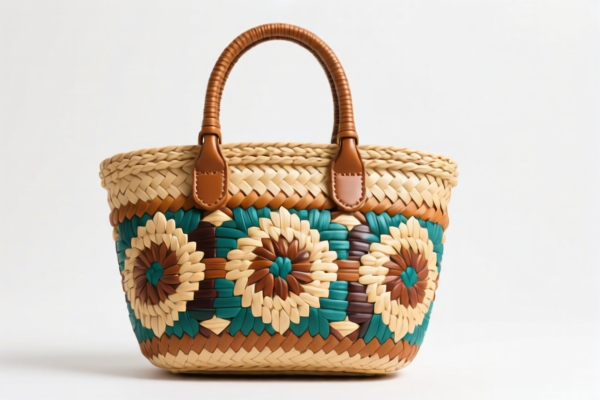
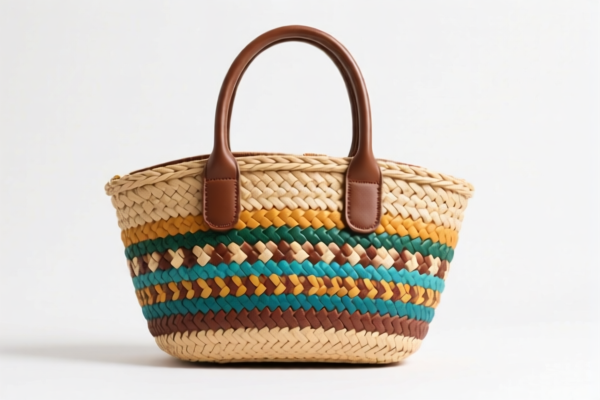
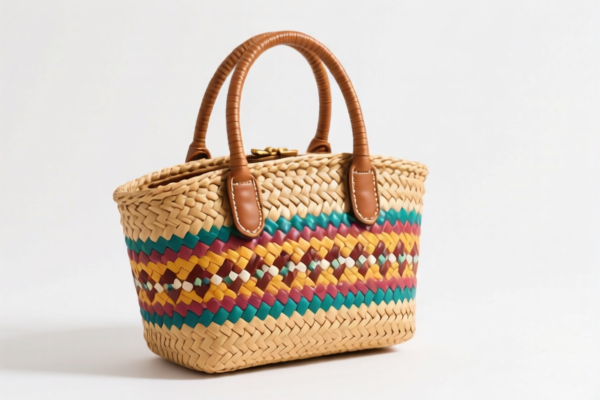
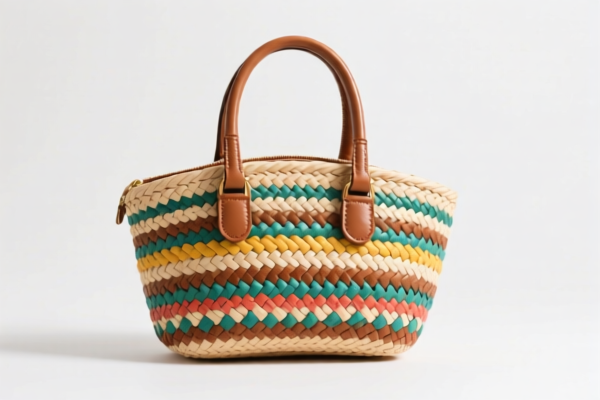
AI Analysis
👜 Colorful Woven Handbag: The Ultimate HS Code & Tax Strategy Guide (2026)
🌐 HS Code Reference & Customs Clearance Guide | Latest 2026 Tariff Analysis | Professional Import Strategy
📌 1. Product Definition & Classification: Do You Really Understand "Woven Handbags"?
A "Colorful Woven Handbag" is a general term that masks significant differences in material composition. In international trade, the material is the decisive factor for HS Code classification, which directly impacts your tariff burden. They are broadly categorized into:
Plant-Material Baskets (Bamboo/Rattan/Vine): Natural, rigid, or semi-rigid woven structures. Textile/Leather/Plastic Bags: Woven synthetic, textile, or leather-based flexible bags.
⚠️ Key Distinction Point:
- If the bag is primarily made of bamboo, rattan, or similar plant stems → It falls under Chapter 46 (Basketwaring).
- If it is made of woven textile, plastic strips, or other materials → It falls under Chapter 42 (Articles of leather; travel goods).
- Note: Misclassification here can lead to a tax difference of up to 36%!
📦 2. HS Code Classification Matrix (Based on Provided Data)
| HS Code | Product Description | Material Composition | Total Tax Rate |
|---|---|---|---|
4602.19.29.20 |
Woven Handbag, Plant Material | Plant materials (non-bamboo/rattan specific) | 40.3% |
4602.11.21.00 |
Woven Handbag, Bamboo/Rattan | Bamboo, Rattan, or similar plant materials | 41.2% |
4202.22.40.20 |
Woven Handbag, Woven Material | General woven material (likely textile/plastic blend) | 42.4% |
4202.22.89.80 |
Woven Handbag, Other Textile | Other textile materials (e.g., synthetic fibers) | 52.6% |
3926.90.33.00 |
Color-Matched Handbag, Plastic/Synthetic | Plastic or Synthetic Materials | 16.5% |
🔍 Critical Insight:
- The most expensive classification is4202.22.89.80at 52.6% (Other Textile).
- The most affordable classification is3926.90.33.00at 16.5% (Plastic/Synthetic), if the material qualifies as plastic/synthetic.
- Bamboo/Rattan (4602.11.21.00) is taxed at 41.2%, slightly higher than other plant materials (4602.19.29.20) at 40.3%.
💰 3. Detailed Tariff Breakdown (2026 Latest Rates)
✅ Applicable Region: United States (US)
✅ Origin: China (CN)
✅ Effective Date: Current US Trade Policies (Section 301 & Section 122)
🎯 1. 4602.11.21.00 – Bamboo/Rattan Woven Handbag
| Item | Detail |
|---|---|
| Base Duty | 6.2% |
| Section 301 Duty | +25.0% |
| Section 122 Duty | +10.0% |
| Total Tax | 41.2% |
| Calculation | CIF Value × 41.2% |
| Legal Basis | USITC Footnotes for Chapter 46 |
📌 Explanation:
- 6.2% Base: Standard Most Favored Nation (MFN) rate for basketware of bamboo/rattan.
- +25% Sec 301: Trade remedy tariffs on Chinese goods.
- +10% Sec 122: Additional tariffs on certain imports under Section 122 of the Trade Expansion Act (often applied to specific strategic or sensitive categories).
- Total: 41.2%. High cost, but necessary for genuine bamboo/rattan products.
🎯 2. 4602.19.29.20 – Woven Handbag, Other Plant Materials
| Item | Detail |
|---|---|
| Base Duty | 5.3% |
| Section 301 Duty | +25.0% |
| Section 122 Duty | +10.0% |
| Total Tax | 40.3% |
| Calculation | CIF Value × 40.3% |
| Legal Basis | USITC Footnotes for Chapter 46 |
📌 Explanation:
- 5.3% Base: Slightly lower base rate for "other" plant materials (e.g., straw, reed, not bamboo/rattan).
- Same Add-ons: 25% (Sec 301) + 10% (Sec 122).
- Total: 40.3%. The cheapest option for plant-based bags, but requires careful material verification.
🎯 3. 4202.22.40.20 – Woven Handbag, Woven Material
| Item | Detail |
|---|---|
| Base Duty | 7.4% |
| Section 301 Duty | +25.0% |
| Section 122 Duty | +10.0% |
| Total Tax | 42.4% |
| Calculation | CIF Value × 42.4% |
| Legal Basis | USITC Footnotes for Chapter 42 |
📌 Explanation:
- 7.4% Base: For articles of a kind normally carried in the hand, of woven materials.
- Total: 42.4%. Standard for mixed-woven or non-textile/non-plastic woven bags.
🎯 4. 4202.22.89.80 – Woven Handbag, Other Textile Materials
| Item | Detail |
|---|---|
| Base Duty | 17.6% |
| Section 301 Duty | +25.0% |
| Section 122 Duty | +10.0% |
| Total Tax | 52.6% |
| Calculation | CIF Value × 52.6% |
| Legal Basis | USITC Footnotes for Chapter 42 |
📌 Explanation:
- 17.6% Base: Significantly higher base rate for "other" textile bags.
- Total: 52.6%. AVOID IF POSSIBLE. This is the most expensive category due to the high base duty. Ensure your product does not fall into this "other textile" category if cheaper alternatives exist.
🎯 5. 3926.90.33.00 – Color-Matched Handbag, Plastic/Synthetic
| Item | Detail |
|---|---|
| Base Duty | 6.5% |
| Section 301 Duty | +0.0% |
| Section 122 Duty | +10.0% |
| Total Tax | 16.5% |
| Calculation | CIF Value × 16.5% |
| Legal Basis | USITC Footnotes for Chapter 39 |
📌 Explanation:
- 6.5% Base: For other articles of plastics.
- +0% Sec 301: CRITICAL! This code is exempt from the 25% Section 301 tariff.
- +10% Sec 122: Still subject to Section 122.
- Total: 16.5%. THE OPTIMAL CHOICE if the bag is made of plastic/synthetic woven materials. This saves ~25-36% in taxes compared to other classifications.
🛠️ 4. Customs Clearance Practical Advice
✅ 1. Material Verification is Key
- Plastic/Synthetic? → Aim for
3926.90.33.00(16.5%). This is the biggest cost saver. - Natural Plant (Bamboo/Rattan)? → Use
4602.11.21.00(41.2%). - Other Plant (Straw/Reed)? → Use
4602.19.29.20(40.3%). - Woven Fabric/Textile? → Avoid
4202.22.89.80(52.6%) if possible; check if it can be classified as4202.22.40.20(42.4%).
✅ 2. Documentation Requirements
| Document | Purpose |
|---|---|
| Material Composition Report | Proof that the bag is made of plastic (for 16.5% rate) or specific plant materials. |
| Product Photos | Show the "woven" texture clearly. For plastic, show the synthetic sheen/mold marks. |
| Commercial Invoice | Clearly state "Woven Handbag" and material type (e.g., "Polypropylene Woven"). |
| HS Code Pre-Ruling | Apply for an advance ruling with CBP to confirm 3926.90.33.00 if you are using synthetic materials. |
✅ 3. Common Pitfalls & Solutions
| Pitfall | Consequence | Solution |
|---|---|---|
| Mislabeling Plastic as "Textile" | Tax jumps from 16.5% to 52.6% | Provide material test reports (e.g., FTIR analysis) proving synthetic composition. |
| Calling Bamboo "Woven Material" | Might be misclassified under Ch 42 | Explicitly state "Bamboo" or "Rattan" in the description and provide product specs. |
| Ignoring Section 122 | Unexpected 10% charge | Always factor in the +10% Sec 122 duty in cost calculations, even for Sec 301-exempt items. |
| Using "Handbag" without Material | Customs may assign highest duty | Always include material in the description: "Woven Plastic Handbag" or "Bamboo Woven Handbag". |
🌍 5. Global Market Comparison (2026)
| Country/Region | Recommended HS Code | Tariff (China Origin) | Key Requirement |
|---|---|---|---|
| 🇺🇸 USA | 3926.90.33.00 |
16.5% (Plastic) 41-52% (Others) |
Material proof is critical for Sec 301 exemption. |
| 🇨🇳 China | 4202.22.40.20 |
~5-10% (Import Duty) | No Section 301/122. Standard import duties apply. |
| 🇪🇺 EU | 4202.22.40.20 |
~12% (Import Duty) | CE marking for safety; no trade war tariffs. |
| 🇬🇧 UK | 4202.22.40.20 |
~12% (Import Duty) | Post-Brexit rules; ensure UKCA compliance. |
📌 Conclusion:
- The USA is the most complex market due to Section 301 and 122 tariffs.
- Plastic/Synthetic woven bags (3926.90.33.00) are the most tariff-efficient for the US market, avoiding the 25% Sec 301 duty.
- Natural plant bags are subject to high tariffs (40%+) regardless of type.
📌 6. Final Recommendations for Importers
- Prioritize Plastic/Synthetic Materials: If feasible, design handbags using woven plastic or synthetic fibers to qualify for
3926.90.33.00(16.5% total tax). This saves ~25-36% compared to textile or plant-based options. - Be Precise in Descriptions: Use "Woven Plastic Handbag" instead of just "Colorful Woven Handbag".
- Apply for Pre-Ruling: If you are unsure if your material qualifies as "Plastic" under
3926.90.33.00, submit a sample and material specs to CBP for an advance ruling. - Avoid "Other Textile" Classification: If your bag is made of woven fabric, try to argue it falls under
4202.22.40.20(42.4%) rather than4202.22.89.80(52.6%) by providing specific material specs that align with the "woven material" subheading.
🎯 Remember:
🔹 "Material is King. Plastic saves 25%. Textile burns 52%. Plant pays 40%."
🔹 "HS Code 3926.90.33.00 is your secret weapon for US imports."
📣 Action Item:
📞 Contact your freight forwarder with the material composition sheet of your handbag.
🚀 Request an HS Code pre-ruling to confirm3926.90.33.00eligibility.
💰 Calculate costs based on 16.5% tax to maximize your profit margin.
✨ Smart Classification = Lower Taxes = Higher Profits!
💼 Don't let tariff complexity drain your business. Optimize now.
Customer Reviews
About HS Code Classification
The Harmonized System (HS) is an internationally standardized nomenclature developed by the World Customs Organization (WCO) to classify traded products. Over 200 countries use the HS system as the basis for customs tariffs, trade statistics, and import/export regulations.
Each HS code follows a hierarchical structure:
- Chapter (2 digits) — Broad category of goods (e.g., Chapter 84: Machinery and Mechanical Appliances)
- Heading (4 digits) — More specific grouping within the chapter
- Subheading (6 digits) — Internationally standardized breakdown, used by all WCO member countries
- National subdivisions (8-10 digits) — Country-specific extensions for further classification, such as US HTSUS 10-digit codes
Correct HS code classification is essential for smooth customs clearance, accurate duty payment, and compliance with trade regulations. Misclassification can lead to customs delays, overpayment of duties, or penalties.
When importing from CN to US, the applicable tariff rates may include:
- Most-Favored-Nation (MFN) rate — The standard duty rate applied to WTO members
- General rate — Applied to countries without trade agreements
- Trade remedy duties — Additional tariffs such as Section 301 (anti-dumping), Section 232 (national security), or countervailing duties
The information provided on this page is for reference purposes only. For official classification, please consult with your local customs authority or a licensed customs broker.