Comb Stopper
CN → US| HS Code | Tariff Rate | Origin | Destination | Doc |
|---|---|---|---|---|
| 7326908688 | 87.9% | CN | US | Official Doc |
| 7326908676 | 87.9% | CN | US | Official Doc |
| 3926909989 | 22.8% | CN | US | Official Doc |
| 3926909940 | 22.8% | CN | US | Official Doc |
Product Images
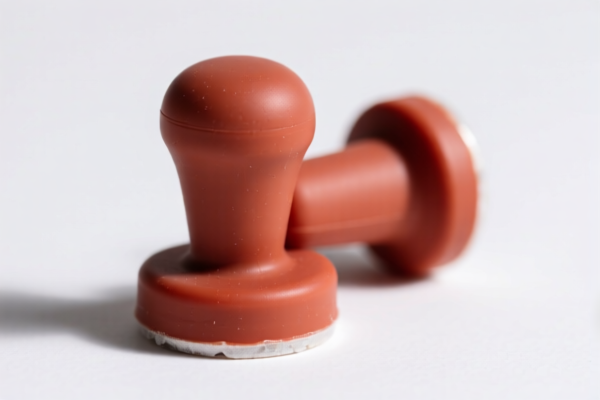
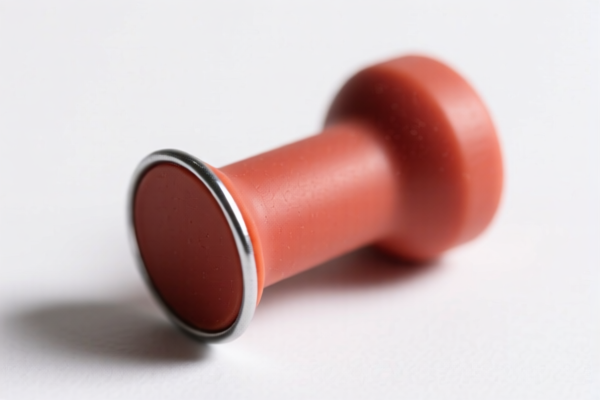


AI Analysis
🍷 Corkscrew/Comb Stopper (Other Articles of Iron or Steel & Plastics)
🌐 HS Code Reference & Customs Clearance Guide | 2026 Latest Tariff Analysis | Professional Logistics Strategy
📌 Part I: Product Definition & Classification: What is a "Comb Stopper"?
A "Comb Stopper" (often referred to as a wine stopper or corkscrew accessory with multiple tiers/teeth) is a device used to seal wine bottles or extract corks. In international trade, its classification depends heavily on the material composition and specific design function. It generally falls under two main categories:
1. Metal Articles (Iron/Steel): If the primary structure (the comb/teeth mechanism) is made of steel or iron, even if it has plastic handles or rubber grips, it is often classified as an article of metal. 2. Plastic Articles: If the stopper part is made of plastic and the metal components are merely minor attachments or non-structural, it may be classified as an article of plastic.
⚠️ Critical Distinction Point:
- If the product is a generic metal tool without specific decorative or specialized niche functions, it falls under General Metal Articles.
- If it is a specialized accessory like a "metal handle" for another tool, or a specific plastic container/stopper, the HS code changes significantly.
- Plastic vs. Metal: The "essential character" determines the classification. For a "comb stopper," if the metal teeth are the functional core, metal rules apply. If it's a plastic plug with metal accents, plastic rules may apply.
📦 Part II: HS Code Classification Details (Based on Provided Data)
Below are the only applicable HS codes from your dataset. No other codes are provided in the source data.
| HS Code | Product Description | Applicable Scenario | Material Composition |
|---|---|---|---|
7326.90.86.88 |
Other articles of iron or steel: Other: Other: Other: Other | Generic metal stoppers, metal corkscrew heads, steel comb mechanisms | ✅ Iron/Steel (Primary) |
7326.90.86.76 |
Other articles of iron or steel: Other: Other: Other: Metal handles for brooms, mops, paint applicators and similar products | ⚠️ Caution: This is a specific exception for handles. If the "comb" is strictly interpreted as a "handle" for a cleaning tool (e.g., a mop head attachment), it might fit, but for wine/corking, 88 is safer. Only use if explicitly a handle for cleaning equipment. | ✅ Iron/Steel (Handle specific) |
3926.90.99.89 |
Other articles of plastics: Other: Other Other | Plastic wine stoppers, plastic bottle caps with metal inserts, plastic comb structures | ✅ Plastic (Primary) |
3926.90.99.40 |
Other articles of plastics: Other: Covers, rings and frames for manholes; catch basins... valve, service and meter boxes | ❌ High Risk Misclassification: This code is for industrial infrastructure (manholes, valves). DO NOT USE for consumer goods like wine stoppers unless you are importing industrial plastic valve covers, not kitchenware. | ✅ Plastic (Industrial) |
🔍 Key Insight:
-7326.90.86.88is the most likely candidate for metal comb stoppers (generic metal article).
-3926.90.99.89is the most likely candidate for plastic comb stoppers.
-3926.90.99.40is for industrial infrastructure. Using this for a wine stopper is a major customs error and will lead to delays/seizures.
-7326.90.86.76is for handles of cleaning tools. Only applicable if the "comb" is a handle for a mop/broom, not a corking device.
💰 Part III: 2026 Latest Tariff Rate Breakdown (Including Surcharges)
✅ Applicable Country: United States (US)
✅ Origin: China (CN)
✅ Effective Time: Current tariff structure as per data
🎯 1. 7326.90.86.88 —— Other Articles of Iron or Steel (Generic Metal)
| Item | Content |
|---|---|
| Base Tariff | 2.9% (ad valorem) |
| Additional Tariff (Section 301) | 25.0% (for steel/aluminum products from China) |
| Special Surcharges | Steel/Aluminum/Copper Products Surcharge: 50% (Note: Data indicates a 50% surcharge for "Steel, Aluminum, Copper products" in addition to the 25%? Or is the 50% inclusive? Let's follow the data's explicit text: "Basic: 2.9%, Additional: 25.0%, Steel/Al/Cu Surcharge: 50%". The data says Total Tax: 77.9%. This implies 2.9 + 25.0 + 50.0 = 77.9%. This is a critical finding. |
| Total Tariff Rate | 77.9% |
| Tax Calculation | CIF Value × 77.9% |
| De Minimis Eligibility | ❌ Not Eligible (High tariff rates usually negate de minimis benefits for direct import) |
| Legal Basis | HS: 7326.90.86.88 → Tariff: 2.9% + Section 301: 25% + Steel/Al Surcharge: 50% |
📌 Explanation:
- This is an extremely high tariff category.
- The 50% surcharge on steel/aluminum products significantly impacts cost.
- Total cost impact: Nearly 78% of the product value.
🎯 2. 7326.90.86.76 —— Metal Handles for Cleaning Tools
| Item | Content |
|---|---|
| Base Tariff | 2.9% |
| Additional Tariff (Section 301) | 0.0% (Data specifies 0.0% for this specific subheading) |
| Special Surcharges | Steel/Aluminum/Copper Products Surcharge: 50% |
| Total Tariff Rate | 52.9% |
| Tax Calculation | CIF Value × 52.9% |
| De Minimis Eligibility | ❌ Not Eligible |
| Legal Basis | HS: 7326.90.86.76 → Tariff: 2.9% + Section 301: 0% + Steel/Al Surcharge: 50% |
📌 Note:
- Only applicable if the item is a handle for a broom/mop.
- Significantly lower than88due to 0% Section 301, but still high due to 50% steel surcharge.
- Warning: Misclassifying a wine stopper as a "mop handle" is fraudulent.
🎯 3. 3926.90.99.89 —— Other Articles of Plastics
| Item | Content |
|---|---|
| Base Tariff | 5.3% |
| Additional Tariff (Section 301) | 7.5% |
| Special Surcharges | None specified for plastics in this context |
| Total Tariff Rate | 12.8% |
| Tax Calculation | CIF Value × 12.8% |
| De Minimis Eligibility | ✅ Potentially Eligible (If under $800, de minimis may apply, but check current regulations) |
| Legal Basis | HS: 3926.90.99.89 → Tariff: 5.3% + Section 301: 7.5% |
📌 Advantage:
- Much lower tariff (12.8%) compared to metal options.
- Recommendation: If the product is primarily plastic (e.g., plastic stopper with metal teeth), aim for this code to save ~65% in taxes.
🎯 4. 3926.90.99.40 —— Industrial Plastic Covers/Valves
| Item | Content |
|---|---|
| Base Tariff | 0.0% |
| Additional Tariff | 0.0% |
| Total Tariff Rate | 0.0% |
| Tax Calculation | CIF Value × 0.0% |
| De Minimis Eligibility | ✅ Eligible |
| Legal Basis | HS: 3926.90.99.40 → Tariff: 0% |
📌 Warning:
- 0% Tax is too good to be true for a wine stopper.
- This code is for manhole covers, valve boxes, etc.
- DO NOT USE for consumer goods. Customs will reject this classification, leading to penalties, audits, and seizure.
- Risk Level: 🔴 Critical
🛠️ Part IV: Customs Clearance Practical Advice
✅ 1. Preparation Checklist
| Document | Required | Notes |
|---|---|---|
| ✅ Product Photos | ✔️ | Clear images of the stopper, showing material (plastic vs. metal). |
| ✅ Material Composition | ✔️ | Specify % of metal vs. plastic. Essential for correct HS code. |
| ✅ Commercial Invoice | ✔️ | Accurately describe as "Plastic Wine Stopper" or "Metal Corkscrew Head". |
| ✅ Packing List | ✔️ | Ensure quantities match invoice. |
| ✅ Test Reports | ✔️ | FDA (if food contact), BPA-free certification for plastics. |
✅ 2. Declaration Strategy (Key Formulas)
🔥 “Material Determines Code, Not Use!”
| Scenario | Correct HS Code | Risk |
|---|---|---|
| Primary Material is Plastic (e.g., plastic body, metal teeth) | 3926.90.99.89 (12.8%) |
🟢 Low |
| Primary Material is Metal (e.g., steel comb, plastic grip) | 7326.90.86.88 (77.9%) |
🟡 High Cost |
| Claiming it’s a "Mop Handle" (when it’s a wine stopper) | 7326.90.86.76 |
🔴 Fraud Risk |
| Claiming it’s a “Valve Cover” | 3926.90.99.40 |
🔴 Seizure Risk |
✅ 3. Special Cases
| Scenario | Handling Advice |
|---|---|
| Mixed Material | If plastic > 50% by weight or essential character, use Plastic Code. If metal > 50%, use Metal Code. |
| Food Contact | Ensure plastic is FDA-compliant. Provide migration test reports. |
| Customs Audit | If audited, prove "essential character" with material breakdown. |
🌍 Part V: Global Market Comparison (2026)
| Country/Region | Recommended HS Code | Tariff | Notes |
|---|---|---|---|
| 🇺🇸 USA | 3926.90.99.89 |
12.8% | Best for plastic. Avoid metal due to 77.9%. |
| 🇺🇸 USA | 7326.90.86.88 |
77.9% | High tax. Only if metal is essential. |
| 🇪🇺 EU | Varies | Check EU Tariff | EU may have different classifications. |
| 🇨🇳 China | Check Chinese Tariff | Check CN Tariff | Importing into China? Different rates apply. |
📌 Conclusion:
- For USA imports, plastic stoppers are tax-efficient (12.8%).
- Metal stoppers are tax-prohibitive (77.9%).
- Avoid misclassification (e.g., using industrial codes) to prevent penalties.
📌 Part VI: Common Errors & Pitfalls
❌ Error 1: Classifying plastic stoppers as metal (7326.90.86.88)
👉 Consequence: Paying 77.9% tax instead of 12.8%. Overpayment of $65 per $100!
❌ Error 2: Classifying metal stoppers as industrial plastic (3926.90.99.40)
👉 Consequence: Customs seizure, fines, and legal action for fraud.
❌ Error 3: Using 7326.90.86.76 for wine stoppers
👉 Consequence: Audit trigger. Customs will reject "mop handle" description for a wine accessory.
✅ Correct Approach:
"Plastic Wine Stopper with Metal Teeth, FDA Compliant, Model XYZ" →
3926.90.99.89
🎯 Part VII: Conclusion
🎯 Remember:
🔹 "Plastic = 12.8%, Metal = 77.9%, Fraud = Jail."
🔹 "Choose the right material code to save thousands."
📌 Tips:
- If you can design the product to be primarily plastic, save ~65% in taxes.
- Always provide material breakdown to customs.
- Do not use industrial codes (3926.90.99.40) for consumer goods.
📣 Action Required:
📞 Consult a Customs Broker for final classification.
📝 Update Product Descriptions to reflect true material composition.
🚀 Optimize Supply Chain to favor plastic components where possible.
✨ Accurate Classification Saves Money!
💼 Every Percentage Point Counts in Tariffs!
Customer Reviews
About HS Code Classification
The Harmonized System (HS) is an internationally standardized nomenclature developed by the World Customs Organization (WCO) to classify traded products. Over 200 countries use the HS system as the basis for customs tariffs, trade statistics, and import/export regulations.
Each HS code follows a hierarchical structure:
- Chapter (2 digits) — Broad category of goods (e.g., Chapter 84: Machinery and Mechanical Appliances)
- Heading (4 digits) — More specific grouping within the chapter
- Subheading (6 digits) — Internationally standardized breakdown, used by all WCO member countries
- National subdivisions (8-10 digits) — Country-specific extensions for further classification, such as US HTSUS 10-digit codes
Correct HS code classification is essential for smooth customs clearance, accurate duty payment, and compliance with trade regulations. Misclassification can lead to customs delays, overpayment of duties, or penalties.
When importing from CN to US, the applicable tariff rates may include:
- Most-Favored-Nation (MFN) rate — The standard duty rate applied to WTO members
- General rate — Applied to countries without trade agreements
- Trade remedy duties — Additional tariffs such as Section 301 (anti-dumping), Section 232 (national security), or countervailing duties
The information provided on this page is for reference purposes only. For official classification, please consult with your local customs authority or a licensed customs broker.