Combination Padlock
CN → US| HS Code | Tariff Rate | Origin | Destination | Doc |
|---|---|---|---|---|
| 8302419045 | 38.5% | CN | US | Official Doc |
| 8301406030 | 23.2% | CN | US | Official Doc |
| 7326908688 | 87.9% | CN | US | Official Doc |
| 7326908676 | 87.9% | CN | US | Official Doc |
| 8301300090 | 23.2% | CN | US | Official Doc |
Product Images
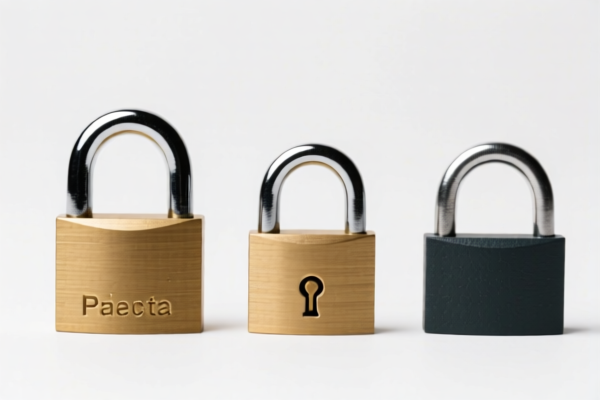

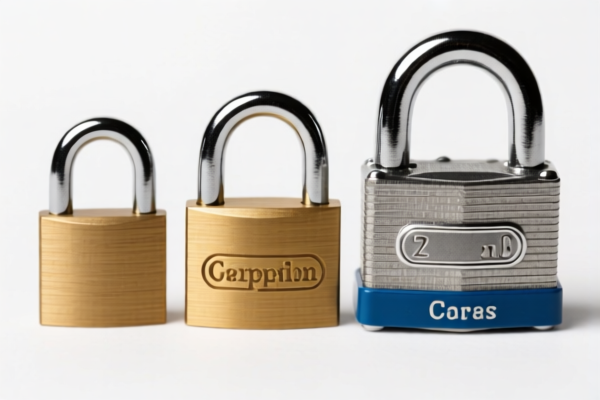

AI Analysis
🔒 Combination Padlock (The Ultimate Security Gatekeeper)
🌐 HS Code Reference & Customs Clearance Guide | 2026 Latest Tariff Analysis | Professional Clearance Strategy
📌 1. Product Definition & Classification: What Exactly Is a "Combination Padlock"?
A combination padlock is a type of locking device that uses a sequence of numbers, symbols, or patterns to unlock, rather than a physical key. In international trade, classification depends heavily on material composition and specific application (e.g., luggage, gym lockers, industrial gates, or building fixtures).
Key Distinction Points: * General Purpose/Luggage Locks: Often classified under 8301 (Padlocks and locks; keys) if made of base metals and used for general security. * Building/Hardware Fixtures: If permanently installed or designed for architectural use (doors, gates), they may fall under 8302 (Base metal mountings, fittings and similar articles). * Generic Metal Products: If deemed "other articles of iron or steel" due to manufacturing complexity or specific material mix, they might be misclassified under 7326 (Other articles of iron or steel), leading to significantly higher tariffs.
⚠️ Critical Warning:
- Misclassifying a building fixture as a general lock (or vice versa) can lead to major tariff discrepancies.
- Steel/Iron classifications (7326) often attract much higher tariffs due to trade remedy measures (e.g., Section 201/301 duties on steel/aluminum products).
📦 2. HS Code Classification Matrix (2026 Latest Tariff Data)
| HS Code | Product Description | Application Scenario | Material Focus | Risk Level |
|---|---|---|---|---|
8302.41.90.45 |
Base metal mountings/fittings for buildings (Locks) | Building doors, gates, architectural fixtures | Base Metal | 🟡 Medium |
8301.40.60.30 |
Padlocks & locks, of base metal | Luggage, gym lockers, general security | Base Metal | 🟢 Low |
8301.30.00.90 |
Padlocks & locks, of base metal (Furniture/Building) | Furniture locks, architectural hardware | Base Metal | 🟢 Low |
7326.90.86.88 |
Other articles of iron/steel | Generic metal items, poorly defined locks | Steel/Aluminum/Copper | 🔴 High |
7326.90.86.76 |
Other articles of iron/steel (Parts/Products) | Steel-made locks not specifically listed | Steel | 🔴 High |
🔍 Key Insight:
-8301series is generally the safest and most cost-effective for standard combination padlocks (luggage, general use).
-8302series applies if the lock is considered a building accessory.
-7326series is dangerous due to 50% additional tariffs on steel/aluminum/copper products under Section 232, pushing total duties to nearly 88%. Avoid this unless explicitly required by customs.
💰 3. 2026 Tariff Rate Breakdown (Detailed & Transparent)
✅ Applicable Country: United States (US)
✅ Origin: China (CN)
✅ Effective Date: 2025–2026 (Current Trade Environment)
🎯 1. 8302.41.90.45 – Base Metal Mountings (Building Accessories)
| Item | Details |
|---|---|
| Basic Tariff | 3.5% |
| Additional Duty (Section 301) | 25.0% |
| Section 122 Duty | 10.0% |
| Total Effective Rate | 38.5% |
| Tax Calculation | CIF Value × 38.5% |
| De Minimis Exemption? | ❌ No |
| Legal Basis | HTSUS 8302.41.90.45 + Section 301 Footnotes |
📌 Explanation:
- This code is for locks used as building fittings.
- The 38.5% rate is moderate compared to steel goods.
- Includes Section 122 duties (if applicable to specific country of origin trade policies).
🎯 2. 8301.40.60.30 – Padlocks & Locks (General Use)
| Item | Details |
|---|---|
| Basic Tariff | 5.7% |
| Additional Duty (Section 301) | 7.5% |
| Section 122 Duty | 10.0% |
| Total Effective Rate | 23.2% |
| Tax Calculation | CIF Value × 23.2% |
| De Minimis Exemption? | ❌ No |
| Legal Basis | HTSUS 8301.40.60.30 + Section 301 Footnotes |
📌 Explanation:
- Best option for standard combination padlocks (luggage, gym, general purpose).
- Lowest total duty (23.2%) among the valid classifications.
- Section 301 duty is only 7.5% (vs. 25% for other categories), making it significantly cheaper.
🎯 3. 8301.30.00.90 – Padlocks & Locks (Furniture/Building)
| Item | Details |
|---|---|
| Basic Tariff | 5.7% |
| Additional Duty (Section 301) | 7.5% |
| Section 122 Duty | 10.0% |
| Total Effective Rate | 23.2% |
| Tax Calculation | CIF Value × 23.2% |
| De Minimis Exemption? | ❌ No |
| Legal Basis | HTSUS 8301.30.00.90 |
📌 Explanation:
- Similar to8301.40.60.30in terms of duty.
- Use if the lock is specifically marketed for furniture (e.g., lockers, cabinets).
🎯 4. 7326.90.86.88 – Other Articles of Iron/Steel
| Item | Details |
|---|---|
| Basic Tariff | 2.9% |
| Additional Duty (Section 301) | 25.0% |
| Section 122 Duty | 10.0% |
| Steel/Aluminum/Copper Surcharge | 50.0% |
| Total Effective Rate | 87.9% |
| Tax Calculation | CIF Value × 87.9% |
| De Minimis Exemption? | ❌ No |
| Legal Basis | HTSUS 7326.90.86.88 + Section 232 & 301 |
📌 Explanation:
- AVOID THIS CODE IF POSSIBLE.
- The 50% steel/aluminum/copper surcharge under Section 232 makes this extremely expensive.
- Only use if the lock is not a "lock" per HTSUS Chapter 83 but is classified as a generic steel part (rare and risky).
🎯 5. 7326.90.86.76 – Other Articles of Iron/Steel (Parts)
| Item | Details |
|---|---|
| Basic Tariff | 2.9% |
| Additional Duty (Section 301) | 25.0% |
| Section 122 Duty | 10.0% |
| Steel/Aluminum/Copper Surcharge | 50.0% |
| Total Effective Rate | 87.9% |
| Tax Calculation | CIF Value × 87.9% |
| De Minimis Exemption? | ❌ No |
| Legal Basis | HTSUS 7326.90.86.76 |
📌 Explanation:
- Same high-risk profile as7326.90.86.88.
- Do not use unless explicitly advised by a customs broker for a specific non-lock product.
🛠️ 4. Customs Clearance Practical Advice
✅ 1. Required Documentation
| Document | Mandatory? | Notes |
|---|---|---|
| ✅ Product Description | ✔️ | Must clearly state "Combination Padlock," material, and use (e.g., "for luggage"). |
| ✅ Material Breakdown | ✔️ | Specify % of steel, brass, zinc alloy, etc. |
| ✅ Usage Statement | ✔️ | "General security use," "Luggage," or "Building fixture." |
| ✅ Commercial Invoice | ✔️ | Must match HS Code exactly. |
| ✅ Packing List | ✔️ | Detail dimensions, weight, and package count. |
| ✅ Certifications | ⚠️ | If applicable (e.g., ASTM, EN standards for security locks). |
✅ 2. Classification Strategy (Critical!)
🔥 Golden Rule:
"Use 8301 for general locks, 8302 for building fixtures, NEVER 7326 unless forced."
| Scenario | Recommended HS Code | Total Duty | Why? |
|---|---|---|---|
| Luggage/Gym/General Use | 8301.40.60.30 |
23.2% | Lowest duty, clear classification under "Padlocks." |
| Furniture/Cabinet Lock | 8301.30.00.90 |
23.2% | Same low duty, appropriate for furniture context. |
| Building Door/Gate Lock | 8302.41.90.45 |
38.5% | Slightly higher due to "building mounting" classification. |
| Misclassified Steel Part | 7326.90.86.88 |
87.9% | ❌ Avoid: Triggers steel surcharges. |
✅ 3. Common Pitfalls & Solutions
| Mistake | Consequence | Solution |
|---|---|---|
| Using "Steel Lock" as description | Risk of 7326 classification → 87.9% duty |
Use "Combination Padlock of Base Metal" |
| Ignoring material % | Customs may reclassify | Provide material composition in invoice |
| Using generic terms | Delays in clearance | Be specific: "Brass combination padlock, 3-digit" |
| Not declaring Section 301/122 | Unexpected fees | Pre-calculate taxes using 23.2% or 38.5% |
🌍 5. Global Market Comparison (2026)
| Country | Recommended HS Code | Duty Rate | Notes |
|---|---|---|---|
| 🇺🇸 USA | 8301.40.60.30 |
23.2% | Lowest duty for general locks |
| 🇪🇺 EU | 8301.40 |
~2.5% | No additional trade duties |
| 🇨🇳 China | 8301.40 |
~5% | Standard import duty |
| 🇬🇧 UK | 8301.40 |
~2.5% | Post-Brexit tariffs |
| 🇦🇺 Australia | 8301.40 |
~5% | Standard GST applies |
📌 Conclusion:
- USA is the most complex market due to Section 301/232 duties.
- Always choose8301for general-use combination padlocks to minimize costs.
- Avoid7326unless absolutely necessary, as it triples your tax burden.
📌 6. Final Tips for Smooth Clearance
- Pre-Ruling: Apply for an ISD (International Trade Administration) Pre-Ruling if unsure about
8301vs.8302. - Material Disclosure: Clearly state "Base Metal" (not just "Metal") to justify Chapter 83 classification.
- Avoid "Steel" in Description: Use "Brass," "Zinc Alloy," or "Base Metal" to avoid triggering Section 232 steel surcharges.
- Package Clearly: Label as "Combination Padlock – Not for Building Security Use" if aiming for
8301.
🎯 Conclusion: Save Money, Stay Compliant!
🔑 Key Takeaway:
"For combination padlocks,
8301.40.60.30is your best friend (23.2% duty).8302is your backup (38.5%).7326is your nightmare (87.9%)."
🚀 Action Plan:
1. Confirm Material: Ensure it’s base metal, not pure steel.
2. Define Use: General/luggage → 8301. Building → 8302.
3. Document Clearly: Use precise language on invoices.
4. Consult Broker: Always verify with a licensed customs broker before shipping.
✨ Smart Classification = Smarter Profits!
💼 Don’t let tariffs lock up your business – choose the right HS Code!
Customer Reviews
About HS Code Classification
The Harmonized System (HS) is an internationally standardized nomenclature developed by the World Customs Organization (WCO) to classify traded products. Over 200 countries use the HS system as the basis for customs tariffs, trade statistics, and import/export regulations.
Each HS code follows a hierarchical structure:
- Chapter (2 digits) — Broad category of goods (e.g., Chapter 84: Machinery and Mechanical Appliances)
- Heading (4 digits) — More specific grouping within the chapter
- Subheading (6 digits) — Internationally standardized breakdown, used by all WCO member countries
- National subdivisions (8-10 digits) — Country-specific extensions for further classification, such as US HTSUS 10-digit codes
Correct HS code classification is essential for smooth customs clearance, accurate duty payment, and compliance with trade regulations. Misclassification can lead to customs delays, overpayment of duties, or penalties.
When importing from CN to US, the applicable tariff rates may include:
- Most-Favored-Nation (MFN) rate — The standard duty rate applied to WTO members
- General rate — Applied to countries without trade agreements
- Trade remedy duties — Additional tariffs such as Section 301 (anti-dumping), Section 232 (national security), or countervailing duties
The information provided on this page is for reference purposes only. For official classification, please consult with your local customs authority or a licensed customs broker.