Commemorative Card Album
CN → US| HS Code | Tariff Rate | Origin | Destination | Doc |
|---|---|---|---|---|
| 4820500000 | 35.0% | CN | US | Official Doc |
| 3926904800 | 13.4% | CN | US | Official Doc |
| 3926908700 | 40.3% | CN | US | Official Doc |
| 4202929315 | 52.6% | CN | US | Official Doc |
| 4202929700 | 52.6% | CN | US | Official Doc |
Product Images
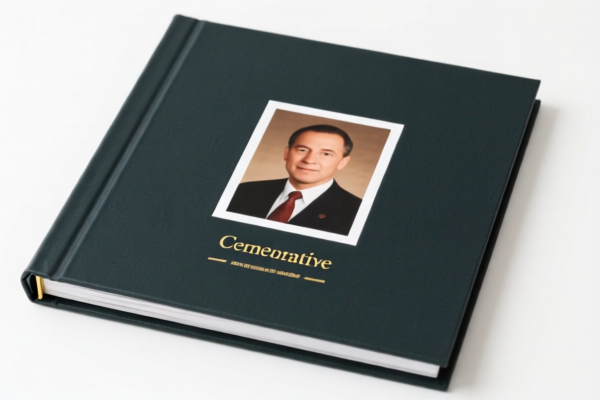
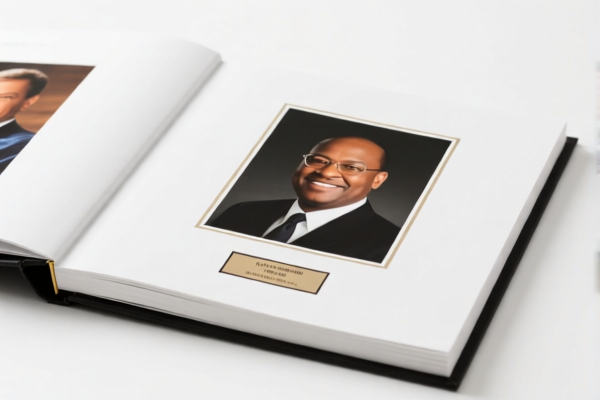
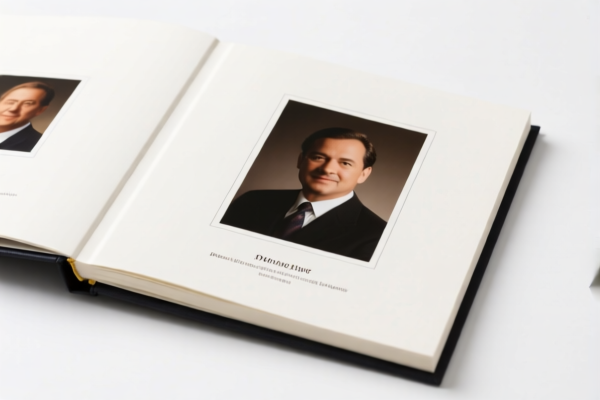

AI Analysis
📒 Commemorative Card Album (Memorabilia & Collectibles)
🌐 HS Code Reference & Customs Clearance Guide | 2026 Latest Tariff Analysis | Professional Clearance Strategy
📌 I. Product Definition & Classification: What is a "Commemorative Card Album"?
A Commemorative Card Album is a specialized storage and display container designed for trading cards, sports cards, or collectible memorabilia. In international trade, its classification depends entirely on its material composition, primary function, and physical form.
Key Classification Drivers:
1. Material: Is it primarily paper/cardboard, plastic, or textile/leather?
2. Structure: Is it a bound book-like item (Chapter 48), a plastic article (Chapter 39), or a general container (Chapter 42)?
3. Purpose: Is it for sample display, collection, or general document filing?
⚠️ Critical Distinction:
- If made of Paper/Cardboard and structured as a book/album → Chapter 48
- If made of Plastic (even with paper pages) → Chapter 39
- If made of Textile/Leather or general materials not specified elsewhere → Chapter 42
📦 II. HS Code Classification Details (2026 Latest Tariff Reference)
| HS Code | Product Description | Applicable Scenario | Primary Material | Tax Rate (Total) |
|---|---|---|---|---|
4820.90.00.00 |
Paper/Cardboard Albums: Other | General paper-based card albums, sample books, or collection albums | Paper/Cardboard | 35.0% |
4820.50.00.00 |
Paper/Cardboard Albums: Notebooks & Order Books | Card albums structured specifically as "notebooks" or "order books" for samples/collections | Paper/Cardboard | 35.0% |
3926.90.48.00 |
Other Plastic Articles: Other | Plastic card albums, photo albums, or binders not specified elsewhere | Plastic (e.g., PVC/PP sleeves) | 13.4% |
3926.90.87.00 |
Other Plastic Articles: Other | Plastic file folders or binders made of plastic (e.g., transparent inner pages/shells) | Plastic | 40.3% |
4202.92.93.15 |
Articles of Apparel Accessories: Other | Card albums made of textile or leather materials, or general "other containers" | Textile/Leather/Paper mix | 52.6% |
🔍 Key Insight:
- Paper/Cardboard Albums (4820.xx) and Plastic File Binders (3926.90.87) attract high tariffs due to Section 301 (25% additional) and Section 122 (10% additional) tariffs targeting Chinese goods.
- General Plastic Albums (3926.90.48) have a lower base tariff (3.4%) but still face Section 122 tariffs, resulting in a moderate total rate of 13.4%.
- Premium/Textile Albums (4202.92.93.15) face the highest total tariff (52.6%) due to high base rates (17.6%) plus all附加 taxes.
💰 III. 2026 Latest Tariff Rate Breakdown (Including Surcharges & Policy Add-ons)
✅ Applicable Country: United States (US)
✅ Country of Origin: China (CN)
✅ Effective Date: 2025/2026 (Current Tariff Regime)
🎯 1. 4820.90.00.00 & 4820.50.00.00 —— Paper/Cardboard Albums
| Item | Content |
|---|---|
| Base Tariff | 0% (ad valorem) |
| Section 301 Tariff | +25% (USITC Footnote 9903.88.01) |
| Section 122 Tariff | +10% (Trade Act of 1962, Section 122) |
| Total Tariff | 35.0% |
| Calculation | CIF Value × 35% |
| De Minimis Exemption | ❌ Not Eligible (Deny de minimis for Section 301/122 goods) |
| Legal Path | HTSUS:4820.90.00.00 → Section 301: 9903.88.01 → Section 122: 10% |
📌 Explanation:
- Despite a 0% base tariff, the 25% Section 301 tariff is applied because paper/cardboard albums are considered Chinese-origin imports under current trade policies.
- The 10% Section 122 tariff is added for national security/consumer product concerns.
- Total Cost Impact: High. Importers must budget for 35% duty on CIF value.
🎯 2. 3926.90.48.00 —— Other Plastic Articles (General Plastic Albums)
| Item | Content |
|---|---|
| Base Tariff | 3.4% |
| Section 301 Tariff | 0% (Not listed in Section 301 exclusion list for this specific subheading) |
| Section 122 Tariff | +10% |
| Total Tariff | 13.4% |
| Calculation | CIF Value × 13.4% |
| De Minimis Exemption | ❌ Not Eligible (Section 122 applies) |
| Legal Path | HTSUS:3926.90.48.00 → Section 122: 10% |
📌 Note:
- This is the most tariff-efficient option for plastic card albums.
- No Section 301 (25%) tariff applies to this specific plastic subheading, saving 25% compared to paper albums.
- Warning: Must ensure the product is classified as "Other" plastic articles and not as "Filing Equipment" (which might trigger different tariffs).
🎯 3. 3926.90.87.00 —— Other Plastic Articles (Plastic File Folders/Binders)
| Item | Content |
|---|---|
| Base Tariff | 5.3% |
| Section 301 Tariff | +25% |
| Section 122 Tariff | +10% |
| Total Tariff | 40.3% |
| Calculation | CIF Value × 40.3% |
| De Minimis Exemption | ❌ Not Eligible |
| Legal Path | HTSUS:3926.90.87.00 → Section 301: 9903.88.01 → Section 122: 10% |
📌 Explanation:
- If the album is strictly defined as a "file folder" or "binder" made of plastic, it falls under this higher-tariff category.
- Crucial: Avoid misclassifying a plastic card album as a "file folder" if it is clearly an "album" for collectibles, to potentially benefit from3926.90.48.00(13.4%).
🎯 4. 4202.92.93.15 —— Articles of Apparel Accessories (Premium/Textile Albums)
| Item | Content |
|---|---|
| Base Tariff | 17.6% |
| Section 301 Tariff | +25% |
| Section 122 Tariff | +10% |
| Total Tariff | 52.6% |
| Calculation | CIF Value × 52.6% |
| De Minimis Exemption | ❌ Not Eligible |
| Legal Path | HTSUS:4202.92.93.15 → Section 301: 9903.88.01 → Section 122: 10% |
📌 Note:
- This applies to high-end, luxury, or textile-based card albums (e.g., leather-bound, fabric-covered).
- Highest Cost: This is the most expensive classification due to the high base rate. Only use if the product genuinely fits the description of "other containers" made of textile/leather.
🛠️ IV. Customs Clearance Practical Advice (Avoid Pitfalls)
✅ 1. Required Documentation Checklist
| Document | Mandatory? | Description |
|---|---|---|
| ✅ Product Specification Sheet | ✔️ | Must detail material (Paper/Plastic/Textile), dimensions, and contents |
| ✅ Product Photos | ✔️ | Show front, back, and interior structure (e.g., plastic sleeves vs. paper pockets) |
| ✅ Commercial Invoice | ✔️ | Clearly state "Commemorative Card Album" and material |
| ✅ Bill of Lading/Air Waybill | ✔️ | Standard shipping docs |
| ✅ Material Declaration | ✔️ | Explicitly state "100% Paper" or "PVC Plastic" to support HS Code choice |
✅ 2. Classification Strategy & Tips
🔥 "Material is King: Paper=35%, Plastic=13.4%, Textile=52.6%"
| Scenario | Recommended HS Code | Reason |
|---|---|---|
| Standard Paper/Cardboard Album | 4820.90.00.00 |
Most common for paper-based card books. Tariff: 35%. |
| Plastic Page Sleeves + Cardboard Cover | 4820.90.00.00 |
If the primary structure is cardboard, it may still qualify as paper article. Risk: Could be challenged as plastic. |
| All-Plastic Album (PVC/PP) | 3926.90.48.00 |
Best Option for low tariff. Ensure it's not a "file folder." Tariff: 13.4%. |
| Plastic Filing Binder | 3926.90.87.00 |
Avoid this if possible. High tariff (40.3%). |
| Leather/Fabric Album | 4202.92.93.15 |
Only for premium goods. High tariff (52.6%). |
📌 Critical Advice:
- Do NOT ship paper albums declared as plastic to avoid taxes. This is customs fraud and leads to severe penalties.
- Do NOT ship plastic albums declared as paper. This may result in lower duty initially but will be audited and backcharged with 35% vs. 13.4% difference.
- Pre-Submission: If your product is borderline (e.g., plastic sleeves on cardboard), consider applying for a Binding Tariff Information (BTI) or Advance Ruling from CBP to confirm if it falls under4820(Paper) or3926(Plastic).
✅ 3. Special Cases
| Case | Handling Suggestion |
|---|---|
| Mixed Material (Paper + Plastic) | Declare based on essential character. If plastic sleeves are the main feature, 3926.90.48.00 might be argued. However, 4820 is safer for paper-heavy structures. |
| Sample Books vs. Collection Albums | Both fall under 4820. Ensure the description matches the function. |
| De Minimis (Section 321) | ❌ Not Eligible. All these HS Codes are subject to Section 122 or 301 tariffs, which void the $800 de minimis exemption. |
🌍 V. Global Market Comparison (2026)
| Market | Recommended HS Code | Total Tariff (China Origin) | Key Requirement |
|---|---|---|---|
| 🇺🇸 USA | 4820.90.00.00 (Paper) / 3926.90.48.00 (Plastic) |
35% / 13.4% | Section 301 & 122 apply. No de minimis. |
| 🇨🇳 China | 4820.90.00.00 |
5-10% (Import Duty) | Standard import VAT (13%). |
| 🇪🇺 EU | 4820.90.00.00 |
6.5% + VAT | No Section 301/122. Standard EU tariffs. |
| 🇬🇧 UK | 4820.90.00.00 |
6.5% + VAT | Post-Brexit tariffs. |
📌 Conclusion:
- USA is the most expensive market due to political tariffs (Section 301/122).
- Plastic albums (3926.90.48.00) offer significant savings (13.4% vs 35%) if the product is indeed plastic.
- Paper albums are unavoidable for traditional card books but incur high duties.
📌 VI. Common Errors & Pitfalls (Lessons Learned)
❌ Error 1: Declaring a Plastic Album as 4820.90.00.00 (Paper)
👉 Consequence: If caught, you save 13.4% now but face back taxes + penalties (35% vs 13.4%). CBP audits mixed-material goods frequently.
❌ Error 2: Declaring a Paper Album as 3926.90.48.00 (Plastic)
👉 Consequence: Immediate seizure or forced classification change. Heavy fines.
❌ Error 3: Ignoring Section 122 Tariffs
👉 Consequence: Assuming 0% base = 0% total. False. 10% Section 122 applies to all these categories for Chinese origin.
❌ Error 4: Claiming De Minimis ($800)
👉 Consequence: Shipment held or seized. Section 122 and 301 tariffs explicitly exclude de minimis entry.
✅ Correct Approach:
"Card Album, 5x7 inch, 100 Pockets, Paper Cover, PVC Sleeves. For Collectors. HS Code: 4820.90.00.00."
OR
"Plastic Card Album, 5x7 inch, 100 Pockets, 100% PVC/PP. HS Code: 3926.90.48.00."
🎯 VII. Conclusion: Strategic Sourcing & Clearance
🎯 Key Takeaway:
🔹 "Paper=35%, Plastic=13.4%, Textile=52.6%."
🔹 "No De Minimis. No Exceptions for China Origin."
🔹 "Material Determines Tariff. Be Honest to Be Safe."
📌 Pro Tip:
If you are importing Plastic Albums, ensure your supplier provides material certification (e.g., "100% PVC/PP") to support the 3926.90.48.00 classification. This can save you 21.6% in tariffs compared to paper albums.
📣 Immediate Action:
📞 Consult a licensed customs broker for pre-classification if your product has mixed materials.
📄 Prepare material breakdown sheets for every shipment.
🚀 Optimize for Plastic if design allows, to reduce landed costs in the US market.
✨ Professional Clearance Starts with Accurate Classification!
💼 Every Percentage Point Counts in Cross-Border Trade!
Customer Reviews
About HS Code Classification
The Harmonized System (HS) is an internationally standardized nomenclature developed by the World Customs Organization (WCO) to classify traded products. Over 200 countries use the HS system as the basis for customs tariffs, trade statistics, and import/export regulations.
Each HS code follows a hierarchical structure:
- Chapter (2 digits) — Broad category of goods (e.g., Chapter 84: Machinery and Mechanical Appliances)
- Heading (4 digits) — More specific grouping within the chapter
- Subheading (6 digits) — Internationally standardized breakdown, used by all WCO member countries
- National subdivisions (8-10 digits) — Country-specific extensions for further classification, such as US HTSUS 10-digit codes
Correct HS code classification is essential for smooth customs clearance, accurate duty payment, and compliance with trade regulations. Misclassification can lead to customs delays, overpayment of duties, or penalties.
When importing from CN to US, the applicable tariff rates may include:
- Most-Favored-Nation (MFN) rate — The standard duty rate applied to WTO members
- General rate — Applied to countries without trade agreements
- Trade remedy duties — Additional tariffs such as Section 301 (anti-dumping), Section 232 (national security), or countervailing duties
The information provided on this page is for reference purposes only. For official classification, please consult with your local customs authority or a licensed customs broker.