Commercial Plastic Roller Shutter
CN → US| HS Code | Tariff Rate | Origin | Destination | Doc |
|---|---|---|---|---|
| 3921902510 | 41.5% | CN | US | Official Doc |
| 6303922050 | 28.8% | CN | US | Official Doc |
| 6303922030 | 28.8% | CN | US | Official Doc |
| 3921902100 | 41.5% | CN | US | Official Doc |
| 3926909989 | 22.8% | CN | US | Official Doc |
Product Images
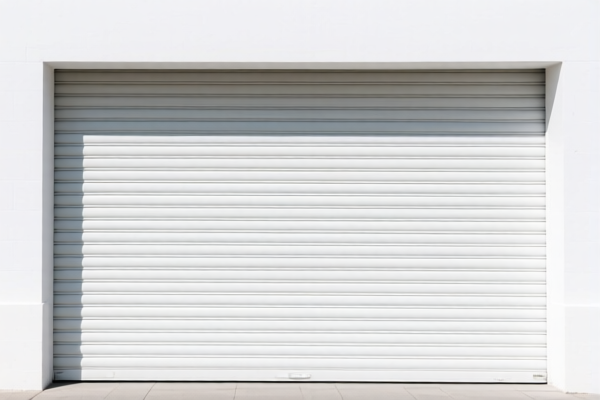
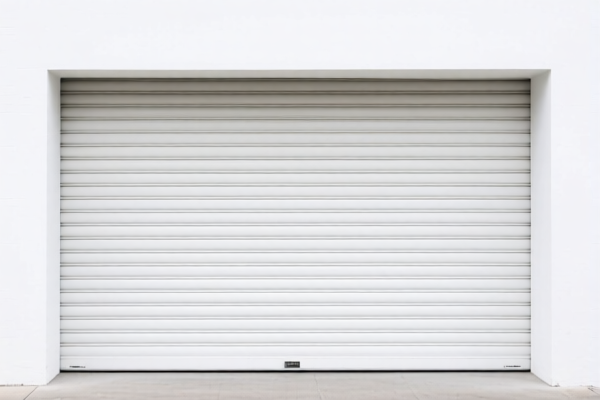
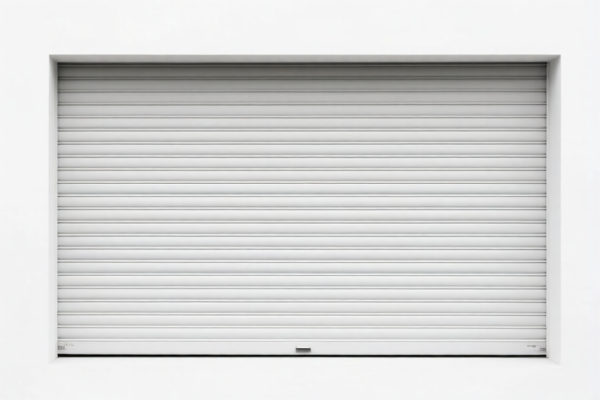
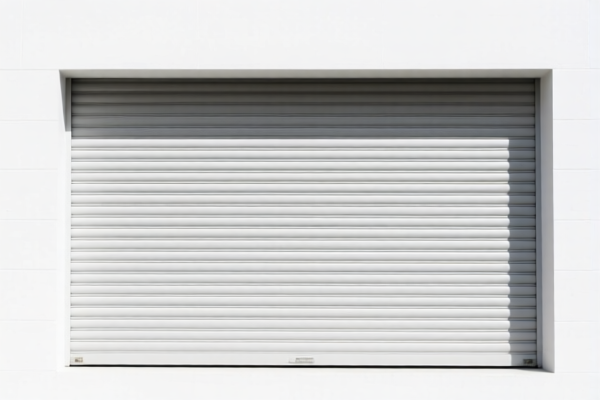
AI Analysis
🏢 Commercial Plastic Roller Shutter (塑料卷帘)
🌐 HS Code Reference & Customs Clearance Guide | 2026 Latest Tariff Analysis | Strategic Entry Strategy for Commercial Blinds
📌 I. Product Definition & Classification: What exactly is a "Commercial Plastic Roller Shutter"?
Commercial Plastic Roller Shutters are window covering systems designed for both residential and commercial spaces, primarily serving functions of light control, UV protection, thermal insulation, and privacy. In international trade, they are typically manufactured from PVC (Polyvinyl Chloride), PE (Polyethylene), or other synthetic plastic materials.
Key Distinction in Classification:
The classification depends heavily on whether the product is viewed as:
1. A Finished Home Good: A ready-to-use curtain/blind system (often classified under Chapter 63).
2. A Raw Material/Product: A plastic film, sheet, or manufactured plastic article without specific textile characteristics (often classified under Chapter 39).
⚠️ Critical Classification Point:
- If the roller shutter is woven or non-woven fabric-like and specifically designed as a window covering → Chapter 63 (Curtains/Blinds) is often preferred. - If it is a rigid or semi-rigid plastic sheet/film structure → Chapter 39 (Plastics) may apply. - Misclassification Risk: Declaring a finished blind as a "plastic sheet" or vice versa can lead to significant duty differences (e.g., 22.8% vs. 41.5%).
📦 II. HS Code Classification Details (2026 Latest Tariff Alignment)
Based on the provided data, here are the five potential HS Codes for Commercial Plastic Roller Shutters. Note that the Total Tax Rate varies significantly due to different base duties and additional tariffs (Section 301 and Section 122).
| HS Code | Product Description | Classification Logic | Total Tax Rate |
|---|---|---|---|
6303.92.20.50 |
Other Curtains & Light Blinds (Synthetic Fiber/Material) | Plastic material, roller form, classified as other curtains/blinds. Best fit for finished blinds. | 28.8% |
6303.92.20.30 |
Other Curtains & Light Blinds (Light-Blocking) | Plastic material, used for shading/light blocking, classified as other curtains/blinds. Best for blackout blinds. | 28.8% |
3926.90.99.89 |
Other Plastic Articles | Plastic material, roller shutter considered a general plastic product. | 22.8% |
3921.90.25.10 |
Plastic Sheets/Films (Composite) | Plastic material, roller form, classified as composite plastic sheets/films. | 41.5% |
3921.90.21.00 |
Plastic Sheet/Film Products | Plastic material, roller form, classified as plastic sheet/film products. | 41.5% |
🔍 Key Insight:
- Cheapest Option:3926.90.99.89(22.8%) – Risky if customs deems it a "curtain".
- Most Accurate for Blinds:6303.92.20.50or6303.92.20.30(28.8%) – Higher risk of being accepted as "curtain".
- Most Expensive:3921.90.25.10/3921.90.21.00(41.5%) – Apply if it’s a raw plastic sheet product, not a finished blind.
💰 III. 2026 Tariff Rate Breakdown (Including Surtaxes & Policy Add-ons)
✅ Applicable Country: United States (US)
✅ Origin: China (CN)
✅ Effective Date: From November 10, 2025 (including subsequent imports)
🎯 1. 6303.92.20.50 & 6303.92.20.30 – Other Curtains & Light Blinds (Plastic/Synthetic)
| Item | Detail |
|---|---|
| Base Duty Rate | 11.3% |
| Section 301 Surtax | +7.5% |
| Section 122 Tax | +10.0% |
| Total Tax Rate | 28.8% |
| Tax Calculation | CIF Value × 28.8% |
| De Minimis Eligibility | ❌ No (Deny de minimis) |
| Legal Basis Path | USITC:6303.92.20.50 → Section 301: 7.5% + Section 122: 10% |
📌 Explanation:
- These codes are under Chapter 63, which covers made-up textiles and articles. - The 7.5% Section 301 tax is lower than other plastic categories. - The 10% Section 122 tax applies to certain consumer goods. - Total 28.8% is a moderate-high rate, but significantly lower than the 41.5% plastic sheet codes.
🎯 2. 3926.90.99.89 – Other Plastic Articles
| Item | Detail |
|---|---|
| Base Duty Rate | 5.3% |
| Section 301 Surtax | +7.5% |
| Section 122 Tax | +10.0% |
| Total Tax Rate | 22.8% |
| Tax Calculation | CIF Value × 22.8% |
| De Minimis Eligibility | ❌ No (Deny de minimis) |
| Legal Basis Path | USITC:3926.90.99.89 → Section 301: 7.5% + Section 122: 10% |
📌 Explanation:
- This is the lowest total tax rate at 22.8%. - Risk: If customs officials determine the item is functionally a "curtain" or "blind," they may reclassify it to6303.92, increasing the tax to 28.8%. - Strategy: Use only if the product lacks traditional curtain features (e.g., no fabric texture, rigid plastic slats).
🎯 3. 3921.90.25.10 & 3921.90.21.00 – Plastic Sheets/Films
| Item | Detail |
|---|---|
| Base Duty Rate | 6.5% |
| Section 301 Surtax | +25.0% |
| Section 122 Tax | +10.0% |
| Total Tax Rate | 41.5% |
| Tax Calculation | CIF Value × 41.5% |
| De Minimis Eligibility | ❌ No (Deny de minimis) |
| Legal Basis Path | USITC:3921.90.25.10 → Section 301: 25.0% + Section 122: 10% |
📌 Explanation:
- Highest tax rate at 41.5%. - The 25% Section 301 tax is the key driver here. - Only use if the product is clearly a plastic sheet or film and not a finished blind. - Warning: Do not use this code for finished roller shutters unless you are certain of the classification.
🛠️ IV. Customs Clearance Practical Advice (Avoid Pitfalls)
✅ 1. Preparation Checklist (Mandatory Documents)
| Document | Required? | Purpose |
|---|---|---|
| Product Specification Sheet | ✔️ | Detail material (PVC, PE), thickness, width, length, opacity (blackout vs. light-filtering). |
| Product Photos | ✔️ | Show the roller mechanism, fabric texture, and installation context. |
| Commercial Invoice | ✔️ | Clearly describe as "Plastic Roller Shutter" or "Blind," not just "Plastic Sheet." |
| Packing List | ✔️ | List items per package (e.g., 1 roll = 1 unit). |
| Material Composition Certificate | ✔️ | Confirm % of plastic components to support Chapter 39 or 63 classification. |
| Brand & Model Info | ✔️ | Avoid generic descriptions that trigger broad scrutiny. |
✅ 2. Declaration Strategy (Key Tips)
🔥 Mantra: "Describe Function, Highlight Material, Avoid Ambiguity!"
| Scenario | Recommended Declaration | Risk if Misdeclared |
|---|---|---|
| Finished Roller Blind | "Plastic Roller Blinds for Window Covering, PVC Material" | Classifying as 3921.90 → 41.5% vs. 6303.92 → 28.8%. Overpayment risk. |
| Rigid Plastic Louver | "Plastic Window Shutters, PVC, Non-Fabric" | Could justify 3926.90 (22.8%) if it’s not a "curtain." |
| Roll of Plastic Film | "PVC Plastic Film for Shading, Not a Finished Good" | Must ensure it’s not already cut/finished. If finished, reclassification risk is high. |
| Textile-Like Plastic | "Synthetic Fiber Window Shade, Non-Woven" | Supports 6303.92 classification (28.8%). |
✅ 3. Special Cases
| Case | Recommendation |
|---|---|
| Hybrid Products (e.g., Plastic + Fabric) | If >50% plastic by weight, Chapter 39 may apply, but functional use (curtain) often dictates Chapter 63. Consult a broker. |
| Custom Sizes | Ensure invoice specifies "Made to Order" vs. "Standard Size," as this can affect commercial value. |
| Bulk vs. Retail | Bulk imports (unpacked rolls) might argue for 3921.90 (film). Retail-ready units should be 6303.92 (blinds). |
🌍 V. Global Market Comparison (2026 Latest)
| Market | Recommended HS Code | Tax Rate (China Origin) | Notes |
|---|---|---|---|
| 🇺🇸 USA | 6303.92.20.50 |
28.8% | Best balance of accuracy and cost. |
| 🇺🇸 USA | 3926.90.99.89 |
22.8% | Lower cost, but higher audit risk. |
| 🇺🇸 USA | 3921.90.25.10 |
41.5% | Avoid unless it’s a raw sheet. |
| 🇪🇺 EU | 6303.92 |
~5-7% + VAT | No Section 301/122 taxes. Lower base duty. |
| 🇨🇳 China | 6303.92 |
~5-10% | Domestic trade, no import duties. |
📌 Conclusion:
- The US market is the most complex due to additional tariffs. -6303.92.20.50(28.8%) is the safest and most common classification for finished plastic roller shutters. -3926.90.99.89(22.8%) is a cost-saving alternative but requires strong justification that it’s not a "curtain."
📌 VI. Common Mistakes & Pitfalls (Learn from Others)
❌ Mistake 1: Declaring finished blinds as "Plastic Sheets" (3921.90)
👉 Result: If caught, retroactive tax difference of 12.7% (41.5% - 28.8%) plus penalties.
❌ Mistake 2: Using 6303.92 for rigid, non-fabric plastic louvers
👉 Result: Customs may reclassify to 3926.90 or 3921.90, causing delays.
❌ Mistake 3: Ignoring Section 122 Tax
👉 Result: All three tax categories include a 10% Section 122 tax. Forgetting this leads to underpayment.
✅ Correct Practice:
"Plastic Roller Blinds, PVC Material, Light-Blocking, for Window Covering, Model XYZ, CE/FCC Certified"
🎯 VII. Conclusion: Smart Classification, Higher Profits!
🎯 Remember:
🔹 "Finished Blind = 6303.92 (28.8%)"
🔹 "Plastic Sheet/Film = 3921.90 (41.5%)"
🔹 "General Plastic Article = 3926.90 (22.8%)"🔹 "If it hangs on a window, it’s likely a curtain (6303.92). If it’s a roll of film, it’s plastic (3921.90)."
📌 Pro Tip:
- Apply for Advance Rulings with US Customs (CBP) if your product is borderline.
- Maintain consistent documentation across invoices, packing lists, and specs.
- Consider supply chain adjustments if Section 301/122 taxes make US imports uncompetitive.
📣 Immediate Action:
📞 Contact a licensed customs broker to review your product samples.
📄 Prepare a detailed product specification highlighting material composition and function.
🚀 Choose the right HS Code to optimize costs and ensure smooth customs clearance.
✨ Precision in Classification is Key to Profitability!
💼 Every percent saved in duty is pure profit!
Customer Reviews
About HS Code Classification
The Harmonized System (HS) is an internationally standardized nomenclature developed by the World Customs Organization (WCO) to classify traded products. Over 200 countries use the HS system as the basis for customs tariffs, trade statistics, and import/export regulations.
Each HS code follows a hierarchical structure:
- Chapter (2 digits) — Broad category of goods (e.g., Chapter 84: Machinery and Mechanical Appliances)
- Heading (4 digits) — More specific grouping within the chapter
- Subheading (6 digits) — Internationally standardized breakdown, used by all WCO member countries
- National subdivisions (8-10 digits) — Country-specific extensions for further classification, such as US HTSUS 10-digit codes
Correct HS code classification is essential for smooth customs clearance, accurate duty payment, and compliance with trade regulations. Misclassification can lead to customs delays, overpayment of duties, or penalties.
When importing from CN to US, the applicable tariff rates may include:
- Most-Favored-Nation (MFN) rate — The standard duty rate applied to WTO members
- General rate — Applied to countries without trade agreements
- Trade remedy duties — Additional tariffs such as Section 301 (anti-dumping), Section 232 (national security), or countervailing duties
The information provided on this page is for reference purposes only. For official classification, please consult with your local customs authority or a licensed customs broker.