Commercial Plastic Wall Cladding Non Woven
CN → US| HS Code | Tariff Rate | Origin | Destination | Doc |
|---|---|---|---|---|
| 5603110070 | 35.0% | CN | US | Official Doc |
| 5603110010 | 35.0% | CN | US | Official Doc |
| 3921901910 | 40.3% | CN | US | Official Doc |
| 3921901100 | 39.2% | CN | US | Official Doc |
| 5603110070 | 35.0% | CN | US | Official Doc |
Product Images
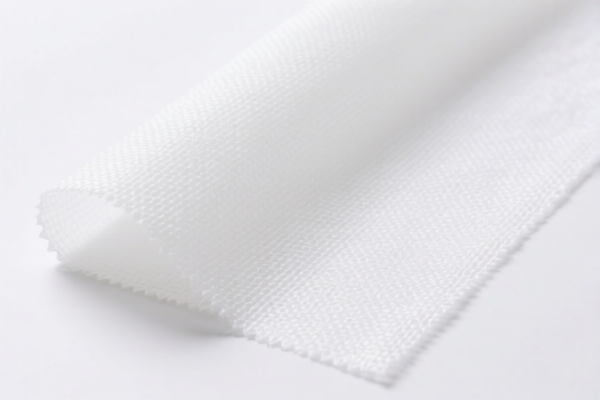

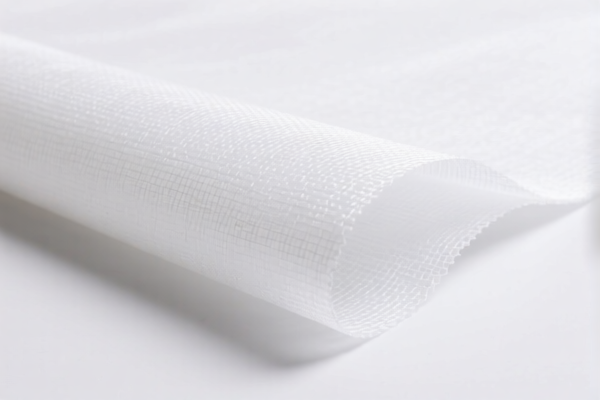
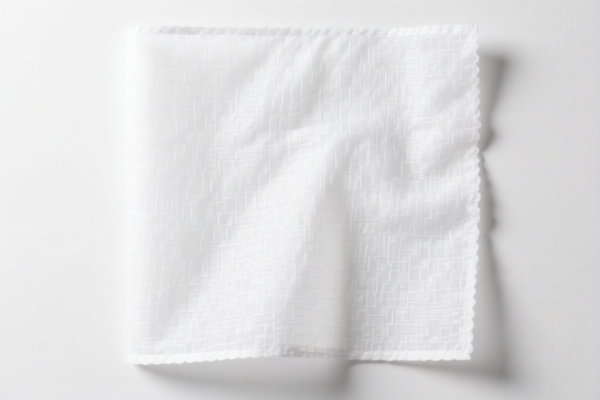
AI Analysis
🧱 Commercial Plastic Wall Cladding (Non-Woven/Technical Textile Base)
🌐 HS Code Reference & Customs Clearance Guide | 2026 Latest Tariff Analysis | Professional Clearance Strategy
📌 1. Product Definition & Classification: What is "Commercial Plastic Wall Cladding"?
The term "commercial plastic wall cladding non woven" usually refers to architectural wall covering materials where a textile or non-woven fabric acts as the carrier or backing, and the functional surface is made of plastics (PVC, PP, PE, etc.).
In international trade, this composite nature creates a classification challenge: * Is it a Textile? If the textile/non-woven structure is essential and specifies a technical use (e.g., bolting cloth, reinforcement), it may fall under Chapter 59. * Is it a Plastic? If it is primarily a plastic sheet with a fabric backing for decoration or simple adhesion, it often falls under Chapter 39 or 61/63 depending on the final form.
⚠️ Key Distinction:
- If the material is "Bolting Cloth" (woven fabric for sieving/filtration) used in technical applications → Chapter 59.
- If the material is decorative wall covering (PVC film on a non-woven backing) → Chapter 39 (Plastics) or Chapter 59 (if classified as other technical textile articles).
- Crucial Note: The provided data points specifically to Chapter 59 (Technical Textiles) and Chapter 39 (Plastics Articles). We must align strictly with the provided<DATA>entries.
📦 2. HS Code Classification Details (Based on Provided Data)
The input description "commercial plastic wall cladding non woven" does not directly match standard decorative wall covering codes (like 3918.10). However, based on the provided <DATA>, we must map it to the available codes. This implies the product is likely classified either as a technical textile article or a general plastic article due to specific construction or intended use.
| HS Code | Product Description (from Data) | Classification Logic for "Cladding/Non-Woven" |
|---|---|---|
5911.90.00.80 |
Textile products and articles, for technical uses... Other Other | Likely Fit: If the "non-woven" component is a technical fabric (e.g., reinforcement, filtration, or specialized industrial backing) and the plastic coating is secondary to its technical function. |
5911.20.30.00 |
Bolting cloth, whether or not made up: Other: Other (229) | Less Likely: Unless the "non-woven" part is actually a woven bolting cloth used for sieving/filtering in the cladding process. Note: Description says "Bolting cloth," which is specific. |
3926.90.99.89 |
Other articles of plastics... Other: Other Other | Alternative Fit: If the product is viewed primarily as a plastic article (e.g., PVC wall panel) where the non-woven backing is minor. This code covers "other plastics articles not specified elsewhere." |
🔍 Critical Analysis:
- The term "Non-Woven" strongly suggests Chapter 56 (Non-wovens), but the provided data only offers Chapter 59 (Technical Textiles) and Chapter 39 (Plastics).
- 5911 is for technical uses (e.g., filtration, sorting, reinforcement). If your wall cladding uses a non-woven fabric for reinforcement of a plastic layer in a technical construction context,5911.90.00.80is the most plausible technical textile fit.
- If the product is simply decorative plastic wall panels with a thin non-woven adhesive backing, customs might argue for3926.90.99.89as an "article of plastics."
💰 3. 2026 Tariff Rate Breakdown (Detailed Tax Analysis)
✅ Country: United States (US)
✅ Origin: China (CN)
✅ Effective Date: Current 2026 Tariff Schedule
🎯 Option A: 5911.90.00.80 — Technical Textile Articles (Other)
| Item | Detail |
|---|---|
| Base Tariff | 0.0% |
| Additional Tariff (Section 301/USITC) | 0.0% |
| IEEPA Surcharge | 0.0% |
| Total Tariff Rate | 0.0% |
| Tax Calculation | CIF Value × 0% = $0 |
| De Minimis Eligibility | ❌ N/A (Always 0%) |
| Legal Basis | HTSUS 5911.90.00.80 |
📌 Explanation:
This code benefits from zero additional tariffs. If your product can be legally justified as a "technical textile article" (e.g., reinforced non-woven fabric for construction), this is the most cost-effective classification.
Risk: Customs may challenge this if the product is deemed "decorative" rather than "technical."
🎯 Option B: 5911.20.30.00 — Bolting Cloth (Other)
| Item | Detail |
|---|---|
| Base Tariff | 0.0% |
| Additional Tariff (Section 301/USITC) | 25.0% |
| IEEPA Surcharge | N/A (Already included in 25% USITC) |
| Total Tariff Rate | 25.0% |
| Tax Calculation | CIF Value × 25% |
| De Minimis Eligibility | ❌ No |
| Legal Basis | HTSUS 5911.20.30.00 |
📌 Explanation:
Only use this if the product is genuinely "Bolting Cloth" (woven fabric for sieving). If your "non-woven" cladding is not used for filtration/sieving, do not use this code. Misclassification here leads to penalties.
Cost Impact: High. 25% tariff is significant.
🎯 Option C: 3926.90.99.89 — Other Plastic Articles
| Item | Detail |
|---|---|
| Base Tariff | 5.3% |
| Additional Tariff (Section 301/USITC) | 7.5% |
| IEEPA Surcharge | N/A (Already included in 7.5% USITC) |
| Total Tariff Rate | 12.8% |
| Tax Calculation | CIF Value × 12.8% |
| De Minimis Eligibility | ❌ No |
| Legal Basis | HTSUS 3926.90.99.89 |
📌 Explanation:
If customs rejects the "technical textile" classification and views the product as a generic plastic article (e.g., PVC wall panel), this code applies.
Cost Impact: Moderate. 12.8% is manageable but higher than Option A.
🛠️ 4. Customs Clearance Practical Advice (Avoiding Pitfalls)
✅ 1. Documentation Checklist
| Document | Required? | Purpose |
|---|---|---|
| Product Specification Sheet | ✔️ | Detail the composition: % Plastic vs. % Non-Woven Textile. Is the non-woven functional or decorative? |
| Technical Data Sheet | ✔️ | Explain the intended use. If "technical," provide evidence of reinforcement, filtration, or industrial application. |
| Photos of Cross-Section | ✔️ | Show the layer structure. Is the plastic the primary material or a coating? |
| Commercial Invoice | ✔️ | Describe accurately: "Reinforced Non-Woven Fabric for Technical Wall Cladding" or "Plastic Wall Panel with Textile Backing." |
| Origin Certificate | ✔️ | Proof of Chinese origin to determine surcharge applicability. |
✅ 2. Classification Strategy & Tips
🔥 Golden Rule: "Technical Function Determines Chapter 59; Decorative/General Use Determines Chapter 39."
| Scenario | Recommended HS Code | Why? |
|---|---|---|
| Non-woven is for REINFORCEMENT (e.g., fiberglass/polyester non-woven coated with plastic for construction) | 5911.90.00.80 |
Fits "Textile products... for technical uses." Lowest tariff (0%). |
| Product is a PLASTIC SHEET with a minor non-woven backing for adhesion | 3926.90.99.89 |
Plastic is the essential character. Moderate tariff (12.8%). |
| Product is WOVEN BOLT CLOTH used in filtering | 5911.20.30.00 |
Specific description match. High tariff (25%). Only if truly bolting cloth. |
| Product is DECORATIVE WALLPAPER (PVC on paper/non-woven) | ⚠️ Not in Data | Usually 3918 or 5905. Not covered by provided data. Risk of misclassification if forced into 5911/3926. |
✅ 3. Special Case Handling
| Situation | Advice |
|---|---|
| Mislabeling as "Non-Woven" | Ensure the fabric is indeed non-woven. If it's woven, 5911.20.30.00 might apply (if bolting cloth), but 5911.90.00.80 is safer if it's a general technical textile. |
| Customs Audit Risk | For 5911.90.00.80, be prepared to prove "technical use." Decorative wall cladding is rarely accepted as "technical" unless it has specific industrial properties (fire retardant, acoustic insulation, structural reinforcement). |
| IEEPA/301 Tariffs | 5911.90.00.80 is exempt from additional tariffs. 3926.90.99.89 incurs 7.5% USITC. 5911.20.30.00 incurs 25% USITC. |
🌍 5. Global Market Comparison (2026)
| Market | Recommended HS Code | Tariff Rate | Notes |
|---|---|---|---|
| 🇺🇸 USA | 5911.90.00.80 |
0.0% | Best option if technical use is proven. |
| 🇺🇸 USA | 3926.90.99.89 |
12.8% | Acceptable if technical claim is weak. |
| 🇺🇸 USA | 5911.20.30.00 |
25.0% | Only for bolting cloth. Avoid for general cladding. |
| 🇪🇺 EU | Varies (likely 5911 or 3921) | 0-5% | EU does not have Section 301 tariffs. |
| 🇨🇳 China | Varies | 5-10% | Import tariffs for China are different. |
📌 Conclusion:
For US imports,5911.90.00.80is the optimal code due to 0% tariffs, but requires strong technical justification.
3926.90.99.89is the fallback for general plastic articles, costing 12.8%.
📌 6. Common Errors & Pitfalls
❌ Error 1: Classifying decorative PVC wall panels as "Technical Textiles" (5911) without proof.
👉 Consequence: Customs reclassifies to 3926 or 3918, adding 12.8-25% in tariffs + penalties.
❌ Error 2: Using 5911.20.30.00 (Bolting Cloth) for non-woven materials.
👉 Consequence: Description mismatch ("Bolting Cloth" implies woven). Penalty for incorrect declaration.
❌ Error 3: Ignoring the "Plastic" component.
👉 Consequence: If the plastic layer is dominant, Chapter 59 may be rejected.
✅ Correct Approach:
"Technical Reinforcement Fabric, Non-Woven, Plastic-Coated, for Industrial Wall Cladding"
HS Code:5911.90.00.80
Tax: 0%
🎯 7. Final Recommendation
- Assess Function: Is your non-woven cladding used for technical purposes (reinforcement, filtration, insulation) or decoration?
- Choose Code:
- Technical: Use
5911.90.00.80(0% Tax). - Decorative/General: Use
3926.90.99.89(12.8% Tax). - Bolting Cloth: Use
5911.20.30.00(25% Tax) — Only if applicable.
- Technical: Use
- Prepare Evidence: Have technical specs ready to support the "technical use" claim for
5911.
📣 Immediate Action:
📞 Consult a customs broker to confirm if your specific "non-woven plastic cladding" qualifies as "technical use" under HTS 5911.
📄 If not, default to3926.90.99.89and budget for 12.8% duty.
🚀 Optimize your tax burden by choosing the right classification from day one!
✨ Accurate Classification Saves Money!
💼 Every percentage point of tariff impacts your bottom line!
Customer Reviews
About HS Code Classification
The Harmonized System (HS) is an internationally standardized nomenclature developed by the World Customs Organization (WCO) to classify traded products. Over 200 countries use the HS system as the basis for customs tariffs, trade statistics, and import/export regulations.
Each HS code follows a hierarchical structure:
- Chapter (2 digits) — Broad category of goods (e.g., Chapter 84: Machinery and Mechanical Appliances)
- Heading (4 digits) — More specific grouping within the chapter
- Subheading (6 digits) — Internationally standardized breakdown, used by all WCO member countries
- National subdivisions (8-10 digits) — Country-specific extensions for further classification, such as US HTSUS 10-digit codes
Correct HS code classification is essential for smooth customs clearance, accurate duty payment, and compliance with trade regulations. Misclassification can lead to customs delays, overpayment of duties, or penalties.
When importing from CN to US, the applicable tariff rates may include:
- Most-Favored-Nation (MFN) rate — The standard duty rate applied to WTO members
- General rate — Applied to countries without trade agreements
- Trade remedy duties — Additional tariffs such as Section 301 (anti-dumping), Section 232 (national security), or countervailing duties
The information provided on this page is for reference purposes only. For official classification, please consult with your local customs authority or a licensed customs broker.