Commercial Vehicle Radial Rubber Tire
CN → US| HS Code | Tariff Rate | Origin | Destination | Doc |
|---|---|---|---|---|
| 4011201015 | 39.0% | CN | US | Official Doc |
| 4011205010 | 38.4% | CN | US | Official Doc |
| 4012194000 | 39.0% | CN | US | Official Doc |
| 4016996010 | 37.5% | CN | US | Official Doc |
| 4012909000 | 37.7% | CN | US | Official Doc |
Product Images
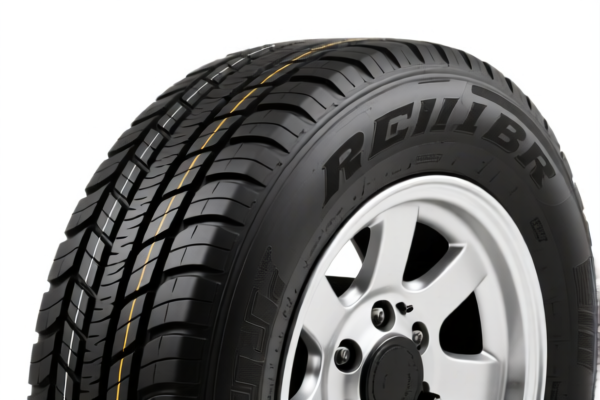
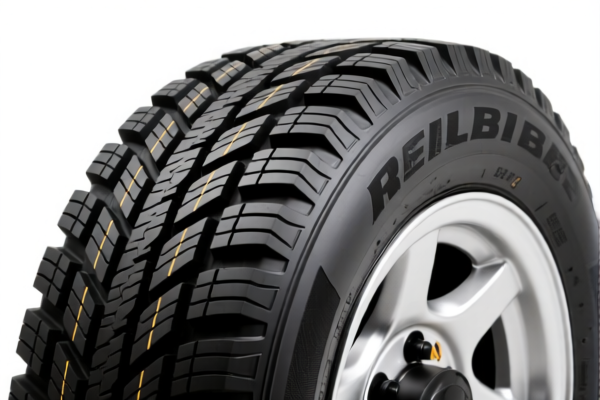
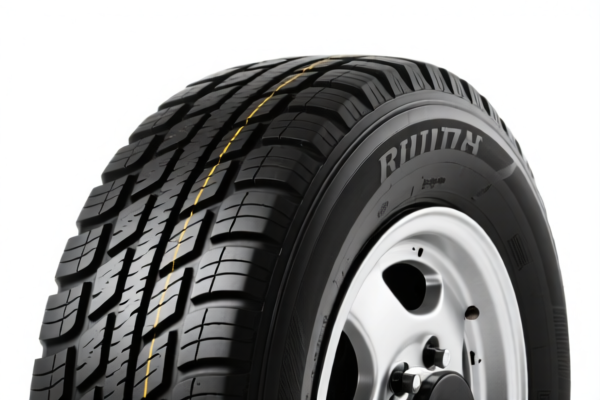
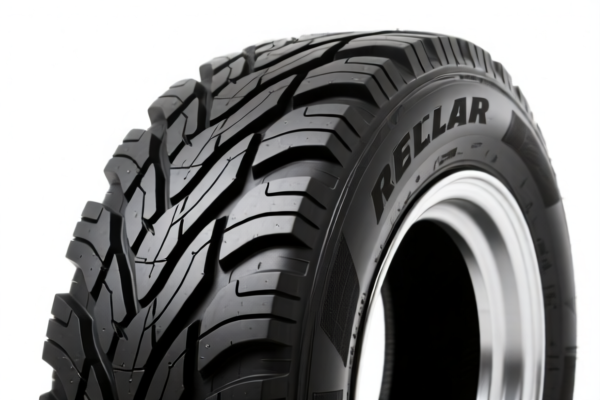
AI Analysis
🚛 Commercial Vehicle Radial Rubber Tire (Truck/Bus Tires)
🌐 HS Code Reference & Customs Clearance Guide | 2026 Latest Tariff Analysis | Professional Clearance Strategy
📌 I. Product Definition & Classification: Do You Truly Understand "Radial Truck Tires"?
Commercial vehicle radial tires are critical components for buses, trucks, and heavy-duty logistics vehicles. In international trade, they are strictly regulated due to their material (Rubber) and structure (Radial/Steel-belted).
Key Classification Distinctions: * New Radial Tires (4011.20): Standard new tires for buses or trucks. Subject to the highest tariffs due to trade restrictions. * Retreaded/Regenerated Tires (4012.10): Tires that have been recapped. Treated as "used" or "manufactured from waste" under specific provisions. * Specialty Rubber Articles (4016/4012.90): Often misclassified. If the product is a "regenerated rubber" article that does not fit the strict definition of a retreaded tire ready for road use, it may fall into general rubber制品 categories, though this is risky for actual tires.
⚠️ Critical Distinction Point:
- New Tires → Must use 4011.20.xx. High tax burden.
- Retreaded/Regenerated Tires → Use 4012.19 or potentially 4012.90 if not strictly retreaded.
- Regenerated Rubber Parts → If classified as generic rubber articles, 4016.99 or 4012.90.
📦 II. HS Code Classification Details (2026 Latest Tariff Authority Comparison)
| HS Code | Product Description | Application Scenario | Tax Rate Structure |
|---|---|---|---|
4011.20.10.15 |
New Radial Tires for buses or trucks; Rubber material. | Standard new truck/bus tires. | 39.0% (Base 4% + 301 Add'l 25% + 122 Act 10%) |
4011.20.50.10 |
New Radial Tires for commercial vehicles; Rubber material. | General commercial vehicle tires (Catch-all category for new radial tires). | 38.4% (Base 3.4% + 301 Add'l 25% + 122 Act 10%) |
4012.19.40.00 |
Industrial-grade Regenerated Rubber Radial Tire | Retreaded/Recapped tires using regenerated rubber. | 39.0% (Base 4% + 301 Add'l 25% + 122 Act 10%) |
4016.99.60.10 |
Industrial-grade Regenerated Rubber Radial Tire (Rubber Article) | Classified as "Other articles of vulcanized rubber other than hard rubber" made from regenerated rubber. | 37.5% (Base 2.5% + 301 Add'l 25% + 122 Act 10%) |
4012.90.90.00 |
Industrial-grade Regenerated Rubber Radial Tire (Tire Parts/Tread) | Rubber articles consisting of tire treads/edges or similar rubber parts, not strictly new tires. | 37.7% (Base 2.7% + 301 Add'l 25% + 122 Act 10%) |
🔍 Key Reminder:
- New Tires fall under 4011. The base rate varies slightly between10and50, but both attract heavy duties.
- Regenerated/Retreaded Tires fall under 4012 or 4016.
- 122 Section Tariff (10%) applies to ALL these codes, significantly increasing the total cost.
💰 III. 2026 Latest Tariff Rate Breakdown (Including Additional Duties & Policy Surcharges)
✅ Applicable Country: United States (US)
✅ Country of Origin: China (CN)
✅ Effective Time: Ongoing (including post-Nov 2025 imports)
🎯 1. 4011.20.10.15 & 4011.20.50.10 —— New Radial Tires for Commercial Vehicles
| Item | Content |
|---|---|
| Base Tariff | 4.0% (4011.20.10) or 3.4% (4011.20.50) |
| Section 301 Add'l Tariff | +25% (From USITC Footnote 9903.88.01 / 301 Action) |
| Section 122 Tariff | +10% (Specific to certain rubber/transport goods under trade acts) |
| Total Rate | 39.0% or 38.4% |
| Tax Calculation | CIF Value × Total Rate |
| De Minimis Eligibility | ❌ NO (deny_de_minimis) |
| Legal Basis Path | Section 301 → Section 122 → USITC:4011.20.xx |
📌 Explanation:
- Base Tariff: Standard MFN rate for truck/bus tires.
- Section 301 (25%): The standard retaliatory tariff on Chinese goods.
- Section 122 (10%): An additional statutory duty applied to specific imports.
- Total: ~39%. This is an extremely high effective tariff rate.
🎯 2. 4012.19.40.00 —— Regenerated/Retreaded Radial Tires
| Item | Content |
|---|---|
| Base Tariff | 4.0% |
| Section 301 Add'l Tariff | +25% |
| Section 122 Tariff | +10% |
| Total Rate | 39.0% |
| Tax Calculation | CIF Value × 39% |
| De Minimis Eligibility | ❌ NO |
| Legal Basis Path | Section 301 → Section 122 → USITC:4012.19.40 |
📌 Note:
- Even if classified as "retreaded," the Section 301 and 122 tariffs often apply equally.
- Do not assume retreaded tires are exempt from Section 301.
🎯 3. 4016.99.60.10 & 4012.90.90.00 —— Other Rubber Articles (Regenerated)
| Item | Content |
|---|---|
| Base Tariff | 2.5% (4016) or 2.7% (4012) |
| Section 301 Add'l Tariff | +25% |
| Section 122 Tariff | +10% |
| Total Rate | 37.5% (4016) or 37.7% (4012) |
| Tax Calculation | CIF Value × Total Rate |
| De Minimis Eligibility | ❌ NO |
📌 Risk Warning:
- Misclassifying a new tire as a "rubber article" (4016) or "tread part" (4012.90) to save tax is high-risk.
- Customs officers will inspect the physical structure. If it is a complete, road-ready tire, it must be4011(New) or4012.10(Retread).
-4016is for non-tire rubber parts (e.g., seals, mats) or industrial rubber pieces, not finished tires.
🛠️ IV. Customs Clearance Operational Advice (Practical Pitfall Avoidance Guide)
✅ 1. Preparation Checklist (All Mandatory)
| Document | Required | Explanation |
|---|---|---|
| ✅ Product Specification Sheet | ✔️ | Must specify: Radial/Metric, Size (e.g., 11R22.5), Load Index, Speed Rating, Material (Rubber). |
| ✅ Photos (Clear) | ✔️ | Show sidewall markings (DOT code, size, "RADIAL"), tread pattern, and overall shape. |
| ✅ Commercial Invoice | ✔️ | Clearly state: "Radial Pneumatic Tires for Trucks/Buses." Do not use vague terms like "Rubber Parts." |
| ✅ Certificate of Origin (CO) | ✔️ | To prove Chinese origin (which triggers tariffs). |
| ✅ Packing List | ✔️ | Detail weight, dimensions, and packaging type. |
| ✅ Test Reports | ✔️ | DOT certification, UVa compliance, or other safety standards if requested. |
✅ 2. Declaration Techniques (Key Mantra)
🔥 "Be Honest: New = 4011, Retread = 4012.10. Vague Claims = Audit!"
| Scenario | Correct Declaration | Incorrect Action |
|---|---|---|
| New Radial Tire | 4011.20.10.15 or 4011.20.50.10 |
❌ Declare as 4016 (Rubber Art) → Penalty for Misclassification |
| Retreaded Tire | 4012.19.40.00 (if regenerating) |
❌ Declare as New → Underpayment of duties? (Actually similar rate, but legal risk) |
| Tire Tread Only (Not attached) | 4012.90.90.00 |
❌ Declare as Complete Tire |
| Mixed Container | Separate HS Codes for different items | ❌ Lump all into one HS Code → Seizure |
✅ 3. Special Situation Handling
| Situation | Handling Advice |
|---|---|
| OEM Tires for Auto Makers | Provide OEM Contract. Still subject to tariffs unless specific exemptions apply (rare). |
| Pre-Owned/Used Tires | PROHIBITED in the US. Do not import used radial tires. |
| "Regenerated" Claims | If using 4016 or 4012.90, provide proof that the product is NOT a finished tire suitable for road use (e.g., industrial rubber blocks). |
| Mitigation Entry | Consider filing a Mitigation Entry if duties were miscalculated due to reasonable cause, to reduce penalties. |
🌍 V. Global Market Comparison (2026 Latest)
| Country/Region | Recommended HS Code | Tariff (China Origin) | Certification Req. | Notes |
|---|---|---|---|---|
| 🇺🇸 USA | 4011.20 |
~39% (301+122+Base) | DOT, UVa | Highest Barrier. Very strict on misclassification. |
| 🇨🇳 China | 4011.20 |
5-10% | CCC (if applicable) | Lower duties. |
| 🇪🇺 EU | 4011.20 |
4.5% - 6.5% | ECE R54/R117 | No Section 301. Lower cost than US. |
| 🇲🇽 Mexico | 4011.20 |
0% - 5% (USMCA) | NOM | If produced in Mexico, duty-free to US. |
📌 Conclusion:
- The USA is the most expensive market for Chinese rubber tires due to Section 301 (25%) and Section 122 (10%).
- Total effective duty of ~38-39% is a massive cost driver.
- Strategy: Many manufacturers are moving production to Mexico, Vietnam, or Thailand to avoid these tariffs (USMCA or lower Section 301 rates).
📌 VI. Common Mistakes & Pitfalls (Lessons Learned)
❌ Mistake 1: Classifying New Tires as 4016.99 (Rubber Articles) to save tax.
👉 Consequence: Customs audit, penalty, seizure. The penalty can be double the duty evaded.
❌ Mistake 2: Ignoring the Section 122 Tariff (10%).
👉 Consequence: Underpayment. Both Section 301 and 122 apply simultaneously.
❌ Mistake 3: Using "Tire" in the description but declaring under 4012.90 (Parts).
👉 Consequence: If it is a complete tire, it must be 4011 or 4012.10. Misclassification leads to delays.
❌ Mistake 4: Not providing DOT or UVa compliance info.
👉 Consequence: CBP may hold the shipment for safety verification.
✅ Correct Approach:
"Radial Pneumatic Tire for Truck, Size 11R22.5, New, Rubber, Model XYZ, US DOT Certified"
HS Code:4011.20.10.15
🎯 VII. Conclusion: Professional Clearance Saves Costs!
🎯 Remember the Mantra:
🔹 "New Tires = 4011, Retread = 4012.10.
🔹 Don't sneak into 4016!
🔹 301 + 122 + Base = 39% Cost.
🔹 Move Supply Chain to Avoid Tariffs."
📌 Pro Tip:
If your tires are originally manufactured in Mexico, Vietnam, or Thailand, you may be eligible for lower or zero Section 301 tariffs.
Consider re-export or supply chain diversification to mitigate the ~39% duty burden.
📣 Immediate Action:
📞 Consult a licensed Customs Broker.
🚀 Verify your HS Code with USITC and CBP.
💼 Your cost structure depends on accurate classification. Don't guess!
✨ Professional Customs Clearance Starts with Accurate Classification!
💼 Every Percent Matters in the Tire Trade!
Customer Reviews
About HS Code Classification
The Harmonized System (HS) is an internationally standardized nomenclature developed by the World Customs Organization (WCO) to classify traded products. Over 200 countries use the HS system as the basis for customs tariffs, trade statistics, and import/export regulations.
Each HS code follows a hierarchical structure:
- Chapter (2 digits) — Broad category of goods (e.g., Chapter 84: Machinery and Mechanical Appliances)
- Heading (4 digits) — More specific grouping within the chapter
- Subheading (6 digits) — Internationally standardized breakdown, used by all WCO member countries
- National subdivisions (8-10 digits) — Country-specific extensions for further classification, such as US HTSUS 10-digit codes
Correct HS code classification is essential for smooth customs clearance, accurate duty payment, and compliance with trade regulations. Misclassification can lead to customs delays, overpayment of duties, or penalties.
When importing from CN to US, the applicable tariff rates may include:
- Most-Favored-Nation (MFN) rate — The standard duty rate applied to WTO members
- General rate — Applied to countries without trade agreements
- Trade remedy duties — Additional tariffs such as Section 301 (anti-dumping), Section 232 (national security), or countervailing duties
The information provided on this page is for reference purposes only. For official classification, please consult with your local customs authority or a licensed customs broker.