Communication Cedar Pole
CN → US| HS Code | Tariff Rate | Origin | Destination | Doc |
|---|---|---|---|---|
| 4403210112 | 35.0% | CN | US | Official Doc |
| 4403220112 | 35.0% | CN | US | Official Doc |
| 4418300100 | 38.2% | CN | US | Official Doc |
| 4418999140 | 38.2% | CN | US | Official Doc |
| 4421997020 | 35.0% | CN | US | Official Doc |
Product Images
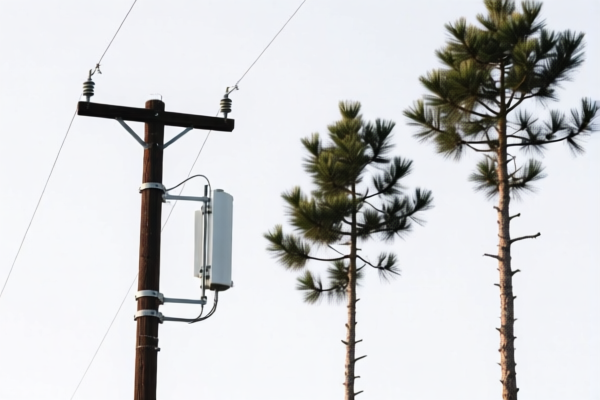
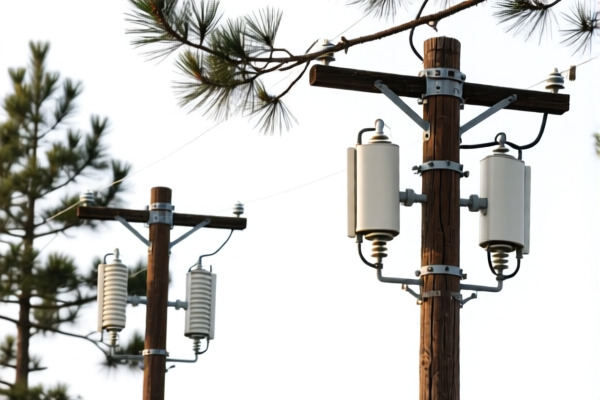
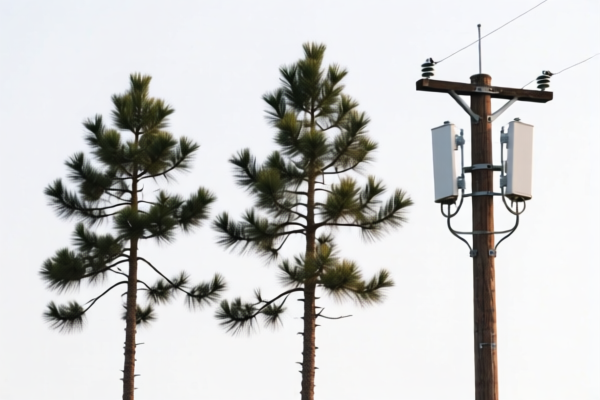
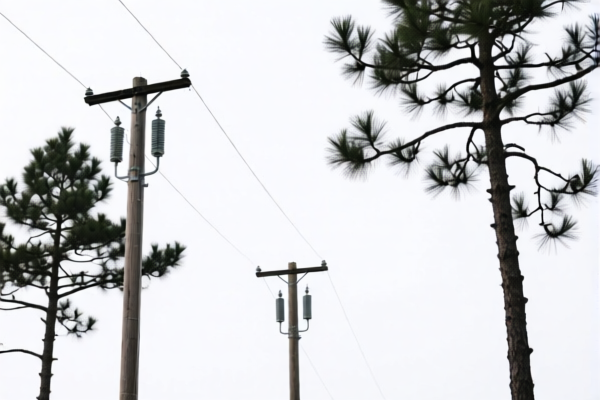
AI Analysis
🌲 Communication Cedar Pole (Tel. Pole)
🌐 HS Code Classification & Customs Clearance Guide | 2026 Tariff Breakdown | Professional Compliance Strategy
📌 1. Product Definition: Why "Cedar" Matters in Classification
A "Communication Cedar Pole" refers to wooden poles primarily made from cedar (or other coniferous wood like pine/spruce as per HS Chapter 44 logic) treated for durability, used specifically in telecommunications and power infrastructure. In international trade, the classification hinges on processing level and intended use.
Key Distinction: - Section II (HS 4403): If the pole is simply roughly squared, debarked, or treated but remains a raw structural timber used as a pile or post → Classified under 4403. - Section II (HS 4418): If the pole is prefabricated, cut to specific lengths/angles, or designed as a structural component for construction/installation → Classified under 4418. - Section II (HS 4421): If classified as a generic wooden post/fence post without specific telecommunications exclusivity → Classified under 4421.
⚠️ Critical Note:
- "Cedar" is a type of coniferous wood. In HS codes, specific wood species (like Cedar) often fall under broader categories like "Coniferous wood" or "Pine" depending on the exact species and processing. The provided data groups Cedar poles with Pine/Coniferous classifications.
- The primary risk is Misclassification: Declaring a processed pole as a raw log (or vice versa) leads to significant duty discrepancies.
📦 2. HS Code Classification Matrix (2026 Latest Tariff Reference)
| HS Code | Product Description (Summary) | Key Classification Criteria | Applicable Tax Rate |
|---|---|---|---|
4403.21.01.12 |
Cedar/Pine Electric Pole (Telecom), Matched to Coniferous Material, Pile Form, Telephone/Telegraph Use | Raw/Processed Timber: Roughly squared, debarked, or treated. Used as a pile/post. Specific for telecom. | 35.0% |
4403.22.01.12 |
Cedar/Pine Electric Pole (Telecom), Matched to Coniferous/Pine Material, Telephone/Telegraph/Power Pole Use | Raw/Processed Timber: Similar to above, broader inclusion of power pole use. Still raw timber form. | 35.0% |
4418.30.01.00 |
Cedar/Pine Electric Pole (Telecom), Matched to Wood Attributes, Pillar Form, Wooden Construction/Infrastructure Joint Use | Prefabricated/Construction Component: Cut to size, possibly with hardware or specific structural features for construction/installation. | 38.2% |
4418.99.91.40 |
Cedar/Pine Electric Pole (Telecom), Matched to Wooden Material, Prefabricated Structural Component, Building/Engineering Installation Use | Prefabricated/General Construction: Treated as a prefabricated structural part for engineering projects. | 38.2% |
4421.99.70.20 |
Cedar/Pine Electric Pole (Telecom), Matched to Wood Material, Pillar Form, Sawn Fence Post/Railing/Pillar/Barrier Attributes | Generic Wooden Post: Classified as a fence post, railing, or generic pillar. Less specific to telecom infrastructure. | 35.0% |
🔍 Important Clarification:
- HS 4403 vs. HS 4418:
- 4403 = Raw/Processed Timber (logs, poles, posts in their natural or minimally processed form).
- 4418 = Articles of Wood (prefabricated buildings, panels, structural components like cut-to-size poles ready for immediate installation in complex structures).
- Why Two Rates?
- 35.0%: Applies to raw/semi-processed poles (4403) and generic posts (4421).
- 38.2%: Applies to prefabricated/construction-specific poles (4418), which have higher base tariffs (3.2%) due to more value-added processing.
💰 3. 2026 Tariff Rate Breakdown (Including Add-on Duties)
✅ Applicable Country: United States (US)
✅ Country of Origin: China (CN)
✅ Effective Date: Post-November 2025 (Current 2026 Rates)
🎯 1. HS Codes 4403.21.01.12 & 4403.22.01.12 & 4421.99.70.20
(Cedar/Pine Poles: Raw/Processed Timber & Generic Posts)
| Item | Detail |
|---|---|
| Base Duty Rate | 0.0% (Ad Valorem) |
| Section 301 Duty (USITC) | +25.0% (Additional duty on Chinese goods) |
| Section 122 Duty (IEEPA) | +10.0% (Specific additional duty on certain Chinese imports) |
| Total Duty Rate | 35.0% |
| Tax Calculation | CIF Value × 35.0% |
| De Minimis Exemption | ❌ Not Eligible (Deny de minimis for Chinese origin goods under Section 301/122) |
| Legal Basis Path | USITC:4403.21.01.12 → FOOTNOTE:9903.88.01 → IEEPA:9903.01.25 |
📌 Explanation:
- These codes fall under Section 301 (25%) and Section 122 (10%) surcharges.
- Total Burden: 35%. This is a high-cost category for timber products from China.
🎯 2. HS Codes 4418.30.01.00 & 4418.99.91.40
(Prefabricated Structural Poles & Construction Components)
| Item | Detail |
|---|---|
| Base Duty Rate | 3.2% (Ad Valorem) |
| Section 301 Duty (USITC) | +25.0% (Additional duty on Chinese goods) |
| Section 122 Duty (IEEPA) | +10.0% (Specific additional duty on certain Chinese imports) |
| Total Duty Rate | 38.2% |
| Tax Calculation | CIF Value × 38.2% |
| De Minimis Exemption | ❌ Not Eligible |
| Legal Basis Path | USITC:4418.30.01.00 → FOOTNOTE:9903.88.01 → IEEPA:9903.01.25 |
📌 Explanation:
- These codes have a non-zero base duty (3.2%) because they are considered more processed "articles of wood."
- Total Burden: 38.2%. This is the highest tariff category in the provided data.
- Why? More processing = higher base tariff + same surcharges.
🛠️ 4. Customs Clearance Best Practices (Pitfall Avoidance)
✅ 1. Required Documentation Checklist
| Document | Must Provide? | Purpose |
|---|---|---|
| ✅ Product Specification Sheet | ✔️ | Details wood species (Cedar/Pine), treatment type (CCA, ACQ, etc.), dimensions, and length. |
| ✅ Treatment Certificate | ✔️ | Proves anti-rot/anti-insect treatment (critical for HS 4403 classification). |
| ✅ Commercial Invoice | ✔️ | Must clearly state: "Cedar Pole for Telecommunications, Treated, Chinese Origin." |
| ✅ Packing List | ✔️ | List quantity, weight, and packaging type. |
| ✅ Bill of Lading/Air Waybill | ✔️ | Standard shipping document. |
| ✅ Fumigation Certificate | ✔️ | Required for wooden packaging/materials (ISPM 15). |
| ✅ Photos of Product | ✔️ | Show end-cuts, treatment markings, and overall form (to distinguish between raw pole vs. prefabricated part). |
✅ 2. Classification Strategy & Tips
🔥 "Treated Wood is Raw, Prefab Wood is Structured"
| Scenario | Correct HS Code | Reason |
|---|---|---|
| Treated Cedar Poles (Straight, debarked, chemical-treated) | 4403.21.01.12 or 4403.22.01.12 |
Classified as treated timber/poles, not finished construction parts. |
| Poles with Pre-drilled Holes/Cleats (For easy telecom line attachment) | 4403.21.01.12 |
Still considered poles if main form is unchanged. |
| Poles Cut to Specific Angles/Lengths for Construction Frames | 4418.30.01.00 |
Classified as prefabricated structural components. |
| Generic Wooden Posts for Fencing (Marketed as "Cedar Posts") | 4421.99.70.20 |
Classified as fence posts/railings, not telecom poles. |
⚠️ Warning:
- Do not classify treated poles as "Building Materials" (4418) unless they are clearly prefabricated structural elements. Misclassification can lead to underpayment of duties (3.2% vs 0%) and penalties.
- Conversely, do not classify prefabricated poles as raw timber (4403) to save 3.2% base duty; this is fraud if the processing level clearly warrants 4418.
✅ 3. Special Considerations for Cedar Poles
| Issue | Handling Advice |
|---|---|
| Wood Treatment Chemicals | Declare the treatment type (e.g., Creosote, Copper Azole). Some treatments may require EPA/USDA permits. |
| Pest Control | Ensure Fumigation Certificate is present. Cedar is naturally resistant, but customs may still require proof. |
| Origin Marking | Must clearly mark "Made in China" on each pole or packaging. |
| Section 122 Applicability | Confirm if the specific cedar product falls under the 10% Section 122 list. Most Chinese wooden poles are subject to this. |
🌍 5. Global Market Comparison (2026)
| Country/Region | Recommended HS Code | Base Duty | Additional Taxes | Total Effective Duty |
|---|---|---|---|---|
| 🇺🇸 United States | 4403.21.01.12 / 4418.30.01.00 |
0% / 3.2% | 25% (301) + 10% (122) | 35.0% / 38.2% |
| 🇨🇳 China | 4403.21.01.12 |
15.0% | None | 15.0% |
| 🇪🇺 European Union | 4403.49.30 |
1.7% | None | 1.7% |
| 🇯🇵 Japan | 4403.49.000 |
4.2% | None | 4.2% |
| 🇬🇧 United Kingdom | 4403.49.10 |
5.0% | None | 5.0% |
📌 Key Insight:
- The US market is the most expensive for Chinese wooden poles due to Section 301 and Section 122 duties.
- EU and Japan offer much lower base tariffs but require strict phytosanitary certifications.
- China (exporting from China) has a moderate base duty but no additional punitive tariffs.
📌 6. Common Mistakes & Pitfalls
❌ Mistake 1: Declaring Treated Poles as "Raw Logs" (HS 4403.10) to avoid treatment-related scrutiny.
👉 Consequence: Customs may reclassify as HS 4403.21 (Treated) and assess penalties for inaccurate description.
❌ Mistake 2: Classifying Prefabricated Poles as Generic Posts (HS 4421).
👉 Consequence: Potential underpayment if the product clearly serves a structural/construction purpose, leading to audits and back taxes.
❌ Mistake 3: Ignoring Section 122 (10% Additional Duty).
👉 Consequence: Underpayment by 10% on all Chinese wooden poles. This is a mandatory surcharge for many wood products from China.
❌ Mistake 4: Lack of Treatment Certificate.
👉 Consequence: Hold at Customs for inspection, possible destruction or re-export if treatment is suspect.
🎯 7. Conclusion: Professional Declaration for Cost Efficiency
🎯 Key Takeaway:
"Classify Based on Processing, Not Just Material!"
- Raw/Treated Poles →4403.21.01.12(35% Total)
- Prefabricated Structural Poles →4418.30.01.00(38.2% Total)
- Generic Fence Posts →4421.99.70.20(35% Total)
✅ Action Plan:
1. Verify Processing Level: Is the pole raw/treated (4403) or prefabricated (4418)?
2. Check Origin: If from China, apply 35% or 38.2% total duty.
3. Prepare Documentation: Ensure Treatment Certificate and Fumigation Certificate are ready.
4. Declare Accurately: Use specific descriptions like "Treated Cedar Pole for Telecommunications" to avoid ambiguity.
📣 Immediate Action Required:
📞 Consult with a Customs Broker to confirm the exact HS code based on your pole's physical specifications (cut, treatment, hardware).
📄 Request a Binding Tariff Ruling from US Customs (CBP) if the product is ambiguous (e.g., poles with pre-drilled holes).
🚀 Optimize Supply Chain: Consider sourcing from Vietnam or Malaysia if possible, to avoid Section 301/122 duties (though origin rules must be strictly met).
✨ Precision in Classification Saves Thousands!
💼 Every Percentage Point of Duty Matters.
Customer Reviews
About HS Code Classification
The Harmonized System (HS) is an internationally standardized nomenclature developed by the World Customs Organization (WCO) to classify traded products. Over 200 countries use the HS system as the basis for customs tariffs, trade statistics, and import/export regulations.
Each HS code follows a hierarchical structure:
- Chapter (2 digits) — Broad category of goods (e.g., Chapter 84: Machinery and Mechanical Appliances)
- Heading (4 digits) — More specific grouping within the chapter
- Subheading (6 digits) — Internationally standardized breakdown, used by all WCO member countries
- National subdivisions (8-10 digits) — Country-specific extensions for further classification, such as US HTSUS 10-digit codes
Correct HS code classification is essential for smooth customs clearance, accurate duty payment, and compliance with trade regulations. Misclassification can lead to customs delays, overpayment of duties, or penalties.
When importing from CN to US, the applicable tariff rates may include:
- Most-Favored-Nation (MFN) rate — The standard duty rate applied to WTO members
- General rate — Applied to countries without trade agreements
- Trade remedy duties — Additional tariffs such as Section 301 (anti-dumping), Section 232 (national security), or countervailing duties
The information provided on this page is for reference purposes only. For official classification, please consult with your local customs authority or a licensed customs broker.