Compact Insulated Food Bag
CN → US| HS Code | Tariff Rate | Origin | Destination | Doc |
|---|---|---|---|---|
| 6305330080 | 25.9% | CN | US | Official Doc |
| 6305390000 | 25.9% | CN | US | Official Doc |
| 3923900080 | 38.0% | CN | US | Official Doc |
| 3923210080 | 38.0% | CN | US | Official Doc |
Product Images
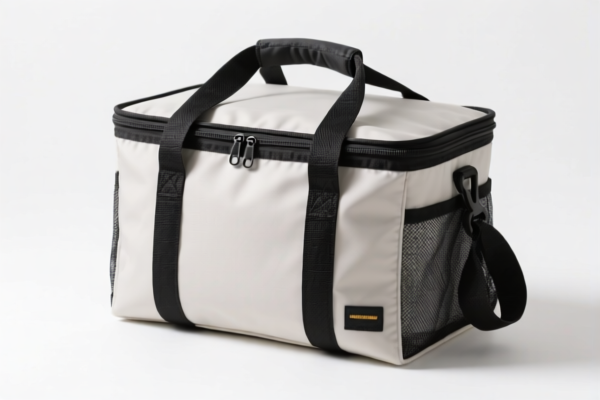
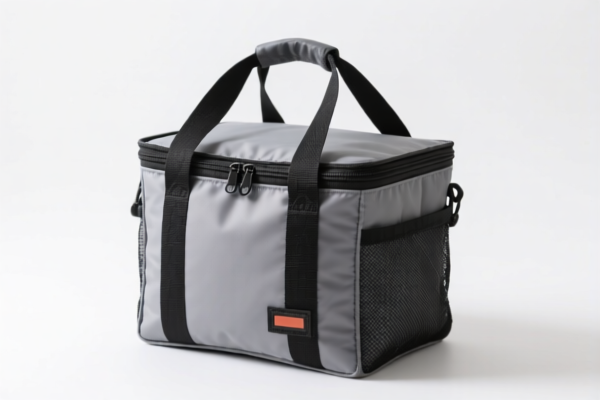
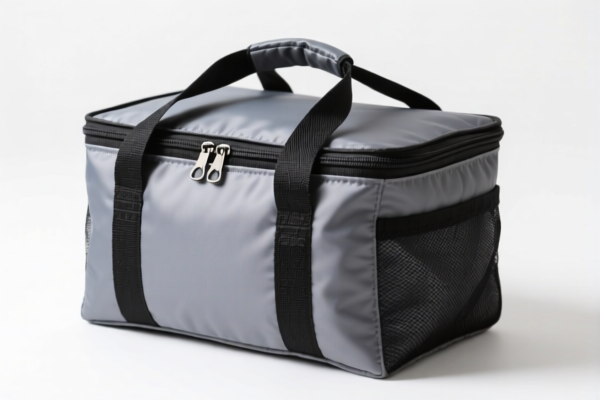
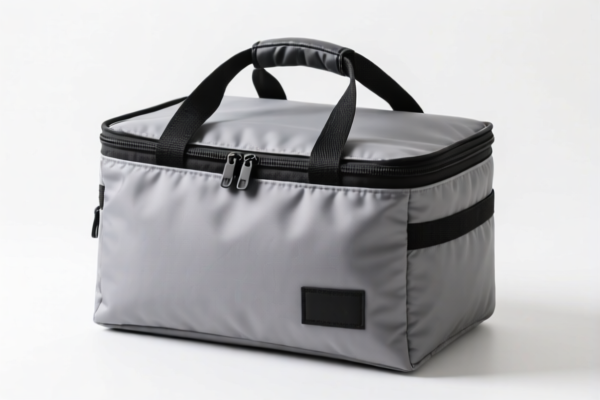
AI Analysis
🛍️ Compact Insulated Food Bag (Packaging Solutions)
🌐 HS Code Reference & Customs Clearance Guide | 2026 Latest Tariff Analysis | Professional Clearance Strategy
📌 I. Product Definition & Classification: What Exactly is an "Insulated Food Bag"?
An Insulated Food Bag is a packaging item designed to maintain the temperature of food contents. In international trade, classification hinges on two critical factors:
1. Material Composition: Is it made of plastic (PE/PP), textile (nylon/polyester with lining), or composite materials (aluminum foil/PE)?
2. Form Factor: Is it classified as a "sack" or "bag" (typically textile or plastic sheets folded/sewn) or a "container" (plastic vessels/forms)?
⚠️ Critical Distinction:
- If the primary characteristic is a plastic film/container structure (e.g., bubble wrap lined with plastic, rigid plastic insulation) → Often falls under Chapter 39 (Plastics).
- If the primary characteristic is a textile or composite sack/bag structure (e.g., woven fabric with aluminum/plastic lining) → Often falls under Chapter 63 (Other Made-up Textile Articles).
📦 II. HS Code Classification Details (2026 Latest Tariff Authority Comparison)
Based on the product description "Compact Insulated Food Bag," here are the four most likely HS Code classifications derived from material and form analysis:
| HS Code | Product Description | Key Classification Logic | Material Inference |
|---|---|---|---|
6305.33.00.80 |
Sacks and bags, of man-made textile materials, for packaging of foods | Matches "food bag" usage + thickened man-made material. Fits the "other items" catch-all for textile-based food packaging. | Polyethylene (PE) or Polypropylene (PP) woven/non-woven fabrics. |
6305.39.00.00 |
Other sacks and bags for packaging of food, of other textile materials or of paper | Matches food packaging usage + bag form factor. Infers non-natural textile materials like Aluminum/PE composite. | Aluminum/PE composite, non-natural textile blends. |
3923.90.00.80 |
Articles for the conveyance or packaging of goods, of plastics, other | Infers Plastic/Aluminum film composite material. Matches "plastic" characteristics. Used for packaging/transport goods. | Plastic/Aluminum foil composite films. |
3923.21.00.80 |
Sacks and bags, of polymers of ethylene, other | Form matches "bag." Material inferred as ethylene polymers (plastic). Purpose matches transport/packaging supplies. | Ethylene polymer (Plastic) bags. |
🔍 Key Note:
- **Chapter 63 (6305.**) is typically preferred for "bags" made of textile fabrics (even if laminated with plastic/aluminum), especially if the textile structure is dominant. - **Chapter 39 (3923.`) is preferred if the item is primarily a plastic vessel, pouch, or flexible packaging made entirely of plastic films/laminates without a significant textile backing.
- The term "Compact" implies size/portability but does not change the fundamental material classification.
💰 III. 2026 Latest Tariff Rate Breakdown (Including Surcharges & Policy Add-ons)
✅ Applicable Country: United States (US)
✅ Country of Origin: China (CN)
✅ Effective Date: From November 10, 2025 (including subsequent imports)
🎯 1. Textile-Based Categories (6305.33.00.80 & 6305.39.00.00)
These codes apply if the bag is considered a "made-up textile article" or "sack/bag" with a textile base.
| Item | Details |
|---|---|
| Base Tariff | 8.4% (ad valorem) |
| Section 301 Surcharge | +7.5% (Standard 301 Tariff for China) |
| 122 Provision Surcharge | +10% (Specific provision for certain textile/packaging goods) |
| Total Tariff Rate | 25.9% |
| Tax Calculation | CIF Value × 25.9% |
| De Minimis Exemption? | ❌ NO (These goods are subject to full duty assessment) |
| Legal Authority Path | USITC:6305.33.00.80 / 6305.39.00.00 → 301:7.5% → 122:10% |
📌 Interpretation:
- The 8.4% is the standard Most Favored Nation (MFN) rate for these textile/packaging bags.
- The 7.5% is the baseline Section 301 tariff applicable to Chinese textile and packaging goods.
- The 10% is an additional surcharge under specific "122条款" (Provision 122) regulations, often applied to specific consumer goods or packaging items from China.
- Total Cost Impact: 25.9% significantly affects margin. Ensure your pricing model accounts for this.
🎯 2. Plastic-Based Categories (3923.90.00.80 & 3923.21.00.80)
These codes apply if the bag is considered a "plastic article" or "plastic sack/bag." Note the higher base tariff for plastics.
| Item | Details |
|---|---|
| Base Tariff | 3.0% (ad valorem) |
| Section 301 Surcharge | +25.0% (Higher 301 Tariff for certain plastic goods) |
| 122 Provision Surcharge | +10% (Same specific provision as above) |
| Total Tariff Rate | 38.0% |
| Tax Calculation | CIF Value × 38.0% |
| De Minimis Exemption? | ❌ NO |
| Legal Authority Path | USITC:3923.21.00.80 / 3923.90.00.80 → 301:25.0% → 122:10% |
📌 Interpretation:
- While the base tariff is lower (3.0% vs 8.4%), the Section 301 surcharge is significantly higher (25% vs 7.5%) for plastic packaging goods.
- This results in a much higher total tax burden (38.0% vs 25.9%).
- Strategic Insight: If your supplier can prove the primary material is textile (even if lined with plastic), classification under Chapter 63 is often more tax-efficient than Chapter 39 for Chinese exports to the US.
🛠️ IV. Customs Clearance Operational Advice (Practical Pitfall Guide)
✅ 1. Required Documentation Checklist (Mandatory)
| Document | Must Provide? | Notes |
|---|---|---|
| ✅ Product Specification Sheet | ✔️ | Must clearly state material composition (e.g., "Outer: Nylon, Lining: PE/Aluminum Foam"). |
| ✅ Material Breakdown | ✔️ | Percentage of textile vs. plastic vs. aluminum. Critical for Chapter 63 vs 39 decision. |
| ✅ Product Photos (Clear) | ✔️ | Show texture, seams, and lining material. |
| ✅ Commercial Invoice | ✔️ | Description must match HS code logic (e.g., "Textile Food Bag" vs "Plastic Pouch"). |
| ✅ Packing List | ✔️ | Confirm weight and dimensions. |
✅ 2. Classification Strategy & Filing Tips
🔥 "Material Defines Chapter, Textile Wins Over Plastic"
| Scenario | Recommended HS Code | Reasoning |
|---|---|---|
| Bag has woven fabric outer layer (even if laminated) | 6305.33.00.80 or 6305.39.00.00 |
Primary material is textile. Lower total tariff (25.9%). |
| Bag is purely plastic film/laminated plastic (no fabric) | 3923.21.00.80 or 3923.90.00.80 |
Primary material is plastic. Higher total tariff (38.0%). |
| Aluminum foil bag | 6305.39.00.00 |
Often classified as "other textile materials" if structural support is non-plastic. |
| "Insulated" with foam inserts | Check if foam is separate. If integral, may still follow primary bag material. | Ensure insulation isn't considered a separate "article." |
📌 Key Advice:
- If the bag is made of non-woven fabric (common for reusable food bags), it falls under Chapter 63.
- If it is a single-layer plastic pouch with bubble insulation, it falls under Chapter 39.
- Always aim for Chapter 63 if possible, due to the lower Section 301 surcharge (7.5% vs 25%).
✅ 3. Special Considerations for "Insulated" Bags
| Situation | Handling Advice |
|---|---|
| Reusable vs. Disposable | Both can be classified under these codes. Reusability doesn't change HS code but may affect marketing claims. |
| Branded Bags | Provide branding details. Ensure invoice matches "White Label" or "Branded" accurately. |
| Sample Shipments | Even samples are subject to full duty (301 + 122). No de minimis exemption for these codes. |
🌍 V. Global Market Clearance Comparison (2026 Latest)
| Country/Region | Recommended HS Code | Total Tariff (CN Origin) | Certification | Notes |
|---|---|---|---|---|
| 🇺🇸 USA | 6305.33.00.80 / 6305.39.00.00 |
25.9% | None specific | High due to 301 + 122. Plastic codes hit 38%. |
| 🇨🇳 China | 6305.33.00.80 / 6305.39.00.00 |
~5-8% | None | Lower base tariff. |
| 🇪🇺 EU | 6305.33.00.80 / 6305.39.00.00 |
~5-10% | REACH (if plastic) | No 301 equivalent. Lower overall cost. |
| 🇨🇦 Canada | 6305.33.00.80 / 6305.39.00.00 |
~5-12% | None | CUSMA may apply if origin shifts. |
| 🇲🇽 Mexico | 6305.33.00.80 / 6305.39.00.00 |
~5-10% | NOM | USMCA may apply if origin shifts. |
📌 Conclusion:
- The US market is the most expensive due to Section 301 and Provision 122.
- Textile-based classification (6305) is crucial to minimize duty from 38% to 25.9%.
- Consider supply chain diversification (e.g., manufacturing in Vietnam/Mexico) to avoid US tariffs if volume is high.
📌 VI. Common Mistakes & Pitfall Guide (Lessons Learned)
❌ Mistake 1: Classifying a textile-lined bag as Plastic (3923)
👉 Consequence: Tariff jumps from 25.9% to 38.0% → Extra 12.1% cost!
❌ Mistake 2: Claiming De Minimis (Section 321) for values > $800
👉 Consequence: Denied. These goods are explicitly subject to Section 301 and 122 surcharges, even in de minimis shipments. Always pay duty.
❌ Mistake 3: Vague description "Food Bag" without material details
👉 Consequence: Customs may audit and reclassify to the higher tariff category (3923) or penalize for misdeclaration.
❌ Mistake 4: Ignoring the 122 Provision (10%)
👉 Consequence: Underpayment of tax. Both textile and plastic codes are subject to this 10% surcharge.
✅ Correct Practice:
"Reusable Insulated Food Bag, Outer Material: Non-woven Polypropylene (Textile), Lining: PE Foil, Closure: Zipper. HS Code: 6305.33.00.80."
🎯 VII. Conclusion: Professional Declaration, Cost Efficiency
🎯 Remember the Golden Rule:
🔹 "Textile Base = 25.9% | Plastic Base = 38.0%"
🔹 "122 Provision = 10% on All | 301 Tariff Differs (7.5% vs 25%)"
🔹 "No De Minimis Exemption = Always Declare Duty"
📌 Pro Tip:
If your volume is significant, consider Advanced Ruling (ACE Portal) with US Customs to confirm the "Principal Character" of the bag (Textile vs. Plastic) before mass shipment. This prevents unexpected 38% duties.
📣 Immediate Action:
📞 Consult your customs broker with material composition sheets.
📊 Calculate landed cost using 25.9% (Textile) vs 38.0% (Plastic) scenarios.
🚀 Optimize packaging design to emphasize textile elements if possible to reduce tariff burden.
✨ Professional Clearance Starts with Accurate Classification!
💼 Every 1% of duty saved is direct profit gained!
Customer Reviews
About HS Code Classification
The Harmonized System (HS) is an internationally standardized nomenclature developed by the World Customs Organization (WCO) to classify traded products. Over 200 countries use the HS system as the basis for customs tariffs, trade statistics, and import/export regulations.
Each HS code follows a hierarchical structure:
- Chapter (2 digits) — Broad category of goods (e.g., Chapter 84: Machinery and Mechanical Appliances)
- Heading (4 digits) — More specific grouping within the chapter
- Subheading (6 digits) — Internationally standardized breakdown, used by all WCO member countries
- National subdivisions (8-10 digits) — Country-specific extensions for further classification, such as US HTSUS 10-digit codes
Correct HS code classification is essential for smooth customs clearance, accurate duty payment, and compliance with trade regulations. Misclassification can lead to customs delays, overpayment of duties, or penalties.
When importing from CN to US, the applicable tariff rates may include:
- Most-Favored-Nation (MFN) rate — The standard duty rate applied to WTO members
- General rate — Applied to countries without trade agreements
- Trade remedy duties — Additional tariffs such as Section 301 (anti-dumping), Section 232 (national security), or countervailing duties
The information provided on this page is for reference purposes only. For official classification, please consult with your local customs authority or a licensed customs broker.