Composite Anti static Non woven Fabric
CN → US| HS Code | Tariff Rate | Origin | Destination | Doc |
|---|---|---|---|---|
| 3921190090 | 41.5% | CN | US | Official Doc |
| 3921905050 | 39.8% | CN | US | Official Doc |
| 3926909989 | 22.8% | CN | US | Official Doc |
| 5903102500 | 42.5% | CN | US | Official Doc |
| 5903902500 | 42.5% | CN | US | Official Doc |
Product Images
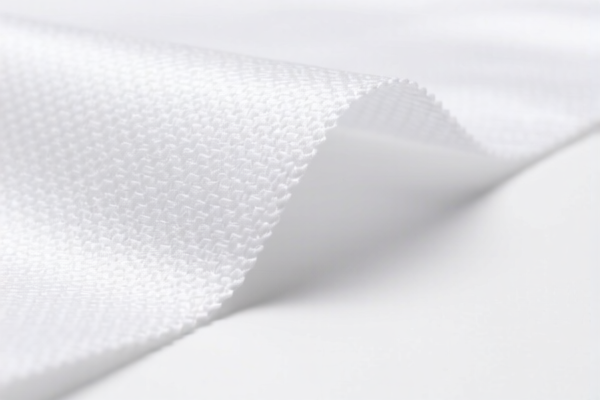
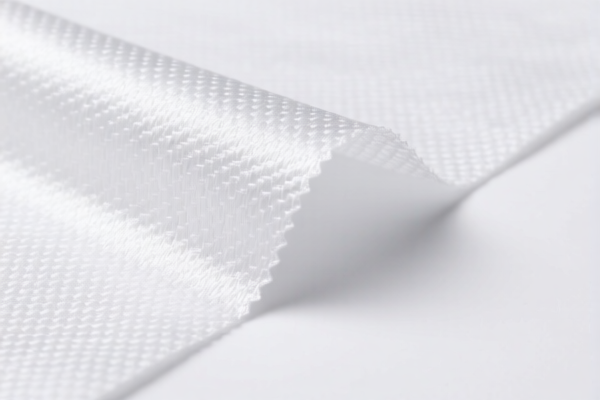
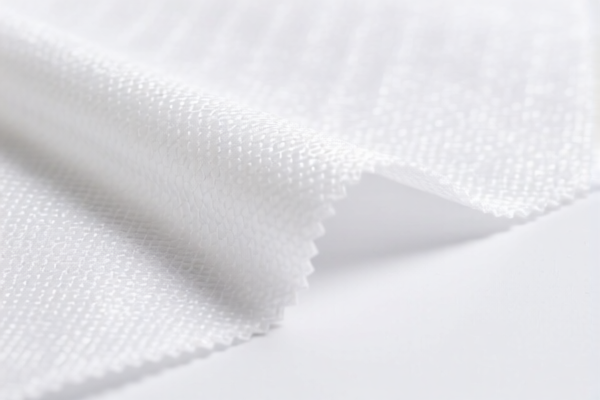
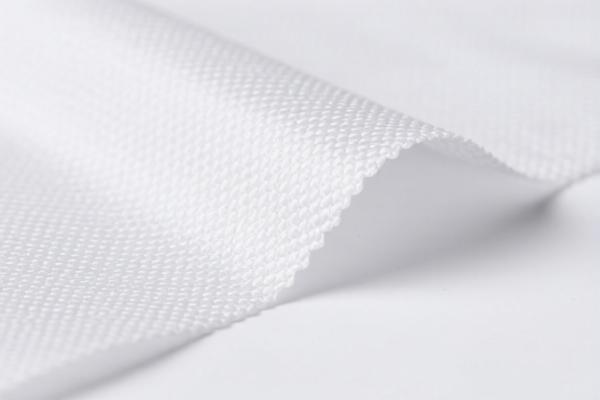
AI Analysis
🧵 Composite Anti-Static Non-Woven Fabric (聚合物混纺防静电材料)
🌐 HS Code Reference & Customs Clearance Guide | 2026 Latest Tariff Analysis | Strategic Compliance Strategy
📌 I. Product Definition: What is "Composite Anti-Static Non-Woven Fabric"?
Composite Anti-Static Non-Woven Fabric is a specialized industrial textile material designed to dissipate static electricity, preventing sparks and dust accumulation. In international trade, it is often classified under the Chinese description provided in the data: "Polymer blended anti-static material" (聚合物混纺防静电材料).
Depending on its material composition (plastic vs. man-made fiber), form (sheet vs. fabric), and end-use, this product can fall into different HS Code categories. Misclassification leads to massive tariff discrepancies.
⚠️ Key Distinction:
- If the material is primarily plastic/polymer in a sheet/material form → Falls under Chapter 39 (Plastics).
- If the material is PVC/Plastic in a textile fabric form → Falls under Chapter 59 (Textile Impregnated with Plastic).
- If the material is Man-made Fiber with anti-static function → Falls under Chapter 59 or 54/55 depending on specific structure.
📦 II. HS Code Classification Details (Based on Provided Data)
| HS Code | Product Description (Chinese/English) | Key Characteristics | Primary Material | Form |
|---|---|---|---|---|
| 3921.19.00.90 | Polymer Blended Anti-Static Material | Other plastic materials | Plastic | Material/Sheet |
| 3921.90.50.50 | Polymer Blended Anti-Static Material | Other category (Misc.) | Plastic | Material/Sheet |
| 3926.90.99.89 | Polymer Blended Anti-Static Material | Unlisted other articles | Plastic/Polymer | Unlisted Article |
| 5903.10.25.00 | Polymer Blended Anti-Static Material | Textile Fabric | PVC/Plastic | Textile Fabric |
| 5903.90.25.00 | Polymer Blended Anti-Static Material | Textile Fabric (Anti-static use) | Man-made Fiber | Textile Fabric |
🔍 Critical Analysis:
- Chapter 39 (Plastics): Codes3921and3926apply if the product is considered a plastic article or sheet, even if it has fabric-like properties. The term "Non-woven" often triggers Chapter 39 if it's a plastic felt or sheet. - Chapter 59 (Impregnated/Coated Textiles): Codes5903apply if the base is textile (fabric/non-woven) and it is impregnated/coated with plastic (like PVC) for anti-static or protective purposes.
💰 III. 2026 Latest Tariff Rate Breakdown (Including Surtaxes & Policy Add-ons)
✅ Applicable Country: United States (US)
✅ Origin: China (CN)
✅ Effective Date: 2025/2026 (Current Trade War Context)
✅ Note: All rates below include Base Tariff + Section 301 (25%) + Section 122 (10%) where applicable.
🎯 1. 3921.19.00.90 — Plastic Sheets/Materials (Anti-Static)
| Item | Content |
|---|---|
| Base Tariff | 6.5% |
| Section 301 Surtax | +25.0% |
| Section 122 Tariff | +10.0% |
| Total Tariff Rate | 41.5% |
| Tax Calculation | CIF Value × 41.5% |
| De Minimis Exemption | ❌ Not Eligible (High tariff rates exceed threshold) |
| Legal Basis | HTSUS:3921.19 → Section 301: Footnote 9903.88.01 → Section 122 |
📌 Explanation:
This code applies to plastic anti-static sheets/materials not specified elsewhere. The 41.5% total rate is significant. The "Section 122" tariff is a specific additional duty often applied to certain plastic goods from China under recent trade enforcement actions.
🎯 2. 3921.90.50.50 — Other Plastic Materials (Anti-Static)
| Item | Content |
|---|---|
| Base Tariff | 4.8% |
| Section 301 Surtax | +25.0% |
| Section 122 Tariff | +10.0% |
| Total Tariff Rate | 39.8% |
| Tax Calculation | CIF Value × 39.8% |
| De Minimis Exemption | ❌ Not Eligible |
| Legal Basis | HTSUS:3921.90 → Section 301 → Section 122 |
📌 Explanation:
Slightly lower base rate than3921.19, but the 301+122 surtaxes remain the same. Total 39.8% is still high. This is often a "catch-all" for plastic materials that don't fit specific sub-categories.
🎯 3. 3926.90.99.89 — Other Plastic Articles (Anti-Static)
| Item | Content |
|---|---|
| Base Tariff | 5.3% |
| Section 301 Surtax | +7.5% (Note: Data shows 7.5% surtax, possibly under specific exemption or different category) |
| Section 122 Tariff | +10.0% |
| Total Tariff Rate | 22.8% |
| Tax Calculation | CIF Value × 22.8% |
| De Minimis Exemption | ❌ Not Eligible |
| Legal Basis | HTSUS:3926.90 → Section 301 → Section 122 |
📌 CRITICAL INSIGHT:
This is the MOST COST-EFFECTIVE option if your product can be classified here.
- Why? The Section 301 surtax is only 7.5% (likely due to being classified as an "Other plastic article" rather than "Sheet/Material"), while Section 122 remains 10%.
- Total: 22.8% vs. 40%+ for other codes.
- Condition: The product must be considered an "unlisted other article" rather than a raw material or fabric.
🎯 4. 5903.10.25.00 — PVC Textile Fabric (Anti-Static)
| Item | Content |
|---|---|
| Base Tariff | 7.5% |
| Section 301 Surtax | +25.0% |
| Section 122 Tariff | +10.0% |
| Total Tariff Rate | 42.5% |
| Tax Calculation | CIF Value × 42.5% |
| De Minimis Exemption | ❌ Not Eligible |
| Legal Basis | HTSUS:5903.10 → Section 301 → Section 122 |
📌 Explanation:
If your non-woven fabric is PVC-coated/impregnated and classified as a "textile fabric," it falls here. Despite being "fabric," the plastic content triggers high tariffs. 42.5% is the highest base rate among plastic-related codes.
🎯 5. 5903.90.25.00 — Other Textile Fabric with Plastic (Anti-Static)
| Item | Content |
|---|---|
| Base Tariff | 7.5% |
| Section 301 Surtax | +25.0% |
| Section 122 Tariff | +10.0% |
| Total Tariff Rate | 42.5% |
| Tax Calculation | CIF Value × 42.5% |
| De Minimis Exemption | ❌ Not Eligible |
| Legal Basis | HTSUS:5903.90 → Section 301 → Section 122 |
📌 Explanation:
If the material is man-made fiber (not PVC) but treated/coated for anti-static purposes and classified under Chapter 59, it incurs the same 42.5% rate. The high base tariff (7.5%) plus full surtaxes makes this expensive.
🛠️ IV. Customs Clearance Practical Advice (Avoiding Pitfalls)
✅ 1. Documentation Checklist (Non-negotiable)
| Document | Must Provide | Purpose |
|---|---|---|
| ✅ Product Spec Sheet | ✔️ | Detail: Material composition (% Plastic vs. Fiber), Anti-static mechanism (surface treatment vs. additive), Form (sheet/fabric). |
| ✅ Material Safety Data Sheet (MSDS) | ✔️ | For chemical treatment verification (anti-static agents). |
| ✅ Product Photos (Clear) | ✔️ | Show texture, thickness, edge finish, and any labels indicating "Anti-Static" or "ESD." |
| ✅ Commercial Invoice | ✔️ | Must clearly state "Composite Anti-Static Non-Woven Fabric" and HS Code. |
| ✅ Origin Certificate (CO) | ✔️ | Essential for verifying China origin to apply correct surtaxes. |
| ✅ Packaging List | ✔️ | Describe units (rolls, sheets) and weight accurately. |
✅ 2. Classification Strategy (Key to Saving Money)
🔥 Strategy: "Fight for Chapter 39, Sub-code 3926"
Aim for3926.90.99.89(22.8% total tariff) instead of Chapter 59 (42.5%) or other Chapter 39 codes (39.8–41.5%).
| Scenario | Recommended HS Code | Total Tax | Why? |
|---|---|---|---|
| Plastic Sheet/Felt, not textile | 3926.90.99.89 |
22.8% | Lowest tariff. Argue it's a "plastic article," not a textile. |
| Pure Plastic Material | 3921.90.50.50 |
39.8% | If it doesn't fit "article" definition, use this. |
| PVC-Coated Fabric | 5903.10.25.00 |
42.5% | High tax. Only if PVC layer is dominant and it's clearly textile. |
| Man-Made Fiber Fabric | 5903.90.25.00 |
42.5% | High tax. Avoid if possible; re-classify as plastic sheet. |
📌 Warning:
- Do NOT declare as "Textile Fabric" (5903) if the product is primarily plastic-based. Customs will re-classify and charge back-taxes + penalties.
- Do NOT use "General Plastic" codes if it has textile characteristics. Misclassification risks seizure.
✅ 3. Special Cases & Mitigation
| Situation | Action Plan |
|---|---|
| Product is ESD (Electrostatic Discharge) Safe | Highlight "Anti-Static" in description to qualify for specific industrial use exemptions if available (rare for China origin). |
| Mixed Material (Plastic + Fiber) | Argue for Chapter 39 if plastic is the essential character. Use the "3926" code for lower tariff. |
| Small Sample Shipments | Even de minimis ($800) shipments are subject to full tariffs if HS Code is high. Do not assume free entry. |
| Re-export from Third Country | If re-shipped from Vietnam/Malaysia, ensure no substantial transformation occurred. Otherwise, US origin rules may still apply or require complex tracing. |
🌍 V. Global Market Comparison (2026 Context)
| Market | Recommended HS Code | Est. Total Tariff (China Origin) | Notes |
|---|---|---|---|
| 🇺🇸 USA | 3926.90.99.89 |
22.8% | Best option. High tariffs elsewhere (39–42.5%). |
| 🇪🇺 EU | 3921 or 5903 |
6.5% – 12% | Lower base tariffs. No Section 301. CBAM may apply if plastic content is high. |
| 🇨🇳 China (Export) | N/A | 0% | Export duty is 0% for most plastics/textiles. |
| 🇲🇽 Mexico | Varies | 5% – 15% | Check USMCA eligibility if re-exported. |
📌 Conclusion:
- The US market is the most expensive due to 301 and 122 tariffs.
- Classification as3926.90.99.89saves ~17-20% compared to textile-based classifications.
- Always prioritize product description that emphasizes "plastic article" over "textile fabric" if technically defensible.
📌 VI. Common Mistakes & Pitfalls (Learn from Others)
❌ Mistake 1: Declaring as "Non-Woven Fabric" (Chapter 56/59) when it’s actually a plastic sheet.
👉 Result: Customs re-classifies to 5903 or 3921 + penalties. Tariff jumps from 22.8% to 42.5%.
❌ Mistake 2: Ignoring Section 122 Tariff.
👉 Result: Under-declaration. The 10% Surtax is not optional for China-origin plastics. Audit risk is high.
❌ Mistake 3: Using generic "Plastic Material" description.
👉 Result: Customs officer may choose the highest applicable code. Be specific: "Composite Anti-Static Plastic Sheet, 0.5mm, PVC-based."
❌ Mistake 4: Assuming De Minimis ($800) applies.
👉 Result: Even small shipments are subject to full tariffs if the HS Code is flagged. Pre-pay duties to avoid delays.
✅ Best Practice:
“Composite Anti-Static Plastic Sheet, PVC-based, Non-woven structure, Industrial Use, Model XYZ, Anti-Static Level 10^6-10^9 Ohms”
🎯 VII. Conclusion: Smart Classification, Lower Costs!
🎯 Key Takeaway:
🔹 Aim for
3926.90.99.89(22.8%) – It’s the sweet spot for plastic-based anti-static materials.
🔹 Avoid5903codes (42.5%) – Unless it’s genuinely textile-based with minimal plastic.
🔹 Always include Section 122 (10%) in your cost calculations.
📌 Pro Tip:
If your product can be justified as an "Other Plastic Article" (
3926) rather than a "Sheet" (3921) or "Fabric" (5903), you save ~20% in tariffs.
Consult a customs broker for a Pre-Ruling before shipping large volumes.
📣 Immediate Action:
📞 Contact a licensed customs broker with your product specs.
📄 Request an Advance Ruling from US CBP for HS Code3926.90.99.89.
🚀 Optimize your supply chain to mitigate the 22.8%–42.5% tariff burden.
✨ Precision in Classification, Profit in Clearance!
💼 Every percentage point saved is pure profit!
Customer Reviews
About HS Code Classification
The Harmonized System (HS) is an internationally standardized nomenclature developed by the World Customs Organization (WCO) to classify traded products. Over 200 countries use the HS system as the basis for customs tariffs, trade statistics, and import/export regulations.
Each HS code follows a hierarchical structure:
- Chapter (2 digits) — Broad category of goods (e.g., Chapter 84: Machinery and Mechanical Appliances)
- Heading (4 digits) — More specific grouping within the chapter
- Subheading (6 digits) — Internationally standardized breakdown, used by all WCO member countries
- National subdivisions (8-10 digits) — Country-specific extensions for further classification, such as US HTSUS 10-digit codes
Correct HS code classification is essential for smooth customs clearance, accurate duty payment, and compliance with trade regulations. Misclassification can lead to customs delays, overpayment of duties, or penalties.
When importing from CN to US, the applicable tariff rates may include:
- Most-Favored-Nation (MFN) rate — The standard duty rate applied to WTO members
- General rate — Applied to countries without trade agreements
- Trade remedy duties — Additional tariffs such as Section 301 (anti-dumping), Section 232 (national security), or countervailing duties
The information provided on this page is for reference purposes only. For official classification, please consult with your local customs authority or a licensed customs broker.