Composite Non woven Fabric for Anti static
CN → US| HS Code | Tariff Rate | Origin | Destination | Doc |
|---|---|---|---|---|
| 3921190090 | 41.5% | CN | US | Official Doc |
| 3921905050 | 39.8% | CN | US | Official Doc |
| 3926909989 | 22.8% | CN | US | Official Doc |
| 5903102500 | 42.5% | CN | US | Official Doc |
| 5903902500 | 42.5% | CN | US | Official Doc |
Product Images
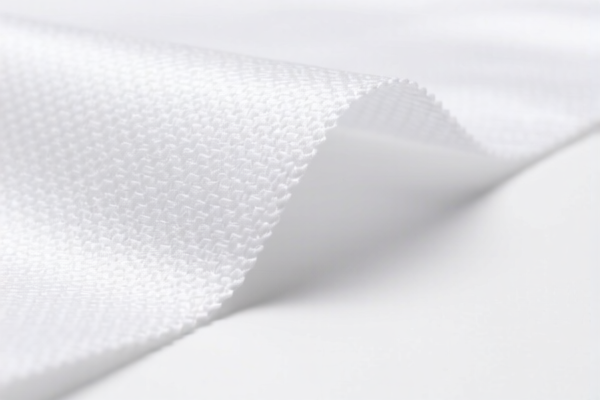
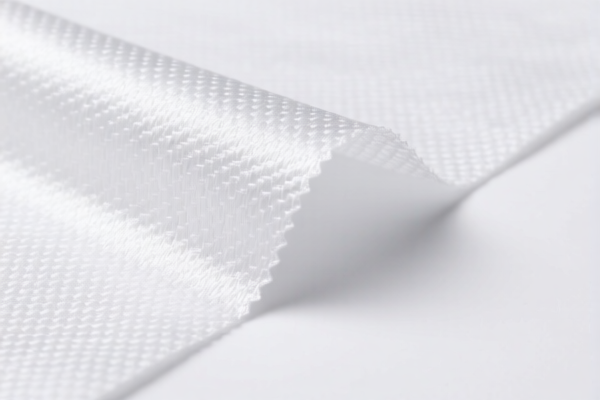
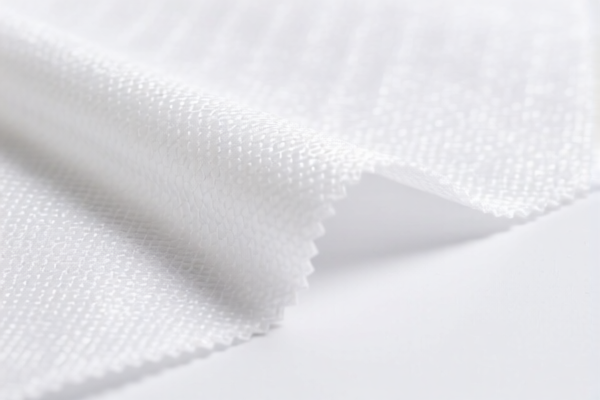
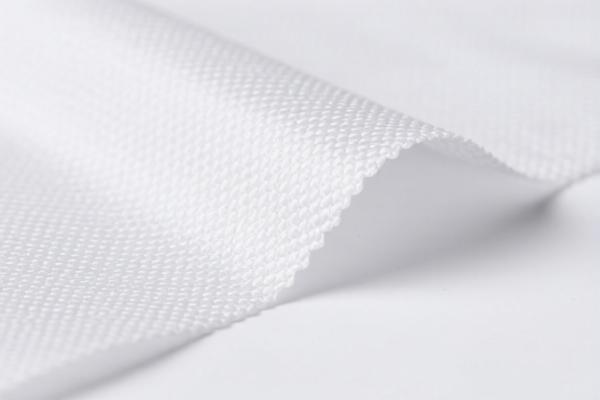
AI Analysis
🧵 Composite Non-Woven Fabric for Anti-Static | Industrial & Textile Solutions
🌐 HS Code Reference & Customs Clearance Guide | 2026 Latest Tariff Analysis | Professional Clearance Strategy
📌 I. Product Definition & Classification: Do You Really Understand "Composite Non-Woven Fabric"?
Composite non-woven fabric for anti-static purposes is a specialized industrial material often used in cleanrooms, electronics packaging, medical protective clothing, and filter media. It combines synthetic polymers (usually plastics like PP, PET, or PVC) with anti-static agents to dissipate electrostatic discharge (ESD).
In international trade, its classification depends heavily on: 1. Material Composition: Is it primarily plastic (polymer) or textile (man-made fibers)? 2. Form/Structure: Is it a flat sheet material (plastic product), a textile fabric, or an unclassified制品? 3. Processing Level: Is it a basic material or a finished article?
⚠️ Key Distinction Points:
- If it is a basic polymer sheet/film without specific textile weaving/knitting structures → Often classified under Chapter 39 (Plastics)
- If it is a textile fabric (woven/knitted/non-woven treated as textile) → Often classified under Chapter 59 (Impregnated/Coated Textiles)
- If it doesn’t fit neatly into plastic or textile definitions → May fall under Chapter 96 or 90 (Miscellaneous Articles)
📦 II. HS Code Classification Details (2026 Latest Tariff Authority Comparison)
| HS Code | Product Description | Applicable Scenario | Material/Form Nature |
|---|---|---|---|
3921.19.00.90 |
Composite non-woven anti-static material; plastic-based; in sheet/film form; meets "Other plastic products" requirements | Basic plastic sheets/films with anti-static coating; industrial liners; packaging base layers | ✅ Plastic-based, sheet form |
3921.90.50.50 |
Composite non-woven anti-static material; plastic-based; belongs to "Other" category (not specified elsewhere) | General-purpose plastic composite materials; non-standard forms; industrial intermediates | ✅ Plastic-based, unspecified form |
3926.90.99.89 |
Composite non-woven anti-static material; plastic/polymer-based; unclassified finished articles | Finished non-plastic/textile items made of polymer composites; specialized industrial components | ✅ Plastic/Polymer, finished article |
5903.10.25.00 |
Composite non-woven anti-static material; PVC or similar plastics; textile fabric form | PVC-coated non-woven fabrics; textile-like plastics; floor coverings, upholstery base | ✅ PVC/Plastic, textile fabric form |
5903.90.25.00 |
Composite non-woven anti-static material; man-made fibers; textile fabric form; anti-static use | Non-woven fabrics made of synthetic fibers (PET/PP) treated for anti-static use; filter media; protective textiles | ✅ Man-made fiber, textile fabric form |
🔍 Key Reminder:
- If the material is primarily plastic (PVC, PE, PP) and in sheet form, it leans toward Chapter 39 (3921or3926).
- If the material is textile-based (man-made fibers) and treated/coated, it leans toward Chapter 59 (5903).
- Anti-static function alone does not determine HS code; material composition and form are decisive.
💰 III. 2026 Latest Tariff Rate Breakdown (Including Additional Taxes & Policy Surcharges)
✅ Applicable Country: United States (US)
✅ Country of Origin: China (CN)
✅ Effective Date: From November 10, 2025 (and subsequent imports)
🎯 1. 3921.19.00.90 —— Plastic-Based Composite Non-Woven Sheet
| Item | Detail |
|---|---|
| Base Tariff | 6.5% (ad valorem) |
| Section 301 Additional Tariff | +25.0% |
| Section 122 Tariff (IEEPA) | +10.0% (targeting China/HK products) |
| Total Tariff Rate | 41.5% |
| Tax Calculation | CIF Value × 41.5% |
| De Minimis Exemption Available? | ❌ No (deny_de_minimis) |
| Legal Basis Path | IEEPA:9903.01.25 → USITC:3921.19.00.90 → FOOTNOTE:301-3921 |
📌 Explanation:
- The 25% is the standard Section 301 tariff on Chinese plastic products;
- The 10% is the additional IEEPA surcharge for Chinese-sourced goods;
- Total 41.5% is high. Misclassification as textile could reduce tariff but risks penalties.
🎯 2. 3921.90.50.50 —— Other Plastic-Based Composite Materials
| Item | Detail |
|---|---|
| Base Tariff | 4.8% |
| Section 301 Additional Tariff | +25.0% |
| Section 122 Tariff (IEEPA) | +10.0% |
| Total Tariff Rate | 39.8% |
| Tax Calculation | CIF Value × 39.8% |
| De Minimis Exemption Available? | ❌ No |
| Legal Basis Path | IEEPA:9903.01.25 → USITC:3921.90.50.50 → FOOTNOTE:301-3921 |
📌 Note:
- Slightly lower base rate than3921.19.00.90, but same additional surcharges;
- Suitable for non-standard plastic composites not covered under specific subheadings.
🎯 3. 3926.90.99.89 —— Unclassified Plastic/Polymer Articles
| Item | Detail |
|---|---|
| Base Tariff | 5.3% |
| Section 301 Additional Tariff | +7.5% |
| Section 122 Tariff (IEEPA) | +10.0% |
| Total Tariff Rate | 22.8% |
| Tax Calculation | CIF Value × 22.8% |
| De Minimis Exemption Available? | ❌ No |
| Legal Basis Path | IEEPA:9903.01.25 → USITC:3926.90.99.89 → FOOTNOTE:301-3926 |
📌 Important:
- This is a "catch-all" for plastic articles not elsewhere specified;
- Lowest total tariff (22.8%) among plastic-related codes;
- Must prove the product is a finished article, not a raw material or fabric.
🎯 4. 5903.10.25.00 —— PVC-Based Anti-Static Textile Fabric
| Item | Detail |
|---|---|
| Base Tariff | 7.5% |
| Section 301 Additional Tariff | +25.0% |
| Section 122 Tariff (IEEPA) | +10.0% |
| Total Tariff Rate | 42.5% |
| Tax Calculation | CIF Value × 42.5% |
| De Minimis Exemption Available? | ❌ No |
| Legal Basis Path | IEEPA:9903.01.25 → USITC:5903.10.25.00 → FOOTNOTE:301-5903 |
📌 Warning:
- Even though it’s “textile,” if PVC-dominated, it’s taxed as plastic-heavy textile;
- High tariff due to Section 301 on textiles/plastics hybrid.
🎯 5. 5903.90.25.00 —— Man-Made Fiber Anti-Static Fabric
| Item | Detail |
|---|---|
| Base Tariff | 7.5% |
| Section 301 Additional Tariff | +25.0% |
| > Section 122 Tariff (IEEPA) | +10.0% |
| Total Tariff Rate | 42.5% |
| Tax Calculation | CIF Value × 42.5% |
| De Minimis Exemption Available? | ❌ No |
| Legal Basis Path | IEEPA:9903.01.25 → USITC:5903.90.25.00 → FOOTNOTE:301-5903 |
📌 Note:
- Same tariff as5903.10.25.00;
- Applies to synthetic fiber non-wovens (PET, PP, NY) with anti-static treatment;
- Must provide fiber composition proof to justify Chapter 59 classification.
🛠️ IV. Customs Clearance Practical Advice (Pitfall Avoidance Guide)
✅ 1. Required Documentation Checklist (All Mandatory)
| Document | Must Provide | Explanation |
|---|---|---|
| ✅ Product Specification Sheet | ✔️ | Include material composition, anti-static mechanism, weight, thickness |
| ✅ Material Composition Proof | ✔️ | Lab report or supplier declaration confirming plastic vs. fiber ratio |
| ✅ Product Photos (With Label) | ✔️ | Clear shots of packaging, labels, and product surface |
| ✅ Third-Party Test Report | ✔️ | Anti-static resistance test (e.g., ASTM D257, IEC 61340) |
| ✅ Commercial Invoice | ✔️ | Clearly state “Composite Non-Woven Fabric for Anti-Static” + HS Code |
| ✅ Certificate of Origin (CO) | ✔️ | If non-Chinese origin, may qualify for reduced tariffs |
| ✅ Packing List | ✔️ | Detail roll size, weight, dimensions to avoid volume discrepancies |
✅ 2. Declaration Tips (Key Mantra)
🔥 “Material First, Form Second, Anti-Static is Function, Not Classification!”
| Scenario | Correct Declaration | Incorrect Practice |
|---|---|---|
| Plastic-based sheet | 3921.19.00.90 |
Misdeclare as textile → 42.5% or penalty |
| PVC-coated fabric | 5903.10.25.00 |
Misdeclare as plastic sheet → 41.5% or penalty |
| Finished plastic article | 3926.90.99.89 |
Misdeclare as raw material → 41.5% |
| Man-made fiber non-woven | 5903.90.25.00 |
Misdeclare as plastic → 42.5% |
✅ 3. Special Cases Handling
| Scenario | Handling Advice |
|---|---|
| OEM Custom Fabric | Provide client PO + design specs to prove specific use |
| Mixed Material (Plastic + Fiber) | Declare based on principal material by weight; provide lab report |
| Anti-Static Additive Content >5% | May trigger chemical import regulations; provide MSDS |
| Cleanroom Grade | Specify “ISO Class X” on invoice to justify industrial use |
🌍 V. Global Market Comparison (2026 Latest)
| Country/Region | Recommended HS Code | Tariff | Certification | Notes |
|---|---|---|---|---|
| 🇺🇸 US | 3921.19.00.90 / 5903.90.25.00 |
22.8% – 42.5% (China-origin) | No specific | High due to 301 + IEEPA |
| 🇨🇳 China | 3921.19.00.90 / 5903.90.25.00 |
5% – 7.5% | No extra | No additional surcharges |
| 🇪🇺 EU | 3921.19.00 / 5903.90.25 |
0% – 4.7% | REACH + RoHS | No 301/IEEPA equivalent |
| 🇬🇧 UK | 3921.19.00 / 5903.90.25 |
0% – 5% | UKCA + REACH | Post-Brexit independent tariffs |
| 🇯🇵 Japan | 3921.19.00 / 5903.90.25 |
0% – 3.9% | PSE + JIS | Low baseline tariffs |
📌 Conclusion:
- US is the most expensive market due to Section 301 + IEEPA;
- EU/UK/Japan offer significantly lower tariffs if compliant with local regulations;
- Consider transshipment or third-country manufacturing (e.g., Vietnam, Mexico) for IEEPA mitigation.
📌 VI. Common Errors & Pitfalls (Blood Lessons)
❌ Error 1: Declaring “Anti-Static Fabric” without specifying material basis
👉 Consequence: Customs reclassifies → 42.5% + penalties
❌ Error 2: Using “Non-Woven Fabric” as generic description
👉 Consequence: Ambiguity → Delayed clearance or seizure
❌ Error 3: Omitting anti-static test reports
👉 Consequence: Suspected false declaration → Inspection delay
❌ Error 4: Mixing plastic and fiber materials without declaration
👉 Consequence: Misclassification → Back taxes + fines
✅ Correct Approach:
“Composite Non-Woven Fabric, 60% PP/40% PET, Anti-Static Treated, 50 Micron Thickness, For Electronics Packaging, Model XYZ, RoHS Compliant”
🎯 VII. Conclusion: Precise Classification Saves Money!
🎯 Remember Mantra:
🔹 “Material Dictates HS, Anti-Static is Just Feature”
🔹 “Plastic Sheet = 3921, Fiber Fabric = 5903, Finished Article = 3926”
🔹 “US Tariff = 22.8%–42.5%, EU/JP = 0%–5%”
📌 Pro Tip:
If your fabric is originating from Vietnam, Malaysia, or Thailand, you may apply for IEEPA Exemption, reducing tariffs to 0%–5%.
Recommend Advance Ruling Application to avoid clearance risks.
📣 Immediate Action:
📞 Contact licensed customs broker + Provide product photos + Apply for HS Code Advance Ruling
🚀 Ensure smooth clearance, reduce costs, maximize profit margins!
✨ Professional Clearance Starts with Accurate Classification!
💼 Every cent saved is a cent earned!
Customer Reviews
About HS Code Classification
The Harmonized System (HS) is an internationally standardized nomenclature developed by the World Customs Organization (WCO) to classify traded products. Over 200 countries use the HS system as the basis for customs tariffs, trade statistics, and import/export regulations.
Each HS code follows a hierarchical structure:
- Chapter (2 digits) — Broad category of goods (e.g., Chapter 84: Machinery and Mechanical Appliances)
- Heading (4 digits) — More specific grouping within the chapter
- Subheading (6 digits) — Internationally standardized breakdown, used by all WCO member countries
- National subdivisions (8-10 digits) — Country-specific extensions for further classification, such as US HTSUS 10-digit codes
Correct HS code classification is essential for smooth customs clearance, accurate duty payment, and compliance with trade regulations. Misclassification can lead to customs delays, overpayment of duties, or penalties.
When importing from CN to US, the applicable tariff rates may include:
- Most-Favored-Nation (MFN) rate — The standard duty rate applied to WTO members
- General rate — Applied to countries without trade agreements
- Trade remedy duties — Additional tariffs such as Section 301 (anti-dumping), Section 232 (national security), or countervailing duties
The information provided on this page is for reference purposes only. For official classification, please consult with your local customs authority or a licensed customs broker.