Composite Non woven Fabric for Filtration
CN → US| HS Code | Tariff Rate | Origin | Destination | Doc |
|---|---|---|---|---|
| 8421290065 | 35.0% | CN | US | Official Doc |
| 8421390115 | 35.0% | CN | US | Official Doc |
| 5603110070 | 35.0% | CN | US | Official Doc |
| 6307909891 | 24.5% | CN | US | Official Doc |
| 5603120070 | 35.0% | CN | US | Official Doc |
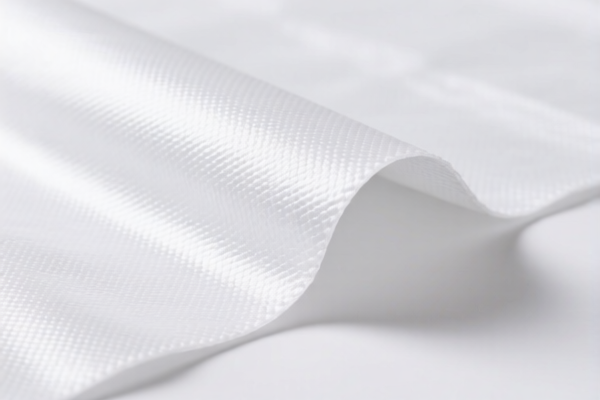
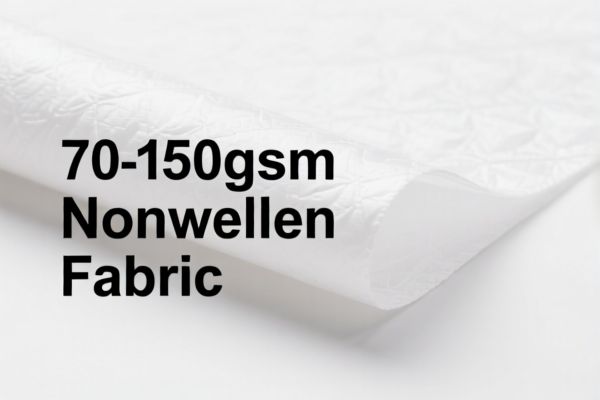
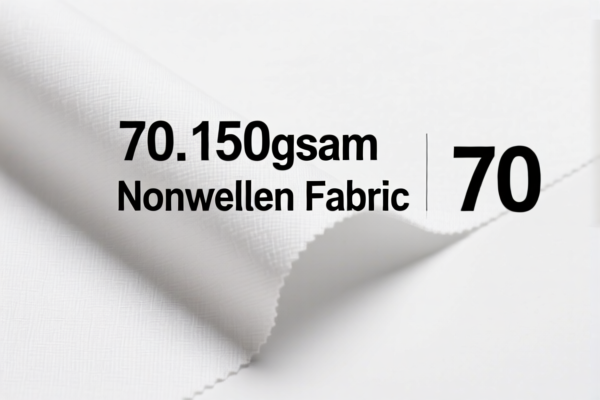
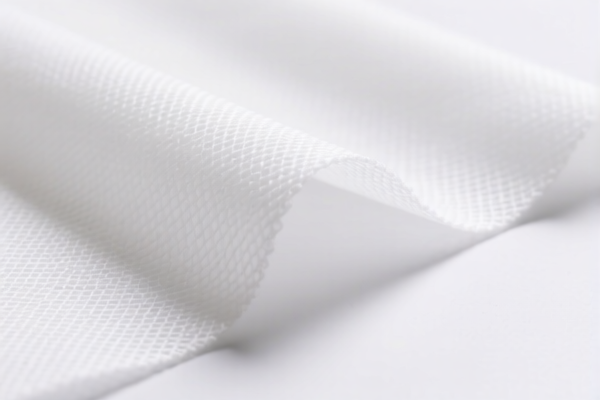
Product Images
AI Analysis
🧵 Non-Woven Filtration Fabrics: The Ultimate HS Code & Tax Guide (2026 Edition)
🌐 HS Code Reference & Clearance Strategy | 2026 Tax Rules Decoded | Professional Export Guide
📌 I. Product Definition & Classification: Do You Know What "Filtration Fabric" Really Is?
Composite Non-Woven Fabric for Filtration is a high-performance industrial material used to remove impurities from liquids and gases. In international trade, its classification depends on:
1. Physical Form: Is it a raw roll, a cut component, or a finished bag?
2. Application: Is it a standalone product or part of a machine?
3. Composition: Does it qualify as "non-woven" (Chapter 56) or a "finished article" (Chapter 63)?
⚠️ Critical Distinction:
- Raw/Sheet Form: Sold as rolls for further processing → HS 5603.11/5603.12
- Finished Component: Cut to shape for a specific machine → HS 8421.29/8421.39
- Final Product: Packaged and sold as a "bag" or "article" → HS 5603.11/6307.90
📦 II. HS Code Classification Matrix (2026 Official Tariff Schedule)
| HS Code | Product Description | Key Characteristics | Tax Rate (China Origin → US) |
|---|---|---|---|
| 5603.11.00.70 | Non-woven Filtration Bags (Finished) | Ready-made bags, packaged for sale; focus on "finished article" status. | 35.0% |
| 5603.12.00.70 | Non-woven Products (Manufactured) | Cut or shaped non-woven material; consistent with non-woven article definition. | 35.0% |
| 6307.90.98.91 | Other Made-Up Articles | Deduced non-woven material, no material conflict; general "other articles." | 24.5% |
| 8421.29.00.65 | Filter Components (Liquid) | Components inside liquid filtration machines (e.g., filter inserts). | 35.0% |
| 8421.39.01.15 | Filter Elements (Dust Control) | Bag-shaped components for dust removal equipment. | 35.0% |
🔍 Why This Classification?
- 5603.xxxx: The base material is "non-woven," but if it's a finished bag or shaped article, it falls here.
- 6307.90: If the fabric is cut into a specific "made-up" shape not covered elsewhere, this is the fallback.
- 8421.29/39: If the fabric is strictly a component inside a machine (not sold separately), it is classified as a machine part.
💰 III. 2026 Tariff Rate Breakdown (Detailed Policy Analysis)
✅ Applicable Market: USA (US)
✅ Country of Origin: China (CN)
✅ Effective Date: All rates active as of 2026 imports
🎯 Scenario A: High-Tax Category (35.0%)
Applicable Codes: 5603.11.00.70, 5603.12.00.70, 8421.29.00.65, 8421.39.01.15
| Tax Component | Rate | Policy Source | Logic |
|---|---|---|---|
| Base Duty | 0.0% | General MFN | Standard MFN rate for non-wovens/machine parts is often 0%. |
| Section 301 / "Plus" Tax | +25.0% | USITC / Trade Act | Section 301 specific surcharge on Chinese industrial goods. |
| Section 122 Tax | +10.0% | IEEPA / EO 13936 | "Section 122" (often referencing specific executive orders on strategic materials/tech). |
| 🔥 TOTAL RATE | 35.0% | High Risk | No de minimis exemption. Must be pre-calculated. |
📌 Explanation:
- 25% "Plus Tax": The standard penalty for "List 4" or similar Chinese industrial categories.
- 10% "122 Clause Tax": A specific surcharge for goods deemed sensitive or strategic (often linked to supply chain security).
- Result: 35% total duty is a massive cost driver for filtration fabrics.
🎯 Scenario B: Lower-Tax Category (24.5%)
Applicable Code: 6307.90.98.91 ("Other Made-Up Articles")
| Tax Component | Rate | Policy Source | Logic |
|---|---|---|---|
| Base Duty | 7.0% | General MFN | Non-woven articles often carry a base duty. |
| Section 301 / "Plus" Tax | +7.5% | USITC / Trade Act | Reduced surcharge due to "general article" status vs. "specific component." |
| Section 122 Tax | +10.0% | IEEPA / EO 13936 | Still applies (122 clause is broad). |
| 💰 TOTAL RATE | 24.5% | Moderate Risk | Better than 35%, but still high. |
📌 Strategic Insight:
- If your product can be classified as a "general made-up article" (6307) rather than a "machine component (8421)" or "specific non-woven (5603)", you save 10.5% in total duty.
- However, the 10% Section 122 tax applies to ALL codes in your data, so the difference is strictly in the Base + Section 301 rates.
🛠️ IV. Clearance Practical Advice (Avoiding Customs Traps)
✅ 1. Documentation Checklist (Must-Haves)
| Document | Requirement | Why It Matters |
|---|---|---|
| Technical Spec Sheet | ✔️ Critical | Must explicitly state: "Non-woven," "Filtration Purpose," "Dimensions," "Material Composition." |
| Product Photos | ✔️ Critical | Show the final form: Is it a roll? A bag? A machine insert? (Crucial for 5603 vs. 8421). |
| Invoice | ✔️ Critical | Description must match HS Code exactly (e.g., "Filtration Bag" vs. "Filter Component"). |
| Packaging Photo | ✔️ Critical | If sold as a "finished article" (5603/6307), packaging must show it's retail-ready. |
| Certificate of Origin | ✔️ Critical | Proof of China origin triggers the 35%/24.5% rates. |
✅ 2. Declaration Strategy (The "Golden Rules")
🔥 Rule #1: Form Determines Code
- Rolls/Sheets →5603(Raw material stage).
- Cut Bags/Finished Articles →5603or6307(Finished stage).
- Machine Parts →8421(Component stage).🔥 Rule #2: Avoid "Component" Classification Unless Necessary
- If you sell the fabric as a standalone product (even if cut), try to classify under 6307.90.98.91 to get the 24.5% rate.
- Only use 8421 if the fabric is explicitly designed as a part of a machine and sold with that machine or as a dedicated spare part.🔥 Rule #3: Be Precise in Descriptions
- ❌ Bad: "Filtration cloth."
- ✅ Good: "Finished Non-Woven Filtration Bag, Polypropylene, 500mm x 1m, for Dust Collector."
✅ 3. Special Scenarios & Solutions
| Scenario | Risk | Solution |
|---|---|---|
| "Semi-Finished" Fabric | Often misclassified as 8421 (35%) | Prove it's a finished article (cut, packaged, ready for sale) → Use 6307 (24.5%). |
| Filtration Bags with Hardware | Mixed classification risk | Declare as 6307.90.98.91 if hardware is minor; declare as 8421 if it's a complete machine part. |
| Section 122 Exemption? | None Available | DO NOT claim exemption for Section 122 (10%) in the provided data; it applies to all listed codes. |
🌍 V. Global Market Comparison (2026)
| Market | Recommended HS Code | Total Duty | Key Notes |
|---|---|---|---|
| 🇺🇸 USA | 6307.90.98.91 (Best) |
24.5% | Try to avoid 8421 (35%) to save 10.5%. |
| 🇪🇺 EU | 5603.11.00 |
~5-10% | No 301 or 122 clause; standard MFN applies. |
| 🇨🇳 China | 5603.11.00 |
0-5% | Domestic market is tariff-free or low. |
| 🇯🇵 Japan | 6307.90 |
0% | No Section 301; low risk. |
📌 Conclusion:
- USA is the hardest market due to Section 122 + Section 301叠加 (stacking).
- Optimization Tip: If possible, market your product as a "Made-Up Article" (6307) rather than a "Machine Component" (8421) to reduce the total tax from 35% to 24.5%.
📌 VI. Common Mistakes & Pitfalls (Learn from Others)
❌ Mistake 1: Calling a cut bag a "Filter Component" (8421).
👉 Result: 35% tax instead of 24.5% → Overpay 10.5%.
❌ Mistake 2: Selling rolls as "Finished Bags" (6307).
👉 Result: Customs rejects → Delay + Demurrage Fees.
❌ Mistake 3: Ignoring the 122 Clause in tax calculations.
👉 Result: Underpricing → Profit Erosion.
✅ Correct Approach:
"Classify by Final Form, Not Intended Use!"
- If it's a bag →6307or5603.
- If it's a machine part →8421.
🎯 VII. Conclusion: Strategic Tariff Management
🎯 Key Takeaway:
- 35% Tax (
8421,5603.11,5603.12) = High Risk.- 24.5% Tax (
6307.90) = Optimized Choice.
🚀 Action Plan:
1. Review Product Form: Can it be sold as a "made-up article"?
2. Adjust Invoice Descriptions: Use "Filtration Bag" or "Non-woven Article."
3. Apply for Pre-Ruling: Request an Advance Ruling from US Customs to confirm 6307.90.98.91.
📣 Ready to Ship?
📞 Contact Logistics Partner: Confirm HS Code
6307.90.98.91.
📝 Prepare Specs: Highlight "Finished Article" status.
📉 Calculate Cost: Budget for 24.5% (not 35%) to maximize margins.
✨ Precision Classification = Lower Costs = Higher Profit!
💼 Your Non-Woven Fabric Deserves the Best Classification Strategy!
Customer Reviews
About HS Code Classification
The Harmonized System (HS) is an internationally standardized nomenclature developed by the World Customs Organization (WCO) to classify traded products. Over 200 countries use the HS system as the basis for customs tariffs, trade statistics, and import/export regulations.
Each HS code follows a hierarchical structure:
- Chapter (2 digits) — Broad category of goods (e.g., Chapter 84: Machinery and Mechanical Appliances)
- Heading (4 digits) — More specific grouping within the chapter
- Subheading (6 digits) — Internationally standardized breakdown, used by all WCO member countries
- National subdivisions (8-10 digits) — Country-specific extensions for further classification, such as US HTSUS 10-digit codes
Correct HS code classification is essential for smooth customs clearance, accurate duty payment, and compliance with trade regulations. Misclassification can lead to customs delays, overpayment of duties, or penalties.
When importing from CN to US, the applicable tariff rates may include:
- Most-Favored-Nation (MFN) rate — The standard duty rate applied to WTO members
- General rate — Applied to countries without trade agreements
- Trade remedy duties — Additional tariffs such as Section 301 (anti-dumping), Section 232 (national security), or countervailing duties
The information provided on this page is for reference purposes only. For official classification, please consult with your local customs authority or a licensed customs broker.