Computer Backpack
CN → US| HS Code | Tariff Rate | Origin | Destination | Doc |
|---|---|---|---|---|
| 4202923120 | 52.6% | CN | US | Official Doc |
| 4202128920 | 52.6% | CN | US | Official Doc |
| 3926909989 | 22.8% | CN | US | Official Doc |
| 4202923120 | 52.6% | CN | US | Official Doc |
| 4202128920 | 52.6% | CN | US | Official Doc |
Product Images
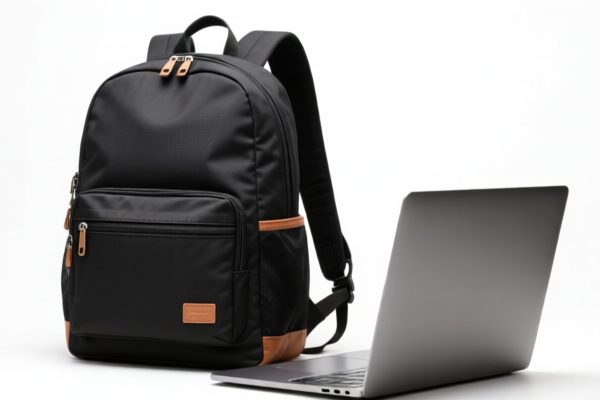
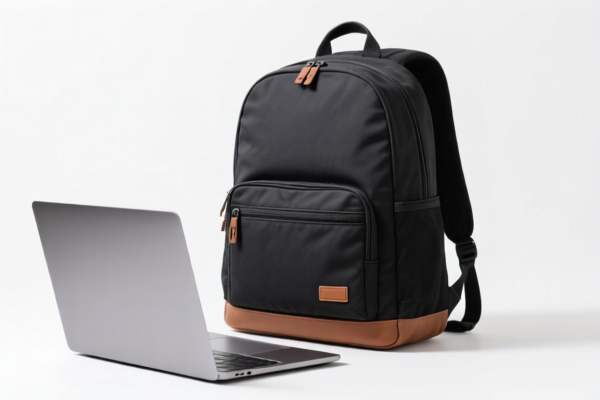
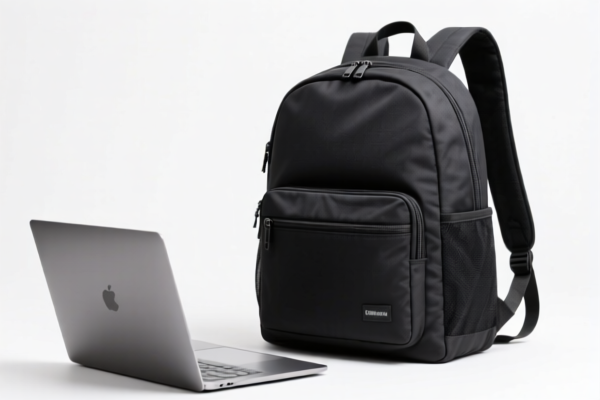
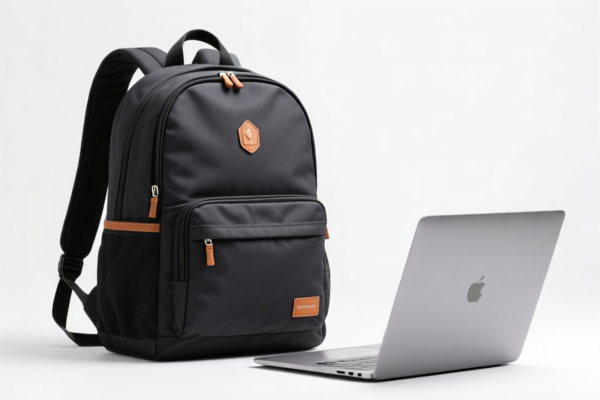
AI Analysis
🎒 Computer Backpacks: The Ultimate Guide to HS Codes, Tariffs & Customs Clearance
🌐 HS Code Reference & Clearance Strategy | 2026 Latest Tariff Analysis | Professional Customs Solutions
📌 I. Product Definition & Classification: Do You Really Understand "Computer Backpacks"?
In international trade, "Computer Backpacks" are not a single, unified category. They are classified based on material composition and primary function. The distinction is critical because the tariff rates vary drastically (from 22.8% to 52.6%).
Key Distinctions:
1. Textile/Synthetic Fiber Backpacks: Made primarily of nylon, polyester, canvas, or other textile materials. These fall under Chapter 42.
2. Plastic/Synthetic Leather/Other Materials: Made primarily of plastic sheets, synthetic leather, or non-textile composites. These may fall under Chapter 39 or Chapter 42 depending on specific construction.
⚠️ Critical Classification Point:
- If the outer surface is Textile (e.g., Nylon/Polyester) → Classify under 4202.12.89.20 or 4202.92.31.20.
- If the outer surface is Plastic/Synthetic Leather → Classify under 3926.90.99.89.
- Misclassification Risk: Declaring a textile backpack as "plastic" to avoid higher taxes can lead to severe penalties and delays.
📦 II. HS Code Classification Details (2026 Latest Tariff Reference)
Based on the provided data, here are the exact classifications for computer backpacks:
| HS Code | Product Description | Material | Tax Rate | Legal Basis / Notes |
|---|---|---|---|---|
4202.12.89.20 |
Computer Bag / Laptop Case | Textile Material (Outer Surface) |
52.6% | Outer surface made of textile materials. Includes dedicated laptop sleeves/cases. |
4202.92.31.20 |
Backpack (General/Travel/Sport) | Textile Material (Outer Surface) |
52.6% | Backpacks made of textile materials. Used for travel, sports, and daily carry. |
3926.90.99.89 |
Computer Bag (Plastic/Composite) | Plastic / Synthetic Fiber / Leather (Non-Textile) |
22.8% | Other articles of plastic or synthetic materials. Not specifically listed elsewhere. |
🔍 Key Insight:
-4202Series (Textile): Subject to 52.6% total tax. This is the most common classification for standard nylon/polyester laptop bags.
-3926Series (Plastic/Other): Subject to 22.8% total tax. This applies if the bag is primarily made of PVC, vinyl, or synthetic leather-like plastic materials.
💰 III. 2026 Latest Tariff Rate Breakdown (Including Additional Duties)
✅ Applicable Country: United States (US)
✅ Origin: China (CN)
✅ Effective Date: November 10, 2025 onwards (for subsequent imports)
🎯 1. Textile-Based Computer Bags & Backpacks (4202.12.89.20 & 4202.92.31.20)
| Item | Details |
|---|---|
| Base Duty Rate | 17.6% (Standard MFN Rate) |
| Section 301 Additional Duty | +25.0% |
| 122 Clause Duty | +10.0% (Specific to certain Chinese goods) |
| Total Tax Rate | 52.6% |
| Tax Calculation | CIF Value × 52.6% |
| De Minimis Exemption | ❌ Not Eligible (deny_de_minimis) |
| Legal Path | Section 301: 9903.01.25 → 122 Clause → USITC:4202.xx.xx.xx |
📌 Explanation:
- The 17.6% is the standard US tariff for handbags/backpacks.
- The 25% is the Section 301 tariff targeting Chinese manufactured goods.
- The 10% is an additional duty under the "122 Clause" (often related to specific supply chain concerns).
- Total Impact: Over half the value of the product is tax. This makes material selection and accurate classification vital for cost control.
🎯 2. Plastic/Synthetic Computer Bags (3926.90.99.89)
| Item | Details |
|---|---|
| Base Duty Rate | 5.3% (Standard MFN Rate) |
| Section 301 Additional Duty | +7.5% |
| 122 Clause Duty | +10.0% |
| Total Tax Rate | 22.8% |
| Tax Calculation | CIF Value × 22.8% |
| De Minimis Exemption | ❌ Not Eligible (deny_de_minimis) |
| Legal Path | Section 301: 9903.01.25 → 122 Clause → USITC:3926.90.99.89 |
📌 Note:
- If your computer bag is made of PVC, TPU, or synthetic leather (not woven textile), it may qualify for this lower bracket.
- Warning: Ensure the "outer surface" is truly plastic/synthetic. If it has significant textile lining or straps, customs may reclassify it as textile.
🛠️ IV. Customs Clearance Practical Advice (Real-World Pitfalls Guide)
✅ 1. Documentation Checklist (Non-Negotiable)
| Document | Required? | Description |
|---|---|---|
| ✅ Product Spec Sheet | ✔️ | Must specify material composition % (e.g., "100% Polyester Outer"). |
| ✅ Product Photos | ✔️ | Clear images of the outer surface texture (to prove it's not textile if claiming 3926). |
| ✅ Commercial Invoice | ✔️ | Must accurately describe the item (e.g., "Laptop Bag, Synthetic Leather"). |
| ✅ Packing List | ✔️ | Include weight and dimensions. |
| ✅ Certificate of Origin | ✔️ | To confirm Chinese origin for Section 301 applicability. |
✅ 2. Declaration Strategy (Key Mantra)
🔥 "Material Defines Code, Code Defines Tax!"
| Scenario | Correct Declaration | Wrong Approach |
|---|---|---|
| Standard Nylon/Polyester Laptop Bag | HS: 4202.12.89.20Name: "Laptop Backpack, 100% Nylon" |
Declare as 3926 to save tax → High Audit Risk |
| Synthetic Leather/Vinyl Laptop Sleeve | HS: 3926.90.99.89Name: "PVC Computer Sleeve" |
Declare as 4202 → Overpay Tax |
| Mixed Material Bag (Textile + Plastic) | Consult Customs Broker | Guessing the code → Seizure/Delay |
✅ 3. Special Handling Cases
| Situation | Recommendation |
|---|---|
| OEM Bags with Brand Logo | Ensure the brand is not restricted. Provide authorization letters if necessary. |
| "Dual-Use" Bags (Backpack + Briefcase) | Declare based on the primary function. If it holds a laptop, it's likely 4202.12 or 4202.92. |
| Small Envelopes vs. Backpacks | Small pencil cases/sleeves might still fall under 4202. Size alone doesn't change the HS code if material/function matches. |
| Accessories (Straps, Pads) | If shipped separately, they may have different codes. Declare together with the main bag to avoid split-tax complications. |
🌍 V. Global Market Comparison (2026)
| Region | Recommended HS Code | Est. Total Tax (China Origin) | Key Certifications | Notes |
|---|---|---|---|---|
| 🇺🇸 USA | 4202.12.89.20 / 3926.90.99.89 |
52.6% (Textile) / 22.8% (Plastic) | N/A (No specific safety certs for bags) | Highest Tariff Barrier. Material choice is crucial. |
| 🇨🇳 China | 4202.12.89.20 / 3926.90.99.89 |
Low (Import Duty ~10-20%, No 301/122) | CCC (if electronic) | Domestic sale has no Section 301 taxes. |
| 🇪🇺 EU | 4202.92 / 4202.12 |
~12% (Standard) | CE (if electronic parts included) | No massive Section 301 equivalent. |
| 🇬🇧 UK | 4202.92 / 4202.12 |
~12% (Standard) | UKCA | Post-Brexit rules apply. |
| 🇦🇺 Australia | 4202.92 / 4202.12 |
~5-10% (Standard) | N/A | Lower tariffs than US. |
📌 Conclusion:
The US market is the most expensive for computer backpacks from China due to the combination of Base Duty + Section 301 + 122 Clause.
- Textile bags: Suffer the highest burden (52.6%).
- Plastic/Synthetic bags: Have a relative advantage (22.8%), but risk misclassification.
📌 VI. Common Mistakes & Pitfalls (Blood Lessons)
❌ Mistake 1: Declaring a Nylon Backpack as "Plastic Bag" to get 22.8%
👉 Consequence: Customs inspects, finds textile, reclassifies to 52.6%, adds penalties and interest. Total cost doubles.
❌ Mistake 2: Using vague descriptions like "Bag" or "Laptop Carrier" on the Invoice
👉 Consequence: Customs may assign a default higher code or request additional info, causing delays.
❌ Mistake 3: Ignoring the 122 Clause
👉 Consequence: Even if Section 301 is challenged, the 122 Clause (10%) may still apply. Always budget for the full 52.6% or 22.8% until a ruling proves otherwise.
✅ Correct Practice:
"Laptop Backpack, Model XYZ, Outer Shell: 100% Recycled Polyester, Inner Lining: Polyester, Dimensions: 16x10x5 inches, FCC/CE Certified (if electronics included)"
🎯 VII. Conclusion: Professional Declaration Saves Money!
🎯 Remember the Mantra:
🔹 "Textile = 52.6% (High Tax)"
🔹 "Plastic/Synthetic = 22.8% (Lower Tax)"
🔹 "Material is King, Description is Queen!"
📌 Pro Tip:
If you are importing large volumes, consider Advance Ruling from US Customs (CBP). This provides legal certainty on the HS Code and prevents retroactive tax adjustments.
📣 Immediate Action:
📞 Verify Material Composition → Select Correct HS Code → Apply for Advance Ruling if High Volume
🚀 Avoid Surprises, Maximize Profit, Clear Customs Smoothly!
✨ Professional Customs, Precise Classification!
💼 Every Percent of Tax Saved is Pure Profit!
Customer Reviews
About HS Code Classification
The Harmonized System (HS) is an internationally standardized nomenclature developed by the World Customs Organization (WCO) to classify traded products. Over 200 countries use the HS system as the basis for customs tariffs, trade statistics, and import/export regulations.
Each HS code follows a hierarchical structure:
- Chapter (2 digits) — Broad category of goods (e.g., Chapter 84: Machinery and Mechanical Appliances)
- Heading (4 digits) — More specific grouping within the chapter
- Subheading (6 digits) — Internationally standardized breakdown, used by all WCO member countries
- National subdivisions (8-10 digits) — Country-specific extensions for further classification, such as US HTSUS 10-digit codes
Correct HS code classification is essential for smooth customs clearance, accurate duty payment, and compliance with trade regulations. Misclassification can lead to customs delays, overpayment of duties, or penalties.
When importing from CN to US, the applicable tariff rates may include:
- Most-Favored-Nation (MFN) rate — The standard duty rate applied to WTO members
- General rate — Applied to countries without trade agreements
- Trade remedy duties — Additional tariffs such as Section 301 (anti-dumping), Section 232 (national security), or countervailing duties
The information provided on this page is for reference purposes only. For official classification, please consult with your local customs authority or a licensed customs broker.